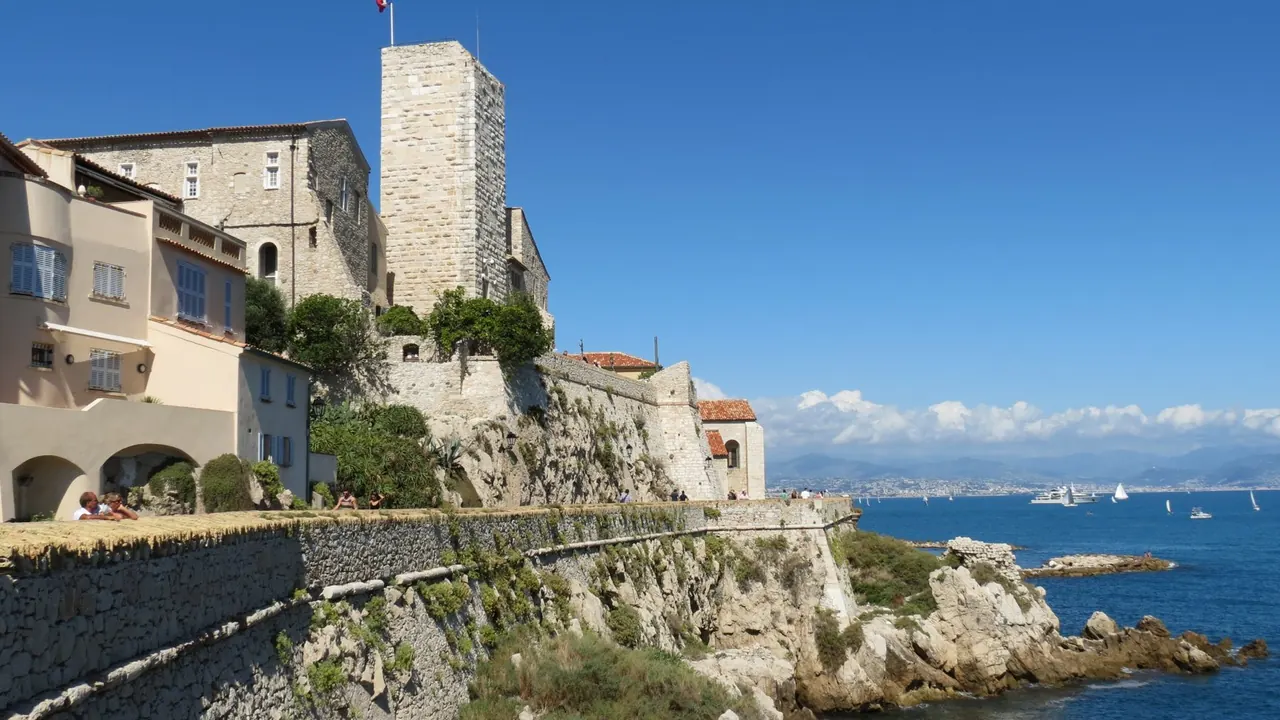
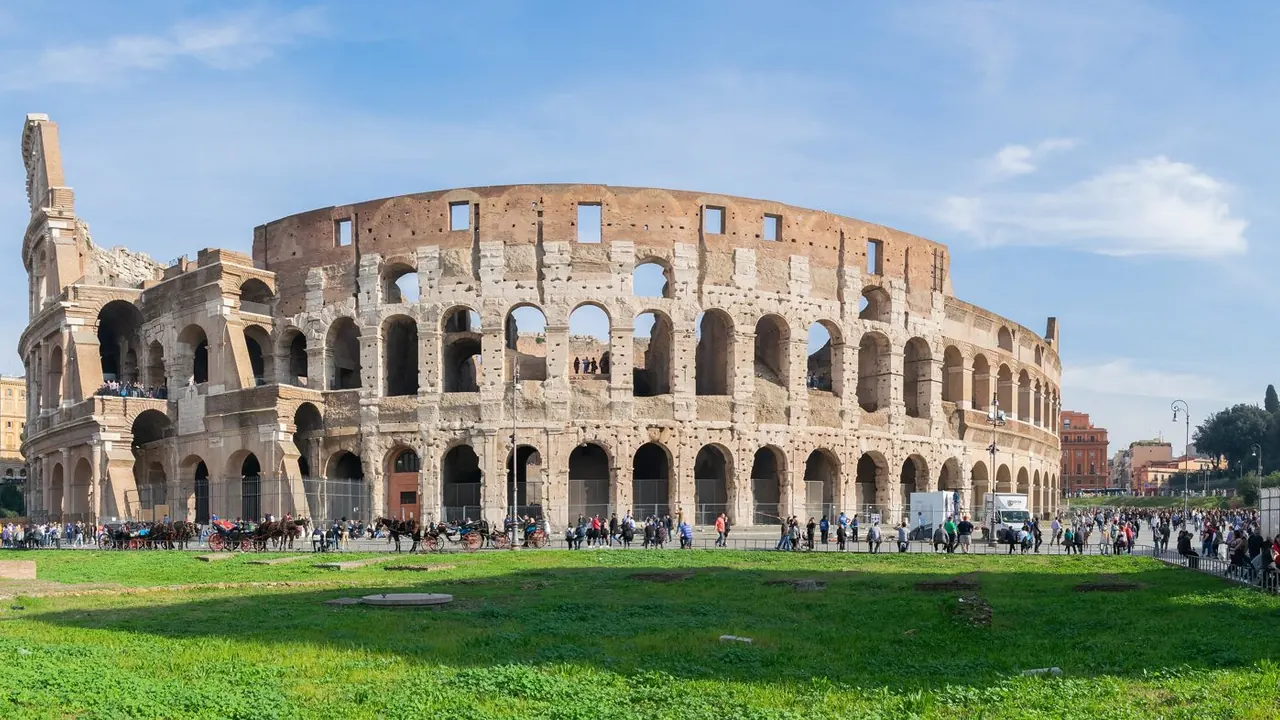
Photos: Antibes by Johan Allard, CC BY-SA 4.0, cropped; Rome by Tournasol7, CC BY-SA 4.0, cropped.
Antibes or Rome?
Our verdict in twelve categories, each scored against the same fixed benchmark cities, and the climate month by month, so you can choose for your trip.
Choose Antibes for
- beaches
- nature and the outdoors
- families
Antibes is the choice for a summer by the sea. It has real sand at Juan-les-Pins and La Salis, clear water and rocky coves around the cape, and a coastal railway that puts Nice, Cannes and Monaco within easy reach. It suits a slower trip of swimming, market mornings and walks on the cape, with one great museum for a rainy afternoon, and it asks very little of anyone who simply wants to rest.
Choose Rome for
- culture and sights
- shopping
- live music and the arts
Pick Rome when the trip is about the city itself. Ancient ruins, Baroque piazzas and the Vatican collections would fill a week without trying, and the trattorias of Testaccio and Trastevere, opera at the Baths of Caracalla and evenings out in the piazzas fill the hours in between. It is hotter, louder and harder on the feet, and the sea is a day out rather than part of the stay, but no town on the Riviera comes close to it for history, food or shopping.
Scoreboard
Twelve categories on one fixed scale from 0 to 100. The shaded stretch is the gap between the two.
Your match
Pick a travel style or drag the sliders, and both match scores follow your weighting.
Wins on beaches and nature and the outdoors with your weighting.
Wins on culture and sights and shopping with your weighting.
What matters to you?
Category by category
What the scores mean for a trip.
Beaches & swimming
Antibes is built around its beaches, Rome is not. Juan-les-Pins and La Salis give soft, gently shelving sand looking across to the ramparts, and the rocky shore of Cap d'Antibes adds small coves and very clear water for swimming off the rocks.
From Rome the sea means a half-hour train to Ostia's dark volcanic sand, mostly given over to paid lidos and rarely clear. Pretty water lies far south at Sperlonga, which turns a swim into a whole day.
Food & drink
Rome is one of Europe's great eating cities, with a cuisine of its own: the four Roman pastas, Jewish-style artichokes in the Ghetto, offal in Testaccio, and serious street food from supplì to pizza sold by weight. The rule is to walk away from the big sights to Trastevere, Monti or Testaccio.
Antibes eats pleasantly rather than memorably. The Provençal market on Cours Masséna, socca, pissaladière and grilled fish with rosé make good meals, but the range is that of a coastal town, and the lanes near the port lean on tourist menus.
Culture & sights
There is little contest here. Rome stacks ancient monuments, early Christian mosaics, Renaissance palaces and Bernini's Baroque in one city, with the Vatican Museums and the Borghese Gallery on top, and a week leaves much unseen.
Antibes has one sight of real stature, the Picasso Museum in the Château Grimaldi, where he worked in 1946. The old town, Fort Carré and the cape's villas round out a visit that takes two days.
Nightlife
Rome's evenings run all year and happen mostly outdoors: aperitivo, then wine bars and piazzas in Trastevere, smaller cocktail bars in Monti, student bars in San Lorenzo. Clubbing is a minor part of it, centred on Testaccio and Ostiense.
Antibes goes out mainly in July and August, when Juan-les-Pins has beach bars and a few late clubs, and the lanes by Port Vauban fill with yacht crews in English-speaking pubs. Out of season it closes early, and people take the train to Nice for more.
Nature & outdoors
Antibes puts better outdoor country on the doorstep. The coastal path around the cape runs over carved limestone past pines, the water is clear enough for snorkelling and diving, and the red cliffs of the Esterel and the Gorges du Loup are within an hour or so.
Rome's green is mostly parkland and history: the villa gardens of Borghese and Pamphili, and the Appian Way, where a cycle ride passes tombs and aqueducts. Real hiking means the Alban Hills or the Apennines, about ninety minutes out.
Day trips
Both are excellent bases, but for different kinds of day. From Antibes the trips are short and similar in flavour: a coastal train to Nice, Cannes, Monaco or Menton, a boat to the Lérins Islands, or hill villages such as Saint-Paul-de-Vence and Eze.
Rome's excursions reach further and vary more, from Ostia Antica and Hadrian's Villa close in to Etruscan tombs at Tarquinia, cliff-top Orvieto and Assisi. High-speed trains make Florence or Naples, and even Pompeii, possible in a day.
Good for families
Neither is designed around children, but the days look very different. In Antibes the gently shelving sand of Juan-les-Pins does the work, the town is small and easy, and boats in the port fill the gaps, though there is little else built for children.
Rome offers gladiators, catacombs, the Bioparco and rowing boats in Villa Borghese, with pizza and gelato to keep spirits up. Queues, heat and cobbles that are hard on pushchairs make it a more tiring trip.
Getting around
Walking Antibes is easy. The market, the ramparts and Port Vauban are minutes apart, and Juan-les-Pins is a flat half-hour stroll away. Its real asset is the coastal railway, with two stations that put Nice, Cannes and Monaco within easy reach. The cape and the hill villages are slow by bus, though, and summer traffic is heavy.
Rome asks much more of the feet. The walk from the Colosseum past the Pantheon to Trastevere is the best way to see the city, but it means cobbles, scooters and summer heat. The metro barely touches the centre and buses stall in traffic, so there is little else to rely on.
Shopping & style
Rome is a real shopping city. The big Italian fashion houses line Via Condotti and the streets below the Spanish Steps, Monti has independent designers and vintage, and Via dei Coronari keeps its antique dealers, with Porta Portese's Sunday flea market for rummaging.
Antibes is small-scale: olive oil, soaps and herbs at the covered market, Provençal linen and ceramics in the old town lanes. For fashion, people go to Cannes or Nice.
Affordability
Neither is cheap, but Rome is easier on the budget. Rooms in the centre and entry to the big museums cost a lot, yet standing espresso, pizza al taglio, trattoria lunches, free fountain water and churches full of art keep daily spending in check.
Antibes in July and August prices its rooms like a luxury resort, and beach-club loungers add up. Spring and autumn, self-catering from the market and the cheap coastal trains bring it down.
Live music & performing arts
Rome has a full classical calendar: the Teatro dell'Opera through winter, summer opera in the Baths of Caracalla, the Santa Cecilia orchestra at the Auditorium Parco della Musica, and frequent concerts in churches and jazz clubs.
Antibes has one great moment, Jazz à Juan each July under the pines by the sea, one of Europe's oldest jazz festivals. Beyond that the Anthéa theatre carries a regional programme, and opera means Nice.
Wellness & relaxation
Antibes uses seawater rather than hot springs. There is a thalassotherapy centre near the coast, and the grand hotels on Cap d'Antibes have spas where non-guests can often book treatments. The calm here depends on the season. In May, June and September the days slow to market mornings, shaded lunches and evening walks on the ramparts, but the crowds and traffic of July and August take much of that away.
Rome has no seawater cures, but it has something Antibes lacks: real thermal water within reach. The sulphurous Acque Albule pools at Bagni di Tivoli are close to the city, and the free open-air hot springs around Viterbo are about ninety minutes north. The centre itself is loud with scooters and crowds, so finding quiet means the villa gardens, the Aventine or a long Roman lunch.
When should you go?
Pick your month. The climate figures are measured averages, not a forecast.
Antibes in July
Rome in July
Daytime high, °C
Rainfall in the month, mm
Where the figures come from
Rome's sunshine is measured 31 km from the centre, at Vigna Di Valle.
Temperature and rainfall are climate normals, averaged over the years shown. Antibes: 1991-2020 normals, Nice (9.9 km from centre). Rome: 1991-2020 normals, Roma / Ciampino (15.1 km from centre).
Antibes is at its best from June to September. The sea is warm enough to swim from June, reaches about 25°C in August and stays pleasant into early October, and July is almost dry, with the most sunshine of the year. The rain arrives in autumn, and October and November are the wettest months. Winter is mild and quiet, with clear days for walking the cape and views to the snowy Alps.
Rome gets hotter in midsummer, reaching about 31°C in July and August, which makes long days of sightseeing on foot hard work, though the sea off Ostia warms to the same 25°C. The city is far better for walking in April, May, late September and October, before November brings the heaviest rain. Winter is cool and gets fewer hours of sun than the Riviera, but it is mild enough for museums and long lunches.
Which traveller are you?
On a beach and sun trip, Antibes is the clear choice. The sandy, gently shelving shore at Juan-les-Pins, the coves of Cap d'Antibes and clear water for snorkelling are right outside the door, while Rome's beaches mean a train out to crowded lidos.
For a culture and arts trip, Rome wins by a long way. The Colosseum, the Forum, the Vatican Museums, the Borghese Gallery and churches hung with Caravaggio fill a week, and opera and orchestral concerts fill the evenings. Antibes offers the Picasso Museum and two days' worth.
On a food and nightlife trip, Rome gives far more. Carbonara in Testaccio trattorias, supplì and pizza al taglio by day, then aperitivo and late wine bars in Trastevere and Monti. Antibes eats well at its market, but its evenings are largely a summer affair.
Before you go
| Measure | Antibes | Rome |
|---|---|---|
| Official language | French | Italian |
| Currency | Euro (EUR) | Euro (EUR) |
| Sockets | CE230 V, 50 Hz | CFL230 V, 50 Hz |
| Driving side | Right | Right |
| Time zone | UTC+1, UTC+2 in summer | UTC+1, UTC+2 in summer |
| Emergency number | 112 | 112 |
| Elevation | 0 m | 21 m |
| Main airport | Nice-Côte d'Azur Airport (NCE)11 km from centre130 non-stop destinations | Rome–Fiumicino Leonardo da Vinci International Airport (FCO)23 km from centre242 non-stop destinations |
| Public holidays this year | 11 days | 13 days |
By the numbers
| Measure | Antibes | Rome |
|---|---|---|
| City population | 77,637 | 2,748,109 |
| People per km² | 2,930 | 2,135 |
| Museums within 10 km | 14 | 178 |
| UNESCO World Heritage sites within 50 km | 2 | 7 |
| Swim season, months above 21 °C | 4 months | 5 months |
Where else could you go?
Every comparison below shares a destination with this one, so you can follow Antibes or Rome somewhere new.