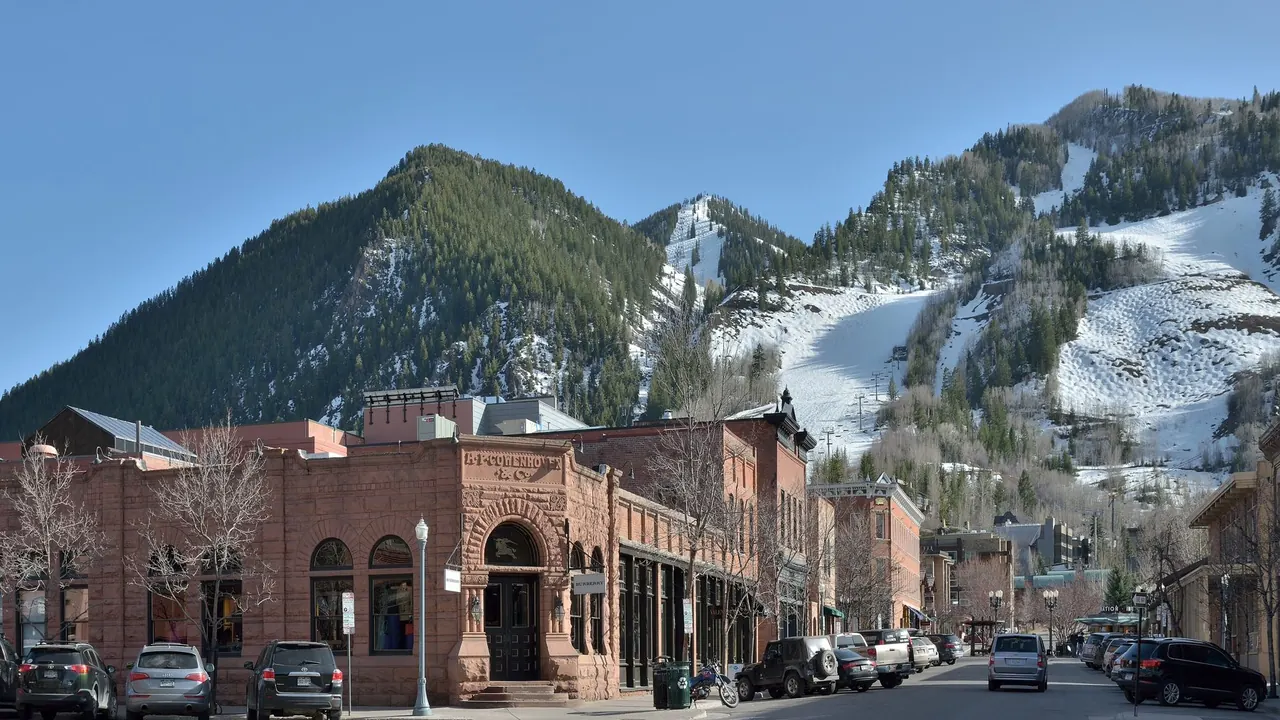
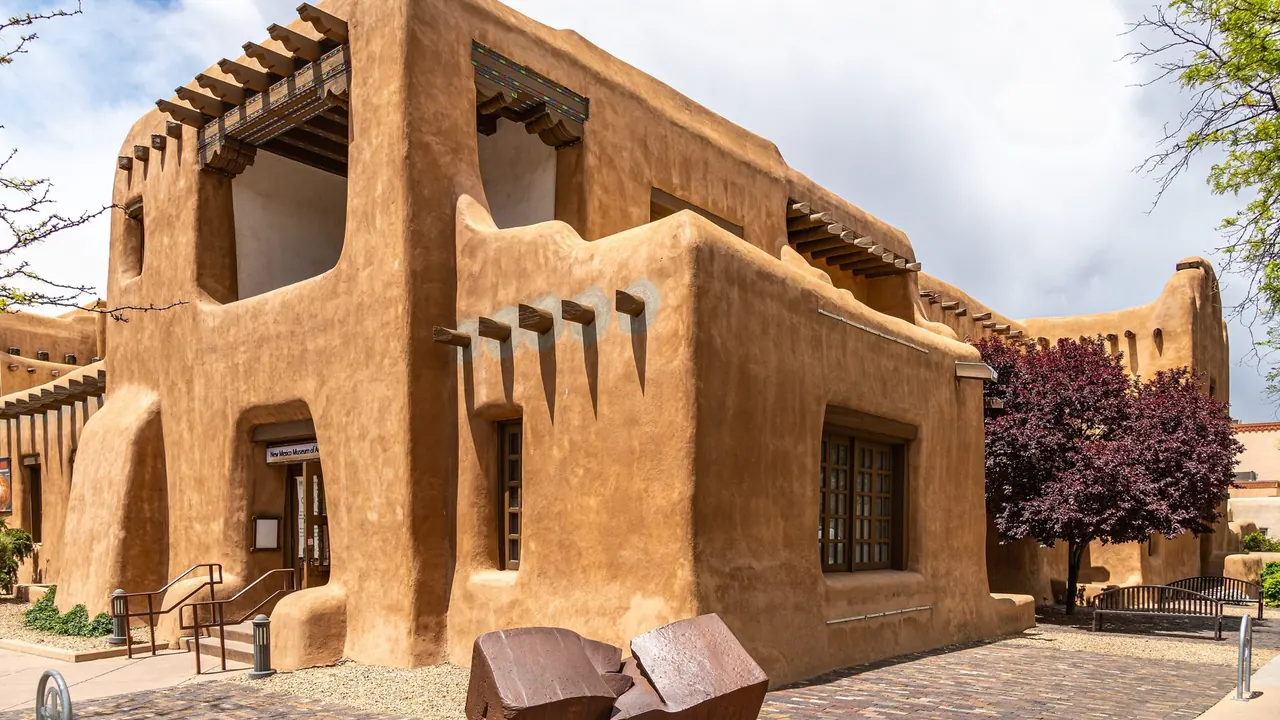
Photos: Aspen by Moroder, CC BY-SA 3.0, cropped; Santa Fe by dconvertini, CC BY-SA 2.0, cropped.
Aspen or Santa Fe?
Our verdict in twelve categories, each scored against the same fixed benchmark cities, and the climate month by month, so you can choose for your trip.
Choose Aspen for
- getting around
- nightlife
- nature and the outdoors
Aspen is for travellers whose vacation is the mountains themselves. Four linked ski mountains, summer trails to the Maroon Bells and a compact town run on free buses make it the stronger base for skiing, hiking and an active family trip, with glossy après-ski evenings in winter. Bring a generous budget, because almost nothing here is cheap.
Choose Santa Fe for
- culture and sights
- day trips
- prices
Choose Santa Fe if you want a place with a long past and a cuisine of its own. Four centuries of adobe streets, Museum Hill, the galleries of Canyon Road and chile-based New Mexican cooking suit curious, culture-minded travellers, and the pueblos and old villages around it reward a road trip. Hire a car and expect quiet evenings.
Scoreboard
Twelve categories on one fixed scale from 0 to 100. The shaded stretch is the gap between the two.
Your match
Pick a travel style or drag the sliders, and both match scores follow your weighting.
Wins on getting around and nightlife with your weighting.
Wins on culture and sights and day trips with your weighting.
What matters to you?
Category by category
What the scores mean for a trip.
Beaches & swimming
Neither town is a beach destination. Both sit high and far inland, so a swim usually means a hotel pool. The summer water outings differ a little: in Aspen you raft the Roaring Fork or take a cold dip in an alpine lake, while from Santa Fe you drive an hour to Abiquiu Lake or float a stretch of the Rio Grande.
Food & drink
Santa Fe has what Aspen lacks: a cuisine of its own. Red or green chile, blue corn, posole and sopaipillas served in adobe rooms around the Plaza give meals a strong sense of place, and the Railyard farmers' market is one of the oldest in the country.
Aspen's strength is polish rather than identity, with chef-led dining rooms, steak and sushi, serious wine lists and après-ski terraces at the foot of Aspen Mountain. Both towns have little street food or cheap middle ground, but in Aspen many kitchens also close in the quiet weeks of spring and autumn.
Culture & sights
This is where Santa Fe pulls clearly ahead. A Spanish colonial capital since 1610, it has the Palace of the Governors, old churches such as the San Miguel Chapel, and Museum Hill's folk art and Native American collections. Add the Georgia O'Keeffe Museum and that is enough for two or three full days.
Aspen's history is a silver boom of the 1880s, which you can still see in its red-brick blocks, the Wheeler Opera House and the miners' cottages of the West End. With the Aspen Art Museum and Herbert Bayer's Institute campus it makes a pleasant afternoon, but not a cultural trip.
Nightlife
Aspen has the livelier evenings, at least in winter. Après-ski moves from the slopeside decks into the downtown bars, and around Christmas, New Year and the X Games a few clubs and hotel bars stay busy late. Out of season it goes quiet.
A night in Santa Fe is a long dinner and then a margarita on a rooftop as the sun drops behind the Jemez Mountains, with the streets empty before midnight. For clubs, people drive to Albuquerque.
Nature & outdoors
Both sit high in the mountains, but Aspen is the stronger outdoor base. Its four ski mountains run from gentle Buttermilk to steep Highlands and are linked by free shuttles, which puts them well ahead of Santa Fe's single ski area. In summer, trails lead from town to the Maroon Bells and summits above 4,000m, and a road climbs over Independence Pass.
Santa Fe comes second, but its country is drier and more varied. Piñon foothills and the Pecos Wilderness rise behind the town, and further out are the volcanic crater of Valles Caldera, the Rio Grande Gorge and the red cliffs around Abiquiu. Much of the best of it is a long drive away, and the summer heat means starting early.
Day trips
Santa Fe has far more within reach. The High Road to Taos, Taos Pueblo, the cliff dwellings of Bandelier, Pecos and the Turquoise Trail are enough for several days of outings, though nearly all of them need a car.
From Aspen the list is short: Glenwood Springs, Carbondale, the villages of the Crystal River valley and the ghost town of Ashcroft. Leadville is reachable over Independence Pass in summer, and once the pass closes for winter there is little more.
Good for families
Aspen suits children a little better, mainly as a ski trip. Buttermilk and Snowmass have gentle slopes and proper kids' areas, in summer the lifts lead up to alpine coasters and ropes courses, and free buses keep the logistics simple.
Santa Fe has a children's museum and the ladders at Bandelier, but galleries and long dinners are hard going for younger children, and most outings mean hours in a car. Both towns are safe, and in both the altitude can tire small children for a day or two.
Getting around
Aspen is the easier place to manage without a car. The flat downtown grid, the gondola at its edge, free buses to every ski mountain and a summer shuttle to the Maroon Bells cover most of what visitors do there.
Santa Fe's centre is walkable, with the Plaza, Canyon Road and the Railyard close together, but its buses are infrequent and Museum Hill, the trailheads and the pueblos all need a car. The exception is the Rail Runner train to Albuquerque.
Shopping & style
Santa Fe is the better place to shop if you care about art and craft. Native American artists sell silver and pottery under the portal of the Palace of the Governors, galleries line Canyon Road, and the summer Indian, Spanish and Folk Art markets draw collectors from far away.
Aspen sells luxury instead, with international designer boutiques, high-end ski wear and fur packed into a few pedestrian blocks. It suits someone shopping for designer labels, while Santa Fe suits someone buying rugs, pottery and jewellery.
Affordability
Neither town is cheap, but Aspen is in another bracket. Rooms, lift tickets and meals in ski season are priced for a very wealthy clientele, and staying down the valley in Glenwood Springs only softens the cost.
Santa Fe is expensive for its size, but cheaper rooms along Cerrillos Road, free hiking and free gallery browsing make a careful budget possible. The main extra cost is the hire car you will need.
Live music & performing arts
Both are summer festival towns, but with different centrepieces. In Aspen it is orchestral and chamber music, with the Music Festival filling the Benedict Music Tent and a free lawn outside, plus ballet and jazz. In Santa Fe it is opera, staged at sunset in an open-sided theatre with a taste for rarely performed works, alongside chamber music and flamenco.
Out of season both scale down. Aspen keeps the Wheeler Opera House and, in ski season, a club with touring bands. Santa Fe has the Lensic and choral concerts in its old churches.
Wellness & relaxation
Both are calm, high-altitude places with resort spas, and the main difference is where you go to soak. Santa Fe has outdoor tubs among the pines on the road to the ski area and the historic springs of Ojo Caliente an hour north, plus plenty of yoga studios and healers in town.
Aspen relies on its hotel spas and riverside paths. The mineral pools of Glenwood Springs are an hour away, and Conundrum Hot Springs lies at the end of a long hike. In peak ski season it is the less restful of the two.
When should you go?
Pick your month. The climate figures are measured averages, not a forecast.
Aspen in July
Santa Fe in July
Daytime high, °C
Rainfall in the month, mm
Where the figures come from
Aspen has no rain gauge within 25 km of the centre, so its rainfall comes from a gridded climate dataset read at the city rather than from a gauge further away.
Santa Fe's station stands 199 m below the city centre, so the centre is likely a little cooler than the figures say.
Santa Fe has no rain gauge within 25 km of the centre, so its rainfall comes from a gridded climate dataset read at the city rather than from a gauge further away.
Temperature and rainfall are climate normals, averaged over the years shown. Aspen: 2006-2020 (rainfall 1991-2020) normals, Aspen / Woody Creek (5.2 km from centre). Santa Fe: 1991-2020 normals, Santa Fe / Cieneguilla (12.4 km from centre).
Aspen is a town of two seasons. From December to March daytime highs hover around 0°C, which is what the ski mountains need, while June to August is the time for hiking, with July reaching about 27°C and pleasant walking all day. Rain and snow are spread fairly evenly through the year, with no real dry season. Late September, when the aspen groves turn gold, is a fine time to visit, but in the shoulder months of spring and late autumn the town goes quiet.
Santa Fe is warmer all year. Winter is milder, about 6°C in January, and June and July reach around 31°C, too hot for long midday walks at altitude. July and August also bring afternoon storms, with about 60mm a month. May, September and October are the most comfortable months for walking the streets and the trails. Neither town has beach weather, and their lakes and rivers stay cool even in high summer.
Which traveller are you?
On a culture and arts trip, Aspen's Victorian downtown and contemporary art museum fill a pleasant afternoon, but Santa Fe is the clear choice. Its adobe streets, colonial churches and Native American and folk art collections reward several unhurried days.
For an outdoors trip, Aspen is the better base, especially without a car, because alpine hiking, mountain biking, fly-fishing and skiing for every level all start in the valley. Santa Fe suits walkers happy to drive between mesas, canyons and forest.
On a family trip with children, Aspen suits younger ones better, especially in winter, when ski school and gentle slopes fill their days. Santa Fe works for older children who enjoy hiking and history and can manage long drives to the pueblos.
Before you go
| Measure | Aspen | Santa Fe |
|---|---|---|
| Currency | US Dollar (USD) | US Dollar (USD) |
| Sockets | AB120 V, 60 Hz | AB120 V, 60 Hz |
| Driving side | Right | Right |
| Time zone | UTC-7, UTC-6 in summer | UTC-7, UTC-6 in summer |
| Emergency number | 911 | 911 |
| Elevation | 2,405 m | 2,134 m |
| Main airport | Aspen-Pitkin County Airport (Sardy Field) (ASE)5 km from centre11 non-stop destinations | Santa Fe Municipal Airport (SAF)12 km from centre5 non-stop destinations |
| Public holidays this year | 12 days | 13 days |
By the numbers
| Measure | Aspen | Santa Fe |
|---|---|---|
| City population | 7,004 | 87,505 |
| People per km² | 700 | 645 |
| Museums within 10 km | 2 | 10 |
| UNESCO World Heritage sites within 50 km | 0 | 0 |
Where else could you go?
Every comparison below shares a destination with this one, so you can follow Aspen or Santa Fe somewhere new.