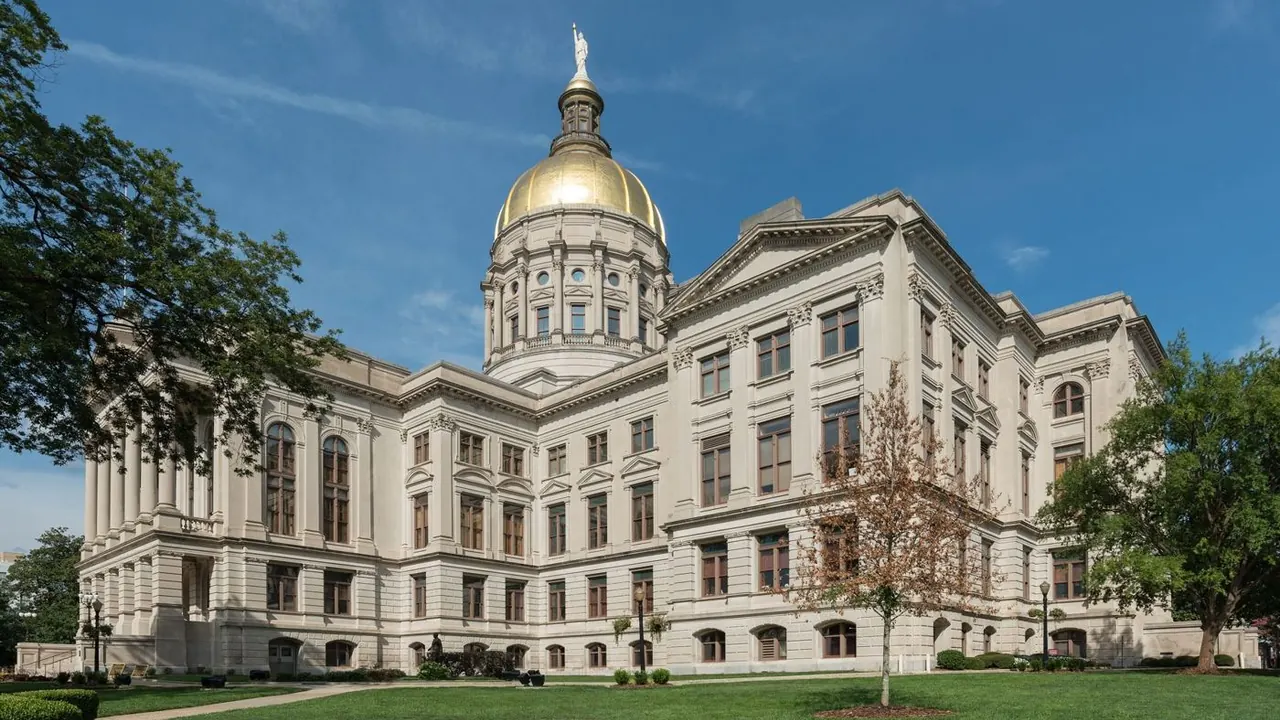
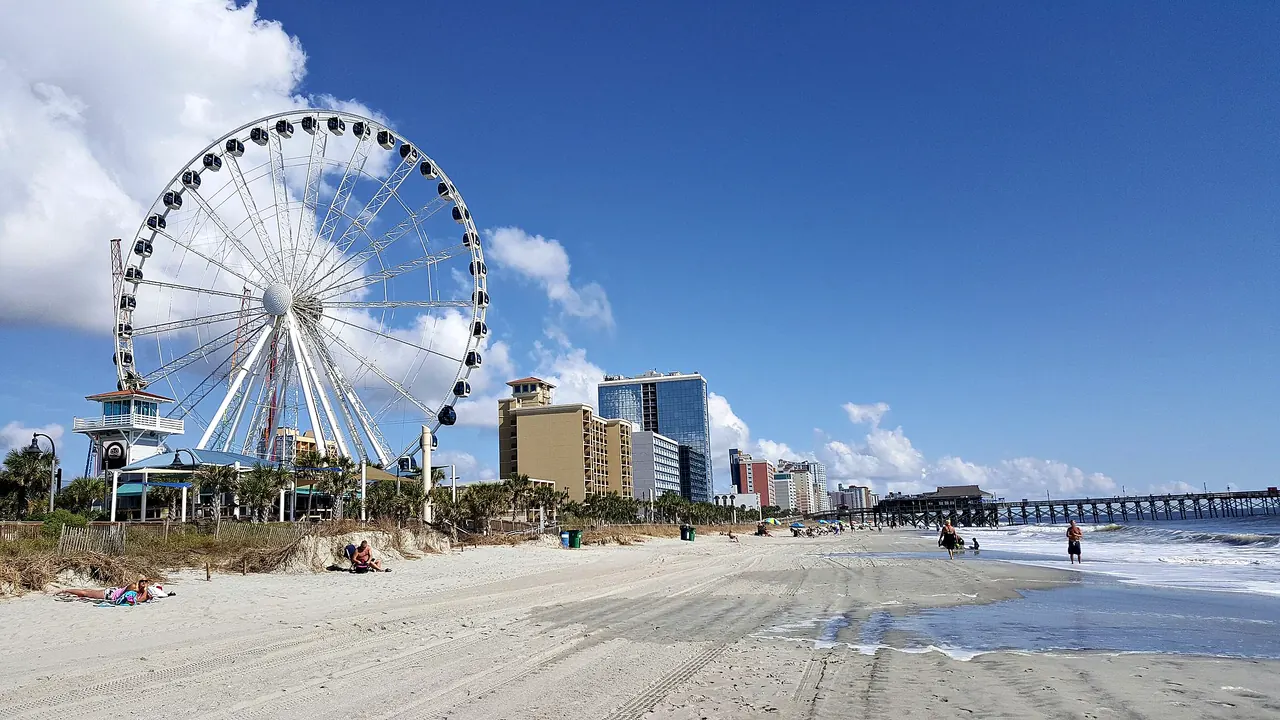
Photos: Atlanta by DXR, CC BY-SA 4.0, cropped; Myrtle Beach by The ed17, CC BY-SA 4.0, cropped.
Atlanta or Myrtle Beach?
Our verdict in twelve categories, each scored against the same fixed benchmark cities, and the climate month by month, so you can choose for your trip.
Choose Atlanta for
- culture and sights
- live music and the arts
- food and drink
Atlanta is the choice for a traveller who wants a real city with some weight to it. Here you can walk through civil rights history on Auburn Avenue, see the High Museum, catch a symphony or opera night and eat your way along Buford Highway, and the clubs play music the rest of the country follows. It suits a long weekend or a few days in spring or autumn, as long as you are happy to drive or take rides between neighbourhoods.
Choose Myrtle Beach for
- beaches
- prices
- families
If the trip is about sand and sea, pick Myrtle Beach. The Grand Strand's wide, gently shelving beach, warm summer water and resort hotels with lazy rivers make it an easy family vacation, and a room or condo usually costs less than in Atlanta, especially outside July. Expect thin culture and simple food. Evenings here mean variety shows, mini-golf and seafood platters, not galleries or tasting menus.
Scoreboard
Twelve categories on one fixed scale from 0 to 100. The shaded stretch is the gap between the two.
Your match
Pick a travel style or drag the sliders, and both match scores follow your weighting.
Wins on culture and sights and live music and the arts with your weighting.
Wins on beaches and prices with your weighting.
What matters to you?
Category by category
What the scores mean for a trip.
Beaches & swimming
Atlanta sits inland on the Piedmont plateau, four to five hours from either coast. A hot weekend there means Lake Lanier's sandy swimming areas or the hotel pool, which is fine for cooling off but not a beach vacation.
In Myrtle Beach the beach is the reason to come. The Grand Strand gives you about 100km of wide, pale sand, shallow water and small waves, and you can pick between the crowded towers by the boardwalk and the dune-backed calm of Surfside, Garden City and the state parks further south. The water is greenish rather than clear, and swimming is a warm-season affair.
Food & drink
Atlanta is the place to eat well. Meat-and-three cafeterias, west-side soul food kitchens and serious Sunday brunches show Southern cooking on its home ground. Buford Highway adds Korean, Vietnamese, Mexican and Ethiopian cooking aimed at its own communities, and the chef-led rooms of Inman Park and the Westside cover the rest.
Myrtle Beach cooks for crowds, with buffets, pancake houses and chains along the strip. Its best meals are fresh local shrimp and flounder at the waterfront in Murrells Inlet, or a Calabash fry-up over the state line. Both places serve shrimp and grits, but only Atlanta keeps a keen eater busy for more than a couple of evenings.
Culture & sights
Atlanta has little old townscape, but it has nationally important history. The Martin Luther King Jr. National Historical Park and the National Center for Civil and Human Rights make it one of the key places to understand the civil rights movement. The High Museum, the Atlanta History Center and the Carter Library fill out two or three solid days.
Myrtle Beach is a twentieth-century resort with almost nothing historic in town. Its one substantial sight is Brookgreen Gardens, a sculpture garden on a former rice plantation that is open about the people enslaved there. Add the Moorish-style Atalaya next door and a single day covers it.
Nightlife
Atlanta has the stronger and more varied night out. It has big clubs built on the city's own hip-hop and trap, small dance floors along Edgewood Avenue, one of the South's largest LGBTQ scenes in Midtown and dressier lounges in Buckhead. The drawback is that each district is a separate pocket and you need a ride between them.
Myrtle Beach is cruder but more compact. Beach bars, rooftop decks and dance clubs sit together around the boardwalk and the entertainment complexes, and North Myrtle Beach keeps up its own shag dance clubs. Much of it is seasonal, though, and it goes quiet early in winter.
Nature & outdoors
Granite domes, wooded river bluffs and mountain foothills give Atlanta the wider outdoors. Within half an hour you can climb Stone Mountain or walk Kennesaw's battlefield trails, and on the city's northern edge the Chattahoochee makes an easy paddle or float. Drive about two hours north and you reach the Blue Ridge foothills, Amicalola Falls and the southern end of the Appalachian Trail. That is real hiking country, though you can only get there by car.
Myrtle Beach sits on flat coastal plain, so the outdoors there means water and wildlife, not climbs. Huntington Beach State Park has marsh boardwalks with herons, ospreys and alligators, the Waccamaw's cypress swamps suit a kayak, and dozens of golf courses line the Grand Strand. In both places the summer heat pushes outdoor plans into the early morning.
Day trips
The two are about even for day trips, and in both cases you need a car. Atlanta's options are pleasant small towns rather than famous names: college-town Athens, gold-rush Dahlonega among the vineyards, antebellum Madison, and Chattanooga's riverfront two hours north. Savannah is too far for a day.
Myrtle Beach has one standout, Charleston, about two hours south, which makes a long but rewarding day. Closer by, it has smaller coastal outings to Georgetown's old port, the quiet village of Pawleys Island and Wilmington's riverfront.
Good for families
Myrtle Beach has the edge for families, because the main attraction is right outside the hotel. Gentle surf, wide sand, resort pools with lazy rivers and kitchen suites make the days easy. The evenings bring the wooden roller coaster, the observation wheel and endless pirate-themed mini-golf. Just steer clear of spring break weeks.
Atlanta is a good second, with richer indoor sights. The Georgia Aquarium's whale sharks, the zoo's gorillas, Fernbank's dinosaurs and the Center for Puppetry Arts are excellent. They are spread out, though, and each one comes with traffic and a drive.
Getting around
Both cities are built for the car, but Atlanta gives you a bit more without one. MARTA rail runs from the airport through downtown and Midtown to Buckhead, and the BeltLine's Eastside Trail links several neighbourhoods on foot or by bike.
Myrtle Beach has no rail and only sparse buses along a 100km strip of multi-lane highway. On the other hand, within the oceanfront blocks you can walk, cycle or use a golf cart, and the beach itself makes a long flat promenade. In both places, expect slow traffic.
Shopping & style
Atlanta covers more ground. The two facing malls on Peachtree Road and the boutiques of Buckhead Village bring department stores and luxury labels, and Little Five Points adds vintage clothes and record shops.
Myrtle Beach is about bargains and beach gear: two big outlet centres, The Market Common's town-centre layout and huge highway shops full of swimwear and inflatables. The one local craft worth taking home is the sweetgrass baskets sold along the coast road south.
Affordability
Myrtle Beach is the cheaper place to stay. Its huge stock of motels and rental condos keeps rooms cheap outside the summer peak, and kitchens let you cook for yourself. Timing matters, though, because July and long weekends are much dearer.
Atlanta is reasonable for a large American city, and the civil rights sites cost nothing. Car hire, parking and the entry charges at the big family attractions add up, and so do tax and tips, which apply in both places.
Live music & performing arts
Atlanta has a full cultural calendar. The Symphony Orchestra and the Alliance Theatre share the Woodruff Arts Center, the opera and ballet run proper seasons, and the 1920s Fox Theatre hosts touring Broadway shows. Major hip-hop, R&B and gospel tours play the arenas, and the Tabernacle and smaller rooms in Little Five Points fill in below.
In Myrtle Beach the evening show is a polished variety revue of country, gospel or comedy, or a dinner show with knights or pirates. Cover bands play in the summer beach bars.
Wellness & relaxation
Neither is a place people go mainly to unwind, and they are close on this, but the ways to relax differ. Atlanta's best option is its Korean bathhouses in the northeastern suburbs, with hot and cold pools, saunas and lounging halls, some open round the clock.
Myrtle Beach has no bathing tradition, only resort and golf-hotel spas. Its rest comes from the sea itself, best found at the quieter southern end around Pawleys Island in spring or autumn, away from the summer noise on the strip.
When should you go?
Pick your month. The climate figures are measured averages, not a forecast.
Atlanta in July
Myrtle Beach in July
Daytime high, °C
Rainfall in the month, mm
Where the figures come from
Atlanta has no rain gauge within 25 km of the centre, so its rainfall comes from a gridded climate dataset read at the city rather than from a gauge further away.
Myrtle Beach has no rain gauge within 25 km of the centre, so its rainfall comes from a gridded climate dataset read at the city rather than from a gauge further away.
Temperature and rainfall are climate normals, averaged over the years shown. Atlanta: 2006-2020 (rainfall 1991-2020) normals, Atlanta / Carroll Heights (12.5 km from centre). Myrtle Beach: 1971-2000 (rainfall 1991-2020) normals, Myrtle Beach Air Force Base (5.5 km from centre).
The two share a calendar for temperature. Both are mild in winter and hot from June to August, with highs of about 32°C in Atlanta in July. Spring and autumn are the seasons for Atlanta: April, May and October are warm enough to walk the streets and the trails without the summer humidity. Rain falls fairly evenly there all year, and late winter and early spring are slightly wetter, peaking at about 137mm in March.
Myrtle Beach has a short beach season. The sea reaches about 28°C in July and August and stays pleasant into September, but from November to April it is too cool for most swimmers. Summer is also the wettest time on the coast, with heavy showers that bring around 187mm in August. Late May, June and September give you warm water with slightly less heat and rain.
Which traveller are you?
For a beach and sun trip, Myrtle Beach is the only real option. It has kilometres of flat sand, small waves and warm Atlantic water all summer, while Atlanta is hours from any coast and its swimming means a reservoir or a hotel pool.
On a culture and arts trip, Atlanta is clearly the better choice. The King birth home and Ebenezer Baptist Church, the civil rights centre, the High Museum and a full season of symphony, opera, ballet and theatre will fill several days. Myrtle Beach runs out after Brookgreen Gardens.
For a food and nightlife trip, choose Atlanta. You get Southern cooking on its home ground, Buford Highway's immigrant kitchens, Edgewood Avenue's dive bars and a famous hip-hop club scene. Myrtle Beach offers seafood buffets and loud boardwalk bars that quieten out of season.
Before you go
| Measure | Atlanta | Myrtle Beach |
|---|---|---|
| Currency | US Dollar (USD) | US Dollar (USD) |
| Sockets | AB120 V, 60 Hz | AB120 V, 60 Hz |
| Driving side | Right | Right |
| Time zone | UTC-5, UTC-4 in summer | UTC-5, UTC-4 in summer |
| Emergency number | 911 | 911 |
| Elevation | 225 m | 8 m |
| Main airport | Hartsfield Jackson Atlanta International Airport (ATL)14 km from centre238 non-stop destinations | Myrtle Beach International Airport (MYR)5 km from centre60 non-stop destinations |
| Public holidays this year | 12 days | 12 days |
By the numbers
| Measure | Atlanta | Myrtle Beach |
|---|---|---|
| City population | 498,715 | 35,682 |
| People per km² | 1,433 | 591 |
| Museums within 10 km | 27 | 2 |
| UNESCO World Heritage sites within 50 km | 0 | 0 |
| Swim season, months above 21 °C | - | 6 months |
Where else could you go?
Every comparison below shares a destination with this one, so you can follow Atlanta or Myrtle Beach somewhere new.