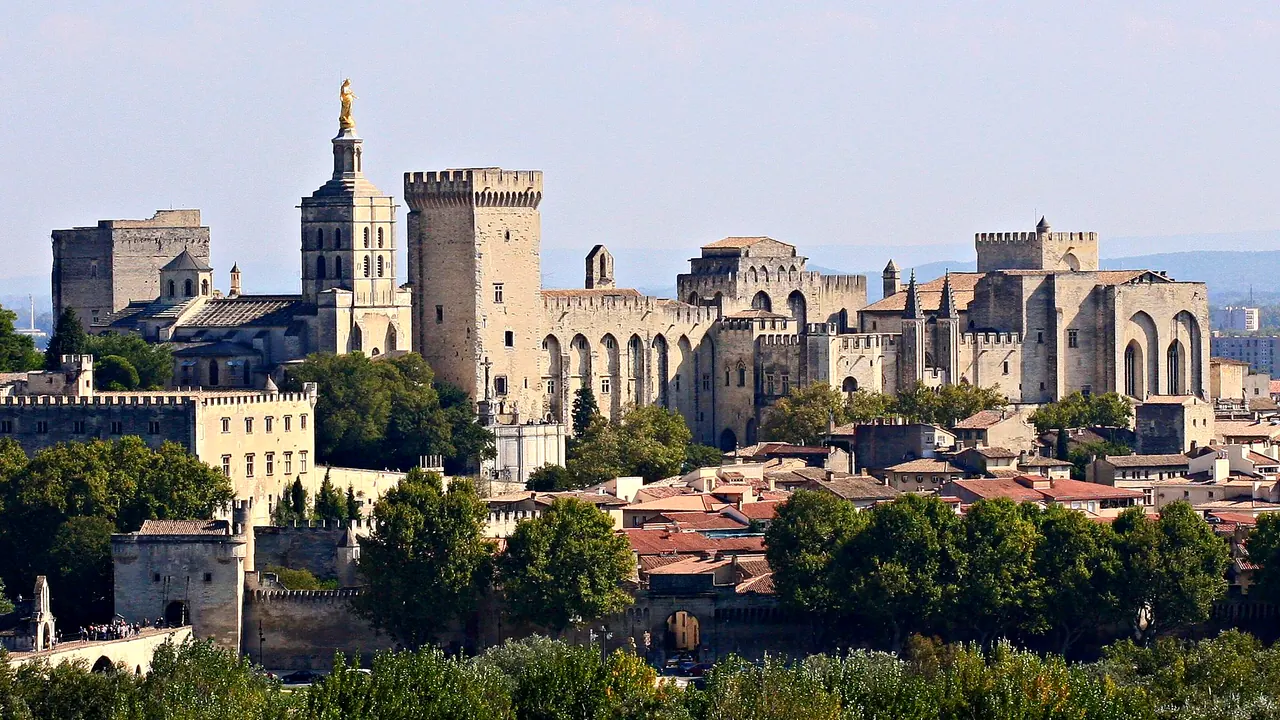
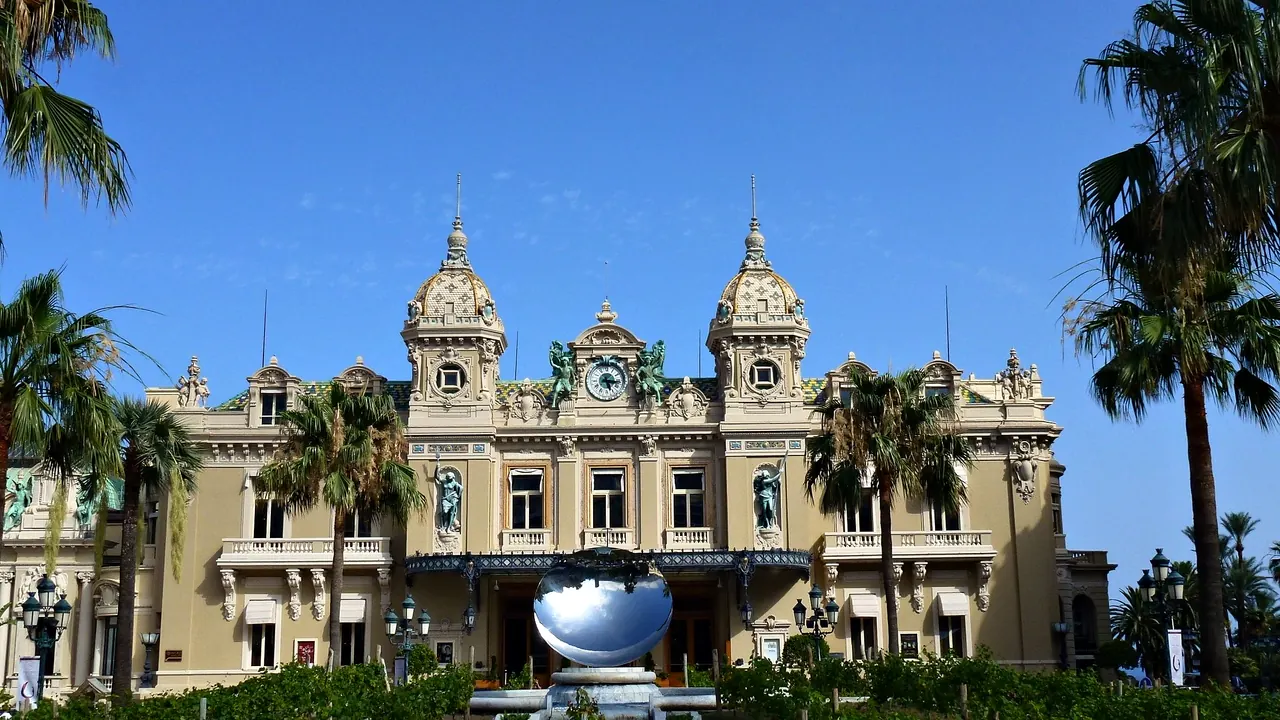
Photos: Avignon by BlueBreezeWiki, CC BY-SA 3.0, cropped; Monaco by otterboris, CC BY 3.0, cropped.
Avignon or Monaco?
Our verdict in twelve categories, each scored against the same fixed benchmark cities, and the climate month by month, so you can choose for your trip.
Choose Avignon for
- nature and the outdoors
- prices
- culture and sights
Avignon suits travellers who want history and countryside rather than glamour. The papal palace and ramparts fill a couple of days, and the real reward is what lies around them: Roman Nîmes and Arles, the Pont du Gard, the Luberon villages, Mont Ventoux and the Camargue. It costs far less than Monaco, and with a hire car it makes a base for a week of Provence.
Choose Monaco for
- beaches
- shopping
- wellness
Monaco is for a short, polished stay by the sea, with luxury shopping, grand hotel spas, a calm swim at Larvotto and an evening around the casino square. It is very safe, easy to get around thanks to its public lifts, and well placed for Nice, Menton and the Italian Riviera by train. The catch is the cost, which is why many people give it only a day or two of a wider Riviera trip.
Scoreboard
Twelve categories on one fixed scale from 0 to 100. The shaded stretch is the gap between the two.
Your match
Pick a travel style or drag the sliders, and both match scores follow your weighting.
Too close to call, 2 points apart
Wins on nature and the outdoors and prices with your weighting.
Wins on beaches and shopping with your weighting.
What matters to you?
Category by category
What the scores mean for a trip.
Beaches & swimming
Monaco has the sea at its door, though only on a modest scale. Larvotto is one short, landscaped beach with calm, clear water, and there are rocky platforms and a seawater pool on the port for a quick swim between other plans.
Avignon has no beach at all, and the Rhône is not safe for swimming. The summer dip there is in the green pools of the Gardon below the Pont du Gard, or at the hotel pool. The Camargue sands are a full day out rather than a daily routine.
Food & drink
The two are about even, but they eat in different ways. Avignon cooks Provençal food from the plain around it, and its wine is the real draw, with Châteauneuf-du-Pape and the Côtes du Rhône poured by the glass in bistros in the side streets. Monaco leans towards starred hotel dining rooms and the Italian restaurants along the port. Its own dishes, such as barbajuans and stocafi, are best eaten at the Condamine market. Both have a lively covered market, and in neither will you find much choice of food from elsewhere.
Culture & sights
Avignon has the deeper set of sights. The popes made it their seat for most of the 14th century, and the town stayed papal territory until the French Revolution. That left the Palais des Papes, the largest Gothic palace in Europe, at the head of a UNESCO-listed group with the cathedral and the four broken arches of the Pont Saint-Bénezet. Nearly 4km of ramparts still ring the town, and the Petit Palais, the Musée Calvet and the Collection Lambert cover Italian primitives, fine art and contemporary work, with the charterhouse at Villeneuve-lès-Avignon across the river.
Monaco's sights are princely showpieces on a smaller scale: the palace and its changing of the guard, the cathedral where Princess Grace is buried, the Oceanographic Museum on the cliff edge and the Belle Époque casino square. Villa Paloma and the classic car collection fill out an elegant day, but there is less history in the stones and less art on the walls.
Nightlife
Monaco has more going on after dark, but in a narrow style. Evenings centre on the casino square and hotel bars, then move on to famous clubs on Avenue Princesse Grace with strict doors and expensive drinks, and it all fades outside summer and big events.
Avignon is gentler: an aperitif on Place Pie, wine on a terrace and a few student bars, with the walled town quiet by midnight. Only in July, when the festival keeps the squares full until the small hours, does it outdo the principality.
Nature & outdoors
This is the widest gap between them. Around Avignon lies some of the most celebrated countryside in France: the bare summit of Mont Ventoux, the ochre trails of the Luberon, the Alpilles, canoeing in the Gardon gorges and the flamingos of the Camargue. Flat riverside cycling on the Île de la Barthelasse starts just across the bridge.
Monaco's green spaces are designed gardens, such as the Exotic Garden on its cliff and the rose garden in Fontvieille. Its outdoor life is on the water, with snorkelling off Larvotto, paddleboarding and boat charters.
Day trips
Both are excellent bases, and Avignon has the edge in depth. Roman Provence is all within half an hour: the theatre at Orange, the arenas of Nîmes and Arles, and the Pont du Gard. Add the wine villages, Les Baux and the Luberon, though most of these need a car.
Monaco's outings run along the coast and are easy without a car, as the coastal railway reaches Nice, Menton and Villefranche quickly. Èze and Cap Ferrat are close by, and Sanremo and Dolceacqua lie just over the Italian border.
Good for families
Monaco works better with children, mainly because of the Oceanographic Museum's aquarium, with its sharks and touch pool. Larvotto's shallow water, the playgrounds in Fontvieille and the lifts that take the strain out of the slopes all help, though the cost of a family stay adds up fast.
In Avignon the best family moments are the tablet tour of the Palais and dancing on the bridge from the song. After that the family days are out of town, canoeing at the Pont du Gard or seeing the Camargue horses, and the cobbled lanes are hard work with a pushchair.
Getting around
Both are compact enough to walk, but Monaco makes it easier. Free public lifts, escalators and tunnels flatten its steep tiers, buses cover every district, and a little electric boat crosses the port. A car is more of a nuisance than a help.
Avignon's walled centre is easy on foot, apart from the cobbles and the mistral, and regional trains run to Arles and Nîmes. The hill villages and Mont Ventoux are poorly served by public transport, however, so a full stay often depends on a hire car.
Shopping & style
Monaco is the place for serious shopping, but only of one kind. Around the casino and in the Métropole arcades you find fashion houses, high jewellers and watchmakers, while independent design and craft are scarce.
Avignon is modest and Provençal: printed cottons, olive wood and lavender in the lanes off Rue Joseph Vernet, with chain stores on Rue de la République. The best things to take home are edible, such as olive oil, calissons and wine from Les Halles or straight from the producer.
Affordability
Avignon is by far the cheaper stay, and when you go matters more than anything else. The town is fair value for most of the year, but the theatre festival turns July into its dearest month, so a visit in spring or autumn gets the same rooms inside the walls for much less. Much of what visitors come for, such as the ramparts, the squares and the view from the Rocher des Doms, costs nothing at all.
Monaco gives you no such way out through timing. Its prices stay high in every season and rise further when big events come round, so picking a quiet week saves little. Here the saving comes from how long you stay. Walking the port and the gardens and using the lifts and buses costs little, but every extra night adds a lot, so a short visit keeps the bill under control.
Live music & performing arts
The two are close, but the kind of performance differs. Avignon's strength is theatre, peaking in July when the Festival d'Avignon fills the Cour d'honneur of the Palais and the Off fringe puts on shows in every cellar and courtyard. The rest of the year, the opera house and a dozen small theatres keep a steady programme.
Monaco's tradition is classical: opera in the gilded Salle Garnier, where the Ballets Russes once worked, an orchestra and ballet company with international standing, and a season that peaks in winter and spring.
Wellness & relaxation
Monaco has more to offer for pampering. Its large thalassotherapy centre by the casino, with heated seawater pools and hammams, keeps up an old Riviera tradition, and the grand hotels add spas of their own. All of it is expensive, and the dense, busy streets are not restful in themselves.
Avignon offers a slower kind of rest: long lunches under plane trees, the Rocher des Doms in the late afternoon, or a farmhouse with a pool among the vineyards outside the walls. Spa choice in town is thin, though, and festival July is anything but calm.
When should you go?
Pick your month. The climate figures are measured averages, not a forecast.
Avignon in July
Monaco in July
Daytime high, °C
Rainfall in the month, mm
Where the figures come from
Avignon has no rain gauge within 25 km of the centre, so its rainfall comes from a gridded climate dataset read at the destination rather than from a gauge further away.
Avignon's sunshine is measured 34 km from the centre, at Nimes / Courbessac.
Temperature and rainfall are climate normals, averaged over the years shown. Avignon: 2005-2020 (sunshine 1981-2010, rainfall 1991-2020) normals, Avignon / Morières-lès-Avignon (8.6 km from centre). Monaco: 1991-2020 normals, Nice (19.9 km from centre).
Avignon has the stronger swings. Summer inland is fierce, with July highs around 32°C, which makes midday walking hard work, and the mistral can blow for days at any season. Spring, from April to early June, and September are the best months for the town and the hills. October is the wettest month, at about 109mm, and winter is cool and grey without being harsh.
Monaco is milder all year because of the sea. Summer peaks near 28°C, and the water reaches about 25°C in August, warm enough to swim from June into October. Autumn brings heavy rain, with November the wettest month at around 138mm, but winter days are a little warmer than in Avignon. Both places get plenty of summer sunshine, so the real difference is heat inland against a sea breeze on the coast.
Which traveller are you?
For an outdoors trip, Avignon is the clear choice. Mont Ventoux, the Luberon cliffs, the Dentelles, the Gardon gorges and the Camargue's lagoons are all within reach. Monaco is built up from edge to edge, and real hiking there means crossing the border.
On a trip on a tight budget, Avignon is far easier on the wallet. Set lunches, producer wine and a free walk round the ramparts keep the costs down. Monaco is among the most expensive places anywhere, and budget visitors usually sleep in France and come in for the day.
For a beach and sun trip, Monaco has the sea right there. Larvotto has calm, clear water and there are rocky swimming platforms nearby. Avignon is inland, so a swim means a drive to the Gardon or a long day out to the Camargue coast.
Before you go
| Measure | Avignon | Monaco |
|---|---|---|
| Official language | French | French |
| Currency | Euro (EUR) | Euro (EUR) |
| Sockets | CE230 V, 50 Hz | CEF230 V, 50 Hz |
| Driving side | Right | Right |
| Time zone | UTC+1, UTC+2 in summer | UTC+1, UTC+2 in summer |
| Emergency number | 112 | 112 |
| Elevation | 10 m | 68 m |
| Main airport | Marseille Provence Airport (MRS)65 km from centre126 non-stop destinations | Nice-Côte d'Azur Airport (NCE)18 km from centre130 non-stop destinations |
| Public holidays this year | 11 days | 12 days |
By the numbers
| Measure | Avignon | Monaco |
|---|---|---|
| Population | 92,188 | 38,857 |
| People per km² | 1,420 | 18,503 |
| Museums within 10 km | 11 | 14 |
| UNESCO World Heritage sites within 50 km | 6 | 2 |
| Swim season, months above 21 °C | - | 4 months |
Where else could you go?
Every comparison below shares a destination with this one, so you can follow Avignon or Monaco somewhere new.
- Nicevs Monaco
- Antibesvs Monaco
- Arlesvs Avignon
- Cannesvs Monaco
- Aix-en-Provencevs Avignon
- Saint-Tropezvs Monaco