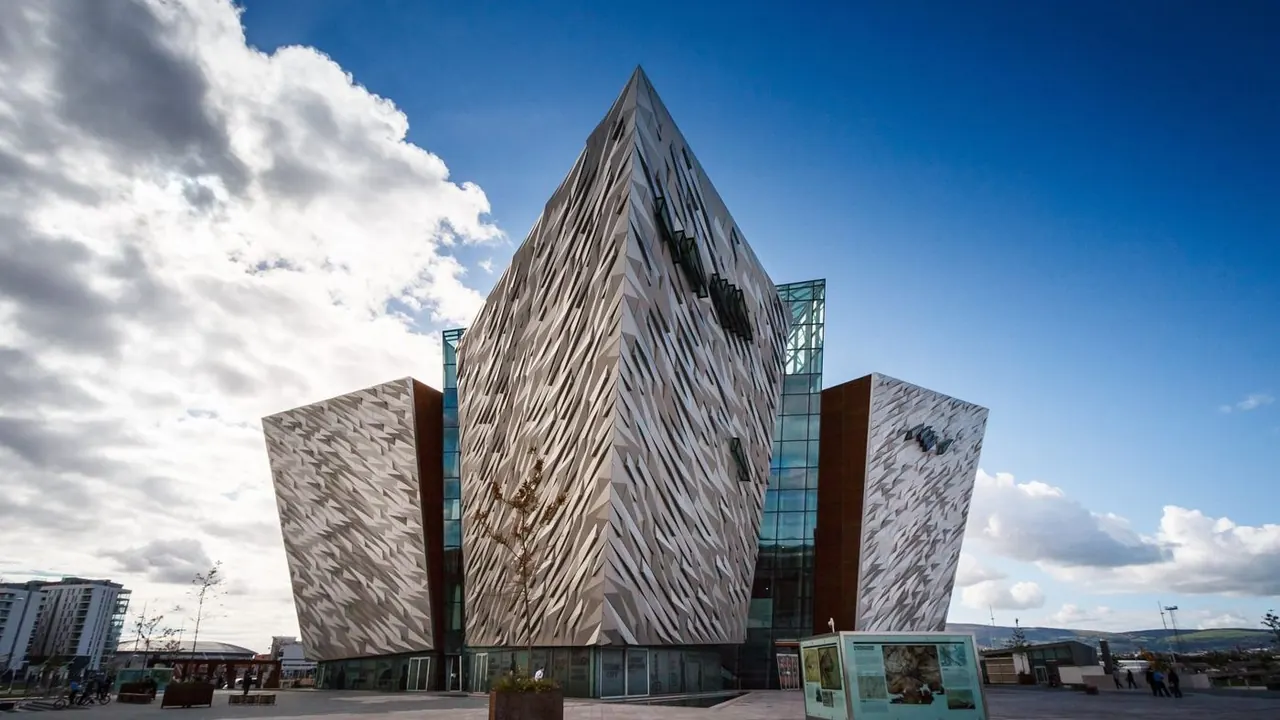
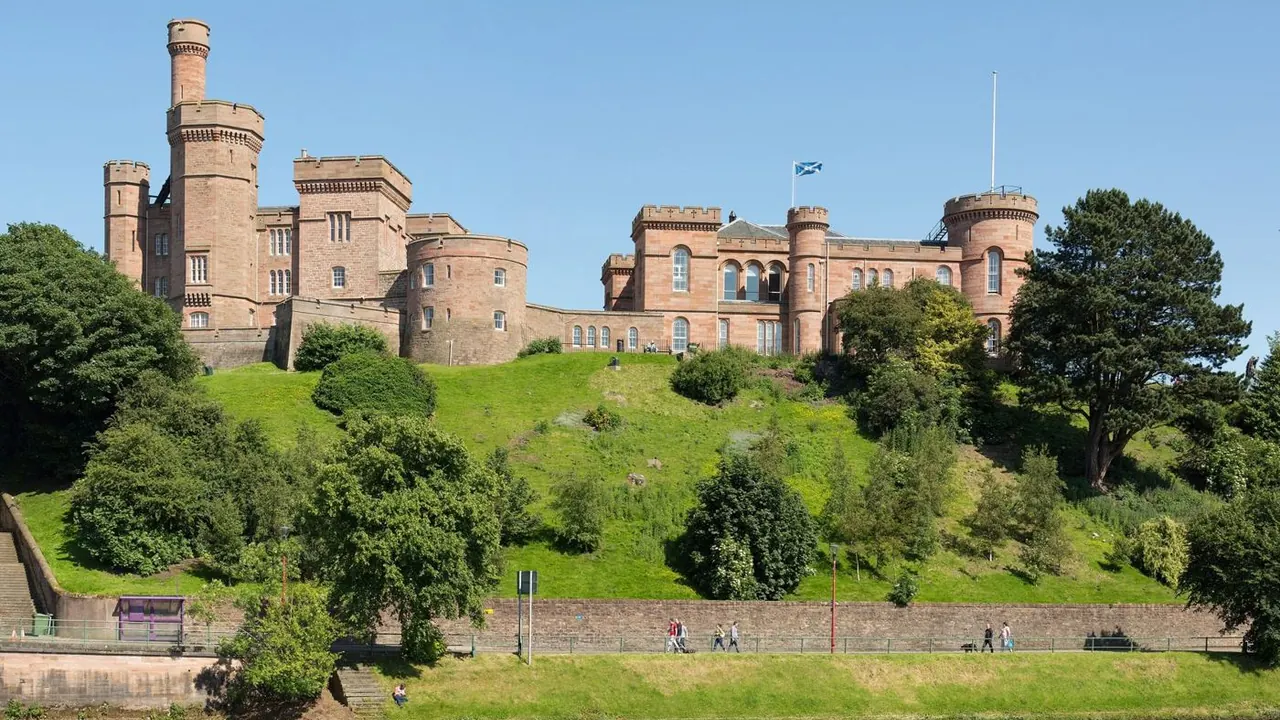
Photos: Belfast by Nico Kaiser, CC BY 2.0, cropped; Inverness by Diliff, CC BY-SA 3.0, cropped.
Belfast or Inverness?
Our verdict in twelve categories, each scored against the same fixed benchmark cities, and the climate month by month, so you can choose for your trip.
Choose Belfast for
- culture and sights
- nightlife
- live music and the arts
Belfast is the better choice if the city itself is the trip. It has more to see within walking distance, from Titanic Belfast and the shipyard cranes to the murals of the Falls and Shankill. The pubs, trad sessions and theatres of the Cathedral Quarter are livelier, and day trips reach Dublin, Derry and the Causeway Coast. Rooms are also kinder to the budget.
Choose Inverness for
- nature and the outdoors
- wellness
Inverness makes more sense as a base, with the Highlands as the reason for going. Loch Ness, Glen Affric and the Cairngorms all lie within about an hour, dolphins swim off Chanonry Point, and the quiet evenings suit people who leave early for the glens. Expect few sights in the town itself, and plan on a hire car or tours to reach everything else.
Scoreboard
Twelve categories on one fixed scale from 0 to 100. The shaded stretch is the gap between the two.
Your match
Pick a travel style or drag the sliders, and both match scores follow your weighting.
Wins on culture and sights and nightlife with your weighting.
Wins on nature and the outdoors and wellness with your weighting.
What matters to you?
Category by category
What the scores mean for a trip.
Beaches & swimming
Neither city is a beach destination. The water peaks at around 14°C in both, so swimming is left to hardy locals and wetsuits. What differs is the shore.
From Belfast, a short train ride along the lough reaches the small sandy coves of Helen's Bay and Crawfordsburn, and the long north coast strands are a longer drive. From Inverness, Nairn's broad sands are close by, and at Chanonry Point you may well see dolphins, which gives a walk along the shore more purpose.
Food & drink
You will eat better and with more choice in Belfast. Its modern kitchens in the Cathedral Quarter and along the Lisburn Road build seasonal menus around Mourne lamb, dry-aged beef and Strangford shellfish, with gastropubs beneath them. St George's Market makes a weekend morning of local cheese, fish and street food.
Inverness has a fine larder of its own, with langoustines, venison and smoked salmon, but only a handful of serious restaurants, and the better tables need booking in summer. Where it stands out is the drink. Its bars carry long lists of Highland and Speyside malts, while Belfast's pubs lean on carefully poured stout and Irish whiskey.
Culture & sights
Belfast has far more to see without leaving town. Titanic Belfast on the old slipways, the domed City Hall, the Ulster Museum, Crumlin Road Gaol and the peace walls of the Falls and Shankill tell the story of shipbuilding, linen and the Troubles, and tell it well.
In Inverness, the castle on its bluff, the cathedral across the river and a compact museum take up a morning. Its one weighty site, the battlefield at Culloden, is a drive east, and most of the region's history lies further out still.
Nightlife
Both are pub towns, but Belfast's evenings run longer and louder. The cobbled entries of the Cathedral Quarter, the Victorian snugs of the Crown Liquor Saloon and the student bars along Botanic Avenue make for lively weekends, even though there are few clubs.
Inverness is quieter by design. Its pubs cluster around Church Street and the riverside, where a slow dram of malt is the point of the evening, and the town is mostly asleep before midnight on weeknights, in step with visitors heading for the glens at dawn.
Nature & outdoors
This is where Inverness pulls ahead. Loch Ness begins twenty minutes away, Glen Affric and the Cairngorms are about an hour off, and Torridon and the road to Skye are within two hours. Add skiing around Aviemore and dolphins seen from the shore, and the range of wild country is hard to match.
Belfast still has more than most cities. Cave Hill and Divis are a short bus ride from the centre, the Mournes give real hill walking an hour south, and the Giant's Causeway anchors the north coast. That is enough for several good days out, but not a whole trip built around the outdoors.
Day trips
Belfast's days out vary more because they include other towns. Dublin is about two hours away by train, and walled Derry and cathedral Armagh are within reach. Carrickfergus Castle, the Ulster Folk Museum, Mount Stewart's gardens and the Antrim coast with Dunluce fill the days in between.
From Inverness, outings are mostly to single sites: Urquhart Castle, Cawdor, Fort George, the Clava Cairns and the Speyside distilleries. They are good ones, but a week of them means castles and whisky rather than a change of town, and most need a car or a tour.
Good for families
Both are calm, compact and easy to manage with children, so the difference is in the kind of day out. Belfast's draws are mostly in town and many are indoors: hands-on science at W5, Titanic Belfast for older children, the zoo on Cave Hill and the steam engines at the Ulster Folk and Transport Museum.
Inverness leans on the outdoors, with monster-hunting boat trips on Loch Ness, dolphins at Chanonry Point and castle ruins. The polar bears and snow leopards of the Highland Wildlife Park are under an hour away, and the Aquadome pool is the fallback when it rains.
Getting around
Both centres are small and flat enough to walk, but Belfast's transport reaches further. The Glider rapid buses cross the city, suburban trains run along the lough, and the cross-border line goes to Dublin. You will still want a car for the Mournes and the Causeway Coast.
Inverness has a central station with some of Britain's most scenic railway lines, west to Kyle of Lochalsh and north to Thurso. The glens, castles and distilleries, though, lie down single-track roads with few buses. Without a car or a tour, your days follow the timetable.
Shopping & style
Neither city is worth the trip for shopping, but Belfast has more of it: chains around Donegall Place, the glass-domed Victoria Square, independents on the Lisburn Road and craft and vintage stalls at St George's Market, with Irish linen as the souvenir to look for. Inverness takes an hour or two, with small shops in the Victorian Market and a good line in tartan, tweed, knitwear and malt whisky.
Affordability
Belfast is the easier city on the budget. Outside big event weekends, hotel rooms are fairly priced by British standards, and the Ulster Museum, the Botanic Gardens and City Hall tours are free. Meals, drinks and coast tours still cost what they do elsewhere in the UK.
In Inverness the rooms are the problem. A small supply of beds serves all the visitors touring Loch Ness and the Highlands, so rooms fill up and get much dearer in summer, and you can hardly avoid paying for a hire car or tours. Walking the landscape costs nothing, and outside July and August rooms are much cheaper.
Live music & performing arts
Belfast has the fuller stage. The Ulster Orchestra plays the Ulster Hall and the Waterfront Hall, the Grand Opera House stages touring musicals and opera, and the Lyric Theatre has a strong tradition of Irish drama. On most nights trad sessions and local bands fill the pubs and small venues.
Inverness has one anchor, Eden Court, which brings in touring theatre, dance and concerts, and the city has no orchestra of its own. Its distinctive side is Highland music: fiddle and accordion sessions in the pubs, and Gaelic song at the Highland Games in summer.
Wellness & relaxation
Unwinding in Belfast is a matter of slow walks in the Botanic Gardens or along the Lagan, an afternoon in a pub snug, or a cold dip in the lough if you are hardy. For anything more, the city has hotel spas and country-house hotels outside town, but no bathing tradition of its own.
Inverness offers much the same, with spas at country-house hotels around Loch Ness, but the town itself is slower to begin with. The Aquadome adds pools and a sauna in the centre, and a riverside walk round the Ness Islands ends easily with a dram by the fire.
When should you go?
Pick your month. The climate figures are measured averages, not a forecast.
Belfast in July
Inverness in July
Daytime high, °C
Rainfall in the month, mm
Where the figures come from
Inverness has no rain gauge within 25 km of the centre, so its rainfall comes from a gridded climate dataset read at the city rather than from a gauge further away.
Inverness's sunshine is measured 43 km from the centre, at Kinloss.
Temperature and rainfall are climate normals, averaged over the years shown. Belfast: 1991-2020 normals, Belfast / Aldergrove Airport (19.4 km from centre). Inverness: 2005-2020 (sunshine 1991-2020, rainfall 1991-2020) normals, Inverness / Dalcross (11.9 km from centre).
The two cities have almost the same temperatures all year. Daytime highs rise from about 7°C in midwinter to 19°C in July and August, so it is never too hot to walk the streets and never warm enough for a real beach day. The sea stays cold in both, good for a brisk dip and no more. Rain is the real difference. Inverness is wetter in every month except April and July, when Belfast edges ahead, and gets close to 100mm through much of the autumn and early winter. Inverness has a dry spring, with only about 80mm in March and April.
Late spring and early summer suit both cities best. May is the sunniest month in each, the evenings are long and Belfast's rain is at its lightest. In Inverness, the long daylight from May to September makes the most of the hills and glens. Winter brings short, dull days in both, and Belfast is the damper of the two.
Which traveller are you?
On a culture and arts trip, Belfast is the clear choice. Titanic Belfast, the Ulster Museum, Crumlin Road Gaol and the murals fill your days, and the Grand Opera House, the Lyric and the Ulster Orchestra fill your evenings. Inverness has Culloden and little else.
For an outdoors trip, choose Inverness. Loch Ness, Glen Affric's pine forest and the Cairngorms, with hiking, cycling and winter skiing, are all within about an hour, and Torridon and Skye are within two. Belfast's Mournes and Causeway Coast are superb, but there are fewer of them.
On a food and nightlife trip, Belfast is the better pick. Strangford oysters, seasonal tasting menus and St George's Market lead into an evening of pub rounds, trad sessions and Cathedral Quarter bands. Inverness offers good seafood and whisky bars, then goes quiet early.
Before you go
| Measure | Belfast | Inverness |
|---|---|---|
| Official language | English | English |
| Currency | Pound Sterling (GBP) | Pound Sterling (GBP) |
| Sockets | G230 V, 50 Hz | G230 V, 50 Hz |
| Driving side | Left | Left |
| Time zone | UTC, UTC+1 in summer | UTC, UTC+1 in summer |
| Emergency number | 112 or 999 | 112 or 999 |
| Elevation | 3 m | 7 m |
| Main airport | George Best Belfast City Airport (BHD)4 km from centre25 non-stop destinations | Inverness Airport (INV)12 km from centre15 non-stop destinations |
| Public holidays this year | 10 days | 10 days |
By the numbers
| Measure | Belfast | Inverness |
|---|---|---|
| City population | 345,006 | 47,380 |
| People per km² | 3,000 | 2,289 |
| Museums within 10 km | 8 | 3 |
| UNESCO World Heritage sites within 50 km | 1 | 0 |
| Swim season, months above 21 °C | None | None |
Where else could you go?
Every comparison below shares a destination with this one, so you can follow Belfast or Inverness somewhere new.