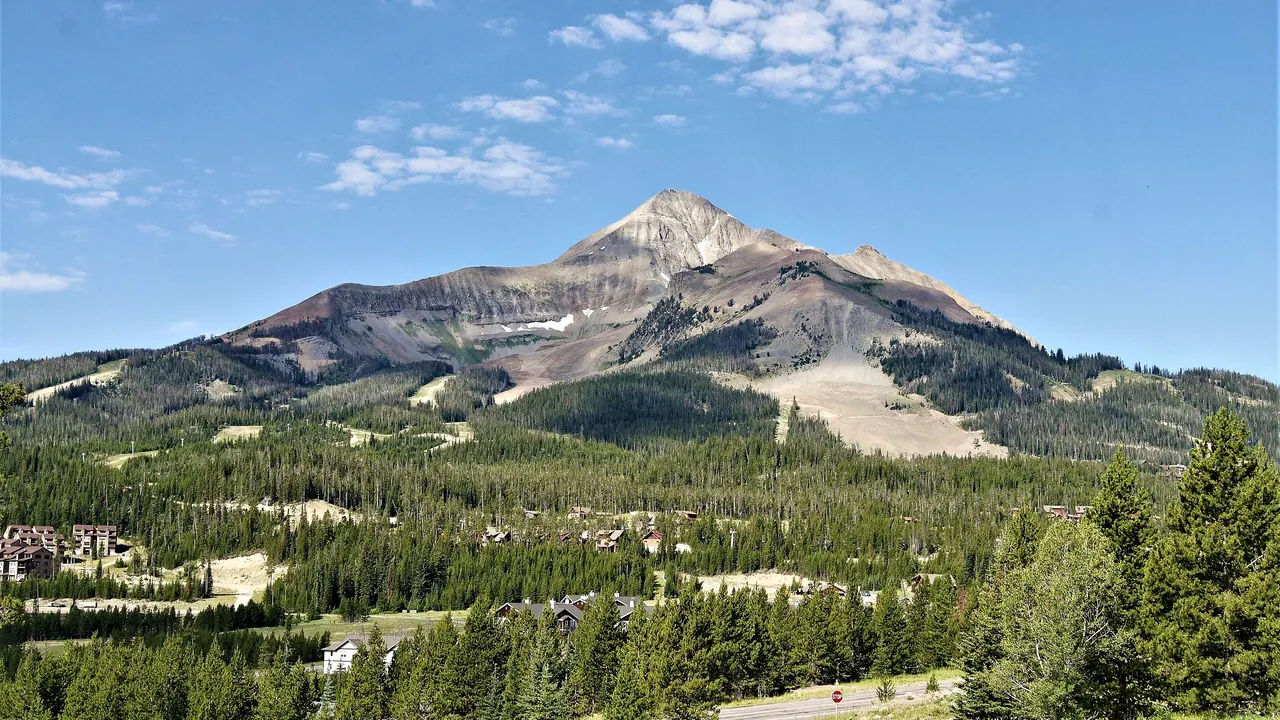
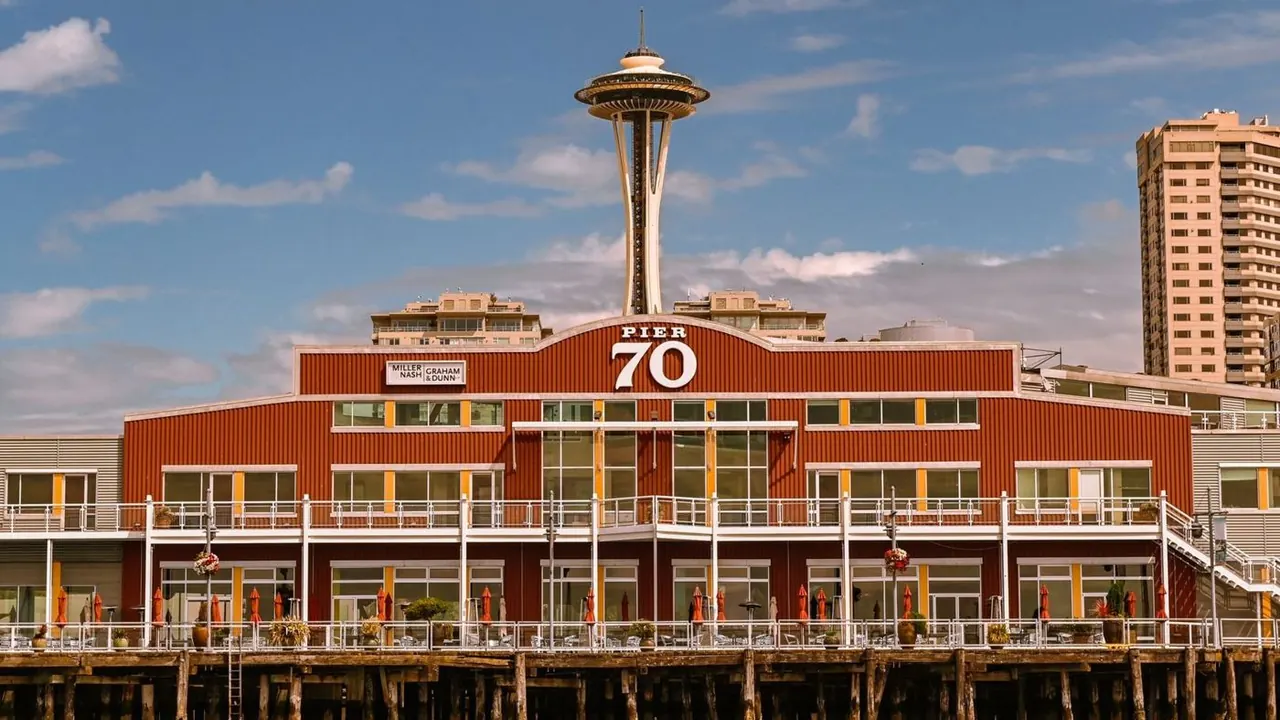
Photos: Big Sky by Greg Gjerdingen, CC BY 2.0, cropped; Seattle by Caio, Pexels License.
Big Sky or Seattle?
Our verdict in twelve categories, each scored against the same fixed benchmark cities, and the climate month by month, so you can choose for your trip.
Choose Big Sky for
- nature and the outdoors
Big Sky is for travellers whose whole plan is the mountain. It suits skiers who want long runs off Lone Peak without city crowds, and summer visitors who want to hike the Spanish Peaks, fish the Gallatin and drive into Yellowstone. In return they accept quiet evenings, a narrow choice of restaurants and a high bill.
Choose Seattle for
- live music and the arts
- culture and sights
- food and drink
Pick Seattle if the outdoors is to be one part of a fuller trip. Rainier, the Cascades and the islands of the Sound are all within reach, and the city adds seafood and Asian cooking, real museums, opera and ballet, a live band scene, the bars of Capitol Hill and a light rail line from the airport. Big Sky can offer none of that.
Scoreboard
Twelve categories on one fixed scale from 0 to 100. The shaded stretch is the gap between the two.
Your match
Pick a travel style or drag the sliders, and both match scores follow your weighting.
Wins on nature and the outdoors with your weighting.
Wins on live music and the arts and culture and sights with your weighting.
What matters to you?
Category by category
What the scores mean for a trip.
Beaches & swimming
Neither city is a beach destination, but Seattle at least has a shoreline to enjoy. Alki Beach and Golden Gardens have sand, bonfires and views of the Olympics, and in July and August the lifeguarded beaches on Lake Washington are warm enough for a proper swim.
Big Sky has nothing like that. The Gallatin is too cold and fast for swimming, so summer water time means a hotel pool or a quick paddle in a pond.
Food & drink
Seattle eats far better and with far more range. Between Pike Place Market, oysters and Dungeness crab from the Sound, serious coffee roasters and the Vietnamese, Japanese and Korean kitchens of the Chinatown-International District, you can eat differently every day for a week.
In Big Sky, food is fuel for the mountain: bison, elk, trout and pizza in Mountain Village, Town Center and the canyon roadhouses, plus a few more ambitious lodge kitchens. The menus repeat, some places close between seasons, and the nearest real variety is an hour away in Bozeman.
Culture & sights
Here the gap is wide. Big Sky was built from the 1970s on, and apart from the log cabins of Crail Ranch in Meadow Village its buildings are lodges and condos. History and museums mean a drive.
Seattle is not a heritage city either, but it fills two or three days well. There is the Space Needle and the Museum of Pop Culture at Seattle Center, the Seattle Art Museum, the Burke's Northwest Coast collections, the Museum of Flight and the brick blocks of Pioneer Square, rebuilt after the fire of 1889.
Nightlife
An evening in Big Sky is après-ski: drinks on the decks in Mountain Village, a few taverns in Town Center, a canyon saloon with a pool table, then an early night before the first lift. Out of ski season it goes almost silent.
Seattle has a real night out, centred on the cocktail bars, dive bars and dance floors along Pike and Pine on Capitol Hill, with Ballard's taprooms and Belltown's clubs as alternatives. Even so, the night ends at last call rather than running until dawn.
Nature & outdoors
Both are excellent bases for the outdoors, but Big Sky puts you inside the landscape rather than within sight of it. The skiing on Lone Peak starts at your door, summer lifts lead towards Beehive Basin and the Spanish Peaks, the Gallatin offers fly fishing and rafting, and Yellowstone's wildlife is about an hour away.
From Seattle, the mountains take a drive: under an hour to Snoqualmie Pass, about two to Rainier. What the city adds is water, with kayaks on Lake Union, ferries where orcas sometimes appear, and the Olympic Peninsula's rainforest across the Sound.
Day trips
From Big Sky, a day out usually means more landscape rather than another town. Bozeman, an hour down the canyon, has a Western main street and the dinosaur fossils of the Museum of the Rockies. The 1860s gold-rush boardwalks of Virginia City are about two hours away. After that, the choice soon runs out.
Seattle has more variety, and many of the best outings start with a ferry. Bainbridge Island is half an hour across the water, and longer crossings reach the farm villages of Whidbey and the Victorian seaport of Port Townsend. By road, there are tasting rooms at Woodinville and the Museum of Glass in Tacoma. Big Sky has no wine country or old harbour towns to compare with these.
Good for families
Seattle gives children more variety and more to do on wet days. There is Woodland Park Zoo, the aquarium, the Pacific Science Center and the space shuttle trainer at the Museum of Flight, plus lake beaches in summer.
Big Sky suits outdoorsy families well, with ski school and beginner slopes in winter and zip lines, ropes courses and Yellowstone's bison in summer. But there is nothing indoors to fall back on, and the altitude of Mountain Village tires small children at first.
Getting around
You can do Seattle without a car. The centre is walkable, if hilly, and Link light rail runs from the airport through downtown to Capitol Hill. Buses, the monorail and the ferries all work on the same card, and only the national parks really need a car.
Big Sky stretches along about 15km of road. A free bus links the villages and ski-in lodgings help, but the airport is an hour away, Yellowstone needs a hired car, and the canyon road takes care in winter.
Shopping & style
Seattle offers proper shopping: department stores downtown, big outdoor gear stores, makers' stalls at Pike Place, and vintage and record shops on Capitol Hill, Fremont and Ballard. Big Sky has ski gear, a few Western-style boutiques and wildlife art galleries, and anyone who wants more drives to Bozeman.
Affordability
Neither is cheap, but Big Sky is harder on the wallet. Lift passes, slopeside lodging, ski school and guided fishing add up fast, and saving money means staying in the canyon or in Bozeman and driving more.
Seattle is expensive too, but there are more ways to keep costs down. You can use public transport instead of a car, eat at teriyaki shops and Pike Place counters, and stay in outer neighbourhoods near the light rail.
Live music & performing arts
Seattle has a full stage calendar. There is Seattle Opera and Pacific Northwest Ballet at McCaw Hall, the symphony at Benaroya Hall, and musicals at the Paramount and the 5th Avenue. Clubs in Belltown and Capitol Hill carry on the city's Hendrix and grunge story.
Big Sky's programme is small and seasonal. Chamber music and touring acts play at the Meadow Village arts centre in winter, and summer brings free lawn concerts and a short classical festival. Apart from the après-ski bands, there is little in between.
Wellness & relaxation
Neither city has a bathing tradition, and in both, relaxing is pleasant rather than distinctive. In Big Sky it means a hot tub under the stars and a lodge spa massage for tired ski legs, in a place that goes quiet at night.
Seattle's version is urban: Korean-style bathhouses with steam and scrubs in the suburbs, walks in the Japanese Garden and slow mornings in coffee houses. In both places, natural hot springs are a drive away.
When should you go?
Pick your month. The climate figures are measured averages, not a forecast.
Big Sky in July
Seattle in July
Daytime high, °C
Rainfall in the month, mm
Where the figures come from
Big Sky has no weather station within reach, so its figures come from a gridded climate model rather than a measured record, and read a broad area rather than the city itself.
Temperature and rainfall are climate normals, averaged over the years shown. Big Sky: 2001-2020 normals, NASA POWER reanalysis grid, no weather station within 90 km. Seattle: 1991-2020 (sunshine 1981-2010) normals, Seattle-Tacoma Airport (17.3 km from centre).
Big Sky has two seasons. From December to February days stay below freezing, at about -4°C, and snow lies from late autumn into April, which is what skiers come for. Rain peaks in May and June. July and August are the summer window, with highs near 26°C, dry weather and cool nights. That is ideal for hiking but short, and by October the cold is back.
Seattle never freezes the way Big Sky does, but its winter is the wet season. From November to January the rain is heaviest, up to 160mm a month, and the days are grey and short. Late spring changes things: July is almost dry at 15mm, and the sunniest weeks of the year run through August into September, the best time for walking the city, taking the ferries and getting into the mountains. Even then Puget Sound stays near 12°C, so the lakes are the place for a summer swim.
Which traveller are you?
For an outdoors trip, Big Sky is the choice. Lone Peak's ski terrain, the Spanish Peaks trails and fly fishing on the Gallatin are on the doorstep, with Yellowstone an hour south. From Seattle, every mountain day starts with a drive.
On a culture and arts trip, Seattle wins easily. It has museums from the Seattle Art Museum to the Museum of Flight, alongside opera, ballet, a symphony and live bands most nights. Big Sky has one homestead museum and a small seasonal concert programme.
For a food and nightlife trip, go to Seattle. Oysters, crab and Asian cooking by day and the bars of Capitol Hill at night easily beat Big Sky's hearty resort menus and an après-ski scene that ends early.
Before you go
| Measure | Big Sky | Seattle |
|---|---|---|
| Currency | US Dollar (USD) | US Dollar (USD) |
| Sockets | AB120 V, 60 Hz | AB120 V, 60 Hz |
| Driving side | Right | Right |
| Time zone | UTC-7, UTC-6 in summer | UTC-8, UTC-7 in summer |
| Emergency number | 911 | 911 |
| Elevation | 2,200 m | 40 m |
| Main airport | Bozeman Yellowstone International Airport (BZN)59 km from centre27 non-stop destinations | Seattle–Tacoma International Airport (SEA)18 km from centre136 non-stop destinations |
| Public holidays this year | 12 days | 11 days |
By the numbers
| Measure | Big Sky | Seattle |
|---|---|---|
| City population | 3,591 | 737,015 |
| People per km² | 12 | 1,996 |
| Museums within 10 km | 0 | 28 |
| UNESCO World Heritage sites within 50 km | 0 | 0 |
| Swim season, months above 21 °C | - | None |
Where else could you go?
Every comparison below shares a destination with this one, so you can follow Big Sky or Seattle somewhere new.
- Victoriavs Seattle
- Vancouvervs Seattle
- Jackson Holevs Big Sky
- Portlandvs Seattle
- Whistlervs Seattle
- Sun Valleyvs Big Sky