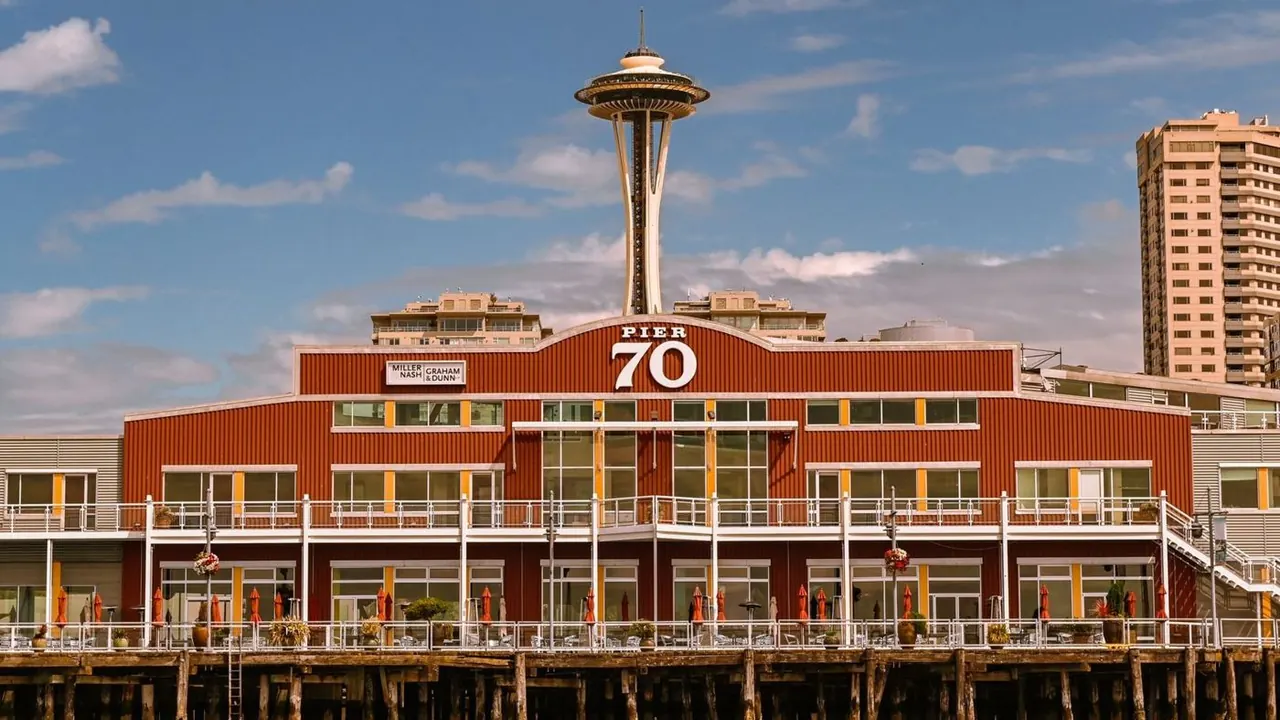
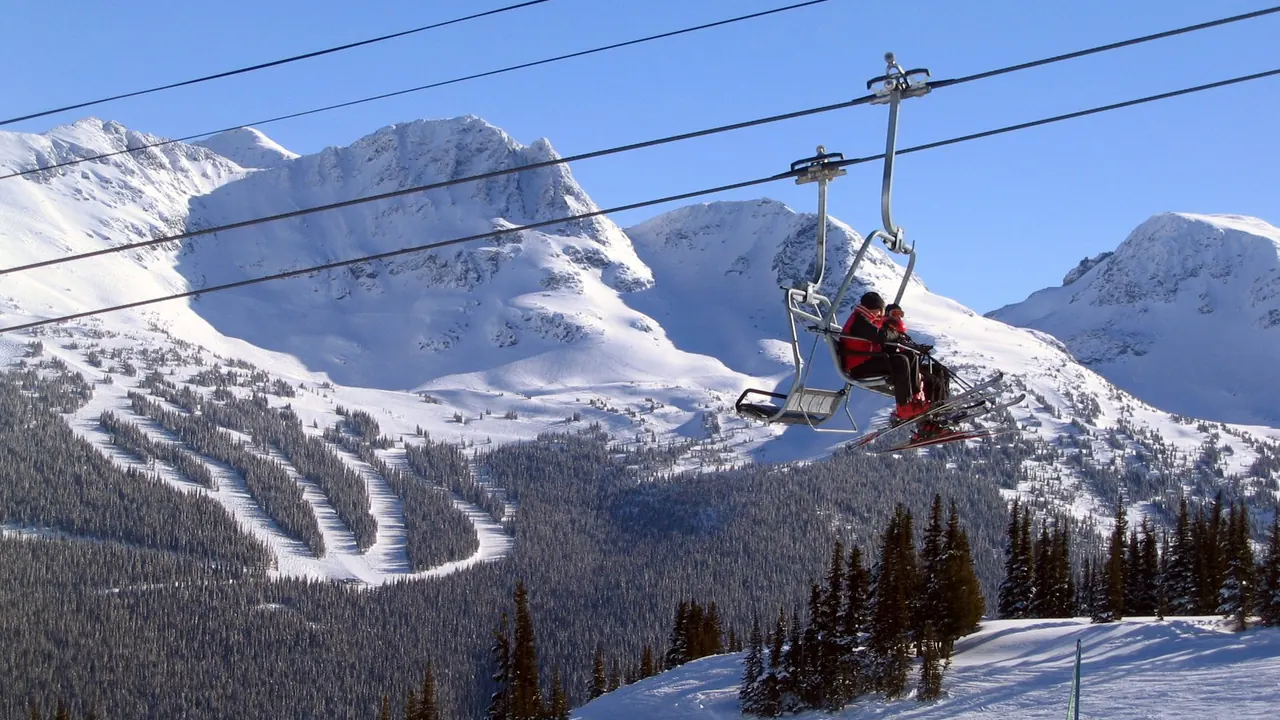
Photos: Seattle by Caio, Pexels License; Whistler by Ruth Hartnup, CC BY 2.0, cropped.
Seattle or Whistler?
Our verdict in twelve categories, each scored against the same fixed benchmark cities, and the climate month by month, so you can choose for your trip.
Choose Seattle for
- live music and the arts
- culture and sights
- food and drink
Seattle is the better choice for a city trip with variety. It has a proper food scene built on oysters, crab and salmon, a stage calendar with opera, ballet and a symphony, and enough museums and neighbourhoods to fill several days. The Cascades and Mount Rainier are still within a day's drive. It suits travellers who want restaurants and evenings out, with the mountains as a backdrop.
Choose Whistler for
- wellness
- nature and the outdoors
- getting around
Whistler is a place to go for the mountains themselves. Two huge ski mountains, a famous summer bike park and the lakes of Garibaldi sit right outside a car-free village, and a forest spa takes care of tired legs at the end of the day. Come for skiing, riding or hiking, with long soaks between them, and accept that culture, shopping and nightlife here are thin.
Scoreboard
Twelve categories on one fixed scale from 0 to 100. The shaded stretch is the gap between the two.
Your match
Pick a travel style or drag the sliders, and both match scores follow your weighting.
Wins on live music and the arts and culture and sights with your weighting.
Wins on wellness and nature and the outdoors with your weighting.
What matters to you?
Category by category
What the scores mean for a trip.
Beaches & swimming
Neither place is somewhere to go for the beach, and in both the real swimming is in lakes that reach about 20°C in high summer. The difference is the setting. Seattle also has sandy strips on salt water at Alki and Golden Gardens, which are good for bonfires and sunsets over the Olympics but too cold for most swimmers. Its lifeguarded beaches on Lake Washington make easy city afternoons.
Whistler has no sea at all. What it offers is Lost Lake, Alta Lake and Alpha Lake, with docks and rafts, a short walk or bike ride from the village, so a swim fits neatly after a hike.
Food & drink
Seattle eats much better, and the gap shows on any visit longer than a weekend. Pike Place Market, the raw bars serving oysters and Dungeness crab, the serious coffee roasters and the Vietnamese, Korean and Japanese cooking in the International District give you real range, plus the local teriyaki shops for cheap meals.
Whistler has a few ambitious kitchens with strong British Columbia wine cellars, and its après patios are fun. But there is no market or street food, and after a few nights you are eating along the same streets again.
Culture & sights
Seattle has a good deal more to see. That means the Space Needle and the Museum of Pop Culture at Seattle Center, the Asian art in Volunteer Park, the brick blocks of Pioneer Square and the vast Museum of Flight, enough for two or three full days.
Whistler fills a morning or two. The Audain Art Museum's Emily Carr paintings and First Nations masks and the Squamish Lil'wat Cultural Centre are both worth a visit, and the 2010 Olympic venues are worth a look. After that, sightseeing gives way to the mountains.
Nightlife
Seattle offers the broader night out. Capitol Hill's Pike and Pine streets have cocktail bars, dive bars, dance floors and the city's LGBTQ+ scene. Ballard and Fremont add brewery taprooms and relaxed pubs, though things wind down at last call.
Whistler's nightlife depends on the season. In winter, après-ski on the gondola-base patios runs into a few clubs packed with seasonal workers and groups, and they stay loud late. Outside the ski season and the summer bike festivals, dinner is usually the whole evening.
Nature & outdoors
Both are excellent bases for the outdoors, but Whistler puts it on the doorstep. Whistler and Blackcomb offer more than 200 runs, glaciers and deep Coast Mountains snow, and you reach them from the village by gondola. In summer the lower slopes become a downhill bike park and Garibaldi's turquoise lakes are within hiking reach.
Seattle's nature is spread wider and takes more driving. Snoqualmie's trails and ski areas are under an hour away, Mount Rainier is about two hours, and the Olympic rainforest lies across the Sound. In town, kayaking on Lake Union and walks in Discovery Park fill the gaps.
Day trips
Seattle has many more easy outings. Ferries cross to Bainbridge Island, Whidbey Island and Victorian Port Townsend, the Woodinville tasting rooms are half an hour away, and Tacoma's glass and railway-station museums are about an hour south.
From Whistler, what lies within reach is mostly wilderness. Pemberton, Squamish's Sea to Sky Gondola and the Britannia mine museum make short stops. Vancouver is the one big outing, and at about two hours each way many people stay the night.
Good for families
Both work well with children, but in different ways. Seattle is a city vacation built on attractions: Woodland Park Zoo, the aquarium on the waterfront, the Pacific Science Center and the Museum of Flight, with the monorail and the ferries as treats in themselves. Its steep streets and wet months take some planning.
Whistler is an activity vacation. The car-free village, large ski schools, tubing and sledding fill winter days, and in summer there are lake beaches, mini-golf and gondola rides to spot marmots and bears. Self-catering flats make family meals simple. On a rainy day, though, there is no museum to fall back on, and the youngest usually do better in July than in freezing midwinter, when the village patios get loud after the lifts close.
Getting around
Whistler is simpler to get around once you are there. The village is pedestrian-only, the gondolas leave from its edge, and free shuttles and the Valley Trail cover the rest. Leaving the valley, though, means a coach or a car on a highway that can be hard going in snow.
Seattle needs more effort. The centre is walkable, though hilly, and light rail links the airport, downtown and Capitol Hill. But water and hills split up the neighbourhoods, buses to Ballard or Alki are slow, and you need a car for the national parks.
Shopping & style
Seattle gives you far more to browse. Downtown has department stores and big outdoor gear shops, and Pike Place has makers' stalls. Capitol Hill has vintage and record shops, Fremont has a Sunday market and Ballard has design stores, with Bellevue's malls across the lake for luxury.
Whistler's village is mostly ski, board and bike shops, very good for gear and tuning, with a few galleries selling Indigenous prints and carvings. For much else you will come home empty-handed.
Affordability
Neither place is cheap, but Whistler costs more. Its lift passes are among the world's most expensive, slopeside rooms climb steeply over Christmas, and village meals, rentals and lessons quickly add up for a family. Kitchens, free shuttles and spring or autumn dates help.
Seattle is expensive too, with high hotel rates in summer and tax and tipping on every restaurant bill. Still, transit, food halls and staying near the light rail outside the centre keep a city break within easier reach.
Live music & performing arts
Seattle is far ahead here. Seattle Opera and Pacific Northwest Ballet perform at McCaw Hall, the Symphony plays a full season at Benaroya Hall, and the 5th Avenue and Paramount stage musicals. The city of Hendrix and grunge still has bands playing in Belltown, Capitol Hill and Ballard most nights.
Whistler offers free summer concerts in Olympic Plaza, buskers and pub cover bands. For a play or an orchestra, you would drive down to Vancouver.
Wellness & relaxation
Whistler is better for rest and treatments. Its Nordic-style outdoor spa among the cedars, with hot pools, saunas, cold plunges and a rule of silence, is a reason to book in itself. Hotel spas and massage studios cater to sore legs after the slopes.
Seattle has hotel spas and a few Korean-style bathhouses in the suburbs. Its relaxation is mostly informal: slow coffee-house mornings and quiet hours in the Japanese Garden and the Arboretum.
When should you go?
Pick your month. The climate figures are measured averages, not a forecast.
Seattle in July
Whistler in July
Daytime high, °C
Rainfall in the month, mm
Where the figures come from
Whistler has no rain gauge within 25 km of the centre, so its rainfall comes from a gridded climate dataset read at the city rather than from a gauge further away.
Temperature and rainfall are climate normals, averaged over the years shown. Seattle: 1991-2020 normals, Seattle-Tacoma Airport (17.3 km from centre). Whistler: 1991-2020 normals, Whistler - Nesters (1.1 km from centre).
Both places are at their best in July and August, when daytime highs reach about 25°C and the lakes are warm enough for a swim. Seattle's summer is unusually dry, with only 15mm of rain in July, and September stays warm and settled, so sightseeing on foot works from May to September. The sea off Seattle never gets far past 12°C, even in late summer, so people swim in the lakes rather than in Puget Sound.
From October to March Seattle is mild but grey and wet. It is cool enough for a coat, but rarely too cold to walk around. Whistler's winter is much colder, with highs close to freezing in December and January. November is its wettest month at nearly 200mm, which falls as deep snow on the mountains, and that is what the ski season runs on. Spring and autumn are quiet in Whistler and changeable in both places.
Which traveller are you?
On a culture and arts trip, Seattle is the clear choice. It has the Seattle Art Museum, the Burke Museum and the Museum of Flight, plus opera, Pacific Northwest Ballet and a symphony season. Whistler has two good small museums and very little on stage.
For a food and nightlife trip, Seattle wins as well. You can eat oysters and crab at Pike Place, go out among the cocktail bars and live music clubs on Capitol Hill, and choose from a wide range of Asian cooking. Whistler's evenings mostly mean après-ski, nachos and loud clubs in winter.
On a relaxing and wellness trip, Whistler suits you better. Its Nordic-style spa in the cedars, the hotel spas and the calm lake mornings outside peak season make slowing down easy. In Seattle, rest means coffee houses and garden walks rather than treatments.
Before you go
| Measure | Seattle | Whistler |
|---|---|---|
| Official language | - | French, English |
| Currency | US Dollar (USD) | Canadian Dollar (CAD) |
| Sockets | AB120 V, 60 Hz | AB120 V, 60 Hz |
| Driving side | Right | Right |
| Time zone | UTC-8, UTC-7 in summer | UTC-8, UTC-7 in summer |
| Emergency number | 911 | 911 |
| Elevation | 40 m | 670 m |
| Main airport | Seattle–Tacoma International Airport (SEA)18 km from centre135 non-stop destinations | Vancouver International Airport (YVR)104 km from centre109 non-stop destinations |
| Public holidays this year | 11 days | 11 days |
By the numbers
| Measure | Seattle | Whistler |
|---|---|---|
| City population | 737,015 | 13,982 |
| People per km² | 1,996 | 58 |
| Museums within 10 km | 27 | 1 |
| UNESCO World Heritage sites within 50 km | 0 | 0 |
| Swim season, months above 21 °C | None | - |
Where else could you go?
Every comparison below shares a destination with this one, so you can follow Seattle or Whistler somewhere new.