Canada
Whistler
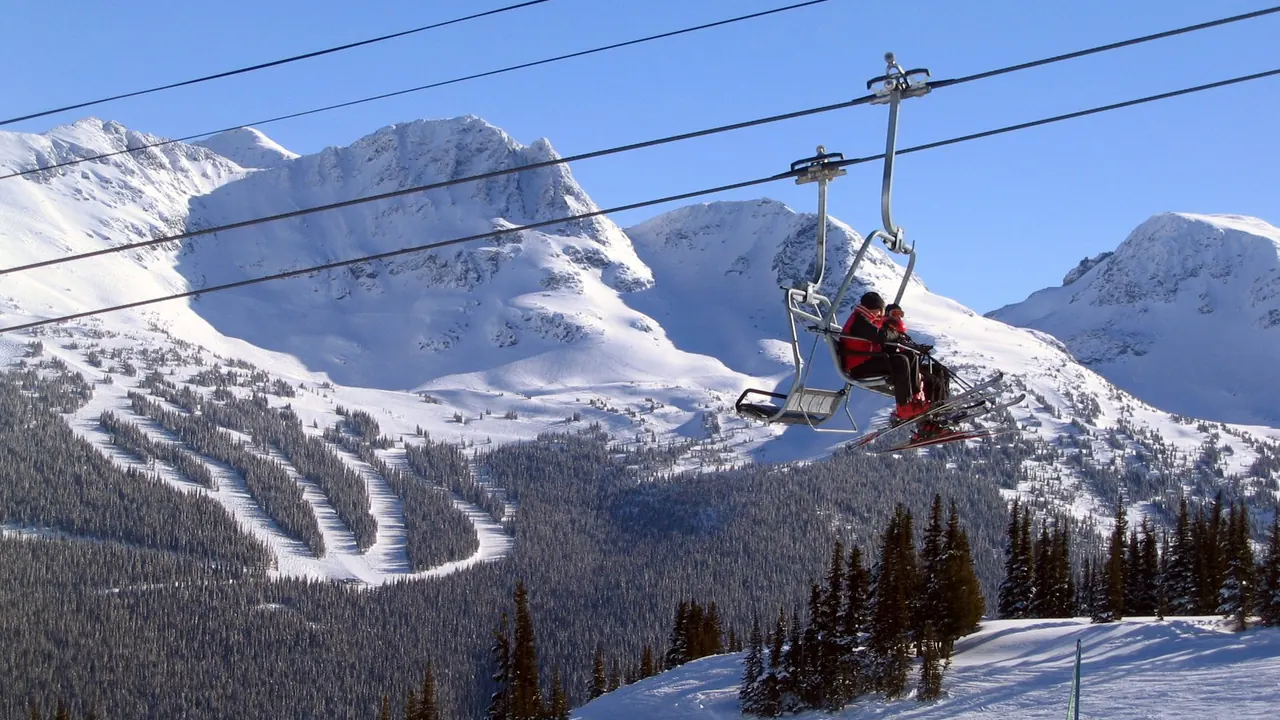
A chairlift and the runs on Whistler Mountain
- Nature & outdoors97
- Families68
- Getting around68
Photo: Ruth Hartnup, CC BY 2.0, cropped
Match
43
Every category weighted equally
- Beach & sun44
- Culture & arts37
- Food & nightlife37
- Family trip47
- Outdoors48
- Relax & unwind46
- Shopping & style40
- On a budget39
Whistler in twelve categories
Our verdict on each, scored 0 to 100 against the same fixed benchmark cities, so a score means the same thing on every page.
Beaches & swimming. Scores 30 out of 100.
Food & drink. Scores 40 out of 100.
Culture & sights. Scores 20 out of 100.
Nightlife. Scores 42 out of 100.
Nature & outdoors. Scores 97 out of 100.
Day trips. Scores 30 out of 100.
Good for families. Scores 68 out of 100.
Getting around. Scores 68 out of 100.
Shopping & style. Scores 30 out of 100.
Affordability. Scores 12 out of 100.
Live music & performing arts. Scores 15 out of 100.
Wellness & relaxation. Scores 60 out of 100.
Whistler category by category
Beaches & swimming
30Whistler has no sea, but in July and August its valley lakes become the town's summer beaches. Lost Lake has a sandy shore and a dock within walking distance of the village, and Alta Lake and Alpha Lake have grassy parks, rafts and jetties. The shallower lakes reach about 20°C in a warm spell. Green Lake is glacier-fed and stays cold and milky.
It is pleasant lake bathing for an afternoon after a hike or a ride, not a reason to come. The season is short, and from autumn to late spring the water is far too cold for anyone but the hardiest.
Food & drink
40For a resort town, Whistler eats better than you might expect. The village has a cluster of ambitious restaurants cooking Pacific Northwest produce, such as BC salmon, spot prawns and Fraser Valley meat and vegetables, with long British Columbia wine lists and some of the most serious cellars in the province. Around them are pubs, ramen and sushi counters, bakeries and breakfast spots full of skiers.
Après-ski is the real local food ritual, with nachos, burgers and craft beer on the patios at the foot of the gondolas. The range is still narrow, though. There is no street food or market culture, and a week here means eating around the same few streets.
Culture & sights
20Whistler is a purpose-built resort with no old town, and few people come here for sightseeing. It does have two institutions worth a few hours. The Audain Art Museum is a striking building in the forest, with an important collection of British Columbia art: Emily Carr paintings and fine Northwest Coast First Nations masks. The Squamish Lil'wat Cultural Centre tells the story of the two nations whose land this is, through carving, weaving and guided talks.
The Olympic rings and venues from the 2010 Winter Games are pleasant to see. Beyond these, the village is about mountains, not monuments.
Nightlife
42Whistler has a reputation as a party resort and partly deserves it. Après-ski starts as the lifts close, on the packed patios at the base of the mountains. Later in the evening a handful of clubs and late bars in the pedestrian village fill with seasonal workers, Australians on working visas and visiting groups, and they stay loud until the early hours on winter weekends.
It is fun but one-note: young, beery and built around ski days. Outside the ski season and the big summer bike festivals, the village goes quiet early, and couples and families will find dinner the main event of the night.
Nature & outdoors
97Whistler is one of the world's great mountain bases. Whistler and Blackcomb are two huge mountains joined by the Peak 2 Peak Gondola, with more than 200 marked runs, glaciers, open alpine bowls and deep Coast Mountains snow from late November into spring. Cross-country trails and snowshoe routes wind through the valley at the Olympic Park.
In summer the lower mountain becomes a famous downhill bike park, and the valley has a dense web of singletrack. Hikers climb to the turquoise lakes of Garibaldi Provincial Park, walk the high trails from the gondolas or follow the flat Valley Trail between lakes. Paddlers float the River of Golden Dreams, and black bears are a common sight on the ski slopes in early summer.
Day trips
30Whistler sits at the end of the Sea to Sky Highway, and most of what lies within reach is wilderness, not places. The towns are few. Pemberton is a farming village about half an hour north. Squamish, about 45 minutes south, has a small downtown and the Sea to Sky Gondola, and the old Britannia copper mine has become a mining museum on the drive down.
The one big outing is Vancouver, about two hours away by car or coach along a famously scenic road. That is a long day for a full city, so many visitors stay there a night instead.
Good for families
68Whistler works well as a family ski resort. The village is car-free, the ski schools are large and well run, the gentle runs from the gondolas suit beginners, and tubing and sledding fill the gaps between lessons. Lodgings with kitchens are common, which suits families.
In summer, children have lake beaches, a mini-golf course and adventure park at the base of Blackcomb, easy bike paths and gondola rides to see marmots and bears. What it lacks are the usual city attractions: there is no zoo, aquarium or science museum. Small children may find winter cold and the busy après crowd in the evenings harder going.
Getting around
68Inside the resort, getting around is easy. The village is pedestrian-only, and the gondolas to both mountains leave from its edge, so many visitors never need a vehicle. Free village shuttles and local buses link the hotels and neighbourhoods along the valley. The paved Valley Trail runs for kilometres between lakes and parks for walking and cycling, and in winter it is groomed for cross-country skiing.
There is no passenger railway. Most people arrive by airport coach from Vancouver, and trips beyond the valley mean a car, a coach or a tour. In heavy snow, the Sea to Sky Highway calls for winter tyres and patience.
Shopping & style
30Shopping in Whistler means the pedestrian village, where most storefronts sell skis, boards, bikes and technical outerwear, from big Canadian outdoor brands to specialist tuning and rental shops. Between them are a few clothing boutiques, art galleries selling Indigenous prints and carvings, and souvenir shops. A summer farmers' market runs in the Upper Village.
For gear it is excellent. For anything else the range is thin, and prices reflect the resort setting.
Affordability
12Whistler is an expensive place to vacation, especially in winter. Lift passes are among the costliest in the world. Slopeside hotels and condos charge resort prices, and those prices climb steeply over Christmas and New Year. Eating out in the village is priced for visitors, and rentals and lessons add up quickly for a family.
There are ways to ease it. Lodgings with kitchens let you cook, local shuttles are free, staying further down the valley costs less, and spring and autumn are much cheaper than the peak winter weeks. It is never a budget destination, though.
Live music & performing arts
15Live performance is a small part of Whistler. In summer, Olympic Plaza hosts free outdoor concerts and the village streets have buskers, while a small community arts centre stages local theatre and touring shows. Pubs book cover bands and DJs during the ski season.
There is no theatre season, orchestra or regular jazz club. Anyone who wants a proper concert or a play will need to make the trip down to Vancouver.
Wellness & relaxation
60Wellness is a real part of a Whistler stay, built around tired legs after skiing or riding. The highlight is a large Nordic-style outdoor spa in the forest beside the river. It has hot pools, saunas, steam rooms and cold plunges set among cedars, and guests keep silent, which makes soaking under falling snow a memorable evening. Most of the big hotels have full spas, and massage studios aimed at sore skiers are everywhere.
The pace depends on the season. Peak winter weekends are busy and loud in the village. Late spring, early autumn and quiet lakeside mornings are calm, and a slow week of walks, soaks and long dinners is easy to arrange.
When should you go?
Pick a month to see what it is like. The climate figures are measured averages, not a forecast.
Whistler in July
Daytime high, °C
Rainfall in the month, mm
The whole year
Shaded against this city’s own year: the deepest cell is its best month for that figure and the palest its weakest.
Where the figures come from
Whistler has no rain gauge within 25 km of the centre, so its rainfall comes from a gridded climate dataset read at the city rather than from a gauge further away.
Temperature and rainfall are climate normals, averaged over the years shown. Whistler: 1991-2020 normals, Whistler - Nesters (1.1 km from centre).
Before you go
| Measure | Whistler |
|---|---|
| Official language | French, English |
| Currency | Canadian Dollar (CAD) |
| Sockets | AB120 V, 60 Hz |
| Driving side | Right |
| Time zone | UTC-8, UTC-7 in summer |
| Emergency number | 911 |
| Elevation | 670 m |
| Main airport | Vancouver International Airport (YVR)104 km from centre109 non-stop destinations |
| Public holidays this year | 11 days |
By the numbers
| Measure | Whistler |
|---|---|
| City population | 13,982 |
| People per km² | 58 |
| Museums within 10 km | 1 |
| UNESCO World Heritage sites within 50 km | 0 |
Compare Whistler with
Every comparison with a written verdict behind it.