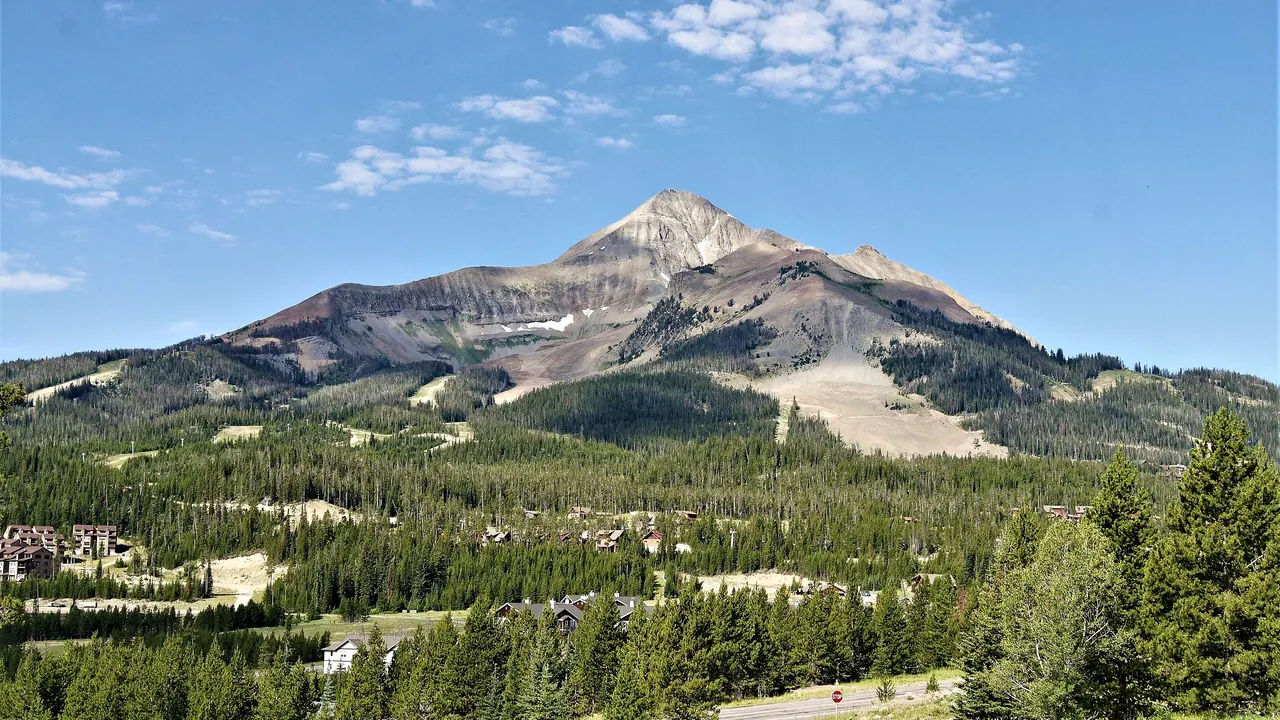
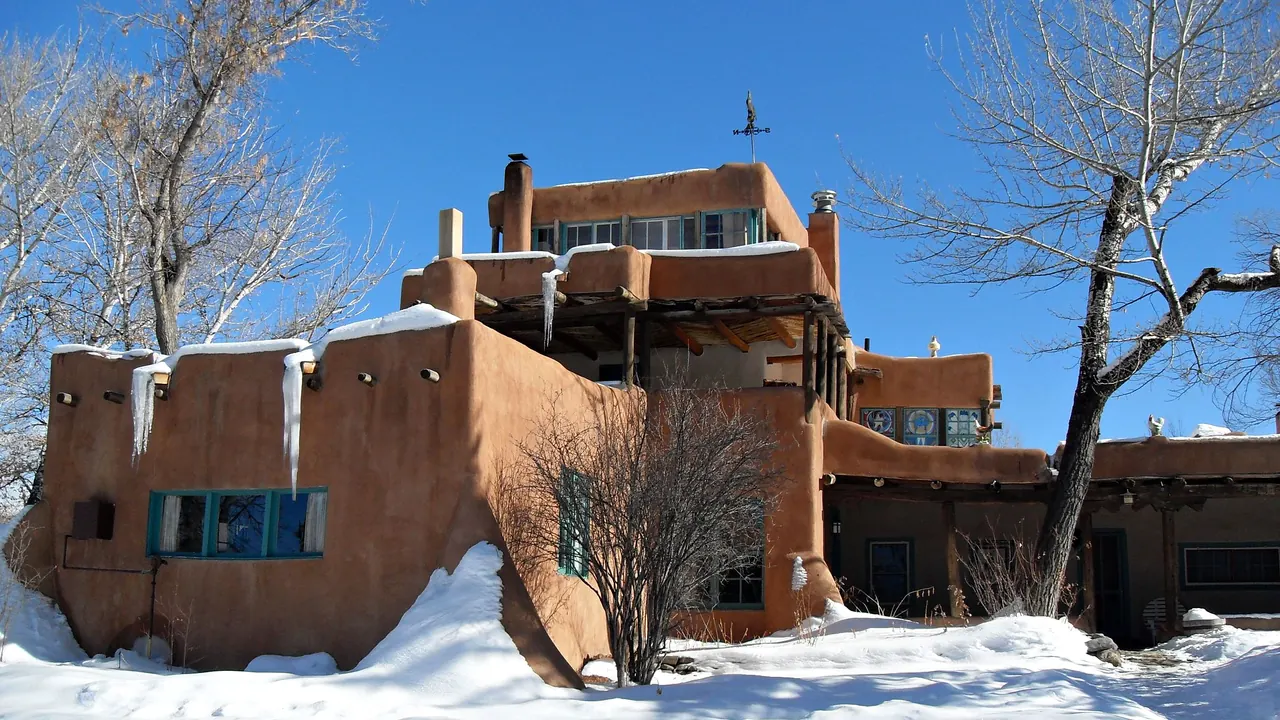
Photos: Big Sky by Greg Gjerdingen, CC BY 2.0, cropped; Taos by PhictureGal, CC BY-SA 3.0, cropped.
Big Sky or Taos?
Our verdict in twelve categories, each scored against the same fixed benchmark cities, and the climate month by month, so you can choose for your trip.
Choose Big Sky for
- families
- nature and the outdoors
- getting around
Choose Big Sky if the mountain is the whole trip. Lone Peak and its enormous ski area, the Spanish Peaks backcountry and Yellowstone an hour south give it the bigger outdoor playground. The summer adventure park at the base makes it the easier choice for families. In return you pay steep resort prices, and there is very little to do away from the slopes and trails.
Choose Taos for
- culture and sights
- day trips
- prices
Taos suits travellers who want mountains with a sense of place. A thousand years of life at Taos Pueblo, an old art colony, red and green chile, the High Road to Santa Fe and the hot pools at Ojo Caliente give you plenty to fill the days off the trail. It also costs noticeably less than Big Sky. The skiing and hiking are excellent, just on a slightly smaller stage.
Scoreboard
Twelve categories on one fixed scale from 0 to 100. The shaded stretch is the gap between the two.
Your match
Pick a travel style or drag the sliders, and both match scores follow your weighting.
Wins on families and nature and the outdoors with your weighting.
Wins on culture and sights and day trips with your weighting.
What matters to you?
Category by category
What the scores mean for a trip.
Beaches & swimming
Neither town has anywhere to swim. Both are high and far inland, and their rivers are for rafting, not swimming. The difference is in what replaces a beach: in Big Sky it is a quick paddle in a pond or a picnic beside the icy Gallatin, while in Taos it is a warm soak in the hot springs at the bottom of the Rio Grande gorge.
Food & drink
Taos eats better, mainly because it has a cuisine of its own. Posole, carne adovada and blue-corn dishes come smothered in red or green chile at old family-run places around the plaza and on the road to Ranchos, and horno bread from the Pueblo adds something you won't find elsewhere.
Big Sky serves hearty resort food: bison, elk, trout and huge breakfasts before a ski day, spread across the three villages. Choice is narrow, prices are high and some kitchens shut between seasons. For more variety you have to drive an hour to Bozeman.
Culture & sights
Culture is where Taos pulls furthest ahead. Big Sky was built as a ski resort from the 1970s on, and apart from the log cabins of the Crail Ranch homestead in Meadow Village it is made of lodges and condos.
Taos has Taos Pueblo, a UNESCO World Heritage site whose adobe houses have been lived in for about a thousand years, and the San Francisco de Asís church painted by O'Keeffe. There are also the Harwood and Millicent Rogers museums and the old houses of the art colony, enough for two or three unhurried days.
Nightlife
Both are quiet towns where evenings end early, and neither has a club. In Big Sky going out means après-ski in ski boots on the sunny decks at the base of the lifts, then perhaps pool in an old Gallatin Canyon saloon. Taos is more of a sit-down evening, with a margarita in an adobe hotel bar off the plaza, a brewery taproom or a local band, and Big Sky goes almost completely silent outside the ski and summer seasons.
Nature & outdoors
Both are outstanding mountain bases, but Big Sky has the edge in scale. Lone Peak rises above one of the largest ski areas in North America, and summer lifts carry hikers and mountain bikers towards the Spanish Peaks and the Lee Metcalf Wilderness. The Gallatin is a well-known fly-fishing river, and Yellowstone's geysers and wolves are only an hour away.
Taos offers a different landscape, high desert plateau against mountain. Taos Ski Valley is known for steep runs, Wheeler Peak tops 4,000m, and the Rio Grande gorge brings rafting through the Taos Box and rides along the West Rim.
Day trips
Taos has far better day trips. The High Road to Santa Fe winds through old Hispanic villages such as Truchas and Las Trampas to the sanctuary at Chimayó, and O'Keeffe country at Abiquiu and Ghost Ranch, or Bandelier's cliff dwellings, fill other days.
From Big Sky most outings head into the wild, and the towns within reach are modest. Bozeman has the Museum of the Rockies and its dinosaur fossils, while the gold-rush boardwalks of Virginia City are a long two hours away.
Good for families
Big Sky is the better choice with children because the resort is built around them. In summer the base area turns into an adventure park with zip lines, ropes courses, a climbing wall and gondola rides, and in winter there are gentle beginner slopes. The base area sits at about 2,300m, though, slightly higher than Taos, so small children may tire at first.
Taos has float trips on the Rio Grande, horse riding and a public recreation centre with a pool, and children are welcome everywhere. But nothing there is made for them, and every outing means time in the car.
Getting around
Big Sky is a little easier to manage without driving. A free bus links the canyon, Meadow Village, Town Center and Mountain Village along its 15km of road, many lodgings are ski-in, ski-out, and Bozeman airport is about an hour away by shuttle.
In Taos you can walk the plaza area, but the Pueblo, the gorge bridge, the ski valley and the trailheads are scattered across a wide valley. Most visitors land in Albuquerque and drive for two and a half hours, so a hire car is all but required.
Shopping & style
For buying something to take home, Taos is the clear choice, as long as you like art and craft. Galleries line the lanes off the plaza and Kit Carson Road, and turquoise jewellery, micaceous pottery, Rio Grande weaving and carved santos are local specialities, some bought straight from the makers at the Pueblo. Big Sky is the place to replace gloves, buy a fly rod or look at wildlife paintings. For anything more, people head to Bozeman.
Affordability
Taos is much easier on the wallet. Big Sky's slopeside lodging, lift passes, ski school and guided fishing make it one of the most expensive places to stay in the American West, and staying cheaper in the canyon means more driving.
Taos has fairly priced motels and New Mexican diners, though historic inns and ski-valley lodging charge resort rates in high season. In both towns the quiet months between ski season and summer are the cheapest time to go.
Live music & performing arts
Neither town has much of a stage, and what each offers is different in kind. Big Sky's performances are organised around the resort seasons: touring acts and chamber music at the small arts centre in Meadow Village in winter, and free outdoor concerts on the Town Center lawn in summer.
Taos also has a summer chamber music festival, but its most memorable performances are the traditional dances at Taos Pueblo on feast days such as San Gerónimo. You may watch them only in quiet respect and without cameras.
Wellness & relaxation
Taos is the better place to unwind. Ojo Caliente, about fifty minutes away, has outdoor pools fed by several different mineral springs beneath the cliffs, and there are primitive hot springs beside the Rio Grande, reached on foot. Yoga studios and retreat centres build on the valley's long spiritual reputation.
In Big Sky, relaxing means a hot tub on the deck and a massage at a lodge spa after skiing. The nearest natural springs are an hour away towards Bozeman.
When should you go?
Pick your month. The climate figures are measured averages, not a forecast.
Big Sky in July
Taos in July
Daytime high, °C
Rainfall in the month, mm
Where the figures come from
Big Sky has no weather station within reach, so its figures come from a gridded climate model rather than a measured record, and read a broad area rather than the city itself.
Taos has no rain gauge within 25 km of the centre, so its rainfall comes from a gridded climate dataset read at the city rather than from a gauge further away.
Temperature and rainfall are climate normals, averaged over the years shown. Big Sky: 2001-2020 normals, NASA POWER reanalysis grid, no weather station within 90 km. Taos: 2006-2020 (rainfall 1991-2020) normals, Taos / Los Cordovas (10.5 km from centre).
Big Sky has a true mountain winter. Daytime highs sit around -4°C in midwinter and snow covers the slopes from late autumn into April, which is perfect for skiing and hard on anyone who isn't. Spring is slow and wet, with May and June the rainiest months. July and August bring the best hiking weather, warm days around 26°C, the driest skies of the year and cool nights. By October winter is closing in again.
Taos is milder and much drier all year. Winter days reach about 4°C, cold enough for good snow up at the ski valley but bright enough for walking round the plaza. Early summer is the warmest time, with highs near 29°C. In July and August afternoon thunderstorms bring most of the year's rain, peaking around 47mm, so hikes are best started early. September and October are the sweet spot, warm and settled, with the aspens turning gold.
Which traveller are you?
For a culture and arts trip, Big Sky has little beyond the log cabins of the Crail Ranch homestead. Taos is the clear choice. Taos Pueblo, the buttressed church at Ranchos and the art-colony houses and museums are all close by, and Santa Fe's galleries make an easy day trip.
On a family trip with children, Big Sky is the easier base. The ski school is strong, the resort is safe and uncrowded, a free bus links the villages, and bison and geysers in Yellowstone are an hour's drive away. In Taos the museums are small art collections with little to hold a child's attention.
On a tight budget, Big Sky is hard to justify, because its lodging, lift passes and meals are among the most expensive in the American West. Taos keeps daily costs down with simple motels and family-run New Mexican diners, especially in spring and late autumn.
Before you go
| Measure | Big Sky | Taos |
|---|---|---|
| Currency | US Dollar (USD) | US Dollar (USD) |
| Sockets | AB120 V, 60 Hz | AB120 V, 60 Hz |
| Driving side | Right | Right |
| Time zone | UTC-7, UTC-6 in summer | UTC-7, UTC-6 in summer |
| Emergency number | 911 | 911 |
| Elevation | 2,200 m | 2,124 m |
| Main airport | Bozeman Yellowstone International Airport (BZN)59 km from centre27 non-stop destinations | Santa Fe Municipal Airport (SAF)99 km from centre5 non-stop destinations |
| Public holidays this year | 12 days | 13 days |
By the numbers
| Measure | Big Sky | Taos |
|---|---|---|
| City population | 3,591 | 6,474 |
| People per km² | 12 | 415 |
| Museums within 10 km | 0 | 4 |
| UNESCO World Heritage sites within 50 km | 0 | 1 |
Where else could you go?
Every comparison below shares a destination with this one, so you can follow Big Sky or Taos somewhere new.
- Santa Fevs Taos
- Albuquerquevs Taos
- Jackson Holevs Big Sky
- Durango, Coloradovs Taos
- Telluridevs Taos
- Colorado Springsvs Taos