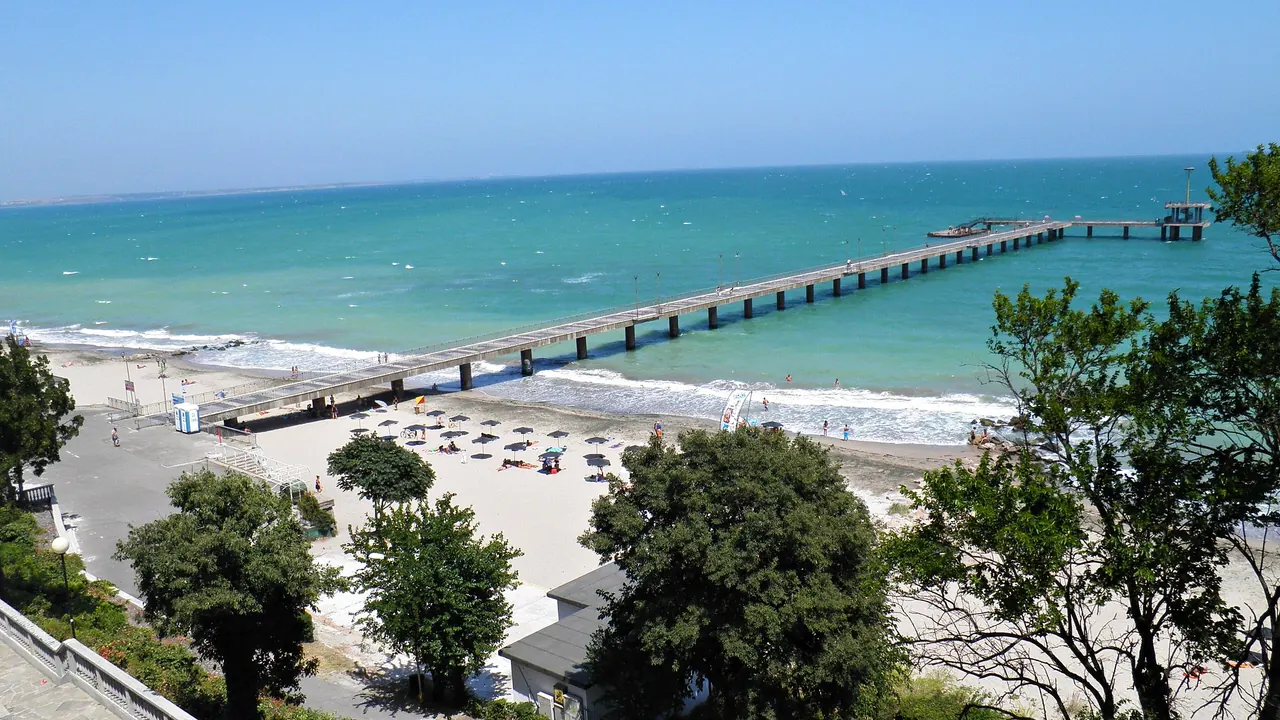
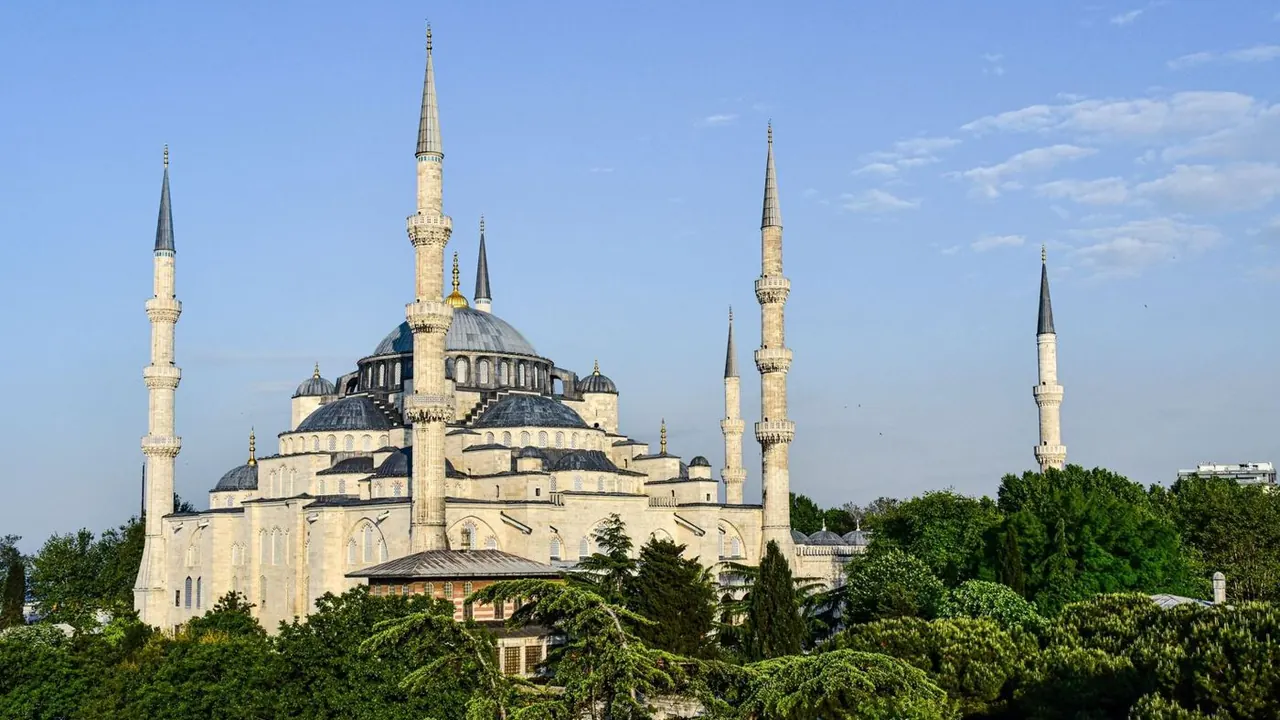
Photos: Burgas by Mister No, CC BY 3.0, cropped; Istanbul by AXP Photography, Pexels License.
Burgas or Istanbul?
Our verdict in twelve categories, each scored against the same fixed benchmark cities, and the climate month by month, so you can choose for your trip.
Choose Burgas for
- beaches
- prices
- nature and the outdoors
Burgas suits a summer trip built around the sea. It has soft sand a short walk from the centre, warm and shallow water, lagoons full of migrating birds, and the old towns of Nessebar and Sozopol along the coast. It is cheaper, calmer and easier with small children on the beach, but its sights fill only a couple of days and the city goes quiet out of season.
Choose Istanbul for
- culture and sights
- shopping
- food and drink
Choose Istanbul when the city itself is the point. Its imperial monuments, the Grand Bazaar, long meyhane dinners and late nights in Beyoglu are more than one week can hold, and a hammam or a ferry ride gives you a break from the noise. Swimming is only a side trip there, and costs rise quickly in the tourist districts, but the city is worth visiting in any season, not just in summer.
Scoreboard
Twelve categories on one fixed scale from 0 to 100. The shaded stretch is the gap between the two.
Your match
Pick a travel style or drag the sliders, and both match scores follow your weighting.
Wins on beaches and prices with your weighting.
Wins on culture and sights and shopping with your weighting.
What matters to you?
Category by category
What the scores mean for a trip.
Beaches & swimming
Burgas has its beach right in town. Central Beach runs below the Sea Garden, with dark, soft sand and shallow water, and Sarafovo, Kraimorie and the dunes towards Pomorie are close by. Within an hour you can choose between the small bays of Sozopol, the long sands of Sunny Beach and the quieter shore towards Primorsko.
Istanbul sits on the water but you rarely swim in it. The nearest proper beaches are about an hour away on the Black Sea at Kilyos and Sile, which are known for strong currents. The Princes' Islands have pebbly coves that make a good half day out. If swimming matters, that is a reason to choose Burgas, while in Istanbul it is only an extra.
Food & drink
In Istanbul, food alone can justify the trip, because cooking from every region of Turkey ends up there. You can have lokanta stews at lunch, a fish sandwich by the Galata Bridge, long meze evenings in the meyhanes of Beyoglu and Kumkapi, and an afternoon grazing through the market streets of Kadikoy.
Burgas eats simply and well. Expect fried sprats, grilled bluefish and mussels at plain harbour restaurants, shopska salad, banitsa in the morning and cheap Pomorie wine. The choice is narrow and the menus on the promenade are generic, so it suits a relaxed fish supper rather than a trip planned around eating.
Culture & sights
This is where the two cities differ most. On Istanbul's historic peninsula, Hagia Sophia, the Blue Mosque, Topkapi Palace and the Basilica Cistern are a short walk apart. Beyond them are the Süleymaniye, the Chora mosaics, the Theodosian land walls and the palaces along the Bosphorus.
Burgas is a modern port with modest sights: the Sea Garden, the cathedral and a few regional museums. Two places outside the centre are worth the trip, St Anastasia Island and the Roman and Ottoman baths of Aquae Calidae. Two days is enough to see it all, and for older history you go to Nessebar and Sozopol.
Nightlife
Istanbul's nights are bigger, later and more varied. There are rooftop bars and meyhanes that end in singing in Beyoglu, cocktail bars in Karakoy and Cihangir, cheaper bar streets in Kadikoy and Moda, and summer clubs on the Bosphorus at Ortakoy that run until dawn. Alcohol is heavily taxed, though.
Burgas has beach bars along the Sea Garden and busy cafés around Aleksandrovska and Bogoridi in summer, and goes quiet out of season. People who want to dance until sunrise make the forty-minute trip to Sunny Beach.
Nature & outdoors
Burgas has more to offer outdoors, and the draw is birds. Its four lakes and lagoons lie on the Via Pontica migration route, with storks and pelicans overhead in late summer and autumn and flamingos feeding in the salt pans. The oak and beech hills of Strandzha are an hour south, and the flat lakeside cycling and windy shallows suit riders and kitesurfers.
Istanbul's nature is gentler and more urban. It means the wooded Bosphorus seen from a ferry, tulips at Emirgan in April, the shaded trails of Belgrad Forest and walks among the pines on the Princes' Islands. Neither city has mountains within easy reach.
Day trips
Burgas's outings are short hops along the coast. Pomorie, with its salt museum, Thracian beehive tomb and wineries, is the nearest. Nessebar, a UNESCO-listed peninsula of medieval churches and timber houses, and Sozopol, with its wooden old quarter on a rocky point, are each about forty minutes away. The Strandzha villages lie about an hour to the south, and Varna is just under two hours north.
From Istanbul, the easiest escapes are by water: to the car-free Princes' Islands, or up the Bosphorus to a fishing-village lunch at Anadolu Kavagi. Bursa, the first Ottoman capital, is the best town outing at about two hours by fast ferry and bus. Edirne and Iznik make long days, because just getting out of the city takes so much time.
Good for families
Families do about equally well in both, for opposite reasons. Burgas is an easy seaside: warm water that shelves gently, shade and playgrounds in the Sea Garden and a flat centre that is easy with a pushchair. Beyond that there is little for children, and almost nothing outside summer.
Istanbul has far more to do. Children can ride the Bosphorus ferries, see the ships and submarine at the Rahmi M. Koç Museum or visit Miniaturk and the aquariums, and people make a fuss of them everywhere. The catch is that its crowds, hills and long journeys wear out young children.
Getting around
Burgas is a city you cross on foot. The station, the pedestrian streets and the Sea Garden are a short walk apart on flat ground, and the airport is close to town. The harder part is the coast, where buses fill up and the road gets congested in summer, and the lakes and Strandzha villages really need a car.
Istanbul works on one rechargeable card that covers the metro, the T1 tram, the Marmaray tunnel under the Bosphorus, the funiculars and the ferries, and crossing between continents by boat is a pleasure in itself. Rush-hour crowds, steep hills and slow taxis make journeys longer than the map suggests, but a car would only get in the way.
Shopping & style
In Istanbul, shopping is part of the sightseeing. You can bargain in the covered streets of the Grand Bazaar for carpets, kilims, lamps and leather, buy spices and Turkish delight at the Spice Bazaar, browse designer labels in Nisantasi and look for antiques in Cukurcuma.
Burgas has high-street chains on its pedestrian streets and a couple of malls. The things worth taking home are rose oil, honey, local wine and salt from Pomorie.
Affordability
Burgas is the cheaper stay overall. Fish suppers, local wine, coastal buses and museum tickets all cost well below Western European levels, and rooms in the city are often cheaper than in the resorts. Only July and August push up the cost of a room.
Istanbul is cheap if you live like a local, with ferries, simit and lokanta lunches costing little. Hotels and menus in Sultanahmet, Galata and on the Bosphorus climb fast, though, alcohol is heavily taxed, and the major monuments charge foreign visitors substantial entry fees.
Live music & performing arts
Istanbul offers far more for an evening out. There is opera and ballet at the Ataturk Cultural Centre, summer music and jazz festivals in historic courtyards, Sema ceremonies in old dervish lodges and fasil musicians in the meyhanes. Small venues in Beyoglu and Kadikoy cover rock and Anatolian folk.
Burgas has a respectable regional stage, with its State Opera, a philharmonic and open-air festivals in the Sea Garden in summer, but little else is easy to follow without Bulgarian. Its most distinctive tradition, nestinari fire-dancing, lives on in the Strandzha villages rather than on a stage.
Wellness & relaxation
Istanbul has the ritual everyone comes for: a scrub on the heated stone of a working sixteenth-century hammam, several of them designed by Sinan, followed by tea on a Bosphorus terrace. The city around the baths, though, is loud and crowded.
Burgas offers mud cures and a slower pace instead of polish. The black, salty mud of the Atanasovsko and Pomorie lakes is used in sanatoria, and many visitors simply smear it on at the shore. The springs of Aquae Calidae have been used since Roman times, and an evening walk in the Sea Garden is the local way to unwind. For polished spa hotels, go to Pomorie.
When should you go?
Pick your month. The climate figures are measured averages, not a forecast.
Burgas in July
Istanbul in July
Daytime high, °C
Rainfall in the month, mm
Where the figures come from
Burgas's sunshine is measured 86 km from the centre, at Varna.
Temperature and rainfall are climate normals, averaged over the years shown. Burgas: 1991-2020 (rainfall 1981-2010) normals, Burgas (2.4 km from centre). Istanbul: 1991-2020 normals, Istanbul / Goztepe (9.9 km from centre).
Burgas lives for its summer. The sea is pleasant from late June and reaches about 25°C in August, with long, very sunny days and little rain, and swimming lasts until mid-September. Spring and early autumn are mild enough for walks around the lakes and the old coastal towns. From November it turns cool and wetter, and winter is grey and quiet.
Istanbul is slightly warmer, and its good months are spread more evenly through the year. Highs of 30°C in July and August make the hills tiring for sightseeing, so April to early June and September to October are the most comfortable months for walking. Winter is when the two differ most. Istanbul is the wetter city then, with about 100mm of rain in December, though its museums, hammams and bazaars still make a winter visit worthwhile.
Which traveller are you?
On a beach and sun trip, Burgas is the clear choice. Its own sandy beach is a short walk from the centre and the water is shallow and warm in midsummer. Sozopol's bays, Sunny Beach and the quieter Primorsko shore are all within an hour.
For a culture and arts trip, Istanbul wins easily. Byzantine and Ottoman monuments, the Archaeology Museums and the Bosphorus palaces can fill a week. In the evenings there is opera, a summer jazz festival or a whirling dervish ceremony, and Burgas cannot match any of it.
On a shopping trip, go to Istanbul. The Grand Bazaar and Spice Bazaar, the craft streets between them, the designer labels of Nisantasi and the antique shops of Cukurcuma offer real range. Burgas mostly has high-street chains, rose oil and local wine.
Before you go
| Measure | Burgas | Istanbul |
|---|---|---|
| Official language | Bulgarian | Turkish |
| Currency | Euro (EUR) | Turkish Lira (TRY) |
| Sockets | CF230 V, 50 Hz | CF230 V, 50 Hz |
| Driving side | Right | Right |
| Time zone | UTC+2, UTC+3 in summer | UTC+3 |
| Emergency number | 112 | 112 |
| Elevation | 30 m | 100 m |
| Main airport | Burgas Airport (BOJ)8 km from centre69 non-stop destinations | İstanbul Airport (IST)36 km from centre343 non-stop destinations |
| Public holidays this year | 15 days | 14 days |
By the numbers
| Measure | Burgas | Istanbul |
|---|---|---|
| City population | 189,086 | 15,655,924 |
| People per km² | 746 | 2,930 |
| Museums within 10 km | 7 | 75 |
| UNESCO World Heritage sites within 50 km | 1 | 1 |
| Swim season, months above 21 °C | 4 months | 3 months |
Where else could you go?
Every comparison below shares a destination with this one, so you can follow Burgas or Istanbul somewhere new.