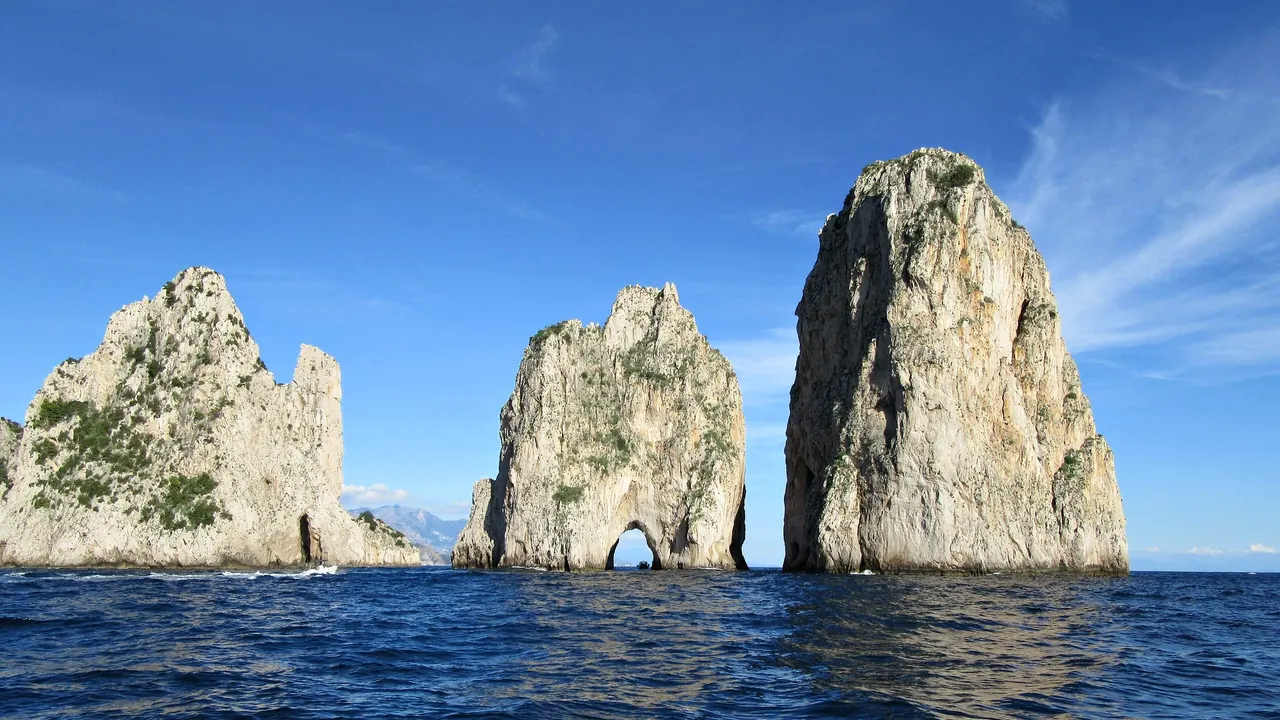
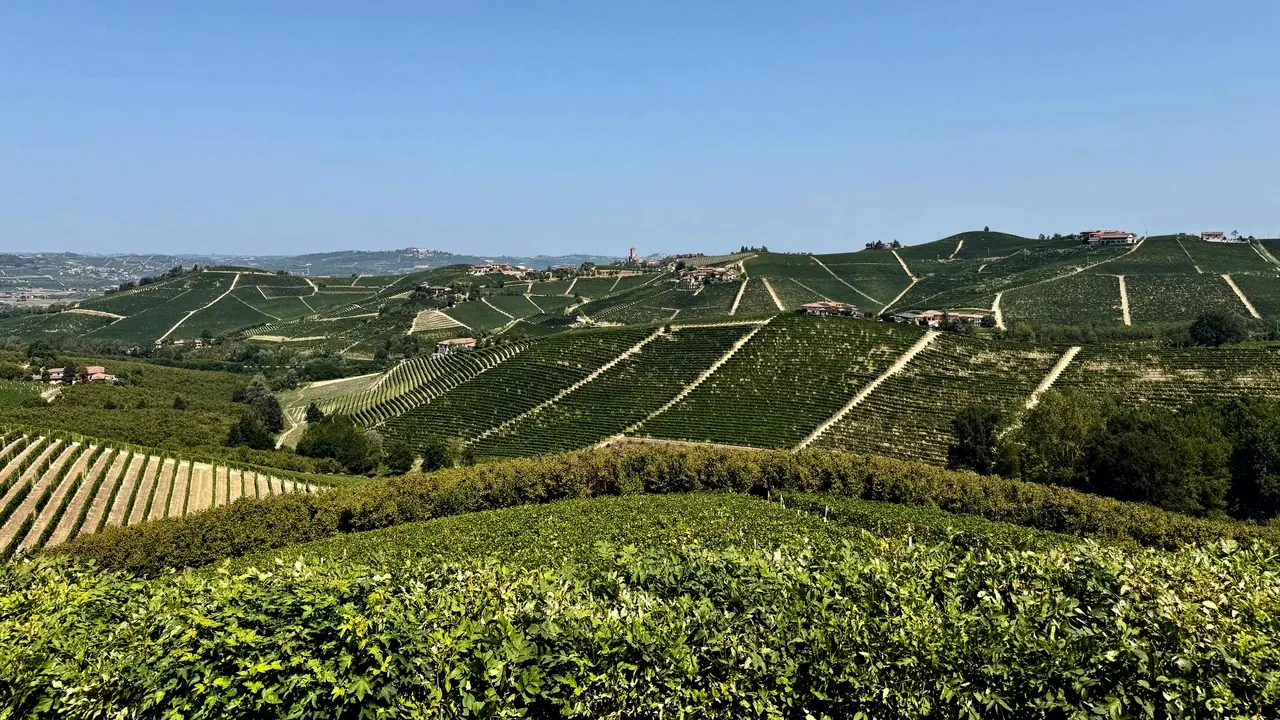
Photos: Capri by Sheeba Samuel, CC BY-SA 4.0, cropped; Piedmont by Martina Amaro, Pexels License.
Capri or Piedmont?
Our verdict in twelve categories, each scored against the same fixed benchmark cities, and the climate month by month, so you can choose for your trip.
Choose Capri for
- beaches
Capri is for a short, indulgent stay built around the sea. It suits couples and adults who want to swim off rocks into very clear blue water, walk cliff paths above the Faraglioni and spend the evenings dressed up on the Piazzetta. You need a generous budget and no wish for a long list of sights. Its pleasures fit into a few days, and they are best when you sleep on the island and have the quiet mornings and evenings once the day-trippers have gone.
Choose Piedmont for
- live music and the arts
- food and drink
- prices
Piedmont is the better choice for a longer, broader trip that moves around. The table is the draw: Barolo and truffles in the Langhe, and coffee houses and aperitivo in Turin. Behind that come a grand capital with major museums, real Alpine mountains, thermal spas and a lake shore. It costs far less, works much better with children and gives you more to do on every kind of day. You lose the sea, and outside Turin and Lake Maggiore you will want a car.
Scoreboard
Twelve categories on one fixed scale from 0 to 100. The shaded stretch is the gap between the two.
Your match
Pick a travel style or drag the sliders, and both match scores follow your weighting.
Wins on beaches with your weighting.
Wins on live music and the arts and food and drink with your weighting.
What matters to you?
Category by category
What the scores mean for a trip.
Beaches & swimming
Capri has the sea, and that settles this category. There is hardly any sand, but the swimming is superb: you go down ladders from rock platforms into deep, very clear water, use the small pebble coves at Marina Piccola, or swim from a boat moored near the grottoes.
Piedmont has no coast, so swimming means the lakes. There are lidos and pebble beaches around Stresa and Baveno on Lake Maggiore, and grassy spots below the villages on Lake Orta. They are welcome on a hot afternoon, but the season is shorter and the swimming is a bonus rather than a reason to come.
Food & drink
This is where the two differ most, and Piedmont is far ahead. The Langhe and Roero hills around Alba produce Barolo and Barbaresco, white truffles in autumn and dishes such as agnolotti del plin and vitello tonnato. Turin adds historic coffee houses, bicerin, vermouth and the great Porta Palazzo market.
Capri has a short, pleasant repertoire: insalata caprese, ravioli capresi, torta caprese and lemons in everything. The best of it is in the family trattorias of Anacapri rather than at the view tables by the Piazzetta. It makes for a few lovely dinners, but there is nothing like the countryside cooking of Piedmont to explore.
Culture & sights
Capri's heritage is a handful of fine sites, and two days covers them: Tiberius's Villa Jovis above its sheer drop, Villa San Michele in Anacapri and the Certosa with its Diefenbach paintings. The setting does as much of the work as the monuments do.
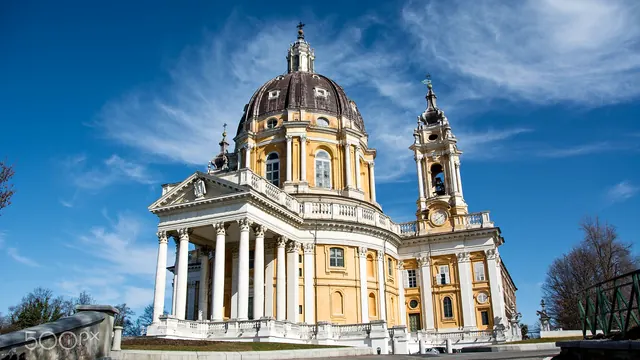
Piedmont has the depth of a royal capital. Turin has the Egyptian Museum, the Royal Palace, Palazzo Madama and arcaded Baroque squares, and the Savoy residences at Venaria Reale and Stupinigi lie close by. Further out are the Sacra di San Michele on its crag, the Sacri Monti chapels and the Baroque palaces of the Borromean Islands, enough for a whole trip.
Nightlife
Neither is a party destination, but Turin gives Piedmont more to do after dark. The evening starts with aperitivo and moves on to the student-filled bar streets of San Salvario and Vanchiglia, or to the Po riverside in summer, and there are clubs for anyone who wants them.
Capri's night is a single scene: dressed-up crowds at the Piazzetta's café tables, then a piano tavern with Neapolitan songs until late. It is glamorous and costly, it is exhausted in a night or two, and it goes quiet outside the summer season.
Nature & outdoors
Capri's scenery is concentrated and famous: the Faraglioni stacks, the Arco Naturale, the chairlift up Monte Solaro and the Sentiero dei Fortini along the wild western coast. A boat trip past the Blue Grotto and some snorkelling round it off, all within a few days.
Piedmont works on a much larger scale. Monte Rosa above Alagna and Macugnaga, Gran Paradiso's ibex, the roadless Val Grande and the Via Lattea ski slopes give real mountain trips in both summer and winter. The vineyard hills are classic cycling country. The catch is that the Alps need their own base, away from Turin and the wine towns.
Day trips
From Capri, every outing goes by boat across the Bay of Naples: Sorrento in half an hour, Naples, Positano and Amalfi in season, and a long day to Pompeii. It is a superb choice, but it depends on calm seas and on summer sailings.
Piedmont has more options and they run all year. Fast trains reach Milan in about an hour, and Genoa and Aosta are within easy reach. Inside the region there are the Barolo villages, Asti, Saluzzo and Bra, Acqui Terme from a Langhe base, and lake boats over to the Swiss shore.
Good for families
Capri is hard going with children. There are steps everywhere, swimming is from rocks into deep water and there is nothing built for families, so it only really suits older children who swim well, with the boat trip, the Blue Grotto and the chairlift as highlights.
Piedmont is much easier. Turin has the Egyptian Museum's mummies, the interactive Cinema Museum and room to run in Valentino park. Lake Maggiore has boats between the islands, peacocks in the palace gardens and lake lidos, and the Via Lattea has ski schools on gentle slopes.
Getting around
Both are manageable, in very different ways. On Capri everything is close and nobody needs a car. A funicular, small orange buses and open taxis link the marinas with Capri town and Anacapri, but the lanes are steep and the summer queues are long.
Piedmont is a region to cover. Turin's flat grid, arcades, trams and metro are easy, and trains reach Alba, Asti and Stresa on the lake, but you need a car to reach the Langhe hilltop villages and the Alpine valleys.
Shopping & style
The two are broadly level, but they sell different things. Capri packs luxury boutiques and resort fashion into Via Camerelle and the lanes off the Piazzetta, alongside its own crafts: sandals made to measure while you wait, linen, and perfumes from local flowers.
Piedmont's shopping is in Turin and is mostly edible. There are gianduiotti, vermouth, hazelnuts and Barolo from the cellar door, the vast Porta Palazzo market and the Balon flea market, and Biella's cashmere mills. Luxury fashion is thin, with Milan close by for that.
Affordability
The gap here is wide. Capri is one of the most expensive places to stay in Italy, with scarce rooms and sunbeds, cocktails and boat trips priced for a wealthy crowd. You can save by riding the buses, walking and eating in Anacapri's simple trattorias.
Piedmont is mid-priced and usually kinder than Italy's better-known regions. Turin hotels, set lunches and generous aperitivo keep a stay moderate, as do farm stays in the hills. Costs rise only in the Langhe during truffle season, on the lake in high summer and at the ski resorts.
Live music & performing arts
Capri has almost nothing in this line beyond occasional summer concerts in the Certosa cloisters or at Villa San Michele, and Neapolitan songs in the late-night piano taverns. Opera means taking the boat to Naples.
Piedmont has Turin's stages. The Teatro Regio runs opera and ballet, the RAI National Symphony Orchestra plays in its own auditorium, and the Teatro Carignano is one of Italy's loveliest historic theatres. In summer there are also classical concerts at the Stresa festival on Lake Maggiore.
Wellness & relaxation
Capri's calm comes from hotel spas and from timing. If you stay in Anacapri, the early mornings and evenings are quiet and smell of lemon and jasmine, but the middle of the day belongs to the crowds, and real thermal bathing means crossing to Ischia.
Piedmont has thermal water of its own. The Bollente spring rises hot in the middle of Acqui Terme, and there are mountain baths at Valdieri and Vinadio. It also has slow farm stays and wine resorts in the Langhe and Monferrato, and the quiet shores of Lake Orta for a few restful days.
When should you go?
Pick your month. The climate figures are measured averages, not a forecast.
Capri in July
Piedmont in July
Daytime high, °C
Rainfall in the month, mm
Where the figures come from
Capri has no rain gauge within 25 km of the centre, so its rainfall comes from a gridded climate dataset read at the destination rather than from a gauge further away.
Capri's sunshine is measured 58 km from the centre, at Grazzanise.
Piedmont has no weather station within reach, so its figures come from a gridded climate model rather than a measured record, and read a broad area rather than one spot.
Temperature and rainfall are climate normals, averaged over the years shown. Capri: 2005-2025 (sunshine 1991-2020, rainfall 1991-2020) normals, Capri (3.6 km from centre). Piedmont: 1991-2020 normals, TerraClimate 4 km grid at the town, no weather station within 90 km.
Capri is at its best from June to early October. The sea warms to about 26°C in August, daytime highs reach about 30°C, and the summer months are almost dry and very sunny, so this is the swimming season. Rain returns in September and builds through the autumn. November is the wettest month at 146mm, and the winter is mild but grey and damp, better for quiet walks than for the water.
Piedmont's figures, taken in the lowlands where most visitors stay, show a summer just as hot. July and August suit lake swimming but feel heavy for long city walks. Late spring and September to October are more comfortable for Turin and the wine hills, though May and the autumn bring steady showers and November peaks at 89mm. Winter is colder than on Capri, with highs around 9°C, but drier, and it is ski season in the mountains. Capri, by contrast, has nothing much to offer in winter.
Which traveller are you?
On a beach and sun trip, Capri is the clear pick. You get deep, very clear sea from June to early October, rocks and ladders at Punta Carena and boat days under the Faraglioni. Piedmont can only offer lake lidos on Maggiore and Orta for a short summer season.
For a food and nightlife trip, choose Piedmont. The Langhe has Barolo, truffles and long trattoria lunches, Turin has coffee houses and serious aperitivo, and the bar streets of San Salvario carry the night on. Capri's menus are brief, and its evenings end at the Piazzetta.
On a trip on a tight budget, Piedmont is far kinder. Turin hotels, generous aperitivo snacks, farm stays and wine bought at the cellar door keep costs moderate. Capri is among Italy's most expensive places to stay, and saving there usually means sleeping on the mainland and missing its evenings.
Before you go
| Measure | Capri | Piedmont |
|---|---|---|
| Official language | Italian | Italian |
| Currency | Euro (EUR) | Euro (EUR) |
| Sockets | CFL230 V, 50 Hz | CFL230 V, 50 Hz |
| Driving side | Right | Right |
| Time zone | UTC+1, UTC+2 in summer | UTC+1, UTC+2 in summer |
| Emergency number | 112 | 112 |
| Main airport | Naples International Airport (NAP)131 non-stop destinations | Turin Airport (TRN)65 non-stop destinations |
| Public holidays this year | 13 days | 13 days |
By the numbers
| Measure | Capri | Piedmont |
|---|---|---|
| Population | 12,903 | 4,341,375 |
| People per km² | 1,241 | - |
| Swim season, months above 21 °C | 5 months | 4 months |
Where else could you go?
Every comparison below shares a destination with this one, so you can follow Capri or Piedmont somewhere new.
- Positanovs Capri
- Procidavs Capri
- Amalfi Coastvs Capri
- Ischiavs Capri
- Lake Maggiorevs Piedmont
- Cinque Terrevs Piedmont