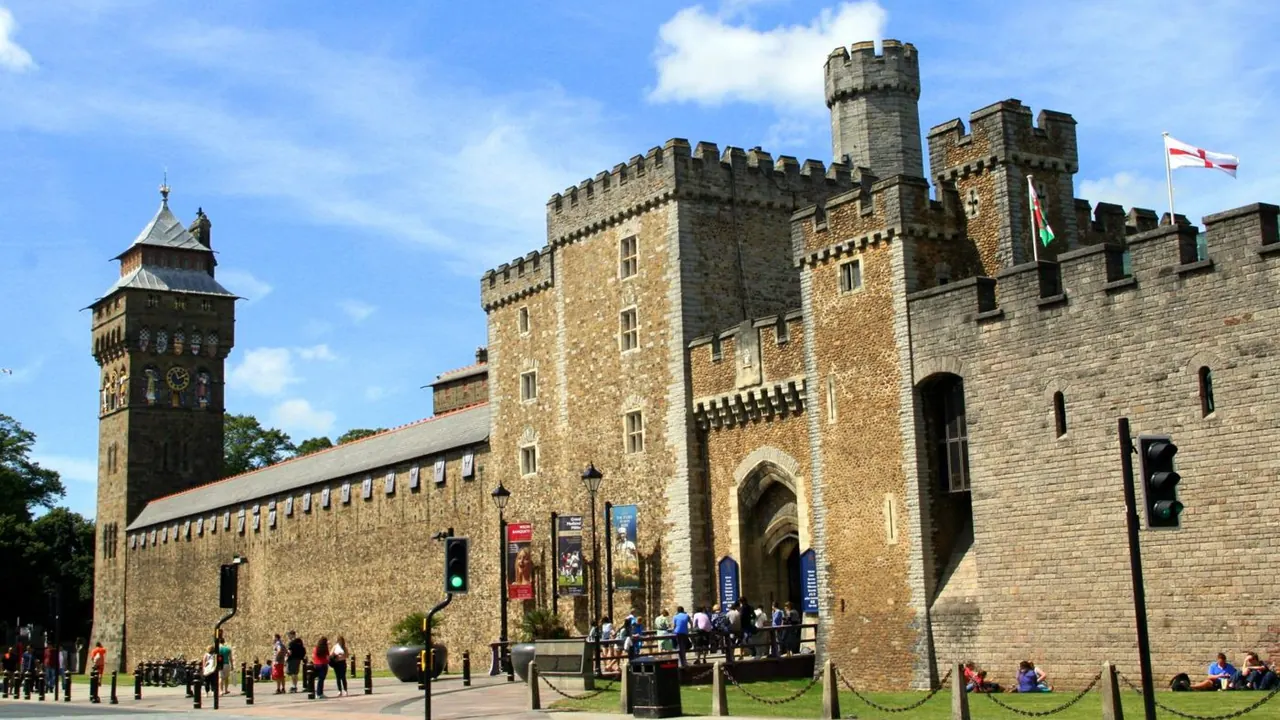
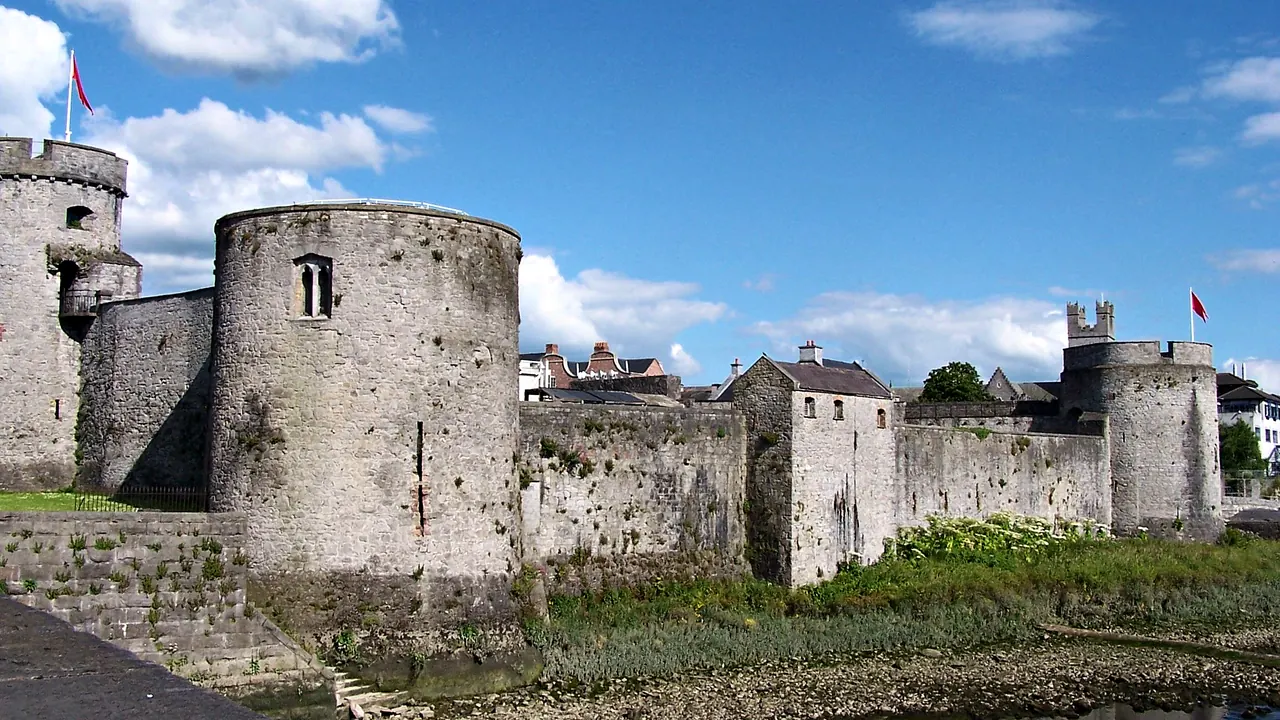
Photos: Cardiff by Tevfik Teker, CC BY 3.0, cropped; Limerick by ingawh, CC BY-SA 3.0, cropped.
Cardiff or Limerick?
Our verdict in twelve categories, each scored against the same fixed benchmark cities, and the climate month by month, so you can choose for your trip.
Choose Cardiff for
- culture and sights
- families
- shopping
Cardiff is the fuller city break, and the gap is widest in what you can do without leaving town. There is a castle and the National Museum in the centre, St Fagans on the edge, the Wales Millennium Centre for opera, gigs around Womanby Street, and the arcades for an afternoon's browsing. It suits families, first-time visitors without a car and anyone who wants a few busy days on foot, and Bath, Bristol and the castles of the valleys are a short train ride away.
Choose Limerick for
Limerick does not lead in any category we score.
Limerick gives less in town and works best as a base rather than as the destination. Choose it if the trip is really about the west of Ireland, with a hire car and the Burren, the Cliffs of Moher, Lough Derg and Adare all within an hour or so. You come back in the evening to pints and traditional music in the pubs around O'Connell Street.
Scoreboard
Twelve categories on one fixed scale from 0 to 100. The shaded stretch is the gap between the two.
Your match
Pick a travel style or drag the sliders, and both match scores follow your weighting.
Wins on culture and sights and families with your weighting.
Has no clear advantage with the weighting you have chosen.
What matters to you?
Category by category
What the scores mean for a trip.
Beaches & swimming
Neither city is a beach destination, but Cardiff at least has the seaside within easy reach by train. Barry Island's sandy bay and funfair are about half an hour away, and the pebbles and pier at Penarth are closer still. Porthcawl and Gower are better beaches but take a drive.
Limerick sits on the Shannon, and its beaches at Kilkee, Lahinch and Ballybunion need a car and an hour or more each way. They are wild Atlantic sands, better for surfers in wetsuits than for a lazy afternoon on a towel.
Food & drink
Neither is a place to come for the food, though Cardiff has more range. Pontcanna and Canton have bistros and brunch places, City Road has a long run of Middle Eastern and South Asian cooking, and Welsh cakes come off the griddle in the Victorian market.
Limerick's strength is local produce: Munster beef and lamb, cheese and cured ham, best seen at the Milk Market at the weekend. Around the Georgian streets there are a few modern Irish restaurants and gastropubs. Expect a good pint of stout in Limerick and local ales in Cardiff's pubs.
Culture & sights
Cardiff has clearly more to see. Its castle shows off the city's coal-age wealth inside Roman and Norman walls, the French Impressionists at the National Museum are a genuine surprise, and St Fagans can fill half a day on its own. Together that makes two or three days of sightseeing.
Limerick's sights are older but fewer. King John's Castle, St Mary's Cathedral from 1168 and the Treaty Stone all sit on or beside King's Island, and the Hunt Museum holds medieval objects. If medieval stone appeals more than Victorian splendour, Limerick has the older fabric, but a day or two covers it.
Nightlife
Cardiff's nights are bigger. Saturday crowds fill St Mary Street, rugby international days take over the whole centre, and Womanby Street adds small alternative bars and late venues for those who want something less mainstream.
Limerick is a pub town first, with snugs and open fires around O'Connell Street and Thomas Street and only a handful of clubs. Students keep weeknights busy in term and a Munster match fills the bars, but it suits a few pints and conversation rather than a long night out.
Nature & outdoors
Cardiff has more of the outdoors close at hand. Bute Park runs from the castle into the Taff Trail, and the barrage loop and the coast path at Penarth need no car. Pen y Fan in the Brecon Beacons, about an hour's drive, is a classic half-day hike.
Within Limerick the outdoors means riverside walks. A drive opens up Lough Derg for kayaking and sailing, the Galtees for hill walking, and the Burren and the Cliffs of Moher, which are a different and wilder kind of scenery. Rain and wind come with both cities.
Day trips
Both are good bases, and Cardiff's trips are easier to make by train. Caerphilly is twenty minutes away, Castell Coch is on the city's edge, and Bath and Bristol are each about an hour. If you drive, Tintern, Chepstow and the Blaenavon mining landscape are also in reach.
From Limerick most outings mean a car or a coach tour. Bunratty and Adare are close by, the Rock of Cashel is about an hour away, and Galway and Cork are further out. It makes a fine starting point for the west of Ireland if you are happy to drive.
Good for families
Cardiff is the better city with children. Techniquest is built for them, St Fagans has farm animals and craft demonstrations, and Roath Park's rowing boats and the Barry Island funfair fill out the days, mostly free or cheap.
Limerick is pleasant with children but has little aimed at them beyond the battlements and siege displays of King John's Castle, with Bunratty Folk Park outside town. Neither city has a zoo or theme park, and in Limerick the rain often decides how the day goes.
Getting around
Both centres are compact, flat and easy to walk. Cardiff's transport reaches further without a car: local trains run to Penarth, Barry Island, Caerphilly and the valleys, and a shuttle train or water taxi links the centre with the Bay.
Limerick's trains head for Dublin, Ennis and Galway, but rural buses are infrequent, so seeing the region usually means hiring a car at Shannon Airport. In Cardiff you need a car only for the national park and the remoter castles.
Shopping & style
Cardiff's Victorian and Edwardian arcades, among them the Royal, Morgan and Castle arcades, make for an afternoon of records, books and vintage clothing, on top of the usual chains on Queen Street. Limerick's shopping is mostly practical, around O'Connell Street, and the Milk Market, with its food, craft and secondhand stalls, is the one stop with real character. Cardiff also makes local crafts such as lovespoons and slate easy to find, whereas Limerick lace takes some hunting.
Affordability
Cardiff's free national museums, St Fagans among them, and the short, inexpensive train rides to castles and the coast keep its days out cheap, so your money goes a little further there. Restaurants and pubs charge ordinary British prices, and hotels are moderate on weekdays.
In Limerick, hotel rooms are reasonable, but eating, drinking and above all the hire car most visitors need push the total up. In both cities, check the rugby calendar before booking, because big match weekends drive hotel prices up.
Live music & performing arts
Cardiff has the bigger stage. The Wales Millennium Centre brings Welsh National Opera, musicals and dance, and the BBC National Orchestra of Wales is based in the city. Small venues around Womanby Street book bands most nights, and the stadium hosts major touring concerts.
Limerick's programme is decent for its size, with the Irish Chamber Orchestra at the university and drama at the Lime Tree and the Belltable, but for opera you go to Dublin. Its real draw is the traditional music sessions in the pubs.
Wellness & relaxation
If you want to slow down without leaving town, Cardiff gives you a little more. Besides the hotel spas there are a few day spas and the leisure pools of the waterfront hotels at the Bay, and you can spend an unhurried morning in a Pontcanna café before walking along the Taff through Bute Park.
In Limerick itself, relaxing comes down to a hotel spa or an afternoon by the Shannon. Its proper spas are outside the city, at the country-house hotels around Adare and Lough Derg, and the Atlantic seaside towns keep up the old tradition of hot seaweed baths. These are worth a detour if you are touring by car, though neither city has a bathing culture of its own.
When should you go?
Pick your month. The climate figures are measured averages, not a forecast.
Cardiff in July
Limerick in July
Daytime high, °C
Rainfall in the month, mm
Where the figures come from
Cardiff has no rain gauge within 25 km of the centre, so its rainfall comes from a gridded climate dataset read at the city rather than from a gauge further away.
Cardiff's sunshine is measured 83 km from the centre, at Lyneham.
Temperature and rainfall are climate normals, averaged over the years shown. Cardiff: 1991-2020 normals, Cardiff-Wales Airport (14.9 km from centre). Limerick: 1991-2020 normals, Shannon Airport (20.1 km from centre).
Both cities have a mild, damp maritime climate. Summer highs barely reach 20°C in either, and no month is too hot for walking. Late spring to early September is the time to go. In summer Cardiff is noticeably sunnier and stays bright through July and August, while Limerick's sunniest month is May and its summer turns greyer. The sea near Cardiff peaks at around 18°C in August, enough for a brisk paddle at Barry Island rather than a proper swim.
Autumn brings the rain to both. Cardiff is wettest in November, at about 132mm, and Limerick in December. Winters are cool rather than cold, a touch milder in Limerick. With their short, dull days, December and January are the weakest months for sightseeing or for driving out to the coast and the hills.
Which traveller are you?
On a culture and arts trip, Cardiff gives you far more to fill the days. There are the Victorian Gothic rooms of Cardiff Castle, the Impressionists at the National Museum, St Fagans, and Welsh National Opera at the Millennium Centre. Limerick's King's Island and the Hunt Museum fill a day or two.
On a family trip with young children, Cardiff is the easier choice. Techniquest, the boat trips at the Bay, the rowing boats on Roath Park lake and the funfair at Barry Island can all be reached without a car. Limerick relies on King John's Castle and a drive to Bunratty.
For a shopping trip, Cardiff's glass-roofed arcades, with their record shops, bookshops and vintage clothing, make for an afternoon of browsing that Limerick cannot match. Limerick's Milk Market is charming for food and crafts, but the streets around it are mostly practical high-street chains.
Before you go
| Measure | Cardiff | Limerick |
|---|---|---|
| Official language | English | English, Irish |
| Currency | Pound Sterling (GBP) | Euro (EUR) |
| Sockets | G230 V, 50 Hz | G230 V, 50 Hz |
| Driving side | Left | Left |
| Time zone | UTC, UTC+1 in summer | UTC, UTC+1 in summer |
| Emergency number | 112 or 999 | 112 |
| Elevation | 41 m | 10 m |
| Main airport | Cardiff International Airport (CWL)15 km from centre30 non-stop destinations | Shannon Airport (SNN)21 km from centre39 non-stop destinations |
| Public holidays this year | 8 days | 11 days |
By the numbers
| Measure | Cardiff | Limerick |
|---|---|---|
| City population | 383,536 | 62,702 |
| People per km² | 2,734 | 3,015 |
| Museums within 10 km | 9 | 6 |
| UNESCO World Heritage sites within 50 km | 1 | 0 |
| Swim season, months above 21 °C | None | - |
Where else could you go?
Every comparison below shares a destination with this one, so you can follow Cardiff or Limerick somewhere new.