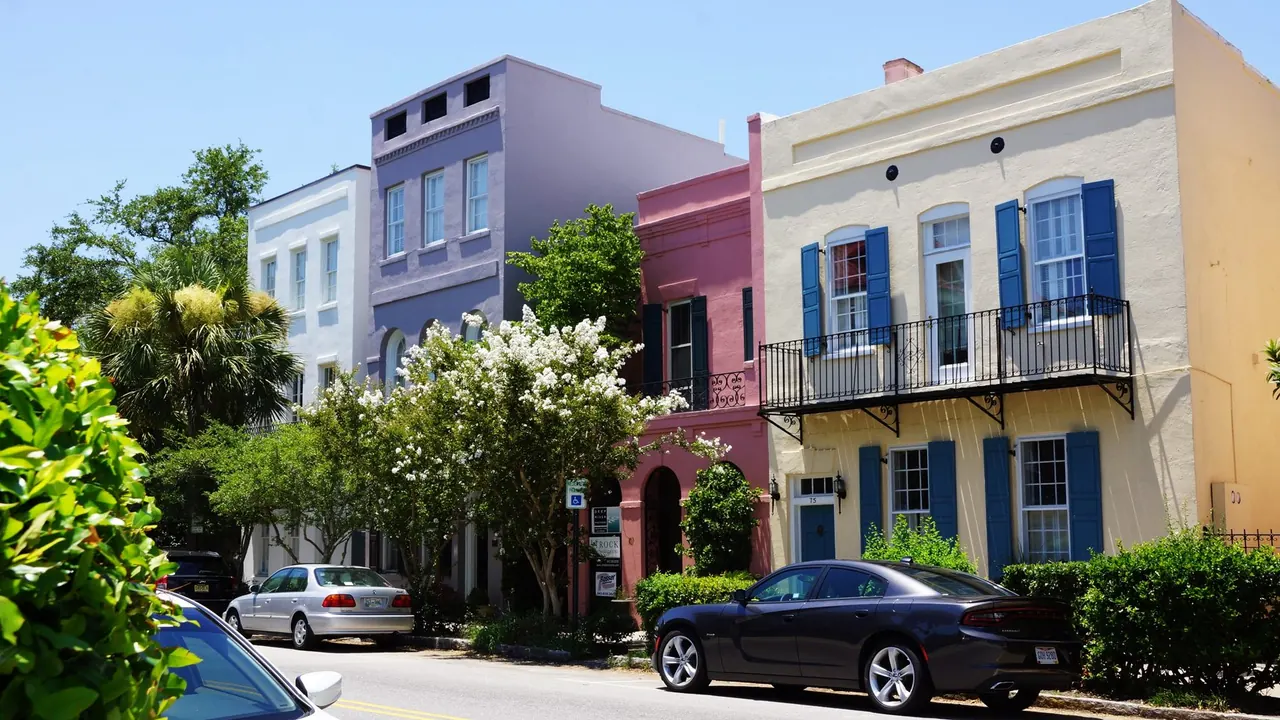
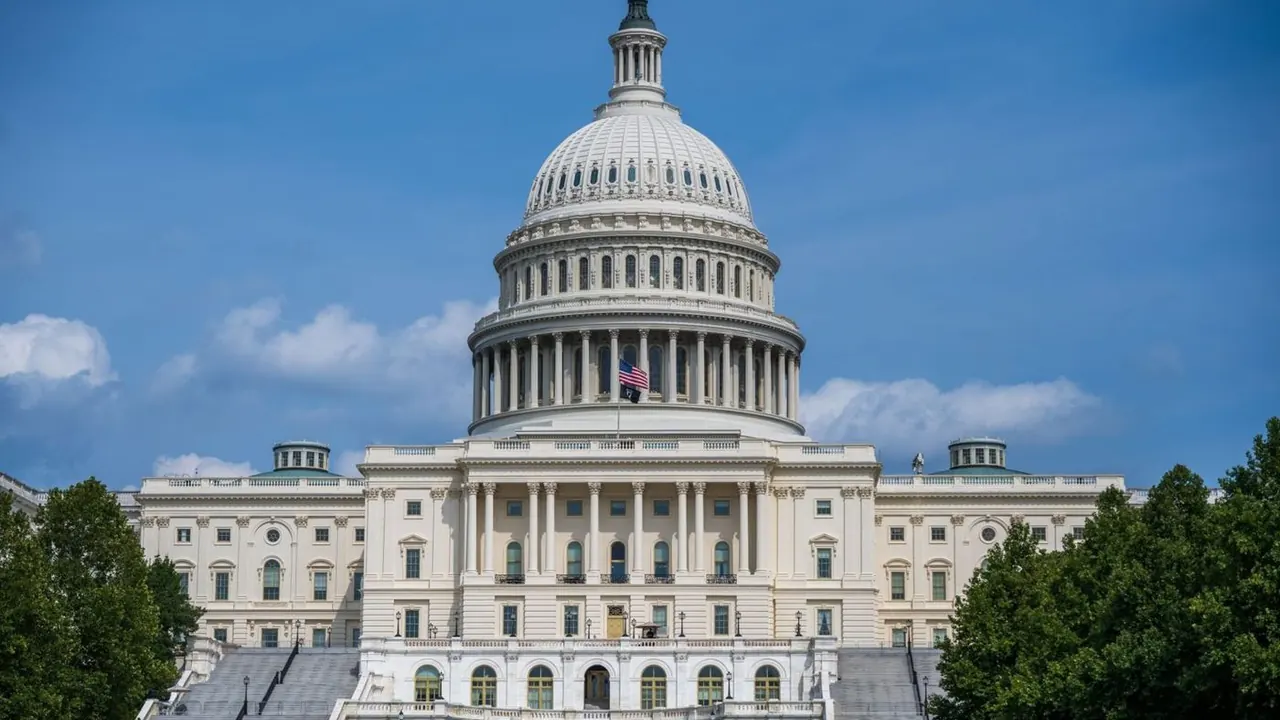
Photos: Charleston by NealVickers, CC BY-SA 4.0, cropped; Washington DC by Guohua Song, Pexels License.
Charleston or Washington DC?
Our verdict in twelve categories, each scored against the same fixed benchmark cities, and the climate month by month, so you can choose for your trip.
Choose Charleston for
- beaches
- wellness
- food and drink
Charleston suits a slower trip that mixes old streets with the sea. You can spend mornings among the piazza houses south of Broad and afternoons on Folly Beach or Sullivan's Island, then eat Lowcountry cooking at night and go home rested. It works best for couples and for anyone who would rather wander than tick off sights, as long as they are happy to drive to the beaches and plantations.
Choose Washington DC for
- getting around
- live music and the arts
- culture and sights
Pick Washington if you want to see and learn a great deal in a week. It has the free Smithsonian museums and the National Gallery, the monuments, a full theatre season and a Metro that reaches most of it, which makes it easier with children and without a car. Mount Vernon, Baltimore and the Civil War battlefields are all close. It has no beach, though, and the pace is that of a working capital.
Scoreboard
Twelve categories on one fixed scale from 0 to 100. The shaded stretch is the gap between the two.
Your match
Pick a travel style or drag the sliders, and both match scores follow your weighting.
Wins on beaches and wellness with your weighting.
Wins on getting around and live music and the arts with your weighting.
What matters to you?
Category by category
What the scores mean for a trip.
Beaches & swimming
Charleston is a genuine beach destination and Washington is not. All within about half an hour you have Folly Beach for surf and a pier, Sullivan's Island for quiet dunes and old forts, and Isle of Palms for wider, resort-style sand. The water is warm enough to swim from late spring into autumn, though it is greenish and tidal rather than clear.
Washington's rivers are not for swimming. The closest sand is the small, brackish Chesapeake shore around Annapolis, about an hour away. The Atlantic resorts take three hours to reach, so most visitors make do with a hotel pool.
Food & drink
Both cities eat well, but in different ways. Charleston has a cuisine of its own: Lowcountry shrimp and grits, she-crab soup and winter oyster roasts, served in restored townhouses around upper King Street and in seafood shacks on Shem Creek. Its weakness is range, with little cheap or international cooking.
Washington is the reverse. Beyond the half-smoke it has no strong local tradition, but there is far more variety: Ethiopian restaurants in Shaw and around U Street, Salvadoran pupusas in Columbia Heights, and stalls to graze at Eastern Market and Union Market. Go to Charleston to taste one place, and to Washington for choice.
Culture & sights
Washington has far more to see. The Smithsonian museums along the Mall, the National Gallery and the Library of Congress are nearly all free. They sit beside the Capitol and the great memorials, and together they can fill a week without repeating yourself.
Charleston's strength is its streets rather than its collections. The Georgian and antebellum houses south of Broad, the Nathaniel Russell and Aiken-Rhett houses, Fort Sumter and the International African American Museum tell one deep story about slavery and the Civil War. Its museums are small, though, and two or three days covers them. The old town is the more handsome of the two, while Georgetown and Capitol Hill are pleasant but plainer.
Nightlife
Neither city is a reason to come for nightlife, but Washington gives you more of an evening. The 14th Street and U Street corridor has cocktail bars and late dance spots, and Adams Morgan is the rowdy late-night strip. Dupont Circle is the centre of the LGBTQ+ scene, and at weekends a few large clubs bring in touring DJs.
Charleston is a bar town with little dancing. Upper King Street fills with students and weekend groups, the French Quarter has quieter wine bars and old taverns, and Folly Beach adds a few sandy beach bars.
Nature & outdoors
Washington has the more varied outdoors. Rock Creek Park and the C&O Canal towpath run right through the city, and Great Falls, half an hour upriver, has a rocky gorge with whitewater. The ridges of Shenandoah are within about two hours.
Charleston is flat Lowcountry and is best seen from the water. You can kayak through the creeks of the spartina marsh, often alongside dolphins, or walk the trails of the Francis Marion National Forest and the ACE Basin to see birds and alligators. It suits paddlers more than hikers, and the summer mosquitoes are a real nuisance.
Day trips
Washington has more on its doorstep and easier ways to reach it. Old Town Alexandria is a Metro ride away, Baltimore is under an hour by train and Philadelphia about two hours by fast train. Mount Vernon, Annapolis and the battlefields at Gettysburg and Antietam are easy drives.
Charleston's outings centre on the plantations along the Ashley River, such as Middleton Place, Magnolia and Drayton Hall, with Savannah and Beaufort further out. They are rewarding, especially for Gullah history, but you need a car for every one of them.
Good for families
Washington is easier with children. The dinosaurs at the Natural History museum, the rockets at Air and Space and the National Zoo are all free. The Mall is a huge lawn to run about on, and every Metro station has lifts for buggies.
Charleston is smaller and calmer, with the aquarium, the Children's Museum of the Lowcountry and the aircraft carrier at Patriots Point. Its trump card is the beach, which Washington cannot match. House tours will bore small children, though, and summer afternoons are hard going in both cities.
Getting around
Charleston is easy only as long as you stay in the old town. The streets south of Broad and the length of King Street are a short, level stroll from one another, but beyond the peninsula you are on your own. For Folly Beach, Sullivan's Island or the Ashley River plantations the buses are little use, so you either drive and then hunt for a parking space, or call a ride.
Washington asks for more walking. Its sights are spread along a Mall about 3km long and across the river, but the Metro covers the distances that in Charleston you would need a car for. It runs to Arlington Cemetery, Old Town Alexandria and the airport, and hire bikes on the riverside paths are a good way to link the monuments. Only Georgetown, which has no station, needs a bus, and you only need a car for the battlefields and countryside further out.
Shopping & style
Neither city is a shopping destination, and the difference is in kind. Charleston is one long street that changes as you go, from antiques dealers on lower King Street to independent boutiques further up. It also has a real local craft in the Gullah sweetgrass baskets woven at City Market.
Washington is more spread out. There are Georgetown's M Street and Wisconsin Avenue, the luxury labels at CityCenterDC, big suburban malls, and the Smithsonian and National Gallery shops for books and prints. It has no craft tradition of its own.
Affordability
Both are expensive places to stay, with central hotels and well-known restaurants charging what you would pay in much larger cities. The difference is in what you pay for during the day. In Washington the main sights cost almost nothing, since the museums, the zoo and the memorials are free and the Metro is reasonable.
In Charleston, walking the old streets and lying on the beaches is free, but taxis, parking and paid house and plantation tours add up. Staying outside the centre saves money in both cities. From Mount Pleasant you have to drive in every day, while from Arlington you can stay on the Metro.
Live music & performing arts
Washington has a full season all year round. For theatre there are Arena Stage, the Shakespeare Theatre Company, Ford's Theatre and the Folger, covering both new plays and the classics. The National Symphony and the Washington National Opera give it a proper classical season, the Lincoln and Howard theatres on U Street book the touring bands, and go-go is the city's own sound.
Charleston comes alive in late spring, when Spoleto Festival USA and Piccolo Spoleto bring opera, dance and jazz across the city. Outside the festival, the Dock Street Theatre and the Gaillard Center keep a smaller programme. Gullah storytelling and song performances are worth looking out for.
Wellness & relaxation
Neither city has a bathing or spa culture, so rest comes from the setting, and Charleston's is the gentler one. The old town moves slowly, its walled gardens and church courtyards invite you to linger, and Kiawah Island has resort spas.
Washington keeps a working government pace. It has hotel spas and yoga studios, and an early walk around the Tidal Basin or a bench at Dumbarton Oaks or the National Arboretum will help. Otherwise you have to make your own calm.
When should you go?
Pick your month. The climate figures are measured averages, not a forecast.
Charleston in July
Washington DC in July
Daytime high, °C
Rainfall in the month, mm
Temperature and rainfall are climate normals, averaged over the years shown. Charleston: 1991-2020 normals, Charleston Airport (16.1 km from centre). Washington DC: 1991-2020 normals, Washington National Airport (5 km from centre).
Charleston is the warmer of the two all year. Winter days stay mild enough for walking, and by April the old streets are pleasant, though the sea is still too cool for most swimmers. From late May into October the water is good for swimming, reaching about 28°C in midsummer. June to September is the hard stretch, with afternoons near 33°C and summer storms bringing close to 170mm of rain a month. May and October are the best months to combine the streets with a swim. April suits walking and an afternoon on the sand without going in.
Washington has a real winter, with January highs around 7°C, which makes long days on the Mall uncomfortable. April and May, then late September and October, are the best months for walking between the museums and monuments. July and August are hot and sticky at around 32°C. Rain falls fairly evenly through the year rather than in one wet season, and the nearby water is only warm enough to swim in during high summer.
Which traveller are you?
On a beach and sun trip, Charleston is the clear choice. Folly Beach, Sullivan's Island and Isle of Palms are all within half an hour of the old town, and the Atlantic stays warm through summer. Washington's nearest ocean beaches are a weekend away.
On a relaxing and wellness trip, Charleston lets the days run themselves. A short morning walk, a long Lowcountry lunch and an afternoon on the sand need little planning, and the sights are few enough not to nag. In Washington, all those free museums tempt you to cram.
For a culture and arts trip, Washington wins comfortably. The free Smithsonian museums and the National Gallery could fill a week, and evenings bring serious theatre and a proper classical season. Charleston's history is moving, but two or three days covers it.
Before you go
| Measure | Charleston | Washington DC |
|---|---|---|
| Currency | US Dollar (USD) | US Dollar (USD) |
| Sockets | AB120 V, 60 Hz | AB120 V, 60 Hz |
| Driving side | Right | Right |
| Time zone | UTC-5, UTC-4 in summer | UTC-5, UTC-4 in summer |
| Emergency number | 911 | 911 |
| Elevation | 6 m | 72 m |
| Main airport | Charleston International Airport (CHS)16 km from centre56 non-stop destinations | Ronald Reagan Washington National Airport (DCA)5 km from centre105 non-stop destinations |
| Public holidays this year | 12 days | 11 days |
By the numbers
| Measure | Charleston | Washington DC |
|---|---|---|
| City population | 150,227 | 689,545 |
| People per km² | 532 | 3,896 |
| Museums within 10 km | 19 | 98 |
| UNESCO World Heritage sites within 50 km | 0 | 0 |
| Swim season, months above 21 °C | 6 months | 3 months |
Where else could you go?
Every comparison below shares a destination with this one, so you can follow Charleston or Washington DC somewhere new.