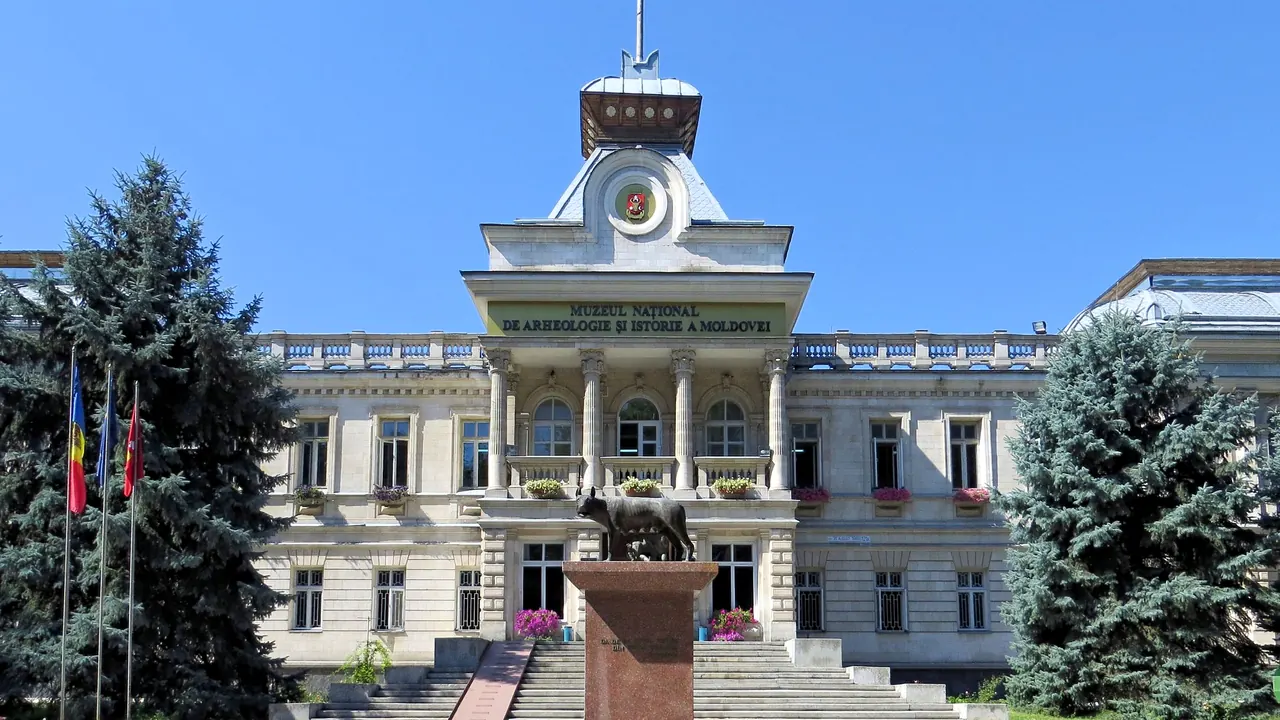
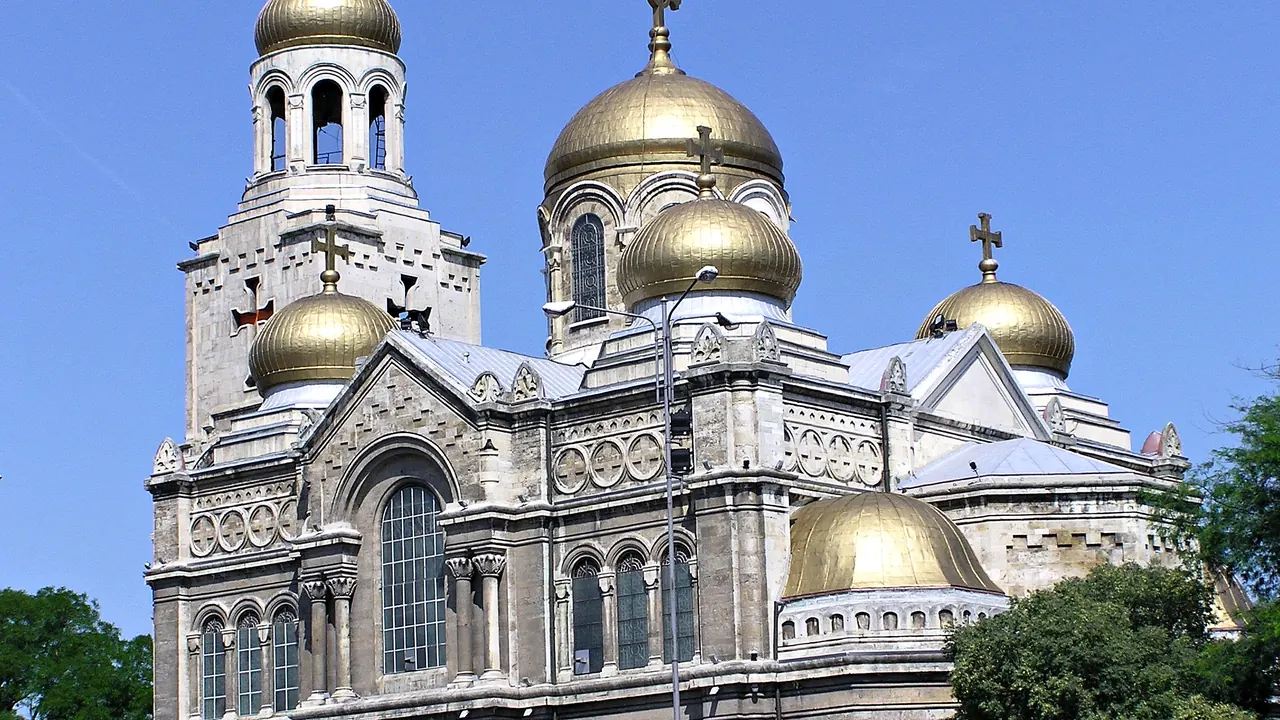
Photos: Chișinău by Alexandru Panoiu, CC BY 2.0, cropped; Varna by Raphaël Toussaint, CC BY-SA 3.0, cropped.
Chișinău or Varna?
Our verdict in twelve categories, each scored against the same fixed benchmark cities, and the climate month by month, so you can choose for your trip.
Choose Chișinău for
- food and drink
- prices
- live music and the arts
Chișinău suits a short, inexpensive trip built around wine and old monasteries. The city itself fills two easy days of limestone boulevards, Soviet modernist landmarks and generous Moldovan cooking. Its real attraction lies outside town: the underground cellar towns of Cricova and Mileștii Mici and the cliffside cave monastery at Orheiul Vechi. It has no sea and offers little for children, so it is a trip for adults who like to eat, drink and look around.
Choose Varna for
- beaches
- wellness
- families
Varna is the choice for a summer trip by the sea. Sandy beaches start right below the Sea Garden, the resorts to the north have wider sand and warm mineral springs, and on summer nights the beach clubs run until dawn. Families do far better here, and the Necropolis gold and Roman baths give a beach stay some history. Out of season it is a quiet town, so come between June and September.
Scoreboard
Twelve categories on one fixed scale from 0 to 100. The shaded stretch is the gap between the two.
Your match
Pick a travel style or drag the sliders, and both match scores follow your weighting.
Wins on food and drink and prices with your weighting.
Wins on beaches and wellness with your weighting.
What matters to you?
Category by category
What the scores mean for a trip.
Beaches & swimming
This is where the two cities differ most. Chișinău has no coast. The nearest place to swim is the Dniester at Vadul lui Vodă, where locals spread out on sandy and grassy banks by slow, warm river water, and on a hot day most visitors will just use a pool.
Varna has a beach in the middle of town, with lifeguarded sand, piers and beach clubs below the Sea Garden. The wider beaches of Golden Sands and St Konstantin and Elena are a short ride north. The sea is greener than the Mediterranean and the season is short, but in high summer it is a proper seaside city.
Food & drink
Chișinău eats a little better. Moldovan home cooking is the draw: cheese and pumpkin plăcinte, mămăligă with brânză and sour cream, and zeamă soup sharpened with lovage. The Central Market is piled with local cheese, pickles and honey, and restaurant wine lists are built on Fetească Neagră and other local reds.
Varna's strength is fresh seafood rather than range. Fried sprats, farmed mussels and turbot in season are served in simple fish places near the port, alongside shopska salad and grilled meats. Many seafront kitchens close after the summer, while Chișinău's tables stay open all year.
Culture & sights
Varna has the more striking sights. The Archaeological Museum holds the six-thousand-year-old gold of the Varna Necropolis, the Roman Thermae fill part of the old Odessos quarter, and the Aladzha cliff monastery and Euxinograd palace lie on the edge of town.
Chișinău's appeal is more about the look of the place: a 19th-century limestone grid, the Nativity Cathedral and Triumphal Arch in Cathedral Park, and the Moorish-revival ethnography museum. Its brutalist buildings, such as the Gates of the City towers and the circus, will interest architecture fans most. Either city can be seen in a couple of days.
Nightlife
Varna has the bigger night out, but only in summer. From June to September a row of beach clubs below the Sea Garden plays DJ sets until dawn, and Golden Sands is a louder party strip a short taxi ride away. In the rest of the year it comes down to pubs and cocktail bars in the pedestrian centre.
Chișinău's nightlife is smaller but much the same all year. A few streets in the old centre have wine bars, craft beer pubs and terraces, and a few clubs stay open late at weekends. Expect a friendly drink rather than a big night, and quiet midweek evenings.
Nature & outdoors
Varna has more interesting landscapes nearby. The red cliffs of Cape Kaliakra often have dolphins offshore, the Stone Forest at Pobiti Kamani is a strange field of sand and stone columns, and the flooded forest along the Kamchia is good for birdwatching. In summer you can also go sailing and paddleboarding.
Chișinău's countryside is gentler: vineyards, farmland and the oak and beech woods of the Codri hills. Its finest scenery is the limestone gorge of the Răut at Orheiul Vechi. Neither city has mountains nearby, so expect easy walking in both.
Day trips
Both are good bases for day trips, and the difference is what you go out to see. From Chișinău it is mostly wine and faith: the cellar towns of Cricova and Mileștii Mici, estates such as Purcari, the cave monastery at Orheiul Vechi and the Dniester cliff monasteries at Saharna and Țipova.
From Varna it is history and coast. The medieval churches of Nessebar are the highlight, Balchik has a queen's palace and gardens, and the Madara Rider, Pliska and Preslav take you back to the First Bulgarian Empire. In both places a driver, tour or hire car makes these trips much easier.
Good for families
Varna is much easier with children because nearly everything is in one place. The Sea Garden holds a zoo, the old aquarium, a planetarium, a natural history museum and playgrounds, and steps lead straight down to lifeguarded sand. Water parks are a short ride north, and the flat promenade is easy with a pushchair.
Chișinău is calm and welcoming but has little made for children beyond the zoo, the circus, and the lake and playgrounds at Valea Morilor. Rough pavements make it more of a short stop for families than a place to base yourselves.
Getting around
In both cities the centre is easy to walk and taxis are cheap. The difference is in the buses. Chișinău's trolleybuses run along the main boulevards and are simple to use, though its private minibuses are signed mostly in Romanian and Russian. Varna relies on buses with Cyrillic signs that are crowded in summer, but they do reach the beach resorts. Varna's flat walk from the cathedral to the sea is the more pleasant stroll.
Shopping & style
Neither city is a shopping destination, and the souvenirs are what set them apart. Chișinău's best buys are bottles: sparkling wine, divin brandy and reds from cellar shops, plus embroidered blouses and carpets from the Central Market stalls. Varna has a better high street along Knyaz Boris I, and its local specialities are rose oil cosmetics, painted ceramics and rakia.
Affordability
Both are very cheap by Western European standards, and Chișinău is a little cheaper again. Wine, taxis and opera tickets cost almost nothing, and prices change little through the year.
Varna is inexpensive in spring and autumn, but room rates jump in July and August, and Golden Sands costs more than the city centre. To save money there, go in June or September, when the sea is still warm.
Live music & performing arts
Both have more on stage than you might expect, but at opposite times of year. Chișinău's best months are the regular season, from autumn to spring. The National Opera and Ballet Theatre, the Organ Hall and the Philharmonic all perform then, and summer is quiet.
Varna is the other way round. The Varna Summer festival, with roots in the 1920s, fills the warm months with classical music, theatre and jazz, and shows move outdoors to the Summer Theatre in the Sea Garden. Its opera house is open the rest of the year, but the programme is modest.
Wellness & relaxation
Varna has a real spa tradition, based on the warm mineral springs the Romans once used. St Konstantin and Elena, a wooded resort just north of town, offers mineral pools and mud treatments, and outside high summer the Sea Garden is quiet and calming.
Chișinău has no bathing culture of its own, just hotel spas and sanatoriums in the countryside. A slow afternoon on a shady terrace with a glass of local wine is the closest it comes to unwinding.
When should you go?
Pick your month. The climate figures are measured averages, not a forecast.
Chișinău in July
Varna in July
Daytime high, °C
Rainfall in the month, mm
Temperature and rainfall are climate normals, averaged over the years shown. Chișinău: 1991-2020 normals, Kisinev (11.2 km from centre). Varna: 1991-2020 normals, Varna (1.3 km from centre).
Chișinău has the more extreme year. It is inland and gets properly cold, with daytime highs around 1°C in January, then warms quickly through spring to about 29°C in July and August. The best months for walking the streets are May, June and September, which are warm and very sunny without the full heat of midsummer. Rain is spread fairly evenly through the year and is never heavy. Early summer is the wettest stretch, peaking at 69mm in July, but July is also the sunniest month, so even then most days are bright.
Varna's year is gentler because of the sea. Winter highs stay nearer 7°C, and spring warms more gradually, so April and May are mild rather than warm. By July both cities are equally hot. The sea is warm enough to swim in from late June, reaches about 25°C in August and is still pleasant in early September, so that is the time for the beach. Spring and early autumn suit the Sea Garden and day trips. October is the wettest month, and from November the days are short and grey and the sea is too cold for swimming.
Which traveller are you?
On a beach and sun trip, Varna is the only real option. It has sand below the Sea Garden, wide resort beaches to the north and a gently shelving sea that is warm in high summer. Chișinău is landlocked, and its river beaches are only an outing for locals.
On a family trip with children, Varna wins comfortably. The zoo, aquarium, planetarium and playgrounds are all in one shady park above lifeguarded beaches. Chișinău is calm and friendly, but apart from its parks, zoo and circus there is little for children.
For a trip built around wine, Chișinău is the stronger pick. The huge underground cellars of Cricova and Mileștii Mici are close by, local reds fill the wine lists, and bottles cost very little. Varna's Black Sea whites are pleasant, but wine is not the reason to go there.
Before you go
| Measure | Chișinău | Varna |
|---|---|---|
| Official language | Romanian | Bulgarian |
| Currency | Moldovan Leu (MDL) | Euro (EUR) |
| Sockets | CF220 V, 50 Hz | CF230 V, 50 Hz |
| Driving side | Right | Right |
| Time zone | UTC+2, UTC+3 in summer | UTC+2, UTC+3 in summer |
| Emergency number | 112 | 112 |
| Elevation | 85 m | 38 m |
| Main airport | Chişinău International Airport (RMO)13 km from centre76 non-stop destinations | Varna Airport (VAR)7 km from centre51 non-stop destinations |
| Public holidays this year | 16 days | 15 days |
By the numbers
| Measure | Chișinău | Varna |
|---|---|---|
| Population | 567,038 | 322,683 |
| People per km² | 4,610 | 2,093 |
| Museums within 10 km | 13 | 14 |
| UNESCO World Heritage sites within 50 km | 0 | 0 |
| Swim season, months above 21 °C | - | 4 months |
Where else could you go?
Every comparison below shares a destination with this one, so you can follow Chișinău or Varna somewhere new.