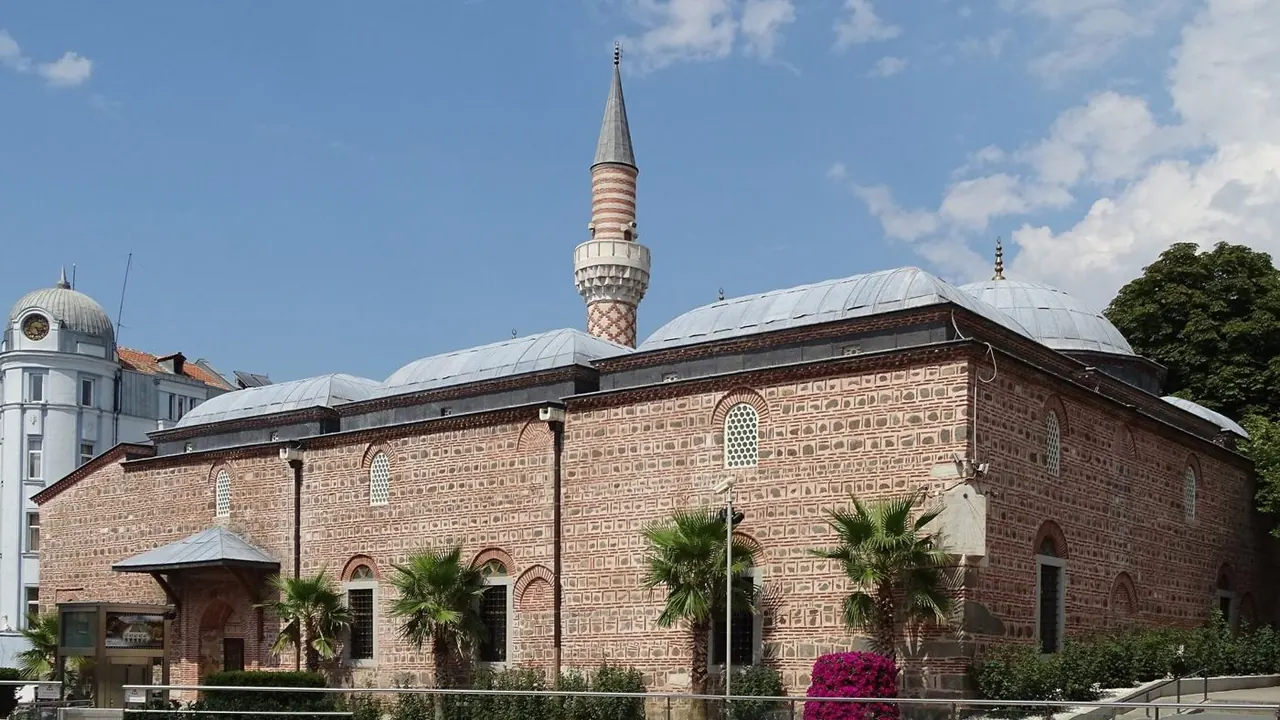
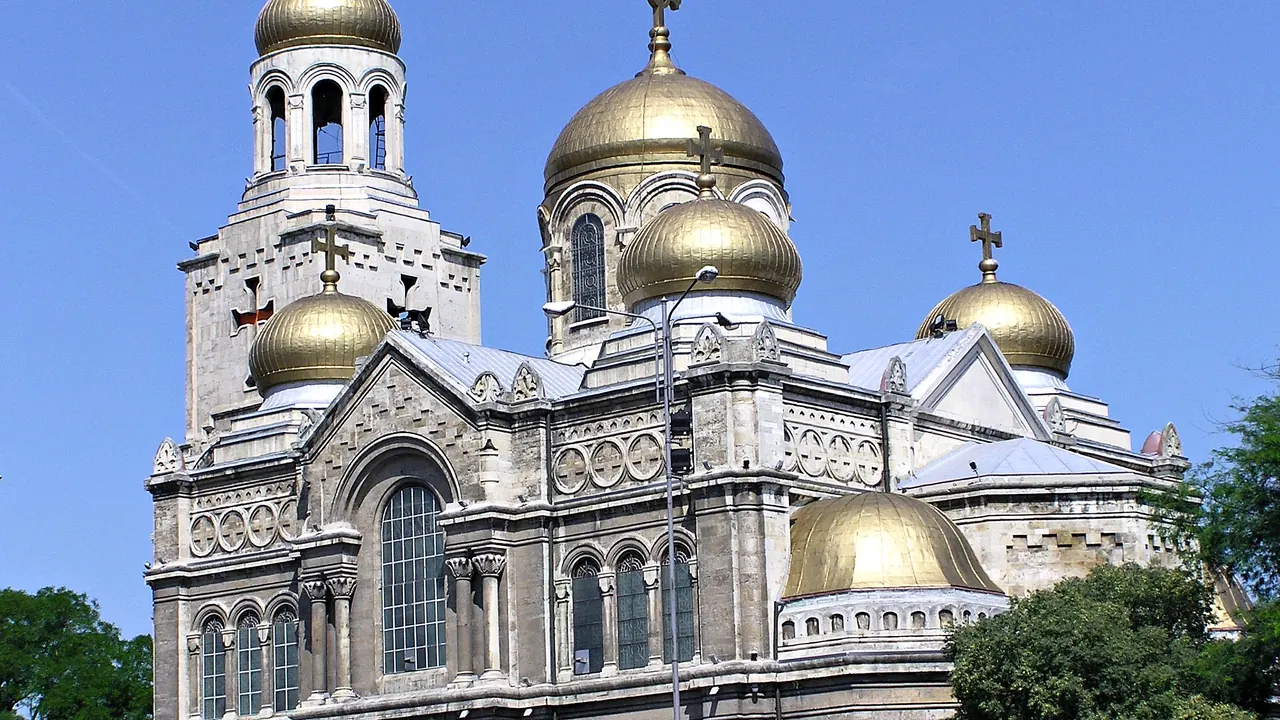
Photos: Plovdiv by Ad Meskens, CC BY-SA 4.0, cropped; Varna by Raphaël Toussaint, CC BY-SA 3.0, cropped.
Plovdiv or Varna?
Our verdict in twelve categories, each scored against the same fixed benchmark cities, and the climate month by month, so you can choose for your trip.
Choose Plovdiv for
- culture and sights
- nature and the outdoors
- day trips
Plovdiv is the pick for a trip built around history and walking. It has a Roman theatre still used for performances, painted Revival houses on the Old Town hills and a compact car-free centre that links them. It is also the better base for central Bulgaria, with Bachkovo, Kazanlak and the Rhodopes within easy reach, and it suits anyone who would rather spend the evening over a Thracian red than on a dance floor.
Choose Varna for
- beaches
- families
- nightlife
Choose Varna if the sea is the point. Its sandy city beach lies below the Sea Garden, the resorts to the north have wider sand, and summer nights run until dawn in the beach clubs. Families do better here too, because the zoo, aquarium and planetarium share a park with the lifeguarded beach. Come between late June and mid September, though. Out of season it is a quieter town with fewer reasons to stay.
Scoreboard
Twelve categories on one fixed scale from 0 to 100. The shaded stretch is the gap between the two.
Your match
Pick a travel style or drag the sliders, and both match scores follow your weighting.
Wins on culture and sights and nature and the outdoors with your weighting.
Wins on beaches and families with your weighting.
What matters to you?
Category by category
What the scores mean for a trip.
Beaches & swimming
There is no contest here. Plovdiv is inland on the Thracian plain, so a summer swim means a pool, the rowing canal or a reservoir in the Rhodopes. The Black Sea is a separate trip of several hours.
Varna has sand right below the Sea Garden, with lifeguarded city beaches and a chain of wider resort beaches 10km to 20km north, where the water shelves gently and the waves are small. The season runs only from late June to mid September and the water is less clear than the Mediterranean, but for a beach trip Varna is the obvious choice.
Food & drink
Both kitchens rest on the same Bulgarian base of shopska salad, grilled meats and banitsa, and neither offers much beyond it. The difference is in what comes with the meal. Plovdiv sits in wine country, so dinner in an Old Town mehana or a Kapana bistro comes with Mavrud and Rubin reds, and wineries are a short drive away.
Varna looks to the sea, with fried sprats, farmed mussels and turbot at simple places near the port, and Black Sea whites to go with them. Its seafront kitchens mostly close once summer ends.
Culture & sights
Plovdiv has far more to see. Its Roman theatre is still used for performances, the stadium lies under the main street and the basilicas hold early Christian mosaics. The painted National Revival houses of the Old Town add a much later layer, and two or three days on foot cover it all well.
Varna has one world-class treasure: the six-thousand-year-old Necropolis gold in the Archaeological Museum. Add the Roman Thermae and the gilded Dormition Cathedral, and beyond those it is a pleasant mix of older houses and socialist-era blocks that a day or two will cover.
Nightlife
Varna has the bigger night out, but only in summer. From June to September the beach clubs below the Sea Garden run DJ sets on open terraces until dawn, and Golden Sands up the coast is louder still. Out of season, going out means the bars and pubs of the pedestrian centre.
Plovdiv's evenings are smaller and more about conversation. Craft beer, wine and cocktail bars fill the little streets of Kapana, students keep them busy, and there are only a handful of clubs. The city suits a long evening over local wine rather than a night of dancing.
Nature & outdoors
Plovdiv is better for anyone who wants real hills. The rocky tepeta give quick climbs inside the city, the forested valleys and gorges of the Rhodopes begin about 20km away, and the higher Central Balkan range is an hour to the north. A car helps, and spring and autumn are the seasons for walking.
Varna's outdoors is gentler and on the coast: shaded paths in the Sea Garden, the strange stone columns of Pobiti Kamani, birds in the Kamchia riverside forest and the red cliffs of Cape Kaliakra, where dolphins are often seen. There are no mountains close by, so it suits easy walks and summer sailing rather than hiking.
Day trips
Both are good bases, but Plovdiv has more within a short drive. Bachkovo Monastery is half an hour away, and Hisarya's Roman walls and the Thracian temple at Starosel are within an hour. Kazanlak's Thracian tomb and the Valley of Roses, or the painted village of Koprivshtitsa, each make a full day out.
Varna's outings split between the coast and early Bulgarian history. You have the peninsula churches of Nessebar and the queen's palace gardens at Balchik, and inland the Madara Rider and the old capitals at Pliska and Preslav. From either city, a hire car opens up far more than the buses do.
Good for families
Varna is the easier city with children. The Sea Garden brings together a small zoo, the aquarium, a planetarium, the Natural History Museum and playgrounds under the trees. Steps lead down to lifeguarded beaches, water parks are a short ride north, and the flat promenade is easy with a pushchair.
Plovdiv is friendly to families, and its long pedestrian street is easy to stroll. Children usually enjoy the singing fountains in the Tsar Simeon Garden and running around the Roman theatre. Beyond that, little is aimed at children, the Old Town cobbles are steep, and the midsummer heat on the plain is tiring for small ones.
Getting around
In both cities you get around the centre on foot, taxis are easy to find and buses are of little help to a visitor. In Plovdiv the long car-free main street links the Roman ruins, Kapana and most of the museums, so sightseeing is simple, though the Old Town hills are steep and slippery underfoot.
Varna's centre is flat and compact, about a quarter of an hour on foot from the cathedral to the beach. But much of what summer visitors come for lies in the resorts to the north, and getting there means a taxi or a crowded bus with Cyrillic signs.
Shopping & style
Neither city is a shopping destination. Both have a pedestrian high street of chains, big malls on the edge of town and the same Bulgarian things to take home: rose oil cosmetics, embroidery, ceramics and wine.
Plovdiv has a little more character in the design studios and galleries of Kapana and the antique stalls on the way up to the Old Town. Varna's extra is mostly beachwear and souvenirs on the seafront stalls in summer.
Affordability
Both are among the cheapest cities in the EU to visit, with modest prices for meals, local wine, taxis and museum tickets. The difference is in the seasons. Plovdiv's Old Town guesthouses cost little and much of the city's appeal is free, while in Varna room rates climb sharply in July and August and the Golden Sands resorts charge more, so June or September gives better value there.
Live music & performing arts
These two are evenly matched, and both save their best for summer. Plovdiv's prize is an evening of opera or a concert in the Roman theatre under the stars, and the rest of the year it has an opera company, a philharmonic orchestra and a jazz festival.
Varna's strength is its festivals. Varna Summer goes back to the 1920s, there are performances at the Summer Theatre in the Sea Garden, and in some years the city hosts the International Ballet Competition, on top of the opera and ballet in its grand theatre on the main square. Outside the festivals, both programmes are modest and mostly in Bulgarian.
Wellness & relaxation
Varna has the edge because the springs are on its doorstep. St Konstantin and Elena, about 10km from the centre, is the traditional place for mineral pools and mud treatments, and there are warm mineral water taps by the shore. In May, June and September the Sea Garden is good for long, quiet walks.
Plovdiv has no baths of its own, so a proper soak means driving to Hisarya or Velingrad. What it has instead is aylyak, the local habit of taking things slowly with long coffees under the plane trees, which makes the city restful in itself.
When should you go?
Pick your month. The climate figures are measured averages, not a forecast.
Plovdiv in July
Varna in July
Daytime high, °C
Rainfall in the month, mm
Where the figures come from
Plovdiv has no rain gauge within 25 km of the centre, so its rainfall comes from a gridded climate dataset read at the city rather than from a gauge further away.
Plovdiv's sunshine is measured 75 km from the centre, at Kurdjali.
Temperature and rainfall are climate normals, averaged over the years shown. Plovdiv: 1997-2020 (sunshine 1991-2020, rainfall 1991-2020) normals, Plovdiv (1.2 km from centre). Varna: 1991-2020 normals, Varna (1.3 km from centre).
Plovdiv sits on an inland plain and has the hotter summer. Highs of around 31°C in July and August make midday sightseeing hard work, so May, June, September and early October are the comfortable months for walking the Old Town and the hills. Both cities are chilly in winter, and Plovdiv's rain is spread thinly through the year, with late spring the dampest stretch.
The sea keeps Varna's summer a couple of degrees cooler, and it gets a little more sun than Plovdiv in most months, most clearly from April to August. The swimming season is short. The Black Sea reaches about 21°C in June, peaks near 25°C in August and is still 22°C in September, then cools quickly. October is Varna's wettest month, so if you are going for walks rather than swimming, May and early June suit it better.
Which traveller are you?
For a beach and sun trip, Varna is the only real choice. Its city beach lies right below the Sea Garden, wider sand runs north to Golden Sands, and the sea is warm through July and August. Plovdiv is several hours from any coast.
On a culture and arts trip, Plovdiv gives you more. The Roman theatre, the stadium and the basilicas with their mosaic floors sit beside a hilltop Old Town of painted Revival houses, all on foot. Varna's Necropolis gold is remarkable, but the city's sights fill only a day or two.
On a family trip with children, Varna is easier. The zoo, aquarium, planetarium and playgrounds share one park with lifeguarded beaches, and water parks are close by. Plovdiv has pleasant parks and fountains but little made for children, and its Old Town cobbles are steep.
Before you go
| Measure | Plovdiv | Varna |
|---|---|---|
| Official language | Bulgarian | Bulgarian |
| Currency | Euro (EUR) | Euro (EUR) |
| Sockets | CF230 V, 50 Hz | CF230 V, 50 Hz |
| Driving side | Right | Right |
| Time zone | UTC+2, UTC+3 in summer | UTC+2, UTC+3 in summer |
| Emergency number | 112 | 112 |
| Elevation | 172 m | 38 m |
| Main airport | Plovdiv International Airport (PDV)12 km from centre8 non-stop destinations | Varna Airport (VAR)7 km from centre51 non-stop destinations |
| Public holidays this year | 15 days | 15 days |
By the numbers
| Measure | Plovdiv | Varna |
|---|---|---|
| City population | 333,994 | 322,683 |
| People per km² | 3,274 | 2,093 |
| Museums within 10 km | 18 | 14 |
| UNESCO World Heritage sites within 50 km | 0 | 0 |
| Swim season, months above 21 °C | - | 4 months |
Where else could you go?
Every comparison below shares a destination with this one, so you can follow Plovdiv or Varna somewhere new.
- Burgasvs Varna
- Sofiavs Plovdiv
- Bucharestvs Varna
- Thessalonikivs Plovdiv
- Burgasvs Plovdiv
- Istanbulvs Varna