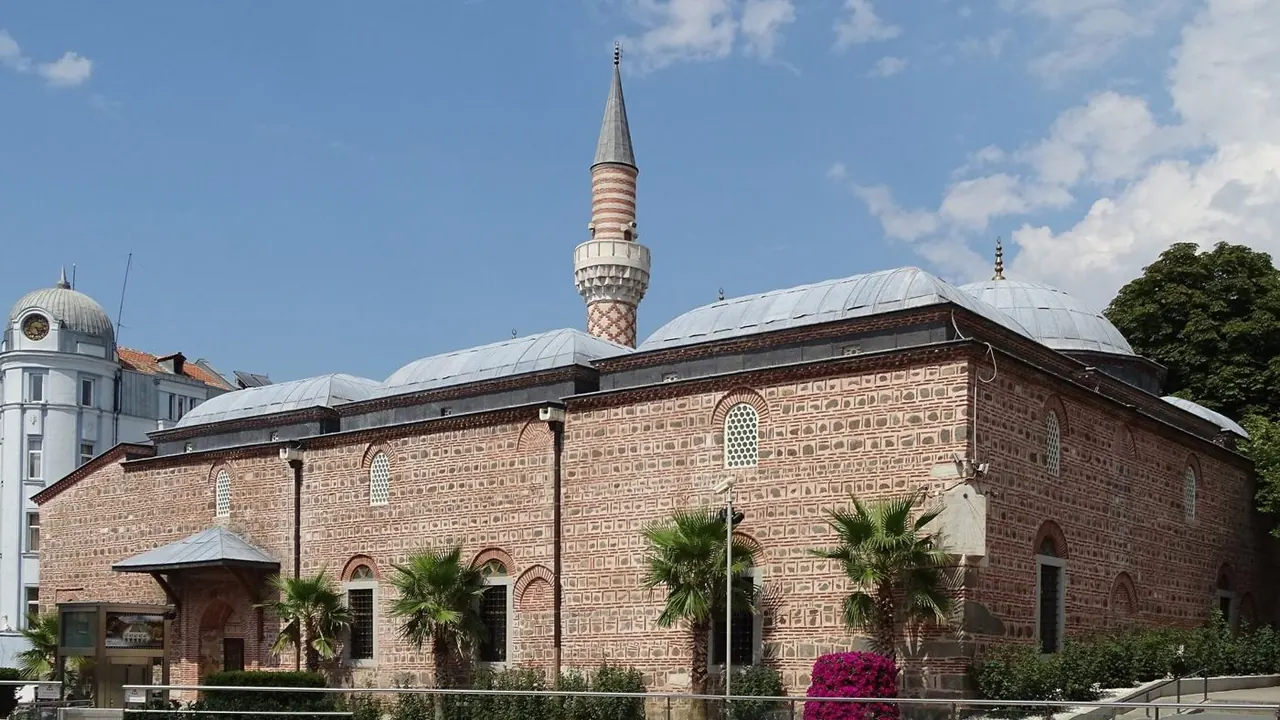
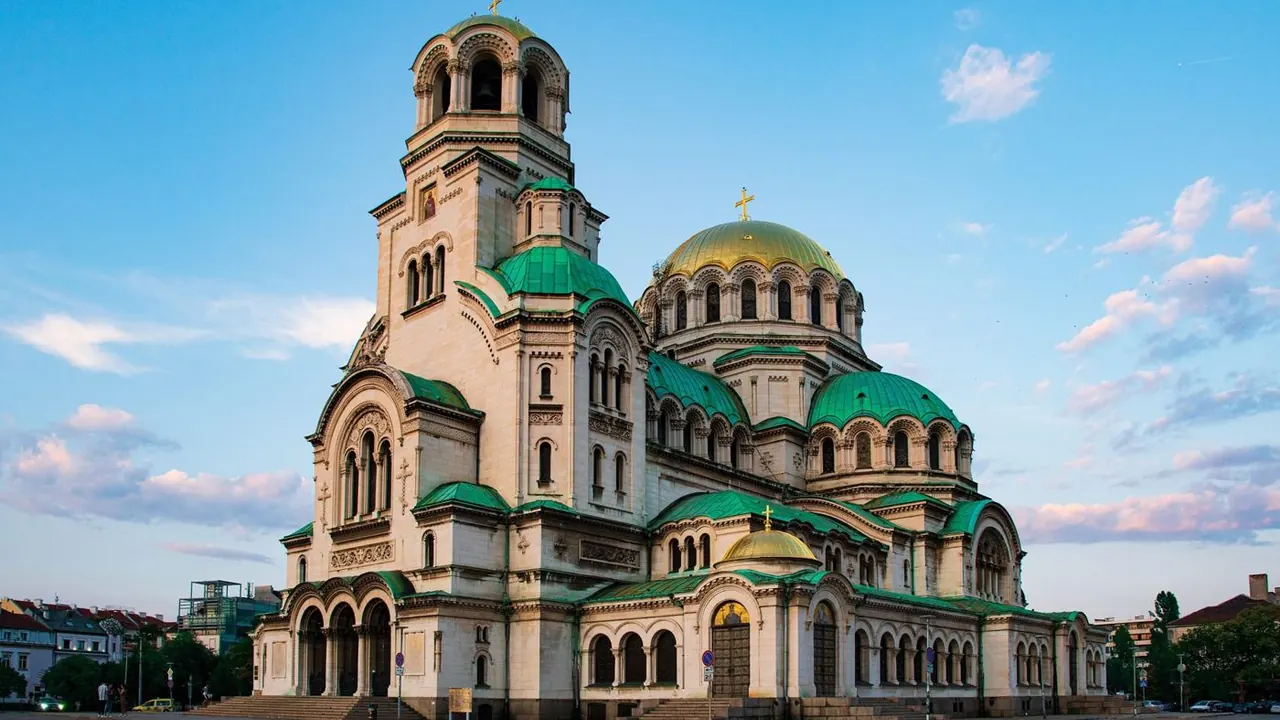
Photos: Plovdiv by Ad Meskens, CC BY-SA 4.0, cropped; Sofia by Jose Ligero Loarte, CC BY-SA 4.0, cropped.
Plovdiv or Sofia?
Our verdict in twelve categories, each scored against the same fixed benchmark cities, and the climate month by month, so you can choose for your trip.
Choose Plovdiv for
- day trips
- culture and sights
- food and drink
Plovdiv suits travellers who want the past close enough to touch and a slower rhythm to go with it. The Roman theatre, the stadium under the main street and the painted Revival houses of the Old Town sit within one easy walk, and the town works well as a base for central Bulgaria, with Bachkovo, Hisarya, Starosel and the Valley of Roses all within reach. Add evenings over Thracian reds in Kapana and it makes a fine trip for history, wine and touring by car.
Choose Sofia for
- nature and the outdoors
- nightlife
- live music and the arts
Sofia is the better pick if you want mountains on the doorstep and a city that keeps going after dark. Vitosha rises straight from the southern suburbs and you can reach its trails by bus and gondola, and Rila is close enough for the lakes and the great monastery. The capital also has a bigger bar quarter and a year-round season of opera, ballet and orchestral music, which makes it the stronger choice for active travellers and those who like a full evening programme.
Scoreboard
Twelve categories on one fixed scale from 0 to 100. The shaded stretch is the gap between the two.
Your match
Pick a travel style or drag the sliders, and both match scores follow your weighting.
Too close to call, 1 point apart
Wins on day trips and culture and sights with your weighting.
Wins on nature and the outdoors and nightlife with your weighting.
What matters to you?
Category by category
What the scores mean for a trip.
Beaches & swimming
Both are inland and have no beaches, so a swim means a pool or fresh water. Plovdiv's options are the rowing canal on the western edge and the mountain reservoirs of the Rhodopes. Sofia has Pancharevo lake and the park pools, and the Black Sea is further from the capital, a full day's drive against several hours from Plovdiv.
Food & drink
The two eat much alike: kebapche, shopska salad, clay-pot dishes and banitsa for breakfast, served in mehanas in both cities. Plovdiv has a slight edge because it sits in the middle of wine country. Mavrud and Rubin come from the surrounding Thracian Valley, and you can visit estates near Asenovgrad and Brestovitsa within the afternoon, while Kapana's small streets put modern bistros and craft beer within a few steps of each other.
Sofia adds summer tarator, boza with breakfast and the odd tavern with live folk music. Its lighter modern cooking clusters around Vitosha Boulevard. Neither city goes far beyond Balkan cooking, so come for honest meals and good wine rather than gastronomy.
Culture & sights
Plovdiv's antiquity is more complete and more striking. The Roman theatre still faces out over the city from its hillside, the stadium opens up beneath the pedestrian street, and the early Christian mosaics in the two basilicas are a real highlight. Above it all, the cobbled Old Town of National Revival houses gives you a whole historic quarter to wander, not just a list of monuments.
Sofia has fine individual sights: Roman Serdica around the metro, the Rotunda of St George, the gold domes of Alexander Nevsky and, out at the foot of Vitosha, the UNESCO-listed frescoes of Boyana Church. Its National Museum of History and its Museum of Socialist Art go deeper on Thracian gold and the communist era. The streets in between are plainer, though, and the capital feels less like a single historic place.
Nightlife
Sofia has more to offer after dark. The bars around Shishman and Tsar Ivan Asen streets, the cellar bars beneath grand old buildings and a few electronic clubs give it enough range for several different nights out.
Plovdiv's evenings mostly happen in Kapana, where wine and craft beer bars fill the pavements on warm nights and students keep term-time busy. It is charming but small, and you are more likely to end the night over a glass of wine than to go dancing.
Nature & outdoors
Sofia has a mountain on its doorstep. Vitosha rises above 2,200m right at the city's edge, and you can reach its forests, boulder rivers and summit trails on public transport and by gondola. The Seven Rila Lakes and the skiing at Borovets are within reach for a day, and the big South Park and Borisova Gradina give long walks without leaving town.
Plovdiv's own green space is its rocky tepeta, short climbs with rooftop views. The Rhodope gorges begin about 20km south, and Pamporovo and the Central Balkan range lie further out, but almost all of it calls for a car. The hot plain also means spring and autumn suit walking better than summer.
Day trips
Plovdiv is the better base, because central Bulgaria lies all around it. Bachkovo Monastery and the Asenovgrad fortress are half an hour away, and Hisarya's Roman walls and the Thracian temple at Starosel are under an hour. Kazanlak's tomb, the Valley of Roses, Shipka and Koprivshtitsa all make a full day out. Wine estates dot the plain in between.
Sofia's outings are fewer and longer. Rila Monastery is the one not to miss, and Plovdiv itself is a two-hour trip east, with Koprivshtitsa and the Iskar Gorge for quieter days. In both cities, a hire car makes far more of this possible.
Good for families
Plovdiv's long car-free main street makes it the easier of the two with a pushchair, and its simple outings are close together. Children can watch the singing fountains in the Tsar Simeon Garden in the evening, use the playgrounds and paths in Lauta park and along the rowing canal, and scramble around the Roman theatre. The catches are the steep Old Town cobbles and the midsummer heat.
Sofia's best family day is up a mountain, riding the gondola onto Vitosha and walking its forest trails. In town there is a hands-on science centre, the mineral halls of the Museum of Earth and Man, a modest zoo and playgrounds in Borisova Gradina and South Park. Broken pavements and high kerbs make getting around with a buggy harder than in Plovdiv.
Getting around
Both centres are easy to explore on foot, but they work differently. Plovdiv runs along one long pedestrian spine with Kapana, the ruins and the museums just off it, so you rarely need transport at all, though the steep Old Town cobbles are tough on ankles.
Sofia is bigger and leans on its clean metro, which links the airport, the centre and the foothills of Vitosha, with trams and buses for the rest. Cracked pavements and Cyrillic-only signs away from the centre take a little getting used to.
Shopping & style
Neither city is worth visiting for its shops, and both offer the same souvenirs: rose oil cosmetics, embroidery and pottery. Plovdiv's more interesting shopping is the small design studios and galleries in Kapana and the antique stalls on the climb to the Old Town. Sofia has a little more scale, with Vitosha Boulevard ending at the mountain, Troyan pottery in craft shops, the icon and curio flea market by Alexander Nevsky and the Zhenski Pazar produce market.
Affordability
In Plovdiv, much of what you came for costs nothing. The Roman stadium under the main street is there for anyone walking past, and an evening in Kapana costs only what you drink. Guesthouses in the Old Town, mehana dinners with local wine and taxis are all inexpensive.
Sofia is just as easy on the budget, which is rare for a capital. Metro rides from the airport, central hotels and museum entry all cost little. The smarter bistros and cocktail bars charge a bit more but never feel expensive, and a day on Vitosha or at Rila Monastery adds little to the bill.
Live music & performing arts
Sofia has the deeper programme across the year. The National Opera and Ballet, the Sofia Philharmonic at Bulgaria Hall, the big National Palace of Culture and the Ivan Vazov theatre keep something on most weeks, and Orthodox choral singing is a distinctive extra.
Plovdiv's scene is smaller and more local, but it has one thing Sofia can't match: opera and concerts on summer nights in the Roman theatre. Outside that season, its opera, philharmonic and jazz festival are modest, and its plays, like Sofia's, are in Bulgarian.
Wellness & relaxation
Neither city has a working historic bathhouse in the centre, so both rely on hotel spas and nearby spa towns. Sofia's mineral water is part of daily life, with locals filling bottles at the warm taps by the old Central Mineral Baths, and Bankya is half an hour away for a proper soak. Plovdiv offers aylyak instead, the local art of taking it slow under the plane trees, with Hisarya's mineral pools about 45 minutes out. Velingrad is within reach of both.
When should you go?
Pick your month. The climate figures are measured averages, not a forecast.
Plovdiv in July
Sofia in July
Daytime high, °C
Rainfall in the month, mm
Where the figures come from
Plovdiv has no rain gauge within 25 km of the centre, so its rainfall comes from a gridded climate dataset read at the city rather than from a gauge further away.
Plovdiv's sunshine is measured 75 km from the centre, at Kurdjali.
Temperature and rainfall are climate normals, averaged over the years shown. Plovdiv: 1997-2020 (sunshine 1991-2020, rainfall 1991-2020) normals, Plovdiv (1.2 km from centre). Sofia: 1991-2020 normals, Sofia Observ. (7.3 km from centre).
Neither city is a beach destination, so the question is when the streets and trails are pleasant. Plovdiv, low on the Thracian plain, gets noticeably hotter: July and August reach about 31°C and are the driest months, with only 26mm in August, so midsummer sightseeing there is best done early and late. Sofia sits higher and stays a few degrees cooler, around 28°C at the peak, which makes summer the good season for Vitosha and Rila. Its rain falls mostly in late spring and early summer, up to 78mm in June, so expect afternoon showers then.
Both have the same long summer sunshine and cold, grey winters, with daytime highs only just above freezing. In Plovdiv winter is also quite wet, with 49mm in December, while Sofia's winters are a little drier and bring snow to the mountains. May, June and September are the sweet spot in Plovdiv, while Sofia is at its best from June to September.
Which traveller are you?
On a culture and arts trip, Plovdiv is the stronger choice for sights. Its Roman theatre, forum and basilica mosaics and its Old Town of painted merchant houses make a richer walk than Sofia's scattered churches, although Sofia has the fuller opera and concert season.
For an outdoors trip, Sofia wins clearly. Vitosha's spruce forests, boulder rivers and Cherni Vrah are reachable by city bus and gondola, and the Seven Rila Lakes and Borovets are close by. Plovdiv's Rhodopes are near too, but you really need a car.
On a food and nightlife trip, Sofia offers more evening. The Shishman quarter, the underground bars and the summer park terraces keep things going later. Plovdiv suits those who'd rather linger over Mavrud in Kapana after a mehana dinner, with wineries a short drive out.
Before you go
| Measure | Plovdiv | Sofia |
|---|---|---|
| Official language | Bulgarian | Bulgarian |
| Currency | Euro (EUR) | Euro (EUR) |
| Sockets | CF230 V, 50 Hz | CF230 V, 50 Hz |
| Driving side | Right | Right |
| Time zone | UTC+2, UTC+3 in summer | UTC+2, UTC+3 in summer |
| Emergency number | 112 | 112 |
| Elevation | 172 m | 560 m |
| Main airport | Plovdiv International Airport (PDV)12 km from centre8 non-stop destinations | Sofia Airport (SOF)8 km from centre97 non-stop destinations |
| Public holidays this year | 15 days | 15 days |
By the numbers
| Measure | Plovdiv | Sofia |
|---|---|---|
| City population | 333,994 | 1,213,134 |
| People per km² | 3,274 | 2,466 |
| Museums within 10 km | 18 | 42 |
| UNESCO World Heritage sites within 50 km | 0 | 1 |
Where else could you go?
Every comparison below shares a destination with this one, so you can follow Plovdiv or Sofia somewhere new.