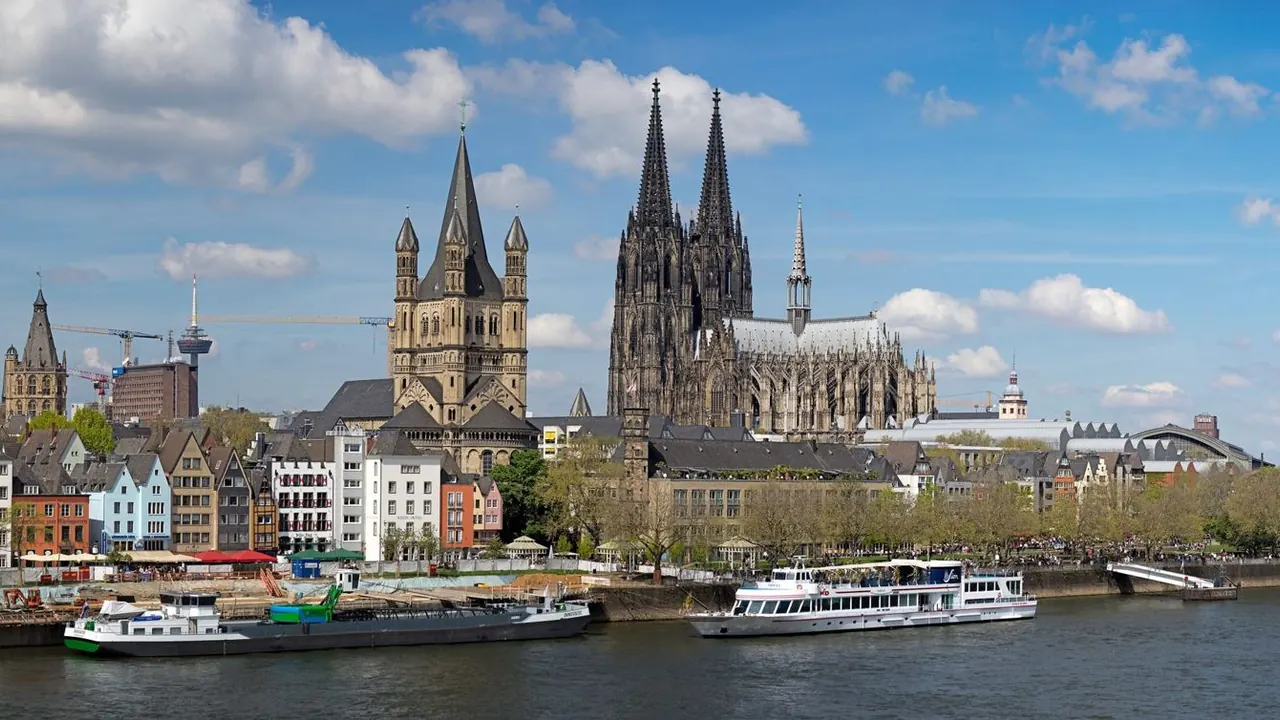
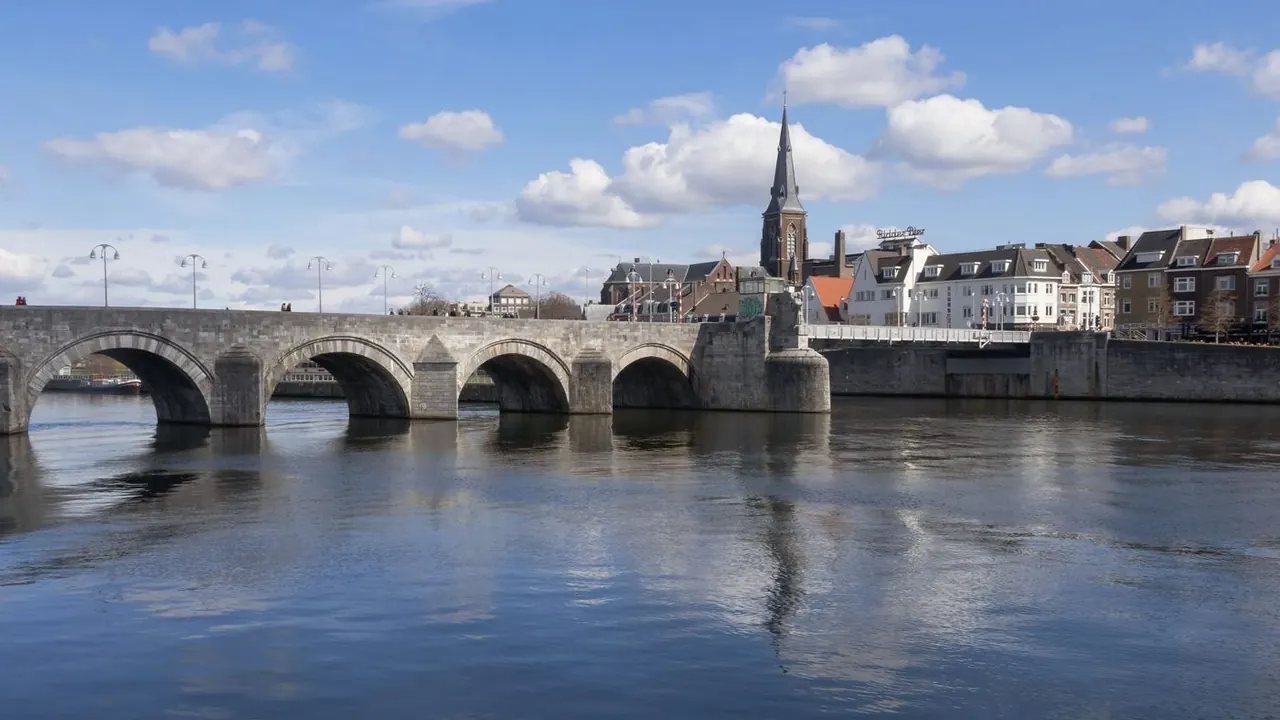
Photos: Cologne by Jörg Braukmann, CC BY-SA 4.0, cropped; Maastricht by Michielverbeek, CC BY-SA 4.0, cropped.
Cologne or Maastricht?
Our verdict in twelve categories, each scored against the same fixed benchmark cities, and the climate month by month, so you can choose for your trip.
Choose Cologne for
- live music and the arts
- nightlife
- families
Cologne suits travellers who want a bigger city with more going on after dark. Evenings run from brewhouses into the bars of the Belgian Quarter and the clubs of Ehrenfeld, and the cathedral and museums are strong enough to fill several days. The opera and the Philharmonie's orchestras add to the evenings. It is also the easier choice with children, and its fast trains make it a good base for Bonn, the Rhine Gorge and beyond.
Choose Maastricht for
- food and drink
- shopping
- nature and the outdoors
Pick Maastricht for a slower, smaller weekend of eating well, browsing the Stokstraat boutiques and wandering an old centre that holds together as a whole, which Cologne's rebuilt streets do not. Its nights are quieter and its stages more provincial. In return you get the terraces on the Vrijthof, the hills of South Limburg and the thermal pools near Valkenburg, which make it the better pick for couples who would rather unwind than go out.
Scoreboard
Twelve categories on one fixed scale from 0 to 100. The shaded stretch is the gap between the two.
Your match
Pick a travel style or drag the sliders, and both match scores follow your weighting.
Wins on live music and the arts and nightlife with your weighting.
Wins on food and drink and shopping with your weighting.
What matters to you?
Category by category
What the scores mean for a trip.
Beaches & swimming
Neither city is a place for swimming, though Cologne has slightly more to offer. Its flooded gravel pits, Fühlinger See and Otto-Maigler-See among them, have grassy banks and water of about 22°C on warm days. The sandy Rhine banks at Rodenkirchen are good for sitting but not for bathing.
Maastricht has similar lakes along the Maas on both sides of the border, some of them with lifeguards. In both cities a swim fills a summer afternoon, and the sea is too far away for a day out.
Food & drink
Maastricht eats a little better. Its Limburg cooking includes zuurvlees, vlaai and seasonal asparagus and game, and its fine-dining kitchens are unusually strong for a city of its size. Add Belgian beer, local white wine and the terraces on the Vrijthof and the Markt, and long meals become part of the visit.
Cologne's food is heartier and built around ritual: the Köbes refilling Kölsch glasses in the Altstadt brewhouses, Himmel un Ääd and the Halve Hahn. Where it pulls ahead is range. Ehrenfeld's Venloer Strasse has Turkish and Middle Eastern cooking that Maastricht's narrower scene lacks.
Culture & sights
Cologne has the bigger sights. There is the cathedral with its Shrine of the Three Kings, a ring of twelve Romanesque churches, Roman remains, and museums of real weight in Museum Ludwig, the Wallraf-Richartz and Kolumba. Its weakness is the townscape, rebuilt plainly after the war, so the experience is one great building after another.
Maastricht works the other way round. No single sight matches the cathedral, but the Basilica of Saint Servatius, the Helpoort, the medieval walls along the Jeker and the Sint Servaasbrug sit in an old centre that rewards a simple walk. The Sint-Pietersberg tunnels and the Bonnefanten fill out two good days.
Nightlife
Cologne is the clear choice for a night out. An evening can move from Kölsch in the Altstadt to cocktail bars in the Belgian Quarter, the student crowd on Zülpicher Strasse and late clubs in Ehrenfeld's old factories. The gay scene around Rudolfplatz is one of the largest in Germany.
Maastricht's nights are mostly spent in brown cafés and on the squares around the Markt and the Platielstraat. They are busy at weekends during term, but there is little clubbing. Both cities give themselves over to Carnival, Cologne on a far larger scale.
Nature & outdoors
Both cities are surrounded by gentle countryside rather than anything dramatic, but Maastricht's begins at the edge of town. It has the marl cliffs of the Sint-Pietersberg, the green Jeker valley, and the sunken lanes and short, steep climbs of the Heuvelland that road cyclists come for.
Cologne itself is flat, with the Grüngürtel parks and long cycle paths beside the Rhine. To reach the Drachenfels in the Siebengebirge or the crater lakes of the Eifel you need a short trip out.
Day trips
Both make excellent bases, and Aachen is an easy trip from either. Cologne's strength is fast trains. Brühl's palaces, Bonn and Düsseldorf are all close, the castle towns of the Rhine Gorge are within reach, and Brussels is a little under two hours away.
Maastricht's strength is borders. Within about half an hour you can be in Liège, Tongeren or Valkenburg, moving between countries and languages. Cologne is a longer outing from here.
Good for families
Cologne is the easier city with children, and much of the fun is in town. It has the zoo and aquarium, the production line at the Chocolate Museum and the cable car over the Rhine to the playgrounds of the Rheinpark. Phantasialand is a short trip south. Carnival is the time to avoid.
Maastricht is calm, flat and safe for wandering, but inside the city the tunnels of the Sint-Pietersberg are the main outing for children. Most of the rest, such as the show caves and fairy-tale park at Valkenburg or the zoo at Kerkrade, means leaving town.
Getting around
Both are easy without a car, in different ways. Cologne's main station stands beside the cathedral and the core is walkable. To reach Ehrenfeld, the Belgian Quarter or the zoo, though, you need the Stadtbahn and trams, which can be crowded and hard to work out.
Maastricht is small enough that almost everything is a short walk away on one bank of the Maas or the other. Cobbles are the only nuisance, and cycling is how locals get about. The hill villages are a different matter: buses are limited, so a bike or a car helps.
Shopping & style
Neither city is a luxury destination, and they suit different kinds of shopping. Cologne offers volume: chains and department stores along Schildergasse and Hohe Strasse, and independents on Ehrenstrasse and in the Belgian Quarter. It also has Eau de Cologne from the historic perfume houses and Christmas markets in Advent.
Maastricht is the more pleasant place to browse. The Stokstraat quarter has fashion boutiques in restored old houses, Wyck has shops for interiors and vintage, and the weekly market fills the Markt. This is why Dutch, Belgian and German visitors come for shopping weekends.
Affordability
Cologne is the cheaper stay. Brewhouse meals and Kölsch are kind to the budget, and many churches, the cathedral among them, are free to enter. Hotels are moderate except during a big trade fair at the Messe or during Carnival, so check the dates before you book.
Maastricht charges Dutch prices for meals, terrace drinks and rooms, and weekend rooms are in demand. You can narrow the gap by staying midweek, walking everywhere and eating simply in bakeries and brown cafés.
Live music & performing arts
Cologne is far stronger on stage. The opera and the Schauspiel share Offenbachplatz, and the Philharmonie by the cathedral is home to the Gürzenich Orchestra and the WDR Symphony Orchestra. Jazz, electronic music and small gig venues fill Ehrenfeld and the Südstadt, and big touring acts play the arena in Deutz.
In Maastricht the stage life centres on the theatre on the Vrijthof, with the regional orchestra and opera company, plus conservatory recitals and church concerts. The large open-air concerts on the Vrijthof in summer are its big moment, but few people visit for the stage.
Wellness & relaxation
The two are evenly matched for unwinding, and Aachen's hot springs are close to both. Cologne has a thermal bath in the city itself, in the Rheinpark looking across to the cathedral, as well as large German sauna landscapes. Its centre, though, is busy.
Maastricht has no baths of its own. It relies on the thermal spa above Valkenburg and on the town of Spa, within an hour. What it offers instead is pace: quiet squares, long lunches and walks along the Jeker.
When should you go?
Pick your month. The climate figures are measured averages, not a forecast.
Cologne in July
Maastricht in July
Daytime high, °C
Rainfall in the month, mm
Temperature and rainfall are climate normals, averaged over the years shown. Cologne: 1991-2020 normals, Köln-Stammheim (5.4 km from centre). Maastricht: 1991-2020 normals, Maastricht Airport Zuid Limburg (10 km from centre).
The two cities have almost the same climate. Both are at their best from May to September, when afternoons are mild to warm and there is enough sun for terraces and long walks. July and August reach about 25°C in Cologne and a degree less in Maastricht, which is warm enough for the gravel-pit lakes on the hottest days. Summer is also the wettest stretch, with about 80mm of rain a month in both. Spring is a good alternative: April is Maastricht's driest month at 41mm, and Maastricht gets a little more sun than Cologne through spring and autumn.
Winter is cold and grey in both, with highs of about 6°C and very little sunshine, and Cologne is slightly the gloomier of the two in December. Neither gets too hot for sightseeing at any point in the year. What holds you back from November to February is the chill and the short, dull days.
Which traveller are you?
For a culture and arts trip, Cologne is the stronger pick. The cathedral, the Romanesque churches and Museum Ludwig fill the days, and in the evenings there is opera, two major orchestras at the Philharmonie and jazz, which Maastricht's provincial stages cannot match.
On a family trip with children, Cologne has more within the city itself: the zoo, the Chocolate Museum and the cable car over the Rhine, with Phantasialand close by. Maastricht is calm and safe, but most outings for children mean a trip out to Valkenburg.
On a relaxing and wellness trip, Maastricht's unhurried rhythm suits better. Long lunches on the Vrijthof, walks along the Jeker and the thermal pools above Valkenburg make for a restful weekend, while Cologne's busy centre and brewhouse crowds keep the pace higher.
Before you go
| Measure | Cologne | Maastricht |
|---|---|---|
| Official language | German | Dutch |
| Currency | Euro (EUR) | Euro (EUR) |
| Sockets | CF230 V, 50 Hz | CF230 V, 50 Hz |
| Driving side | Right | Right |
| Time zone | UTC+1, UTC+2 in summer | UTC+1, UTC+2 in summer |
| Emergency number | 112 | 112 |
| Elevation | 59 m | 49 m |
| Main airport | Cologne Bonn Airport (CGN)15 km from centre115 non-stop destinations | Maastricht Aachen Airport (MST)9 km from centre5 non-stop destinations |
| Public holidays this year | 11 days | 11 days |
By the numbers
| Measure | Cologne | Maastricht |
|---|---|---|
| City population | 1,025,523 | 120,227 |
| People per km² | 2,532 | 2,000 |
| Museums within 10 km | 40 | 21 |
| UNESCO World Heritage sites within 50 km | 3 | 5 |
Where else could you go?
Every comparison below shares a destination with this one, so you can follow Cologne or Maastricht somewhere new.