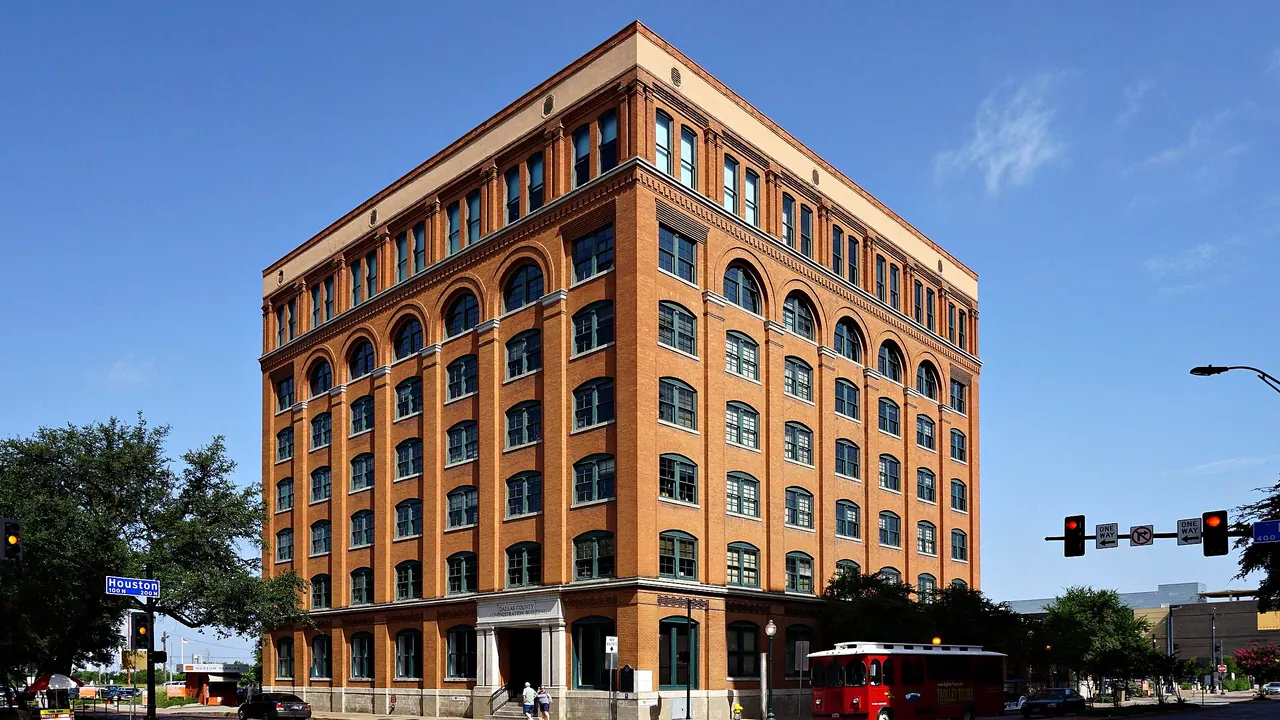
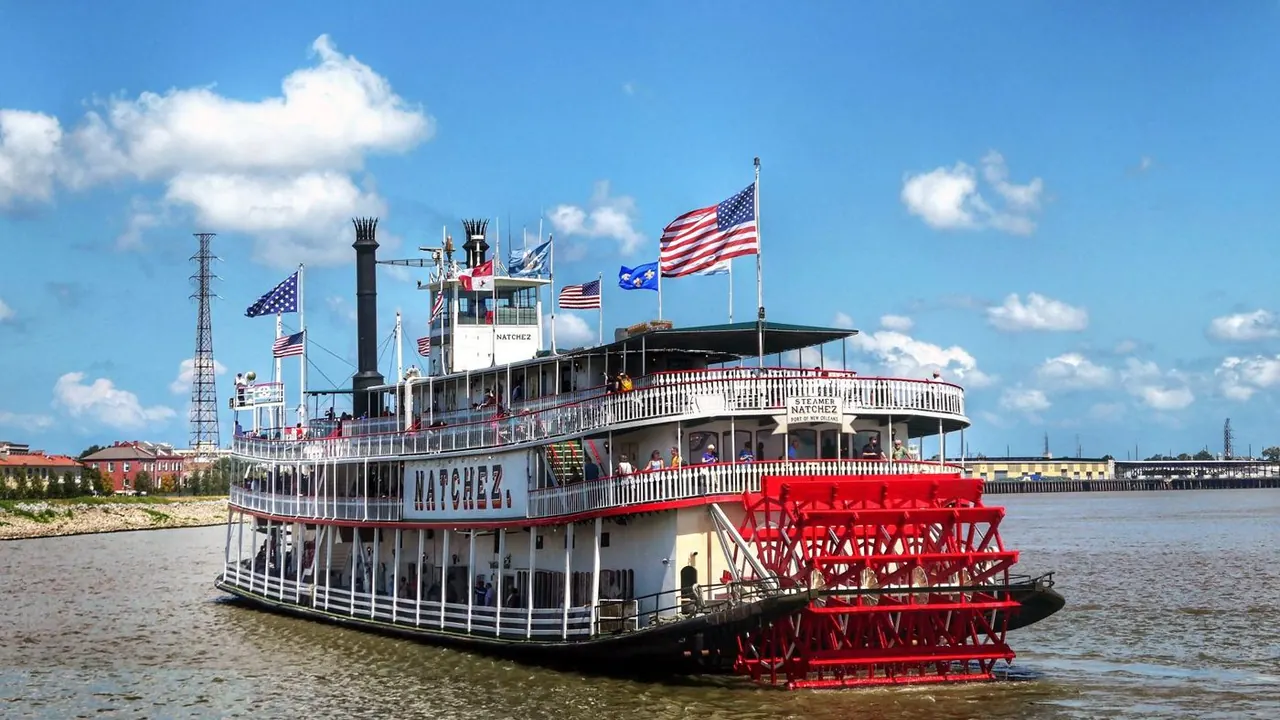
Photos: Dallas by Michael Barera, CC BY-SA 4.0, cropped; New Orleans by Bernard Spragg, CC0.
Dallas or New Orleans?
Our verdict in twelve categories, each scored against the same fixed benchmark cities, and the climate month by month, so you can choose for your trip.
Choose Dallas for
- families
- shopping
- prices
Dallas is the better pick for a family trip by car, or for travellers who like big malls and polished city comforts. It has theme parks and water parks in Arlington, two large zoos, a strong science museum and a serious luxury shopping scene built around Neiman Marcus. The Arts District also gives it a proper season of symphony, opera and theatre. You need to be happy driving, because almost everything sits miles apart.
Choose New Orleans for
- nightlife
- getting around
- food and drink
New Orleans suits travellers who want the city itself to be the experience: eating Creole and Cajun food, hearing live jazz most nights and walking the balconied streets of the French Quarter. It has a far stronger local identity, a much livelier night out and a centre you can explore on foot or by streetcar. It is less suited to young children or anyone who wants a quiet evening.
Scoreboard
Twelve categories on one fixed scale from 0 to 100. The shaded stretch is the gap between the two.
Your match
Pick a travel style or drag the sliders, and both match scores follow your weighting.
Wins on families and shopping with your weighting.
Wins on nightlife and getting around with your weighting.
What matters to you?
Category by category
What the scores mean for a trip.
Beaches & swimming
Dallas is the further of the two from salt water. The Gulf at Galveston is four hours or more by car, so it never works as a day out. The nearest swimming is at the park beaches of reservoirs such as Lewisville Lake and Grapevine Lake, which are warm all summer but muddy-brown and plain. White Rock Lake in the city is for paddling, not bathing.
New Orleans is a little better placed. The Mississippi Gulf Coast around Bay St. Louis and Gulfport is well over an hour's drive, close enough for a day on the sand, though the water is shallow and brownish rather than clear. In both cities, a swim on most days means the hotel pool.
Food & drink
Dallas eats well within a Texan frame: brisket sold by weight, Tex-Mex with frozen margaritas, serious steakhouses and taco trucks in Oak Cliff. Its real advantage is range. Carrollton's Koreatown, the South Asian kitchens of Irving and the Chinese strips of Richardson give it a spread of cooking from elsewhere. Most of it means driving, though, and there is little street life around eating.
New Orleans has the stronger table and one of the most distinctive cuisines in the country. Creole and Cajun cooking runs from century-old French Quarter dining rooms to corner po'boy shops, with crawfish boils in spring, oysters in the cooler months and the Sazerac at the bar. It has little range beyond its own tradition, and the food is rich, but you can eat your way through the city on foot.
Culture & sights
New Orleans has more to see, and much of it is the city itself. The French Quarter is an unusually complete colonial town, and the Garden District mansions, the above-ground tombs and the National WWII Museum fill several days.
Dallas has one sight of world interest, the Sixth Floor Museum at Dealey Plaza, and a compact Arts District with the Dallas Museum of Art and the Nasher. Beyond those and the Art Deco buildings of Fair Park, the centre is mostly towers and freeways, so two days covers the main sights.
Nightlife
This is one of the widest gaps between the two cities. New Orleans has no legal closing time, drinks can be carried in the street, and a night out drifts on foot from Frenchmen Street to Bywater dives and corner bars. Bourbon Street is there if you want it loud.
Dallas has a large, sociable scene split across separate districts, from scruffy Deep Ellum to polished Uptown patios. Getting between them takes a ride-hail, and Texas law ends the night at 2am.
Nature & outdoors
Both cities sit on flat land, but New Orleans has the more memorable surroundings. Within an hour you can take a boat or kayak through cypress swamps past alligators and herons, or walk the boardwalks of the Barataria Preserve. In town, City Park's old oaks are a pleasure.
Around Dallas the prairie is pleasant rather than striking. The Katy Trail, the loop around White Rock Lake, the Great Trinity Forest and the limestone paths of Cedar Ridge cover walking and cycling, and the reservoirs are used for sailing and paddleboarding.
Day trips
The two cities are about level for day trips, and in both the choice thins out after one or two good outings. From Dallas, the best day is Fort Worth, which you can reach by train. It offers the Stockyards' cattle-town past and the Kimbell Art Museum, and courthouse-square towns such as McKinney lie further out by car.
From New Orleans, the classic trip goes up the River Road to the sugar plantations, where the Whitney tells the story of the enslaved people who worked there. Other options are the small Gulf towns such as Ocean Springs and, at a stretch, the Cajun dance halls around Lafayette.
Good for families
Dallas is the easier choice with children because it has more of the big attractions families plan around. Arlington has a theme park and water park side by side, and Dallas adds the Perot Museum, the aquarium's rainforest walk and the State Fair each autumn. The catch is the amount of time spent in the car.
New Orleans has a good zoo with a swamp area, a riverfront aquarium and the children's museum and carousel in City Park. Streetcars and paddle steamers also go down well with children. Even so, Bourbon Street and some areas after dark mean parents have to plan evenings carefully.
Getting around
New Orleans is far easier without a car. The French Quarter, the Marigny and the Warehouse District sit close together on flat ground, and the historic St. Charles streetcar runs out to the Garden District. Ride-hails fill the gaps, including the airport and the swamps.
In Dallas, most visitors rent a car. DART light rail is useful for the airports, Deep Ellum and Fair Park, and the free M-Line streetcar links Uptown with downtown, but most sights lie miles apart along freeways.
Shopping & style
Dallas is the stronger shopping city, especially for luxury. It is the home of Neiman Marcus, NorthPark Center and the open-air Spanish-style Highland Park Village. It also does Western boots and hats in depth, from everyday shops to custom makers.
New Orleans wins on character rather than labels. Antique chandeliers and estate jewellery fill the dealers on Royal Street, Magazine Street has miles of independent and vintage shops, and Mardi Gras masks make a souvenir you will not find in Dallas.
Affordability
Costs are broadly similar, but the money goes in different places. In Dallas, hotels are cheaper away from the centre and barbecue and tacos keep meals affordable, but a hire car or regular ride-hails add up.
In New Orleans you can manage without a car, and much of the pleasure, such as street music and walking the Quarter, is free. Rooms near the French Quarter are the big expense, and they rise sharply during Mardi Gras and Jazz Fest.
Live music & performing arts
New Orleans is the stronger city for performance because live music is the main reason many people go. Jazz, brass bands, zydeco and funk play every night on Frenchmen Street and in Tremé, and second-line parades fill the streets on Sundays for much of the year.
Dallas is ahead on the formal side. The Arts District brings the Meyerson Symphony Center, the Winspear Opera House and the Wyly Theatre together within a short walk, which suits anyone after a full evening of orchestra, opera or theatre. Deep Ellum's clubs add a solid rock and blues scene.
Wellness & relaxation
Neither city is built for rest, and both rely mainly on hotel day spas. Dallas has the one real bathing experience between them, a large Korean-style bathhouse in the north of the city with heated rooms and pools.
New Orleans makes up for it with its slower pace. Quiet courtyard guesthouses, slow streetcar rides under the oaks and lazy afternoons in City Park make it easier to unwind than in car-bound Dallas.
When should you go?
Pick your month. The climate figures are measured averages, not a forecast.
Dallas in July
New Orleans in July
Daytime high, °C
Rainfall in the month, mm
Temperature and rainfall are climate normals, averaged over the years shown. Dallas: 1991-2020 (sunshine 1981-2010) normals, Dallas / Oldham (8.5 km from centre). New Orleans: 1991-2020 (sunshine 1981-2010) normals, New Orleans Airport (2.7 km from centre).
Spring and autumn are the best times to visit both cities. March, April, late October and November are warm without being punishing. Dallas has the harsher summer: July and August reach about 36°C under strong sun, which makes walking or sightseeing outdoors hard from June to September. New Orleans peaks a few degrees lower, but the humidity is heavy and summer is its wettest stretch, with June bringing about 194mm as heavy afternoon downpours.
New Orleans gets more rain across the year, while Dallas is drier and has its wettest months in May and October. Winter is milder in New Orleans, with highs around 17°C in January against Dallas's 14°C, so a winter city break is more comfortable there. For swimming, the Gulf near New Orleans reaches about 30°C in high summer and is still warm into September.
Which traveller are you?
On a food and nightlife trip, New Orleans is the clear choice. Gumbo, po'boys, oysters and the Sazerac all belong to the city. There is no fixed closing time, and Frenchmen Street lets you move from bar to bar and from one band to the next on foot.
On a family trip with children, Dallas works better. Six Flags and the water park in Arlington, the Perot Museum, two big zoos and an aquarium give you plenty for several days. In New Orleans, Bourbon Street at night and careful choices after dark make planning harder.
On a shopping trip, Dallas has the stronger offer. NorthPark Center, Highland Park Village and the Galleria cover the designer labels, and Western boots and hats are the local speciality. New Orleans is better for antiques on Royal Street and quirky boutiques along Magazine Street.
Before you go
| Measure | Dallas | New Orleans |
|---|---|---|
| Currency | US Dollar (USD) | US Dollar (USD) |
| Sockets | AB120 V, 60 Hz | AB120 V, 60 Hz |
| Driving side | Right | Right |
| Time zone | UTC-6, UTC-5 in summer | UTC-6, UTC-5 in summer |
| Emergency number | 911 | 911 |
| Elevation | 131 m | -2 m |
| Main airport | Dallas Fort Worth International Airport (DFW)25 km from centre266 non-stop destinations | Louis Armstrong New Orleans International Airport (MSY)18 km from centre51 non-stop destinations |
| Public holidays this year | 13 days | 14 days |
By the numbers
| Measure | Dallas | New Orleans |
|---|---|---|
| City population | 1,304,379 | 383,997 |
| People per km² | 1,309 | 423 |
| Museums within 10 km | 20 | 16 |
| UNESCO World Heritage sites within 50 km | 0 | 0 |
| Swim season, months above 21 °C | - | 7 months |
Where else could you go?
Every comparison below shares a destination with this one, so you can follow Dallas or New Orleans somewhere new.
- Gulf Shoresvs New Orleans
- Orange Beachvs New Orleans
- Pensacolavs New Orleans
- Austinvs Dallas
- Destinvs New Orleans
- Houstonvs Dallas