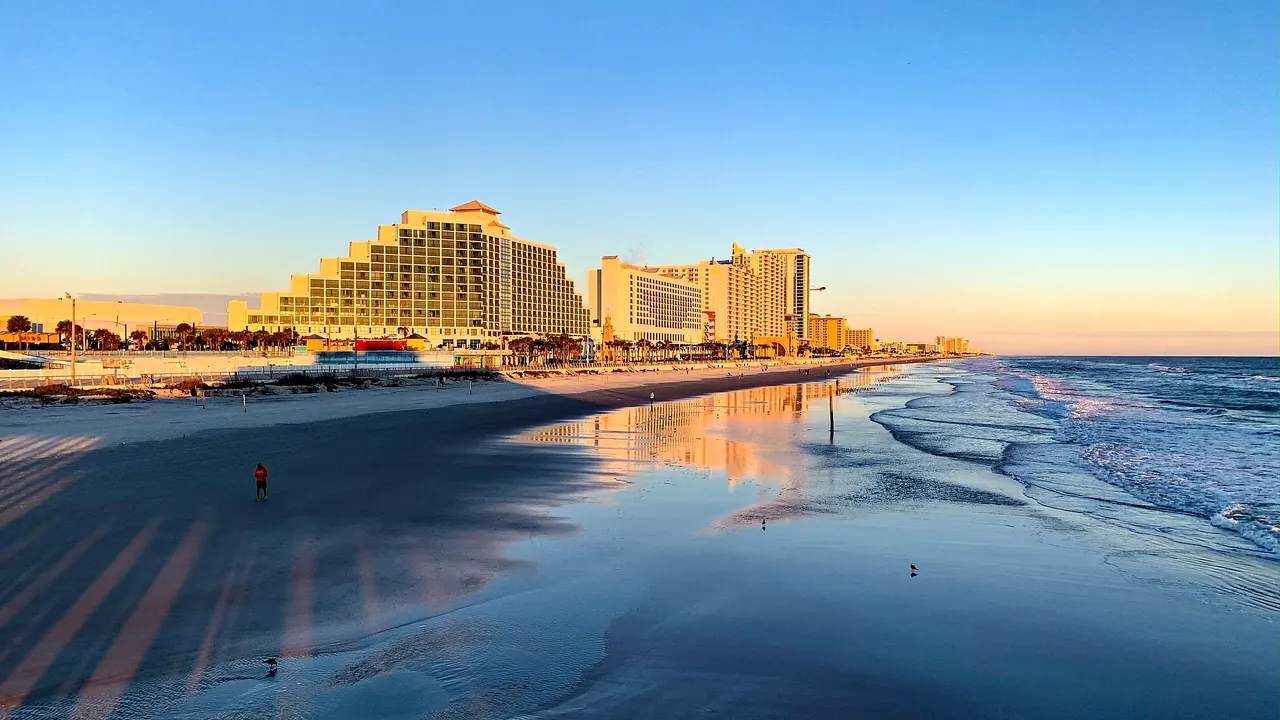
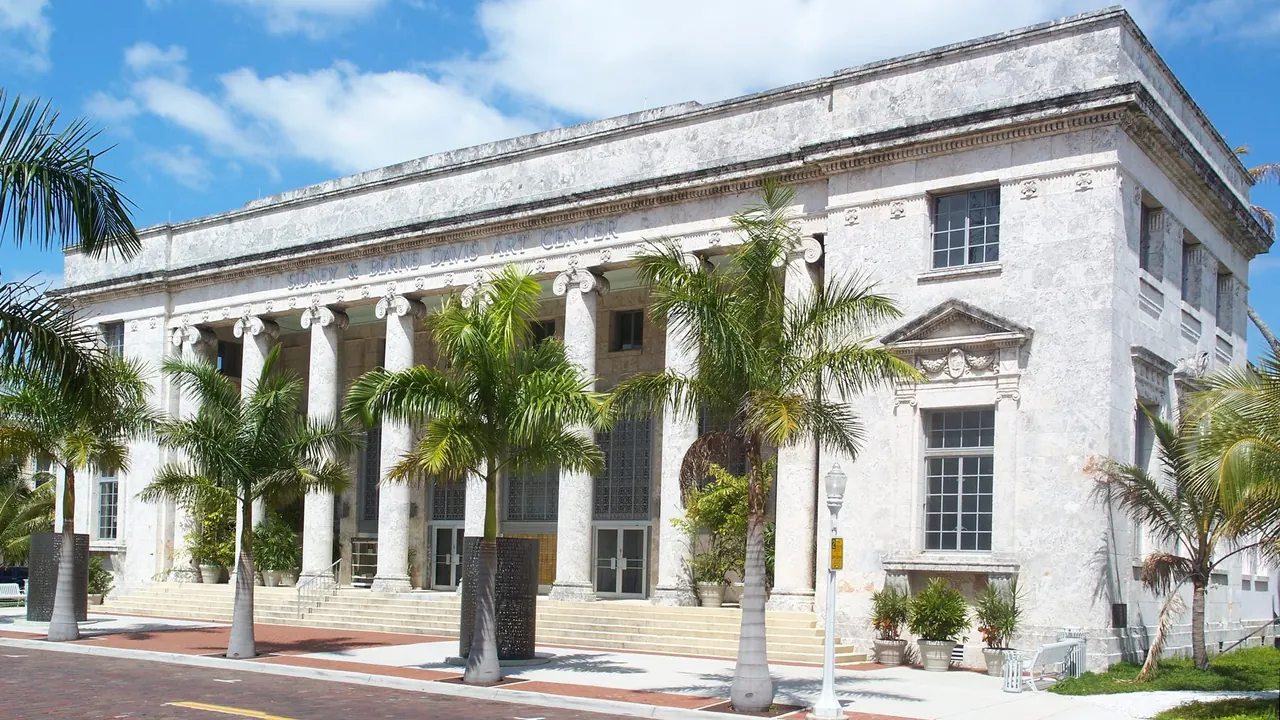
Photos: Daytona Beach by Han Zheng, CC BY-SA 2.0, cropped; Fort Myers by Ebyabe, CC BY-SA 3.0, cropped.
Daytona Beach or Fort Myers?
Our verdict in twelve categories, each scored against the same fixed benchmark cities, and the climate month by month, so you can choose for your trip.
Choose Daytona Beach for
- day trips
- nightlife
- prices
Daytona Beach suits travellers who want the beach on the doorstep and plenty to do beyond it. The sand starts at the hotel, St Augustine, Kennedy Space Center and Orlando are all an easy drive away, and rooms are generally cheaper. It also has the livelier bar scene, especially around Bike Week and race weeks. Pick it for an active, sociable trip on a sensible budget, and check the event calendar first.
Choose Fort Myers for
- shopping
- nature and the outdoors
- live music and the arts
Fort Myers is the better choice for a quieter, gentler stay built around wildlife and calm water. The Gulf beaches on Estero Island and Sanibel are shallow and easy for children, the mangroves and bird refuges are among the best in Florida, and the evenings are more relaxed. Expect to drive out to the sand and to pay more in winter, but the islands reward the effort.
Scoreboard
Twelve categories on one fixed scale from 0 to 100. The shaded stretch is the gap between the two.
Your match
Pick a travel style or drag the sliders, and both match scores follow your weighting.
Too close to call, level with your weighting
Wins on day trips and nightlife with your weighting.
Wins on shopping and nature and the outdoors with your weighting.
What matters to you?
Category by category
What the scores mean for a trip.
Beaches & swimming
Both are strong beach destinations, but they are different kinds of sea. Daytona Beach faces the open Atlantic, with 37km of wide, hard-packed sand right in town, firm enough to drive on in places. The water is greenish with regular waves and real rip currents, which suits surfers at New Smyrna Beach and Ponce Inlet more than nervous swimmers.
Fort Myers has the calm, shallow Gulf, with fine pale sand on Estero Island, quieter strands at Lovers Key and Bonita Beach, and the famous shelling of Sanibel and Captiva. The catch is that the beaches are half an hour or more from the city, and seaweed or algae can sometimes spoil the water.
Food & drink
Neither is a place to travel to for food, and both come down to casual seafood. Daytona's best meals are at the old fish camps along the Halifax River and towards Ponce Inlet, with smoked fish dip, oysters and Southern breakfasts. Fort Myers adds stone crab claws in season, sunset decks on the Gulf, and a small cluster of independent restaurants and craft breweries in the River District, with better cooking out towards Sanibel and Naples.
Culture & sights
Each has one big sight and a day's worth of the rest. In Daytona that sight is the Speedway and its history of speed, backed up by the Cuban art at the Museum of Arts and Sciences and the climb up the Ponce de Leon Inlet Lighthouse. Fort Myers has the Edison and Ford Winter Estates, with their riverside homes, laboratory and gardens, plus the royal palms of McGregor Boulevard and the brick streets of the River District.
Nightlife
Daytona Beach is the livelier place to go out, though its nightlife is rowdy rather than polished. The biker saloons on Main Street, sports bars and tiki bars fill up during Bike Week, Biketoberfest and race weeks, when crowds spill onto the street, and the rest of the year is calmer.
Fort Myers is quieter and older for most of the winter. It has a few rooftop and cocktail bars in the River District, a monthly art walk, and sunset crowds near the pier on Fort Myers Beach, but most places close early.
Nature & outdoors
Both are flat, watery and full of wildlife, but Fort Myers has the edge. The Ding Darling refuge on Sanibel is one of the best places in the country for roseate spoonbills and herons, Corkscrew Swamp has a boardwalk through ancient bald cypress, and the mangrove tunnels of the Great Calusa Blueway make for excellent paddling.
Daytona's outdoors centres on Canaveral National Seashore, where you can kayak the Mosquito Lagoon among dolphins, with birding at Merritt Island and winter manatees at Blue Spring State Park. It also has proper surf, which the Gulf lacks.
Day trips
Daytona Beach has the stronger day trips. St Augustine, with its Spanish fort and old streets, is about an hour north, Kennedy Space Center is a little further south, and Orlando's theme parks and the lakeside calm of Winter Park are an hour inland.
From Fort Myers, the outings are mostly gentler: Naples and its pier, the island villages of Sanibel, Captiva and Boca Grande, and the utopian settlement at Koreshan State Park. The big cultural trip, the Ringling museum in Sarasota, is about an hour and a half away.
Good for families
Both work for a family beach stay, in different ways. Daytona has the boardwalk arcades, small rides and a water park, and Orlando's theme parks are within an hour. The downsides are rip currents and the noisy event weeks.
Fort Myers has the calmer sea, shallow water ideal for small children, shell hunting on Sanibel and gentle kayaking through the mangroves. However, Orlando is about three hours away, and the nearest substitutes are the Shell Factory and spring-training baseball.
Getting around
You need a car in either place, and the buses in both are too sparse to rely on. Daytona's advantage is that the hard sand itself is a long walking and cycling route from your hotel, though traffic is heavy during big events. In Fort Myers, even reaching the beach means driving, and in winter the bridges to Fort Myers Beach and Sanibel back up badly.
Shopping & style
Fort Myers is the better place for shopping, though it is no shopping destination. The open-air centres and outlet mall towards Estero cover the brands, and Periwinkle Way on Sanibel and the Captiva villages have galleries and shell shops that are pleasant to browse.
Daytona's shopping is more functional: an outlet centre, a regional mall, beach shops, and the motorcycle gear and biker clothing of Main Street, with only a few independents on Beach Street.
Affordability
Daytona Beach is the cheaper stay. Its supply of older oceanfront motels and condo rentals keeps rooms affordable, as long as you avoid the Daytona 500, Bike Week and other big events.
Fort Myers costs more in the winter high season, when beachfront rooms on Fort Myers Beach and especially Sanibel are expensive and book up early. Staying in town or coming in summer brings costs down, but bridge and parking fees add to the driving you will already be doing.
Live music & performing arts
Fort Myers has the fuller programme. The Barbara B. Mann hall brings touring Broadway and big shows, a professional repertory company plays in a restored 1908 theatre downtown, and a regional symphony performs through the winter, although most of this stops in summer.
Daytona's stage is smaller: a winter series of visiting orchestras run by the symphony society, touring shows at the Peabody Auditorium and a community playhouse. It does have free summer concerts at the oceanfront bandshell, when Fort Myers goes quiet.
Wellness & relaxation
Neither has a bathing tradition, and in both, spas mean the resort hotels. The difference is in the pace. Sanibel and Captiva, with their low buildings, bike paths and early nights, are calmer for a restful stay. Daytona offers quiet early walks on the hard sand and evenings by the river, but that calm disappears during race weeks and Bike Week.
When should you go?
Pick your month. The climate figures are measured averages, not a forecast.
Daytona Beach in July
Fort Myers in July
Daytime high, °C
Rainfall in the month, mm
Where the figures come from
Fort Myers has no rain gauge within 25 km of the centre, so its rainfall comes from a gridded climate dataset read at the city rather than from a gauge further away.
Temperature and rainfall are climate normals, averaged over the years shown. Daytona Beach: 1991-2020 normals, Daytona Beach / Mansfield Mobile Home Park (4.9 km from centre). Fort Myers: 1991-2020 normals, Fort Myers / Page Park (4.5 km from centre).
Daytona Beach is the cooler of the two in winter, with January days around 21°C. That is pleasant for long walks on the hard sand, the lighthouse and day trips to St Augustine, but too cool for most people to swim. Fort Myers is a few degrees warmer, around 24°C, and its winters are dry, which makes December to March the best time for the beaches, paddling and the bird refuges. In the coldest months both seas are cool, so winter swimming is only for the hardy.
For swimming, the Atlantic off Daytona only becomes properly warm in June and reaches about 28°C in high summer. The Gulf at Fort Myers warms up earlier, is already pleasant in May and peaks near 30°C. Summer is hot and stormy in both. Fort Myers has the noticeably heavier wet season, with around half as much rain again as Daytona in the wettest months and up to about 240mm, while Daytona's rains drag on later into October. Late spring is the sweet spot in both places. October is a good second choice for Fort Myers, but a damper one for Daytona.
Which traveller are you?
On a trip on a tight budget, Daytona Beach is the safer choice. Older oceanfront motels and condos keep rooms cheaper, the beach is right outside, so you drive less day to day, and you avoid the winter high-season rates of Sanibel and Fort Myers Beach.
For an outdoors trip, Fort Myers wins. The Ding Darling refuge on Sanibel, the old-growth cypress at Corkscrew Swamp and the mangrove tunnels of the Great Calusa Blueway offer more birding and paddling than Daytona, especially in the dry winter months.
For motorsport and motorcycle fans, only Daytona Beach makes sense. The Speedway, home of the Daytona 500, can be toured, the town's story of speed goes back to land-speed records on the sand, and Bike Week and Biketoberfest fill Main Street with riders.
Before you go
| Measure | Daytona Beach | Fort Myers |
|---|---|---|
| Currency | US Dollar (USD) | US Dollar (USD) |
| Sockets | AB120 V, 60 Hz | AB120 V, 60 Hz |
| Driving side | Right | Right |
| Time zone | UTC-5, UTC-4 in summer | UTC-5, UTC-4 in summer |
| Emergency number | 911 | 911 |
| Elevation | 4 m | 3 m |
| Main airport | Daytona Beach International Airport (DAB)5 km from centre8 non-stop destinations | Southwest Florida International Airport (RSW)12 km from centre79 non-stop destinations |
| Public holidays this year | 11 days | 11 days |
By the numbers
| Measure | Daytona Beach | Fort Myers |
|---|---|---|
| City population | 72,647 | 86,395 |
| People per km² | 440 | 681 |
| Museums within 10 km | 6 | 3 |
| UNESCO World Heritage sites within 50 km | 0 | 0 |
| Swim season, months above 21 °C | 9 months | 10 months |
Where else could you go?
Every comparison below shares a destination with this one, so you can follow Daytona Beach or Fort Myers somewhere new.