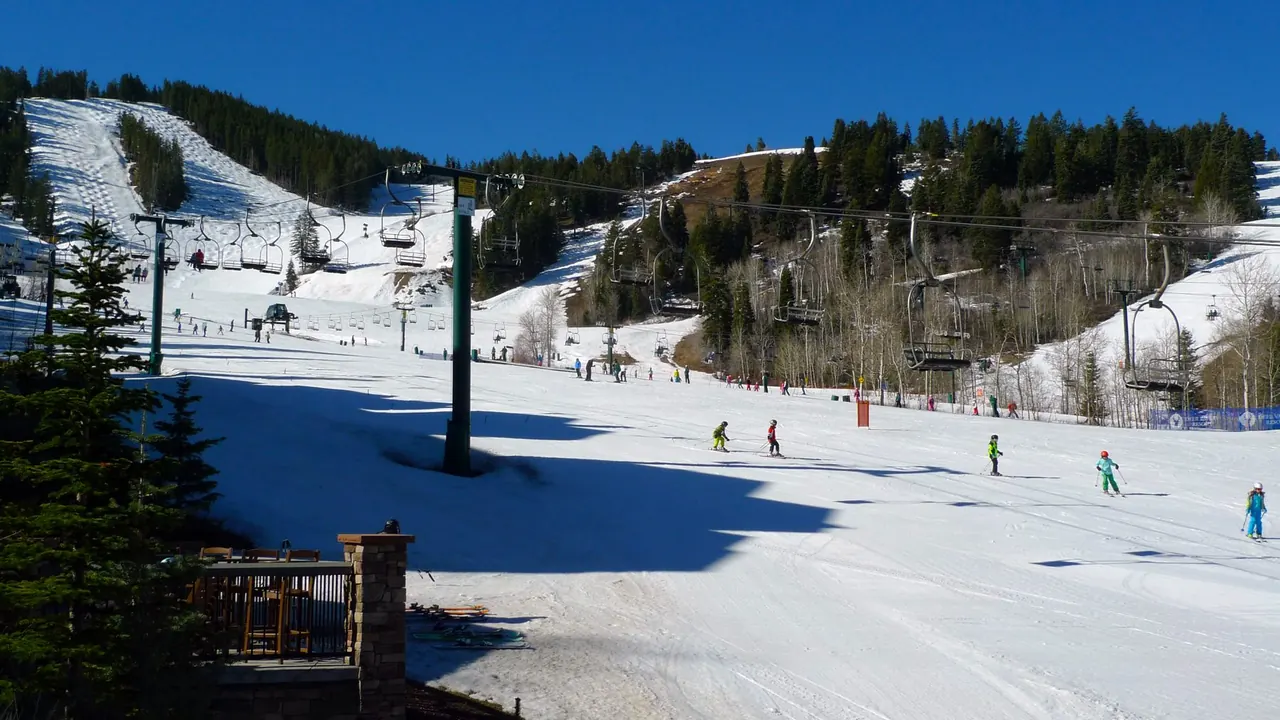
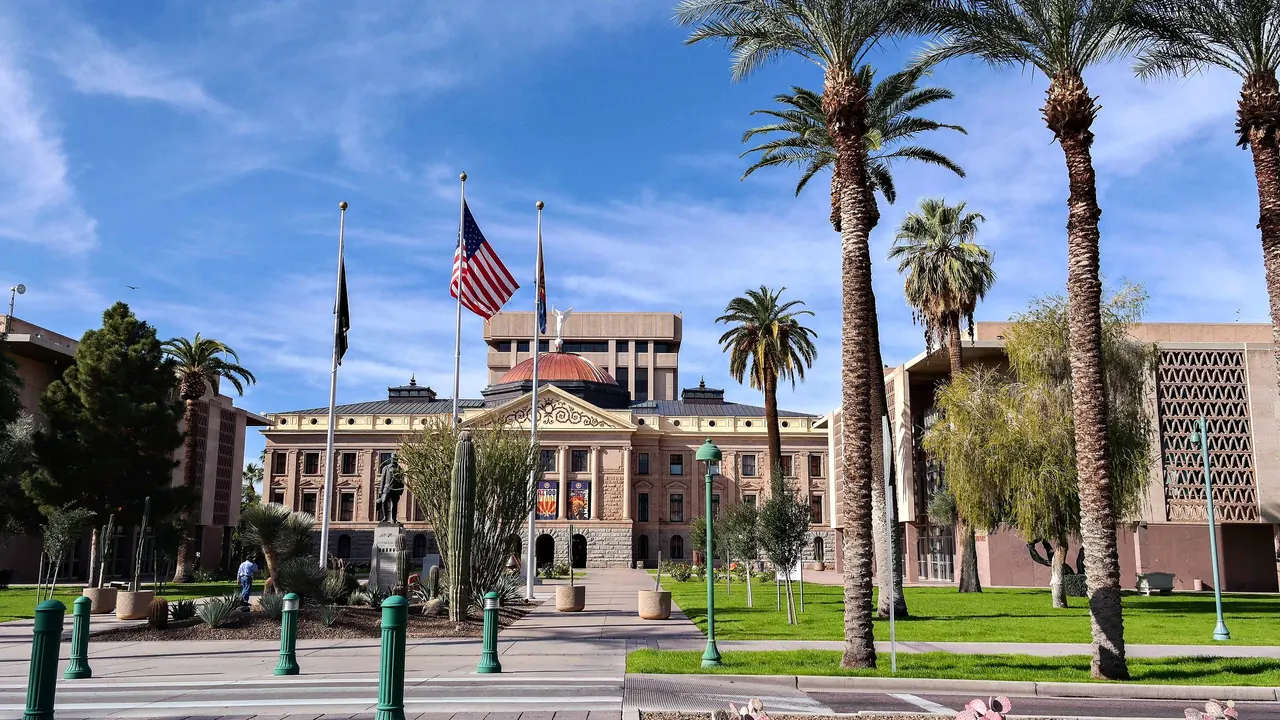
Photos: Deer Valley by Don Ramey Logan, CC BY 4.0, cropped; Phoenix by Visitor7, CC BY-SA 3.0, cropped.
Deer Valley or Phoenix?
Our verdict in twelve categories, each scored against the same fixed benchmark cities, and the climate month by month, so you can choose for your trip.
Choose Deer Valley for
- getting around
- nature and the outdoors
- beaches
Deer Valley is for travellers whose vacation is the mountain itself. Its groomed, skiers-only slopes sit beside one of North America's largest ski areas, with Cottonwood Canyon powder an hour away, and in summer the same runs become linked biking and hiking trails. It suits people who want to step out of a slopeside lodge onto the snow or a trail and who accept the cost and a quiet small-town evening.
Choose Phoenix for
- prices
- culture and sights
- shopping
Phoenix makes more sense for a broader, cheaper trip in the cooler half of the year. Its desert mountains are walkable straight from the suburbs, and the city adds Sonoran food, the Heard Museum and Taliesin West, Scottsdale nightlife, real shopping and day trips to Sedona or Tucson. You will spend a lot of time driving, but there is far more to do away from the outdoors.
Scoreboard
Twelve categories on one fixed scale from 0 to 100. The shaded stretch is the gap between the two.
Your match
Pick a travel style or drag the sliders, and both match scores follow your weighting.
Wins on getting around and nature and the outdoors with your weighting.
Wins on prices and culture and sights with your weighting.
What matters to you?
Category by category
What the scores mean for a trip.
Beaches & swimming
Neither city has a coast, and in both, swimming means a reservoir or a pool. At Deer Valley it is a mountain lake: the sandy state-park shore at Jordanelle, just below the resort, is pleasant only on hot July and August afternoons.
Phoenix gives you more ways to get wet. Saguaro and Canyon Lakes are set among bare desert cliffs, and tubing the lower Salt River is a local summer ritual. The resort pools, with their slides and lazy rivers, are designed for spending whole days in the water.
Food & drink
Phoenix eats better, mainly because it has a regional cuisine of its own. There is Sonoran carne asada, flour tortillas thin enough to see through, bacon-wrapped hot dogs from evening carts, and family Mexican kitchens across the south and west of the city, along with serious wood-fired pizza.
Deer Valley's food is polished but narrow. You get lodge dining and the traditional base-area turkey chili, then Main Street steakhouses, sushi and après-ski grills, with no street food or markets below the upscale tier. In return, Park City's restaurants are all close together, while eating well in Phoenix usually means driving.
Culture & sights
Phoenix has much more to see, though almost all of it is indoors. The Heard Museum's Native American collections and the Musical Instrument Museum can each fill a morning, and Frank Lloyd Wright's Taliesin West is a real architectural pilgrimage. These sights are scattered, though, and there is no old centre to walk.
Deer Valley offers the reverse in miniature. Park City's restored silver-mining Main Street, with mine headframes on the slopes above, is pleasant to stroll. The Park City Museum and the Olympic Park's small skiing museum cover the rest in an afternoon.
Nightlife
Phoenix gives you real choice: the clubs and rooftop bars of Old Town Scottsdale, student bars on Tempe's Mill Avenue, and craft beer and cocktail bars around Roosevelt Row. In summer it also has resort pool parties and patio drinking under misters.
At Deer Valley the evening starts by the lodge fire and moves a few minutes down to Park City's Main Street. There, saloons and après-ski bars fill up on winter weekends. It is good fun after a day's skiing, but there are hardly any clubs, and most people go to bed early so they can catch first chair.
Nature & outdoors
Deer Valley is the stronger outdoor base. Its skiing ranges from immaculate home runs to Park City Mountain next door and the Cottonwood Canyon resorts over the ridge. In summer the ski runs become hundreds of kilometres of aspen-lined biking and hiking trails, and there is fly-fishing on the Provo River.
Phoenix's landscape is still its best asset. Camelback, Piestewa Peak and South Mountain rise straight out of the suburbs, saguaro forest fills the McDowell Sonoran Preserve, and Sedona's red rock is two hours north. It is a very different kind of scenery, though, and largely off-limits in midsummer.
Day trips
Phoenix has the more rewarding outings. Within two hours you can reach Jerome clinging to its hillside, Prescott's Western saloon street, the Montezuma Castle cliff dwelling, Sedona, and Tucson with the white Mission San Xavier del Bac.
From Deer Valley the main outing is Salt Lake City, about forty minutes away, for Temple Square and the State Capitol. Closer by are the Swiss-styled village of Midway, the Heber Valley steam railway and Sundance in its canyon. From either base, every trip needs a car.
Good for families
Both work for families, but for different families. Deer Valley is ideal for children who ski: there are good ski schools, wide beginner runs with no snowboarders, ski-to-the-door lodging, and tubing and an alpine coaster at the Olympic Park. There is little else for children nearby, though, and the cost of lessons adds up.
Phoenix offers a zoo, an aquarium, a science centre, water parks and relaxed spring-training baseball, and its hotels are roomy. The trade-offs are long drives between attractions and summer heat that keeps young children indoors.
Getting around
Deer Valley is much easier without a car. Free buses link the base areas with Main Street, Park City Mountain and Kimball Junction, and much of the lodging is on the slopes, so the car can stay parked until you head for Salt Lake City or the canyons.
Phoenix is built around driving. The flat grid of arterial roads runs for dozens of kilometres, and the one light rail line only helps between the airport, downtown and Tempe. Most visitors rent a car, and luckily the roads and parking are easy.
Shopping & style
Phoenix is the better place to shop. Scottsdale's luxury mall and the open-air centre near the Biltmore carry the major brands, and the city's distinctive buy is Navajo and Zuni turquoise silver, Hopi katsina carvings and rugs from museum shops and reputable galleries.
Park City's Main Street has galleries, western boots and upmarket boutiques. Its one real strength is mountain gear, and the outlet centre at Kimball Junction catches bargain hunters.
Affordability
Phoenix is far cheaper. It costs about what an ordinary American city does. Rooms drop sharply in summer, chain hotels along the freeways are good value all year, and hiking costs nothing. The main extra is a rental car.
Deer Valley is at the very top of the ski market, with mostly luxury slopeside lodging, expensive lift access and mountain dining, and the cost of ski school on top. Summer softens the bill a little, and staying down in the Heber Valley and driving in is the usual way to save.
Live music & performing arts
Phoenix keeps a full city programme: the Phoenix Symphony, Arizona Opera and Ballet Arizona, touring Broadway shows in Wright's round Gammage auditorium, and concerts in the Musical Instrument Museum's intimate hall. Most of it runs from autumn to spring.
Deer Valley's best moment comes in summer, when Phoenix is quiet. The Utah Symphony's outdoor festival at the Snow Park amphitheatre means picnics on the grass with classical music and visiting headliners. The 1920s Egyptian Theatre on Main Street covers the rest of the year on a small scale.
Wellness & relaxation
Both cities do relaxation through luxury resorts rather than public baths, and Phoenix has a slight edge. The big spa resorts at the foot of Camelback, with treatments built on sage, clay and agave, make a winter week by the pool in dry warmth a classic American rest.
Deer Valley's version is snowier and more intimate: hot tubs on snowy terraces, fireside lodges and massages for tired ski legs. It also has the one thing Phoenix lacks, a natural warm spring, inside the limestone dome of the Homestead Crater in Midway.
When should you go?
Pick your month. The climate figures are measured averages, not a forecast.
Deer Valley in July
Phoenix in July
Daytime high, °C
Rainfall in the month, mm
Where the figures come from
Deer Valley's temperatures are measured 82 km from the centre, at Evanston.
Deer Valley's station stands 297 m below the city centre, so the centre is likely a little cooler than the figures say.
Deer Valley has no rain gauge within 25 km of the centre, so its rainfall comes from a gridded climate dataset read at the city rather than from a gauge further away.
Temperature and rainfall are climate normals, averaged over the years shown. Deer Valley: 1999-2020 (rainfall 1991-2020) normals, Evanston (81.9 km from centre). Phoenix: 1991-2020 normals, Phoenix Sky Harbor Airport (2.8 km from centre).
Deer Valley has two good seasons. From December to February daytime highs stay around -1°C, cold enough to keep the snow in good condition for skiing. Spring thaws slowly. From June to September the trails are open in warm, comfortable weather, and July is the warmest month at about 28°C. Rain and snow fall fairly evenly through the year, and June and July are the driest months.
Phoenix is at its best from November to March, when highs of about 20°C make hiking and sightseeing easy. By May it is hot, and from June to August highs reach 41°C, so walking anywhere outside after mid-morning is punishing. Rain is light all year and comes mostly in short spells in winter and in July and August. Winter therefore suits both cities, with skiing in Deer Valley and mild hiking weather in Phoenix, while summer favours Deer Valley only. In autumn, September is still a good month in the mountains, but Phoenix does not cool down enough until November.
Which traveller are you?
On an outdoors trip, Deer Valley wins clearly. It offers world-class skiing next door to Park City Mountain and Cottonwood powder in winter, and lift-served mountain biking and high Uinta lakes in summer. Phoenix's desert hiking is excellent, but only for half the year.
For a trip on a tight budget, Phoenix is the realistic choice. Freeway chain hotels, cheap Sonoran Mexican food, free hiking trails and summer room rates all help. Deer Valley is among the most expensive places to ski anywhere, and even in summer it stays expensive.
On a culture and arts trip, Phoenix has far more to fill the days: the Heard Museum's Native American collections, the Musical Instrument Museum, Taliesin West, and opera, ballet and touring Broadway shows at Wright's Gammage auditorium. Deer Valley has an afternoon of mining history.
Before you go
| Measure | Deer Valley | Phoenix |
|---|---|---|
| Currency | US Dollar (USD) | US Dollar (USD) |
| Sockets | AB120 V, 60 Hz | AB120 V, 60 Hz |
| Driving side | Right | Right |
| Time zone | UTC-7, UTC-6 in summer | UTC-7 |
| Emergency number | 911 | 911 |
| Elevation | 2,474 m | 331 m |
| Main airport | Salt Lake City International Airport (SLC)45 km from centre108 non-stop destinations | Phoenix Sky Harbor International Airport (PHX)6 km from centre149 non-stop destinations |
| Public holidays this year | 12 days | 12 days |
By the numbers
| Measure | Deer Valley | Phoenix |
|---|---|---|
| City population | - | 1,608,139 |
| People per km² | - | 1,199 |
| Museums within 10 km | 0 | 10 |
| UNESCO World Heritage sites within 50 km | 0 | 1 |
Where else could you go?
Every comparison below shares a destination with this one, so you can follow Deer Valley or Phoenix somewhere new.