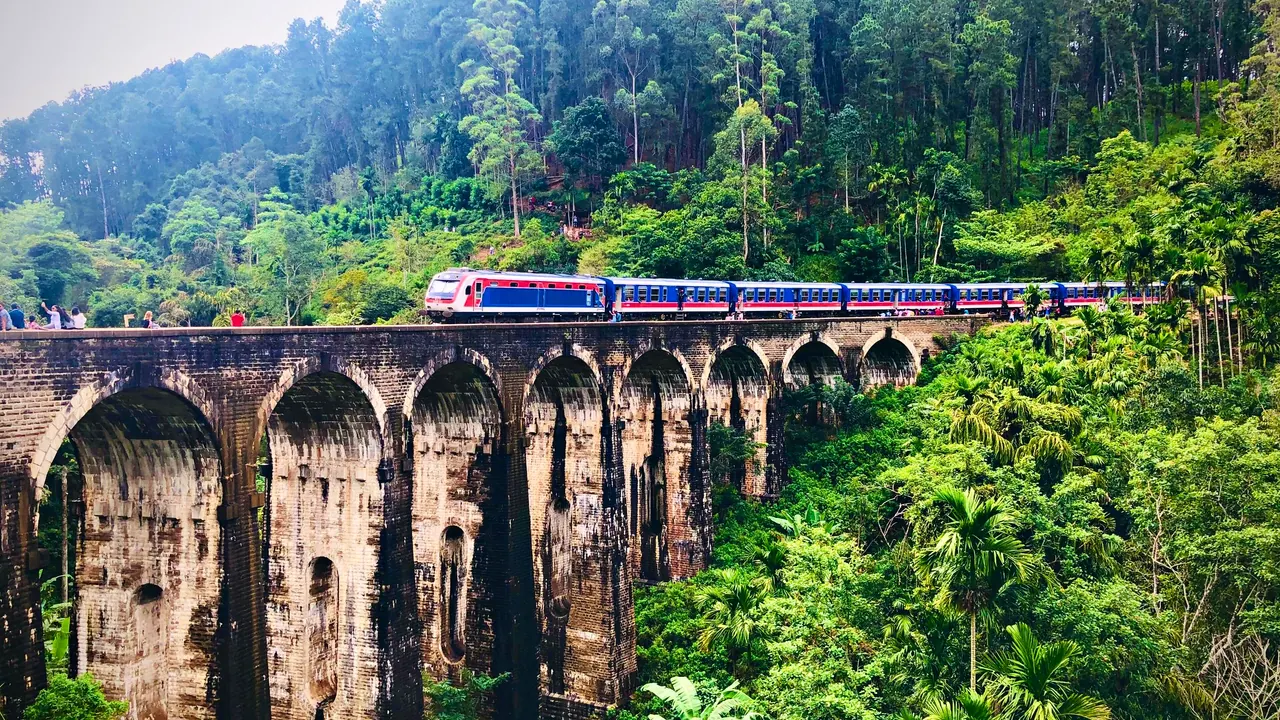
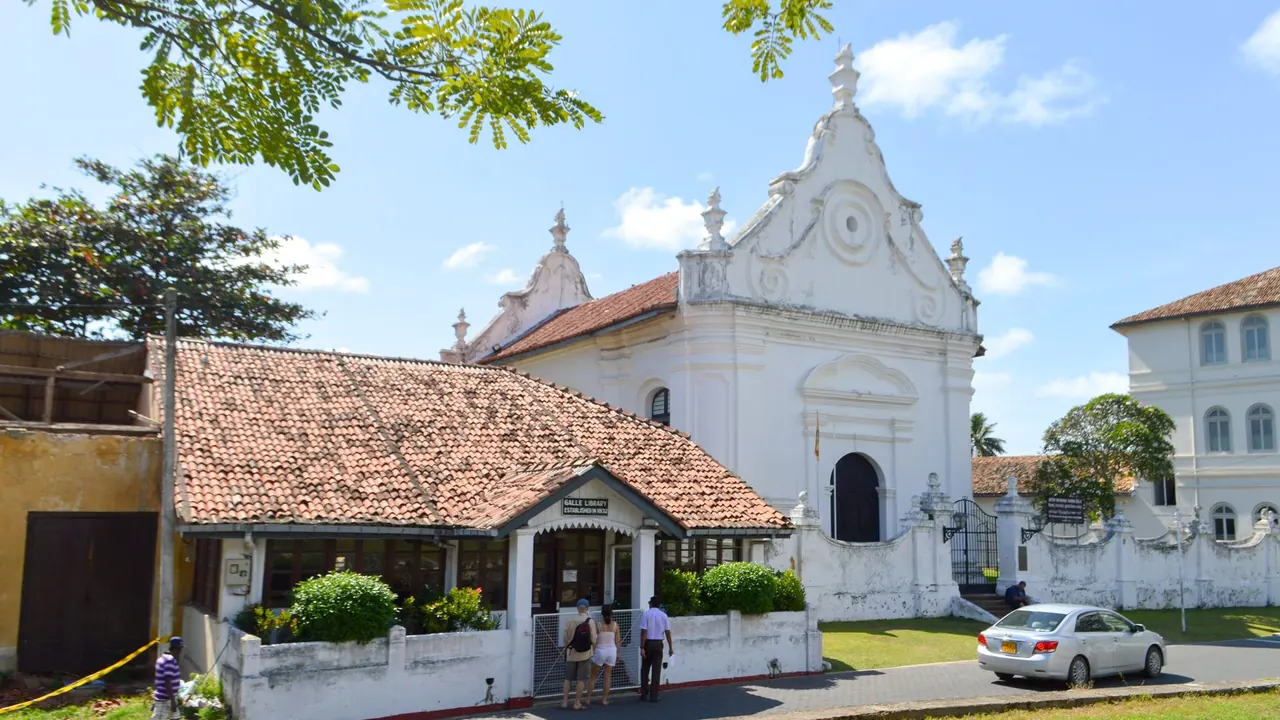
Photos: Ella by Dilshan255, CC BY-SA 4.0, cropped; Galle by Francisco Anzola, CC BY 2.0, cropped.
Ella or Galle?
Our verdict in twelve categories, each scored against the same fixed benchmark cities, and the climate month by month, so you can choose for your trip.
Choose Ella for
- nature and the outdoors
- prices
- getting around
Ella suits walkers and anyone who wants cool air after the heat of the lowlands. The days revolve around tea-estate paths, Little Adam's Peak and Ella Rock, with Horton Plains within reach, and the homestays are cheap and homely. In return you accept a one-road village with simple food, early nights and very little to see beyond the views.
Choose Galle for
- beaches
- culture and sights
- shopping
For a warmer, slower stay that mixes history with the sea, Galle is the better base. The walled Dutch fort gives you lanes of colonial houses, old churches and a sunset walk on the bastions, and Unawatuna and the reef beaches are minutes away. It also has more to eat, more to browse and a deeper Ayurveda and yoga scene, though staying inside the walls costs noticeably more.
Scoreboard
Twelve categories on one fixed scale from 0 to 100. The shaded stretch is the gap between the two.
Your match
Pick a travel style or drag the sliders, and both match scores follow your weighting.
Wins on nature and the outdoors and prices with your weighting.
Wins on beaches and culture and sights with your weighting.
What matters to you?
Category by category
What the scores mean for a trip.
Beaches & swimming
On beaches the gap is total. Ella sits at about 1,000m in the hills, roughly three hours by road from Arugam Bay or the south coast, and the only water nearby is a cautious dip in a pool below a waterfall.
Galle has beaches on its doorstep: sheltered Unawatuna a short tuk-tuk ride away, Jungle Beach below Rumassala, and reef pools with turtles at Dalawella and Thalpe. The catch is the season. Swimming is calm from December to April, while the southwest monsoon brings dangerous surf from roughly May to September.
Food & drink
Both towns cook the same Sri Lankan staples, rice and curry, string hoppers and kottu, but Galle offers more of it. The coast adds fish curries soured with goraka, a morning fish market on the seafront and short eats from bakery counters, while courtyard cafés and villa dining rooms in the fort supply good coffee, seafood and the odd ambitious dinner.
In Ella you eat along one road of guesthouse kitchens and traveller cafés, and the homestay curry beats the pizza. What Ella has that Galle lacks is tea from the surrounding slopes and family cooking classes that use spices from their own gardens.
Culture & sights
Galle is far richer. Its UNESCO-listed fort, built by the Portuguese and rebuilt by the Dutch, is a whole walled townscape, with the Dutch Reformed Church, the old Dutch Hospital, the National Maritime Museum, the lighthouse, a mosque and temples all a few lanes apart. A day or two covers it properly.
Ella has the Nine Arches Bridge, the Ravana cave with its Ramayana story and the working tea estates, and little else. People go there for the views, and travellers interested in history find it elsewhere on their route.
Nightlife
Neither town is a place for a big night out, and neither has clubs. The difference is the setting. In Ella, a handful of backpacker bars and rooftop cafés with fire pits fill with hikers and go quiet early, because many guests are up before dawn.
In Galle, an evening usually means a long dinner on a veranda in the fort. If you want music and the occasional party night in high season, you go to the beach bars at Unawatuna or to Hikkaduwa, further up the coast.
Nature & outdoors
Ella has the stronger outdoors, and you can walk straight into it from the village: Little Adam's Peak through tea bushes, the steeper climb up Ella Rock, the railway path to the Nine Arches Bridge, and Ravana Falls just below. Early starts reach Horton Plains and World's End or Lipton's Seat, and Yala's leopards make a long safari day.
Galle's nature is coastal and steamier. It has reefs for snorkelling and diving, surf at Weligama and Hikkaduwa, blue whales off Mirissa from December to April, and mangrove boat trips on Koggala Lake. The midday heat makes walking hard work on the coast, while Ella's mild hill air invites it.
Day trips
Galle has the more varied outings. The coast road and railway lead to Ambalangoda's mask workshops, the old Dutch town of Matara and the lighthouse at Dondra Head, and inland to the cave shrines of Mulkirigala. Colombo is close enough for a day of temples and markets.
From Ella, the choices are the hill-country tea towns of Haputale, Bandarawela and Nuwara Eliya, plus the Buddhist carvings at Buduruwagala, over a thousand years old, and the Dowa rock temple. These are quieter places, best combined with a tea factory visit, and the great ancient cities are out of day-trip range from either base.
Good for families
Galle is the easier base with children. The fort's quiet, largely traffic-free lanes and ramparts are fun to explore, Unawatuna is calm for paddling in the dry months, and turtle hatcheries and whale trips fill extra days. The heat and the monsoon seas still need care.
Ella suits families whose children can walk well. The train ride, Little Adam's Peak and watching trains cross the bridge are memorable. But the steep trails, fast tuk-tuks on narrow roads and the distance to serious medical care make it hard going with toddlers.
Getting around
The two are broadly level, and in both you walk and take tuk-tuks. Ella is one road with the walks starting at its edge, often along the railway tracks, though there are few pavements and you need a torch after dark. Most visitors arrive on the famous hill-country train.
In Galle the flat fort lanes are easy on foot, but the beaches are a tuk-tuk ride along a busy coast road that is no place to walk. The coastal railway and fast, crowded buses connect it with Colombo and the southern towns.
Shopping & style
Galle has more to browse, all on a few lanes in the fort. You'll find design boutiques selling linen and handloom textiles, beeralu lace, tea and spices, and gem dealers whose sapphires call for real knowledge before you buy. It is still pleasant browsing rather than serious shopping.
Ella has only a few shops on the main road selling loose tea, batik sarongs and masks, and the best thing to take home is tea bought at an estate factory.
Affordability
Ella is the cheaper stay overall. Homestays are everywhere, train and bus fares are almost nominal, and the walks that fill your days cost nothing. Only the cafés aimed at visitors and the hillside hotels with infinity pools push spending up.
Galle has the same cheap local layer of curry houses, buses and tuk-tuks. But the restored villas and restaurants inside the fort charge close to European resort levels, and imported drinks are expensive. Staying outside the walls narrows the gap.
Live music & performing arts
There is almost nothing to see in either town. Galle has a little more: hotel dance and drumming shows, occasional acoustic sets in high season, and the mask-dance tradition of nearby Ambalangoda.
In Ella, performance stretches to a café guitarist and the odd Kandyan show at a hotel. For anything serious, plan on Kandy if you are in the hills or Colombo if you are on the coast.
Wellness & relaxation
Galle goes further. Ayurveda on this coast ranges from oil massages in guesthouses to residential retreats of a week or more with doctors' consultations and prescribed diets. Yoga studios cluster around Unawatuna and Thalpe, and the fort's shaded verandas and rampart walks set a slow pace.
Ella's Ayurvedic centres are smaller and mostly cater to tired hikers, though a few hillside resorts run fuller programmes and yoga. Its real asset is the cool air and quiet views over the gap, best enjoyed from the slopes above the busy main road.
When should you go?
Pick your month. The climate figures are measured averages, not a forecast.
Ella in July
Galle in July
Daytime high, °C
Rainfall in the month, mm
Where the figures come from
Ella has no weather station within reach, so its figures come from a gridded climate model rather than a measured record, and read a broad area rather than the city itself.
Galle has no weather station within reach, so its figures come from a gridded climate model rather than a measured record, and read a broad area rather than the city itself.
Temperature and rainfall are climate normals, averaged over the years shown. Ella: 1991-2020 normals, TerraClimate 4 km grid at the town, no weather station within 90 km. Galle: 2001-2020 normals, NASA POWER reanalysis grid, no weather station within 90 km.
Ella stays mild all year, around 24°C to 26°C by day, so walking is comfortable in any month and rain decides your timing. June and July are the driest months, with about 44mm each, and August and September stay fairly manageable. February and March are also relatively settled, but January is still wet and April brings a sharp burst of rain. October to December is the long wet stretch, when the trails get muddy and slippery.
Galle is hot and humid all year, with the air and the sea both at about 28°C or a little above. January and February are the driest months and the best for the beach, and calm water lasts into March. Rain builds from April, and November is the wettest month in both places, with well over 300mm. The two complement each other: in midsummer Ella has its driest weeks, while rough monsoon surf makes many of Galle's beaches unsafe for swimming.
Which traveller are you?
For an outdoors trip, Ella is the clear pick. Walks start at the guesthouse door, through tea estates to Little Adam's Peak, Ella Rock and the Nine Arches Bridge, while Horton Plains and Yala make full-day outings. Galle's outdoors means reefs and surf in humid heat.
On a beach and sun trip, choose Galle. Unawatuna, Jungle Beach and the snorkelling pools at Dalawella are a few minutes from the fort, and Mirissa and Weligama are within an hour. Ella is about three hours from any sand, high in the cool hills.
For a trip on a tight budget, Ella makes your money go further. Homestays are plentiful, a rice and curry costs little, and the walks and views are free. Galle can be just as cheap outside the walls, but the fort's villas and cafés quickly push spending up.
Before you go
| Measure | Ella | Galle |
|---|---|---|
| Official language | Tamil, Sinhala | Tamil, Sinhala |
| Currency | Sri Lanka Rupee (LKR) | Sri Lanka Rupee (LKR) |
| Sockets | GM230 V, 50 Hz | GM230 V, 50 Hz |
| Driving side | Left | Left |
| Time zone | UTC+5:30 | UTC+5:30 |
| Emergency number | Police 119, ambulance 110, fire 110 | Police 119, ambulance 110, fire 110 |
| Elevation | 1,072 m | 0 m |
| Main airport | Bandaranaike International Colombo Airport (CMB)132 km from centre57 non-stop destinations | Bandaranaike International Colombo Airport (CMB)133 km from centre57 non-stop destinations |
By the numbers
| Measure | Ella | Galle |
|---|---|---|
| City population | - | 93,118 |
| Museums within 10 km | 0 | 2 |
| UNESCO World Heritage sites within 50 km | 1 | 2 |
| Swim season, months above 21 °C | - | 12 months |
Where else could you go?
Every comparison below shares a destination with this one, so you can follow Ella or Galle somewhere new.