Photos: Fethiye by rheins, CC BY 3.0, cropped; Istanbul by AXP Photography, Pexels License.
Fethiye or Istanbul?
Our verdict in twelve categories, each scored against the same fixed benchmark cities, and the climate month by month, so you can choose for your trip.
Choose Fethiye for
- beaches
- nature and the outdoors
- day trips
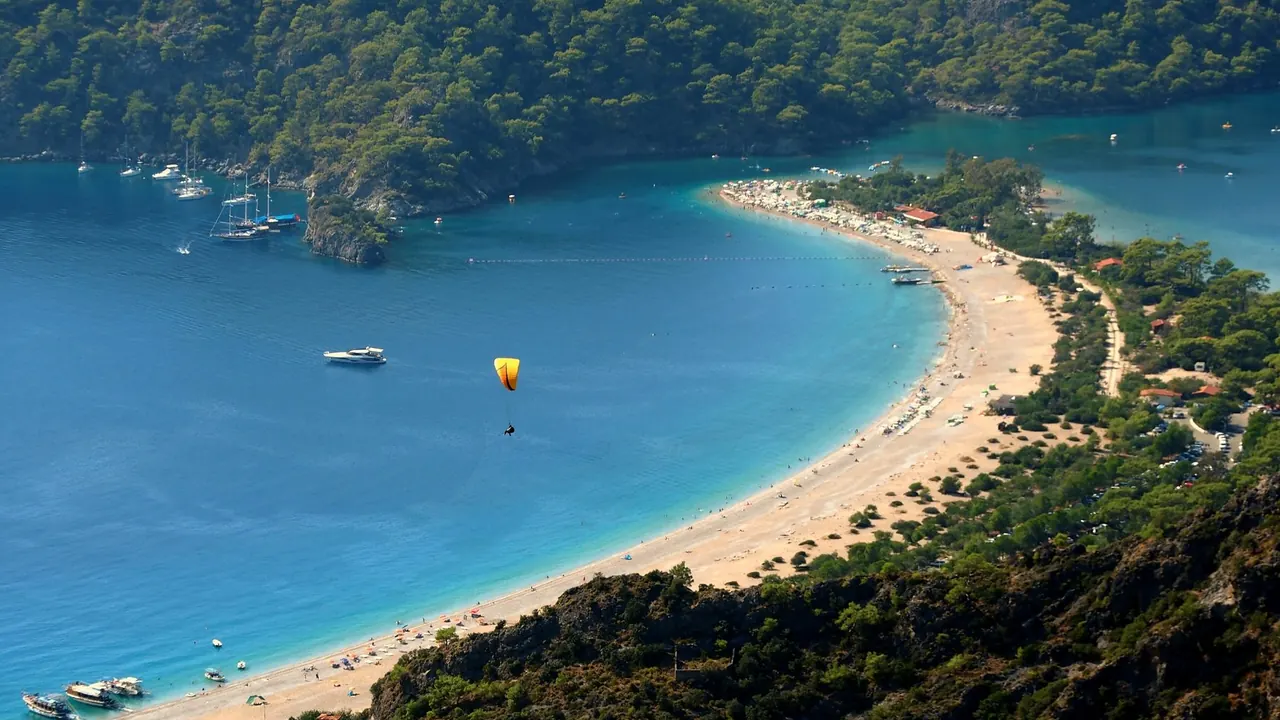
Fethiye is for a trip built around sea and landscape: the Oludeniz lagoon, boat days among island coves, the Lycian Way and a paraglide off Babadag, with Lycian ruins in every direction for outings. It suits travellers who are happy with simple food and a resort-style night out and want to spend the day outdoors.
Choose Istanbul for
- culture and sights
- shopping
- live music and the arts
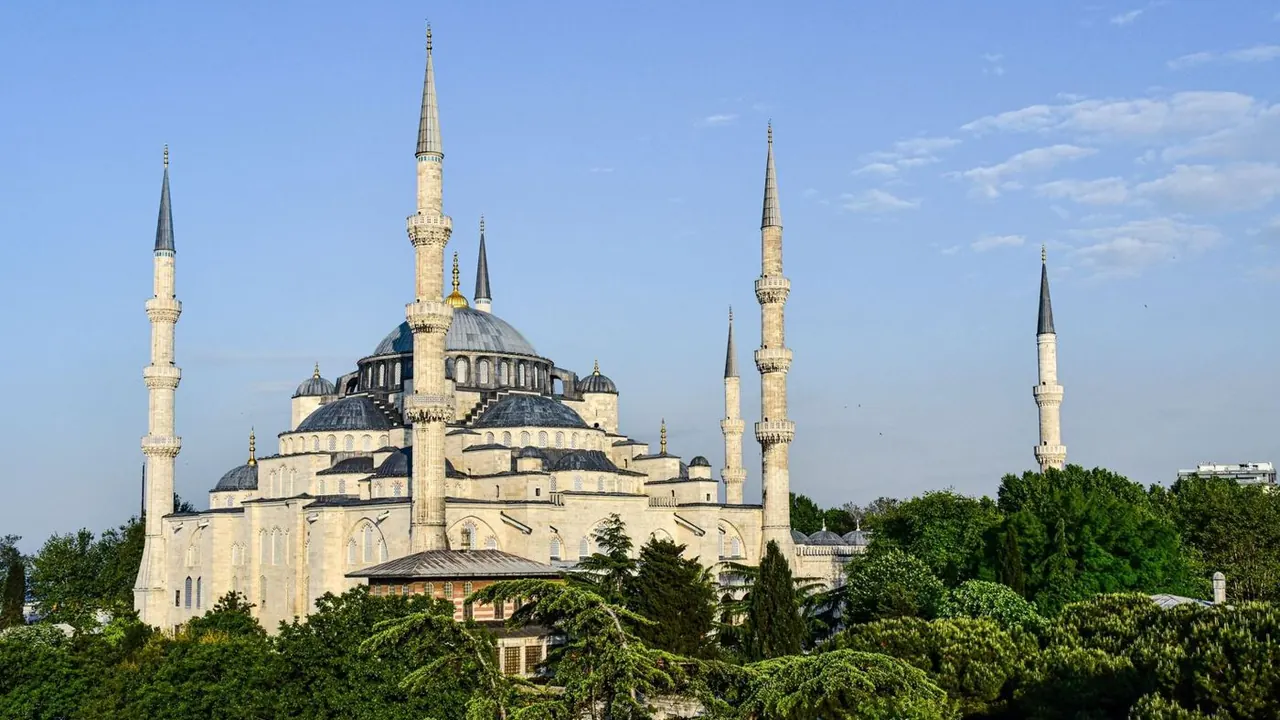
Choose Istanbul when the city itself is the point. Byzantine and Ottoman monuments, cooking from every corner of the country, the Grand Bazaar and Nisantasi, late nights in Beyoglu and a bath under a Sinan dome easily fill a week. Swimming stays a side trip to the Black Sea.
Scoreboard
Twelve categories on one fixed scale from 0 to 100. The shaded stretch is the gap between the two.
Your match
Pick a travel style or drag the sliders, and both match scores follow your weighting.
Wins on beaches and nature and the outdoors with your weighting.
Wins on culture and sights and shopping with your weighting.
What matters to you?
Category by category
What the scores mean for a trip.
Beaches & swimming
Fethiye is a beach destination in a way Istanbul never tries to be. Oludeniz's shallow lagoon and open bay, the cove at Butterfly Valley that you reach by boat, and sandy Kidrak are all easy to get to. Calis gives the town its own long shore for an evening swim.
In Istanbul the sea is something you look at over tea beside the Bosphorus. For proper sand you travel about an hour to Kilyos or Sile on the Black Sea, where currents and undertow mean swimming only where lifeguards are on duty, or take a ferry to the pebbly coves of the Princes' Islands.
Food & drink
Fethiye's best meal is the fish market ritual: you buy fish at the stalls and a restaurant on the square cooks it for you. Add gozleme from the canal market and rakı on the harbour. Out in Hisaronu and Oludeniz, menus drift towards full English breakfasts and pizza.
Istanbul brings together the cooking of the whole country: Black Sea anchovies, south-eastern kebabs, Ottoman palace dishes, lunchtime trays of stews in the lokantas, and street food from simit to fish sandwiches by the Galata Bridge. The meyhanes of Beyoglu and Kumkapi and the market streets of Kadikoy make eating a reason to go in itself.
Culture & sights
Fethiye's history is striking but limited. The Lycian rock tombs above the town, sarcophagi standing in the streets and the abandoned village of Kayakoy over the ridge fill a day or two. Much of the town was rebuilt after the 1957 earthquake, so there is little beyond them.
Istanbul works on another scale entirely. Hagia Sophia, Topkapi, the Blue Mosque and the Basilica Cistern stand within a short walk of one another. Beyond them are the Süleymaniye, the Chora mosaics, the land walls and the Bosphorus palaces, enough to fill a week without repeating yourself.
Nightlife
A night out in Fethiye is pleasant rather than a reason to go: drinks under strings of lights in the Paspatur lanes, or the loud strip in Hisaronu built for package visitors. Most of it shuts between November and April.
Istanbul has whole districts for going out, and they stay up late. Beyoglu's meyhanes turn into singing and dancing, Karakoy and Cihangir serve cocktails and wine, and Kadikoy and Moda draw a younger crowd. In summer, the clubs on the Bosphorus shore at Ortakoy keep going until dawn.
Nature & outdoors
Fethiye has the wilder landscape by a distance. Babadag rises behind the lagoon for tandem paragliding, and the Lycian Way follows cliff paths past Faralya and Kabak. At Saklikent Gorge you wade through icy water between canyon walls, and the bay is good for kayaking and diving.
Istanbul's outdoors are gentler and more urban: shore walks at Bebek and Rumeli Hisari, tulips at Emirgan in April, trails in Belgrad Forest and cycling on the car-free Princes' Islands. There are no mountains within easy reach.
Day trips
From Fethiye, the ancient world is on the doorstep. Tlos, Pinara, Xanthos and the Letoon, the ruins behind the dunes at Patara, and the river boats that pass the rock tombs at Dalyan are all short outings. Kas, Kalkan and the summer ferry to Rhodes add variety.
Istanbul's size works against it. The Princes' Islands and a cruise up the Bosphorus make easy days, and Bursa is a rewarding outing. Edirne and Iznik make long days, though, and Gallipoli and Troy really need a night away.
Good for families
Both work for families, in quite different ways. Fethiye is about the water: the sheltered, shallow Oludeniz lagoon is close to ideal for small swimmers, the pool hotels in Hisaronu and Ovacik make easy bases, and boat trips with swimming stops fill the days. There is little else built for children, though, and July and August are very hot.
Istanbul offers attractions rather than beaches: the Rahmi M. Koç Museum with its submarine, Miniaturk, the aquariums and ferry rides that children love. The price is crowds, steep cobbled streets and long transfers, which wear out small children and defeat pushchairs.
Getting around
Fethiye's town and harbour are easy to walk, and dolmus minibuses run regularly to Oludeniz, Hisaronu and Kayakoy. Further out it gets harder: Tlos, Pinara and Saklikent are awkward without a hire car or a tour, and there is no railway.
Istanbul is easier to get around without a car. One card covers the metro, the T1 tram, Marmaray, the funiculars and the ferries, which are a sight in themselves. Rush-hour crowds and taxis stuck in traffic test your patience.
Shopping & style
Fethiye's best shopping is the weekly market by the canal, for honey, spices and peshtemal towels. Paspatur has carpet and ceramics shops, and the resorts sell mostly beachwear and imitation brands. It is fine for gifts but not worth a trip of its own.
Istanbul is a shopping destination in its own right. It has the covered streets and hans of the Grand Bazaar, the Spice Bazaar and the craft lanes between them, designer labels in Nisantasi, antiques in Cukurcuma and flea markets in Kadikoy.
Affordability
Overall costs come out much the same, and the way to save is the same in both: eat and stay where local people do. What drives the bill differs. In Fethiye it is the resorts of Oludeniz and Hisaronu and the extras such as paragliding, cruises and diving, while guesthouses and lokantas in the town stay cheap.
In Istanbul, transport and street food cost little, but entry fees for foreign visitors at the monuments and hotel prices in Sultanahmet, Galata and along the Bosphorus add up. Kadikoy is the cheaper base. Heavily taxed alcohol makes evenings out expensive in both.
Live music & performing arts
Fethiye has almost no formal season. There is a modest cultural centre and some open-air shows in summer, but live music mostly means a saz player in a meyhane or a cover band in Hisaronu.
Istanbul has the state opera and ballet at the Ataturk Cultural Centre, modern concert halls and summer music and jazz festivals in historic courtyards. Add whirling dervish ceremonies in old lodges and small rock, folk and jazz venues in Beyoglu and Kadikoy, although most theatre is in Turkish.
Wellness & relaxation
Fethiye has a historic Ottoman hammam in the Paspatur quarter and spas in the larger hotels. Down the coast are yoga retreats on the terraced slopes above Kabak and Faralya, where there is little to do but look at the sea. In summer, rest means keeping away from the resort strips.
Istanbul takes the hammam much further. Sinan's sixteenth-century baths, Cemberlitas and Haseki Hürrem among them, still operate under domes pierced with star-shaped skylights, and a session in one is among the best things to do in the city. Otherwise, calm comes in short spells within a hectic city: tea on a terrace in Kandilli, or a slow ferry ride.
When should you go?
Pick your month. The climate figures are measured averages, not a forecast.
Fethiye in July
Istanbul in July
Daytime high, °C
Rainfall in the month, mm
Where the figures come from
Fethiye's temperatures are measured 31 km from the centre, at Dalaman.
Fethiye has no rain gauge within 25 km of the centre, so its rainfall comes from a gridded climate dataset read at the city rather than from a gauge further away.
Temperature and rainfall are climate normals, averaged over the years shown. Fethiye: 2000-2020 (rainfall 1991-2020) normals, Dalaman (30.8 km from centre). Istanbul: 1991-2020 normals, Istanbul / Goztepe (9.9 km from centre).
Fethiye has the longer and hotter summer. From late May the sea is warm enough for easy swimming. By August it reaches 27°C, and it stays pleasant into October. July and August days touch 32°C, though, which is too hot for ruins or the Lycian Way except early in the morning. April, May and October are the months for walking and sightseeing. Winter is mild but wet: January brings around 187mm of rain, and the beaches are empty.
Istanbul is cooler all year round. May, June, September and early October are the comfortable months for walking, sunny and without the heat of the south coast, and high summer is warm rather than punishing on the steep streets. The Black Sea beaches only warm to about 24°C at the height of summer. Winter is grey and chilly, with highs near 9°C, little sunshine and steady rain, although the monuments and hammams still make a visit worthwhile.
Which traveller are you?
On a beach and sun trip, Fethiye is the obvious base. The sea stays warm from late May into October, and each day a different beach is a short minibus or boat ride away. In Istanbul, a swim takes a whole day's outing.
For a culture and arts trip, Istanbul offers what Fethiye cannot: a week of Byzantine and Ottoman sights you can reach on foot or by tram, museums for wet afternoons, and evenings spent at the opera or a dervish ceremony.
On an outdoors trip, Fethiye has mountain, canyon and open sea within an hour of one base, for coastal trekking, a tandem flight or a dive. Spring and autumn are cool enough for long days on the trail, while Istanbul offers mainly parks and ferries.
Before you go
| Measure | Fethiye | Istanbul |
|---|---|---|
| Official language | Turkish | Turkish |
| Currency | Turkish Lira (TRY) | Turkish Lira (TRY) |
| Sockets | CF230 V, 50 Hz | CF230 V, 50 Hz |
| Driving side | Right | Right |
| Time zone | UTC+3 | UTC+3 |
| Emergency number | 112 | 112 |
| Elevation | 0 m | 100 m |
| Main airport | Dalaman International Airport (DLM)30 km from centre61 non-stop destinations | İstanbul Airport (IST)36 km from centre343 non-stop destinations |
| Public holidays this year | 14 days | 14 days |
By the numbers
| Measure | Fethiye | Istanbul |
|---|---|---|
| City population | 182,200 | 15,655,924 |
| People per km² | - | 2,930 |
| Museums within 10 km | 1 | 73 |
| UNESCO World Heritage sites within 50 km | 1 | 1 |
| Swim season, months above 21 °C | 6 months | 3 months |
Where else could you go?
Every comparison below shares a destination with this one, so you can follow Fethiye or Istanbul somewhere new.