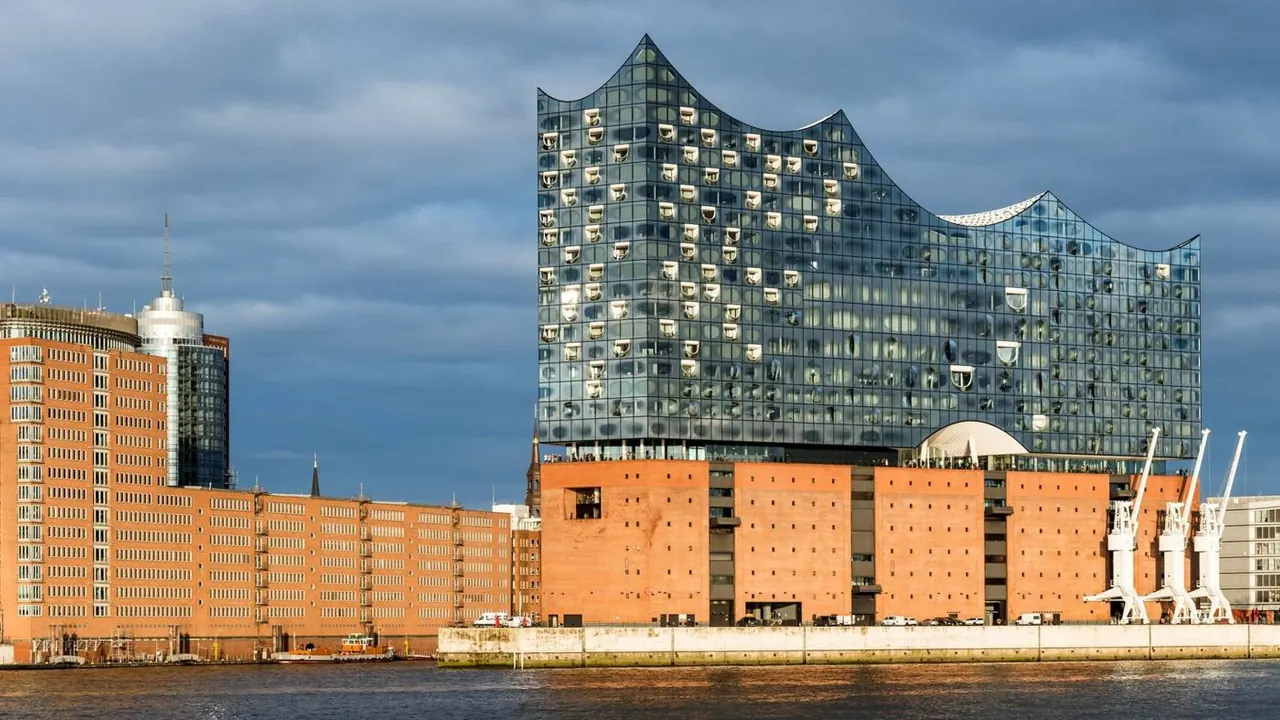
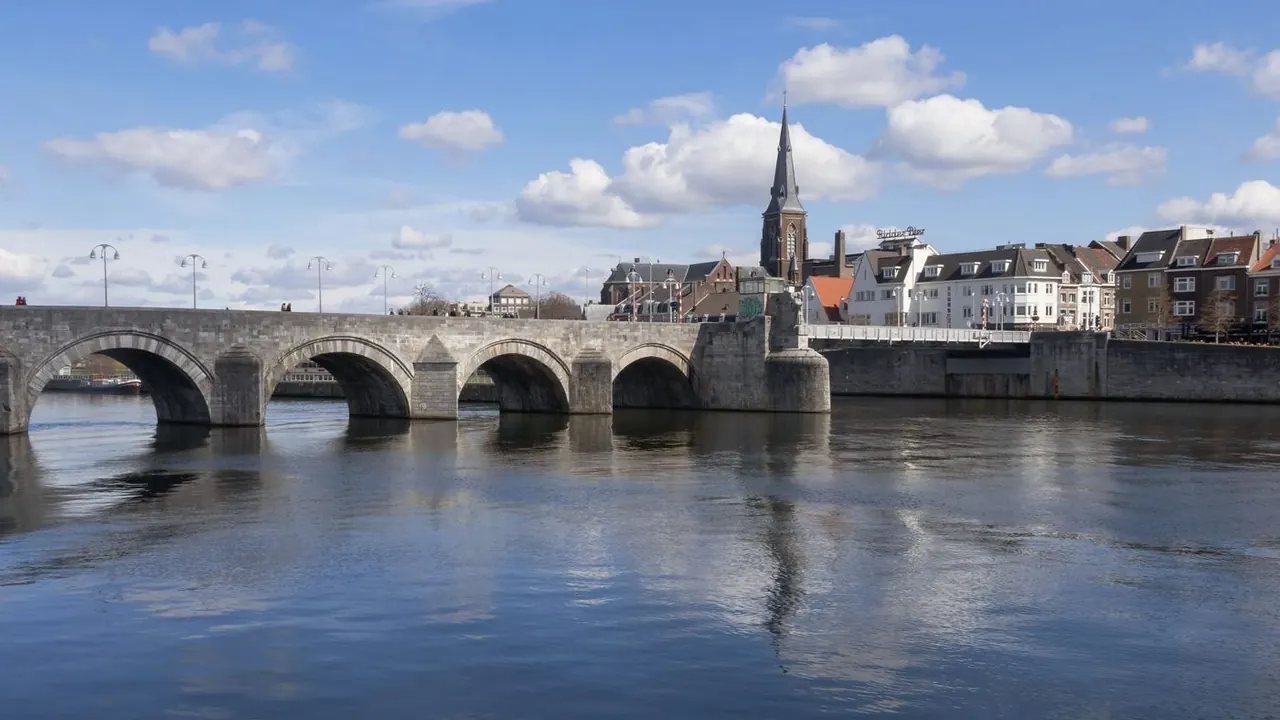
Photos: Hamburg by Wolfgang Weiser, Pexels License; Maastricht by Michielverbeek, CC BY-SA 4.0, cropped.
Hamburg or Maastricht?
Our verdict in twelve categories, each scored against the same fixed benchmark cities, and the climate month by month, so you can choose for your trip.
Choose Hamburg for
- live music and the arts
- nightlife
- beaches
Hamburg is the pick for travellers who want a big port city with full evenings. A night can run from a concert at the Elbphilharmonie or a musical across the harbour to the bars of the Reeperbahn at dawn. It is also far easier with children, with Miniatur Wunderland, Hagenbeck and the harbour ferries all in town, and its trains and ferries make a longer stay simple.
Choose Maastricht for
- wellness
- day trips
- nature and the outdoors
Choose Maastricht for a slower, smaller trip built around long lunches, Romanesque churches and walks in the country. The medieval centre takes minutes to cross on foot, and the land rises into hills just to the south and east. Aachen, Liège and the thermal pools above Valkenburg are all close, so a few days can take in three countries and a warm spa.
Scoreboard
Twelve categories on one fixed scale from 0 to 100. The shaded stretch is the gap between the two.
Your match
Pick a travel style or drag the sliders, and both match scores follow your weighting.
Wins on live music and the arts and nightlife with your weighting.
Wins on wellness and day trips with your weighting.
What matters to you?
Category by category
What the scores mean for a trip.
Beaches & swimming
Neither city is a beach destination, but Hamburg at least has sand. The Elbe beaches at Oevelgoenne and Blankenese are for watching ships go by rather than swimming, and the Baltic resorts of Travemuende and Timmendorfer Strand are about an hour away when you want proper bathing.
Maastricht is deep inland, and the North Sea is a long day's journey away. Its swimming happens in old gravel-pit lakes along the Maas, which are fine for a hot afternoon and no more.
Food & drink
Both cities eat well, in quite different ways. Hamburg eats like a port: fish rolls on the Landungsbruecken piers, Labskaus and Finkenwerder plaice, a wide international range and a long coffee-roasting tradition.
Maastricht's range is narrower but more indulgent, with Limburg sweet-sour stew, vlaai tart, Belgian beer and local white wine, eaten on terraces on the Vrijthof. Go to Hamburg for variety and snacks on the move, and to Maastricht for long, unhurried meals.
Culture & sights
The two are evenly matched on sights but feel very different. Hamburg's heritage is mercantile and was largely rebuilt after the war: the UNESCO-listed Speicherstadt warehouses and Chilehaus, the Elbphilharmonie and a Kunsthalle strong on Caspar David Friedrich.
Maastricht kept the medieval fabric that Hamburg lost. It has two Romanesque basilicas, stretches of city wall, the Helpoort gate, a bridge that has crossed the Maas since the 13th century and the tunnels of the Sint-Pietersberg. Hamburg has the bigger museums, and Maastricht the more intact old town.
Nightlife
Hamburg is by far the bigger night out. The Reeperbahn, the Schanzenviertel and clubs in bunkers and harbour venues keep going until dawn, because bars have no fixed closing time.
Maastricht's evenings are spent with Belgian beer in brown cafés and on the squares. They are lively at weekends during the university term, but there is little clubbing. Carnival is the exception, when the whole city parties in the streets around the clock.
Nature & outdoors
Maastricht has the more varied countryside close by, because here the land actually rises. The marl cliffs and reserves of the Sint-Pietersberg start at the edge of the city, and the sunken lanes and short climbs of the Heuvelland lie to the east.
Hamburg is flat, and its outdoors is about water: sailing and paddling on the Alster, canoeing into the northern canals, the Elbe path to Blankenese and cycling through the orchards of the Altes Land. Pick Hamburg to be on the water and Maastricht to walk in hills.
Day trips
Both make good bases, but Maastricht's border position gives it more variety. Aachen, Liège, Tongeren and Valkenburg are all within about half an hour, and Cologne, Brussels and Leuven make longer days out, so you can visit three countries and hear three languages.
Hamburg's outings are strong but more alike: the brick Gothic Hanseatic towns of Luebeck, Lueneburg, Bremen and Wismar, plus Schwerin's lakeside castle and the Baltic resorts in summer.
Good for families
Hamburg is much the easier choice with children, because the big attractions are in the city itself. There is Miniatur Wunderland, Tierpark Hagenbeck and its aquarium, the old Elbe tunnel and the museum ships, and two theme parks are about an hour away.
Maastricht is safe, small and easy with a buggy, but in the city there is little beyond the Sint-Pietersberg tunnel tour. The caves, cable car and fairy-tale park are out in Valkenburg, and most of the city's own pleasures suit adults more.
Getting around
Both are easy without a car, at different scales. Hamburg covers far more ground but makes it simple, with the U-Bahn, S-Bahn and harbour ferries on one ticket and the airport on the S-Bahn.
Maastricht hardly needs transport at all. Its centre is about a fifteen-minute walk on cobbles from end to end, and bikes do the rest. The weak point is the countryside, where regional buses run but a car or bike makes exploring much easier.
Shopping & style
Hamburg has the deeper shopping, with luxury labels on Neuer Wall, covered arcades for wet days, the Alsterhaus on the water, and vintage and streetwear in the Karolinenviertel.
Maastricht is smaller but more charming to browse. It has designer boutiques in the restored old houses of the Stokstraat quarter, independent shops in Wyck and a weekly market on the Markt.
Affordability
Neither is cheap, and costs come out about the same. Hamburg is expensive by German standards, with hotel prices rising during trade fairs. A day ticket and the free waterfront sights help balance it.
Maastricht runs at Dutch prices, and weekend rooms are in demand. Its walkable centre means you spend almost nothing on transport, and staying from Sunday to Thursday saves the most.
Live music & performing arts
This is one of the widest gaps between the two. Hamburg has the Elbphilharmonie and the Laeiszhalle, a historic State Opera, an internationally known ballet and leading drama at the Schauspielhaus and the Thalia. It also has a cluster of musical theatres and the St Pauli club circuit where the Beatles started out.
Maastricht's stage life centres on the theatre on the Vrijthof, with a regional orchestra and opera company, plus church concerts and jazz cafés. The open-air summer concerts on the Vrijthof are its big draw, but next to Hamburg it is a provincial scene.
Wellness & relaxation
Maastricht is better placed for a restful break, because thermal water is close by. There is the spa above Valkenburg with views over the hills, Aachen's baths, and Spa itself within an hour.
Hamburg has no springs, but it shares the German sauna habit, with the art nouveau Holthusenbad and large bath complexes. A boat on the Alster or the Japanese garden in Planten un Blomen are good for a quiet few hours.
When should you go?
Pick your month. The climate figures are measured averages, not a forecast.
Hamburg in July
Maastricht in July
Daytime high, °C
Rainfall in the month, mm
Temperature and rainfall are climate normals, averaged over the years shown. Hamburg: 1991-2020 normals, Hamburg Airport (9.3 km from centre). Maastricht: 1991-2020 normals, Maastricht Airport Zuid Limburg (10 km from centre).
Both cities have a mild, damp northern climate, and May to September is the best time for walking the streets. Maastricht stays a degree or two warmer all year, reaching about 24°C in July and August against Hamburg's 23°C. Neither ever gets too hot for sightseeing, and only high summer is warm enough for an afternoon at a lake or outdoor pool.
Rain falls all year in both, and summer is actually the wettest stretch. Hamburg's wettest month is July and Maastricht's is August, at around 84mm, while April is the driest month in both. Hamburg gets a little more sunshine in late spring, but its winters are darker and colder, with January highs near 4°C. From November to February both are grey and chilly, though Maastricht's slightly brighter, milder winter makes strolling a bit more comfortable.
Which traveller are you?
On a food and nightlife trip, Hamburg is the stronger choice. Both cities eat well, but Hamburg's nights go much further: the Reeperbahn, the pavement bars of the Schanzenviertel and clubs with no fixed closing time, where Maastricht offers brown cafés and only a small club scene.
On a family trip with children, Hamburg has much more to fill the days. Miniatur Wunderland, Tierpark Hagenbeck, the planetarium and the harbour ferries are all in the city. Maastricht's best family outings, Valkenburg's caves and the zoo at Kerkrade, mean leaving town.
For a relaxing and wellness trip, Maastricht is the better choice. The thermal pools above Valkenburg, Aachen's ancient baths and the town of Spa are all within an hour, and the quiet squares suit long lunches. Hamburg has good saunas and the Alster, but no thermal water.
Before you go
| Measure | Hamburg | Maastricht |
|---|---|---|
| Official language | German | Dutch |
| Currency | Euro (EUR) | Euro (EUR) |
| Sockets | CF230 V, 50 Hz | CF230 V, 50 Hz |
| Driving side | Right | Right |
| Time zone | UTC+1, UTC+2 in summer | UTC+1, UTC+2 in summer |
| Emergency number | 112 | 112 |
| Elevation | 6 m | 49 m |
| Main airport | Hamburg Helmut Schmidt Airport (HAM)9 km from centre120 non-stop destinations | Maastricht Aachen Airport (MST)9 km from centre5 non-stop destinations |
| Public holidays this year | 10 days | 11 days |
By the numbers
| Measure | Hamburg | Maastricht |
|---|---|---|
| City population | 1,869,473 | 120,227 |
| People per km² | 2,476 | 2,000 |
| Museums within 10 km | 77 | 21 |
| UNESCO World Heritage sites within 50 km | 1 | 5 |
Where else could you go?
Every comparison below shares a destination with this one, so you can follow Hamburg or Maastricht somewhere new.