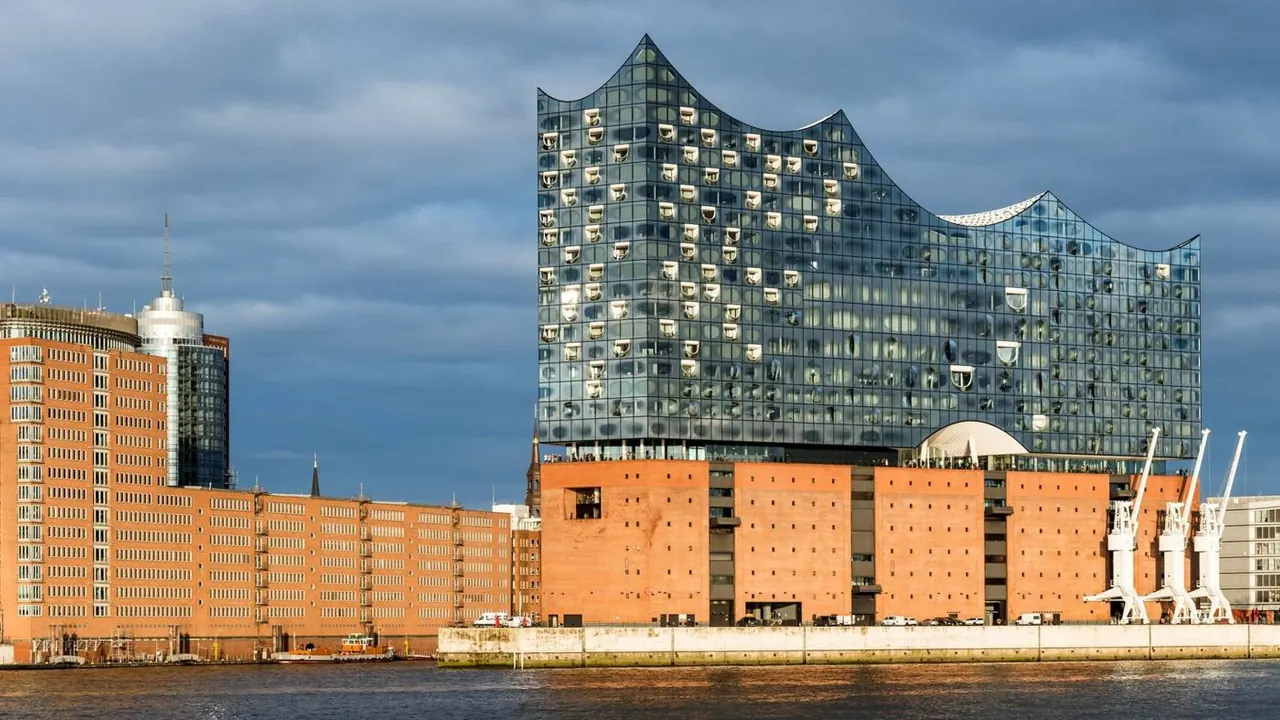
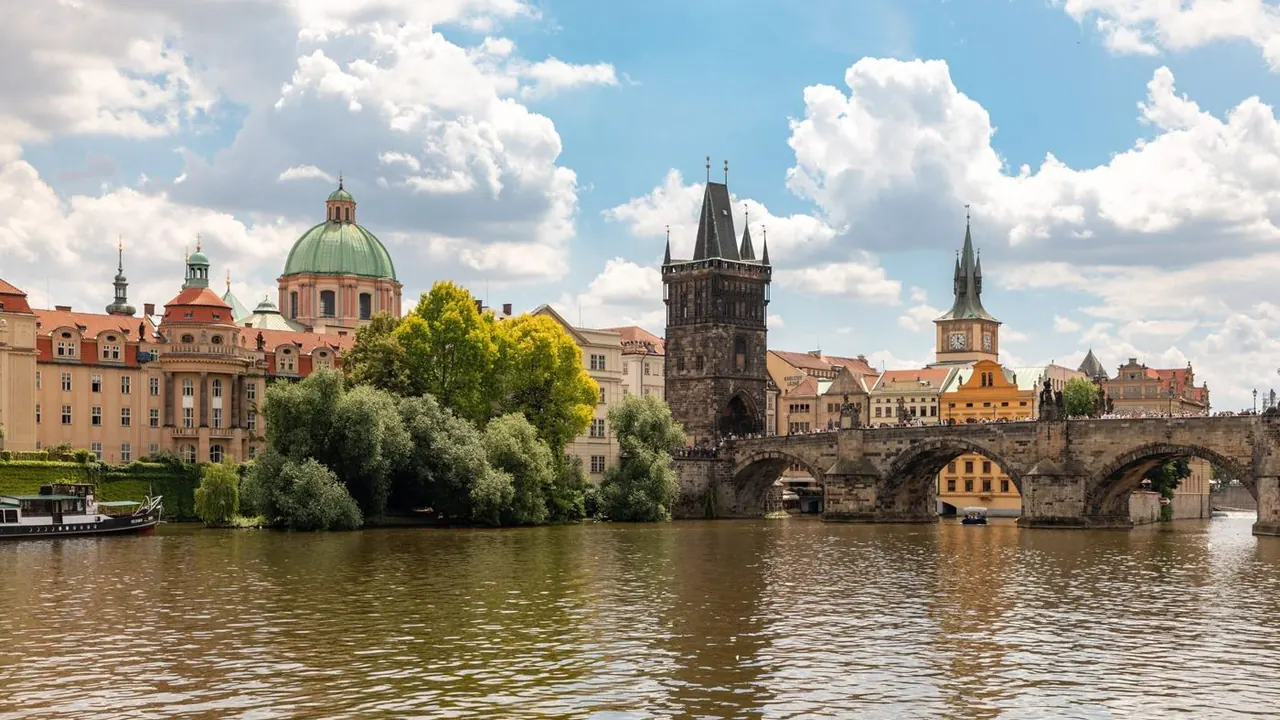
Photos: Hamburg by Wolfgang Weiser, Pexels License; Prague by Dietmar Rabich, CC BY-SA 4.0, cropped.
Hamburg or Prague?
Our verdict in twelve categories, each scored against the same fixed benchmark cities, and the climate month by month, so you can choose for your trip.
Choose Hamburg for
- families
- beaches
- shopping
Hamburg suits travellers who want a working port city with plenty to do once the sightseeing is over. The Reeperbahn and the Schanzenviertel make for long nights out, and the Elbphilharmonie and the State Opera give the evenings real weight. Families get Miniatur Wunderland, Hagenbeck and ferry rides across the Elbe, and the shopping streets around the Jungfernstieg are among Germany's best. It costs more, and grey skies come with the package.
Choose Prague for
- prices
- culture and sights
- day trips
Prague is the choice if you want a historic city to walk through. The castle, Mala Strana, the Charles Bridge and the Gothic lanes of the Old Town survive almost whole, and Bohemia's castles and Kutna Hora are close enough for easy day trips. It is also kinder to the budget, especially if you drink beer in neighbourhood pubs and stay a few tram stops from the centre. The trade-off is heavy crowds at the main sights and cobbles that are hard work with a pushchair.
Scoreboard
Twelve categories on one fixed scale from 0 to 100. The shaded stretch is the gap between the two.
Your match
Pick a travel style or drag the sliders, and both match scores follow your weighting.
Too close to call, 1 point apart
Wins on families and beaches with your weighting.
Wins on prices and culture and sights with your weighting.
What matters to you?
Category by category
What the scores mean for a trip.
Beaches & swimming
Neither city is a place to swim, but Hamburg has more to offer. Its Elbe beaches at Oevelgoenne and below Blankenese are good for watching ships at sunset, though the currents make the river unsafe for swimming. The Baltic resorts of Travemuende and Timmendorfer Strand are about an hour away, with wicker beach chairs and proper sea bathing in a warm summer.
Prague is landlocked. On a hot day you can swim at the Dzban reservoir in the Sarka valley, at outdoor pools or at the Slapy reservoir to the south. These make a pleasant lake outing, but they are no substitute for a coast.
Food & drink
The two cities eat about equally well, but they eat very differently. Hamburg is a fish city: herring and shrimp rolls on the Landungsbruecken piers, Labskaus and Finkenwerder plaice, Franzbroetchen at breakfast, and a broad modern scene with a serious fine-dining tier.
Prague's table is built around beer: carefully poured lager from the tank, roast pork with dumplings, svickova and cheap chlebicky lunches. The cooking is narrower and heavier, and the area around Old Town Square serves it poorly. Hamburg is better for variety, Prague for an evening of pub food and excellent beer.
Culture & sights
Hamburg's sights tell the story of a trading port rather than of kings and bishops. The warehouse canals of the Speicherstadt and the prow-shaped Chilehaus are the closest thing it has to an old town, and the Elbphilharmonie, the tower of St Michael's and the burnt-out spire of St Nikolai mark a skyline largely rebuilt after the bombing of 1943. Hamburg comes closest to Prague indoors, where the Kunsthalle and its Caspar David Friedrich paintings make a more rewarding visit than Prague's National Gallery, which is spread across several buildings.
Out on the streets, Prague is far ahead. The castle, the Baroque palaces of Mala Strana, the Charles Bridge and the Gothic lanes of the Old Town form one continuous historic centre of the kind Hamburg lost in the war. Josefov's synagogues and the Cubist facades add layers you will not find in a northern port. Seeing it properly takes three or four days, and because the famous sights fill up, early starts pay off.
Nightlife
Hamburg is the bigger night out. The Reeperbahn has neon, dive bars, music clubs and cabaret, bars have no fixed closing time, and a night can end at dawn by the harbour. The Schanzenviertel, Ottensen and the Alster each add a different crowd, from alternative to smart.
Prague's evenings centre on pubs: long wooden tables, cheap lager, the plain local bars of Zizkov and summer beer gardens on Letna. Its large clubs near Wenceslas Square mostly cater to stag parties, and the more interesting techno venues are out in Holesovice. It makes a fine, relaxed night of drinking, but it has less range and stamina than Hamburg.
Nature & outdoors
Prague has slightly more to offer outdoors, largely because it has hills. Petrin Hill rises right behind Mala Strana, the gorge of Divoka Sarka feels wild for a place so close to town, and the sandstone towers of Bohemian Switzerland, within about two hours, give genuinely good hiking.
Hamburg is flat, and its outdoors happens on the water. You can sail or paddle on the Alster, canoe the northern canals, cycle the Elbe path to Blankenese or ride through the orchards of the Altes Land when the blossom is out. Lueneburg Heath is the bigger landscape nearby.
Day trips
Both cities make good bases, but Prague's surroundings are more varied. Kutna Hora's cathedral and ossuary and the castle at Karlstejn are each about an hour away, Terezin is a sober and important visit, and Dresden and Karlovy Vary are reachable for a longer day. Cesky Krumlov is really an overnight trip.
From Hamburg, the brick Gothic of the north is the theme. Luebeck is the obvious first outing, followed by Lueneburg, Bremen, Schwerin's lake castle and the old port of Wismar, with the Baltic as a summer extra. The towns are fine, but they resemble each other more than Bohemia's castles, spa towns and wine country do.
Good for families
Hamburg is much the easier city with children. Miniatur Wunderland can fill half a day, Hagenbeck shows its animals across moats rather than bars, and a harbour day with ferries, museum ships and the old Elbe tunnel feels like an adventure. There are theme parks within an hour, and the wide pavements suit pushchairs. Wet weather is the one thing to plan around.
Prague's storybook look delights children, and the zoo at Troja is excellent. Beyond that the list gets short, and the cobbles, castle stairs and summer crowds make the old centre tiring for small legs.
Getting around
Both cities are easy without a car, but the way you get around differs. In Prague you mostly walk the small centre, which takes about fifteen minutes end to end, and the trams cover the rest, running through the night. The cobbles tire your feet, the castle climb is steep, and pickpockets work the crowded tourist lines.
Hamburg is more spread out, but the U-Bahn and S-Bahn reach every district, and the harbour ferries run on the same ticket. The flat ground also makes cycling a real option, wind permitting.
Shopping & style
Hamburg is the better city for shopping. Neuer Wall and the streets around the Jungfernstieg are a proper luxury quarter linked by covered arcades, the Alsterhaus anchors the waterfront, and the Karolinenviertel and Schanzenviertel are good for vintage and streetwear.
Prague has Parizska Street and the chains on Na Prikope, and its distinctive buys are Bohemian crystal, garnet jewellery and marionettes. Much of the centre, though, is given over to repetitive souvenir shops, and the better design and vintage finds are out in Vinohrady and Holesovice.
Affordability
Prague is clearly the cheaper stay. Beer, pub lunches and public transport cost little, and if you eat in Zizkov or Karlin and sleep a few tram stops out, a trip stays modest. The traps are restaurants with a view in the historic core and the exchange booths in the centre.
Hamburg is expensive even by German standards, especially its hotels and restaurants in HafenCity. The savings come from the day ticket that includes the ferries, from fish rolls and bakeries, and from free sights such as the Elbphilharmonie plaza and the riverside walks.
Live music & performing arts
Both are first-rate music cities with different strengths. Hamburg has the Elbphilharmonie and its acoustics, an internationally known ballet, Germany's biggest musical theatres, some reached by boat, and the St Pauli rock clubs where the Beatles started out.
Prague is the place for opera and classical heritage. It has three opera houses, including the Estates Theatre where Mozart premiered Don Giovanni, the Czech Philharmonic at the Rudolfinum, and black-light and marionette shows that work without any Czech. The church concerts aimed at visitors vary in quality, and spoken theatre is mostly in Czech.
Wellness & relaxation
Neither city is a spa destination, and both are better for slow afternoons than for treatments. Hamburg's advantage is the German sauna habit, with the art nouveau Holthusenbad and large public sauna complexes. Prague offers hotel spas, massage studios and its novelty beer baths, and its real rest comes from the grand coffee houses, the gardens below the castle and the quiet of Kampa island.
When should you go?
Pick your month. The climate figures are measured averages, not a forecast.
Hamburg in July
Prague in July
Daytime high, °C
Rainfall in the month, mm
Temperature and rainfall are climate normals, averaged over the years shown. Hamburg: 1991-2020 normals, Hamburg Airport (9.3 km from centre). Prague: 1991-2020 normals, Praha-Libus (8.1 km from centre).
Both cities are warmest in July and August, when Hamburg reaches about 23°C and Prague a little more at 25°C. That is comfortable for walking all day and never too hot. Neither city works as a beach trip, though Hamburg's summer is warm enough for an outing to the Baltic. From late May to mid-September both are at their most pleasant, with long, fairly sunny days.
Rain is where they differ. Hamburg is damp all year, with no truly dry month and wet, dark winters, though April is often drier and brighter than you might expect. Prague gets most of its rain as summer showers, around 80mm in June and August. Its winters are dry but colder, with January highs near 2°C. Spring and early autumn are the best seasons in Prague for the hills and lanes. In Hamburg, a winter visit means planning around indoor sights.
Which traveller are you?
On a family trip with young children, Hamburg wins clearly. Miniatur Wunderland, the open enclosures at Hagenbeck and harbour ferries keep children busy, and the pavements are wide enough for a pram. In Prague, cobbles and the castle stairs wear families out.
For a culture and arts trip, Prague is the stronger choice. Its whole centre survives as a UNESCO site, from the castle and St Vitus to Josefov's synagogues and the Cubist buildings. Hamburg lost much of its old city in the war and offers districts and waterside walks instead.
On a trip on a tight budget, Prague goes much further. Beer, pub lunches and trams stay cheap, and the neighbourhood pubs of Zizkov and Vinohrady cost far less than the centre. Hamburg is one of Germany's pricier cities, though fish rolls and free riverside walks help.
Before you go
| Measure | Hamburg | Prague |
|---|---|---|
| Official language | German | Czech |
| Currency | Euro (EUR) | Czech Koruna (CZK) |
| Sockets | CF230 V, 50 Hz | CE230 V, 50 Hz |
| Driving side | Right | Right |
| Time zone | UTC+1, UTC+2 in summer | UTC+1, UTC+2 in summer |
| Emergency number | 112 | 112 |
| Elevation | 6 m | 235 m |
| Main airport | Hamburg Helmut Schmidt Airport (HAM)9 km from centre120 non-stop destinations | Václav Havel Airport Prague (PRG)12 km from centre178 non-stop destinations |
| Public holidays this year | 10 days | 13 days |
By the numbers
| Measure | Hamburg | Prague |
|---|---|---|
| City population | 1,869,473 | 1,397,880 |
| People per km² | 2,476 | 2,817 |
| Museums within 10 km | 77 | 88 |
| UNESCO World Heritage sites within 50 km | 1 | 1 |
Where else could you go?
Every comparison below shares a destination with this one, so you can follow Hamburg or Prague somewhere new.