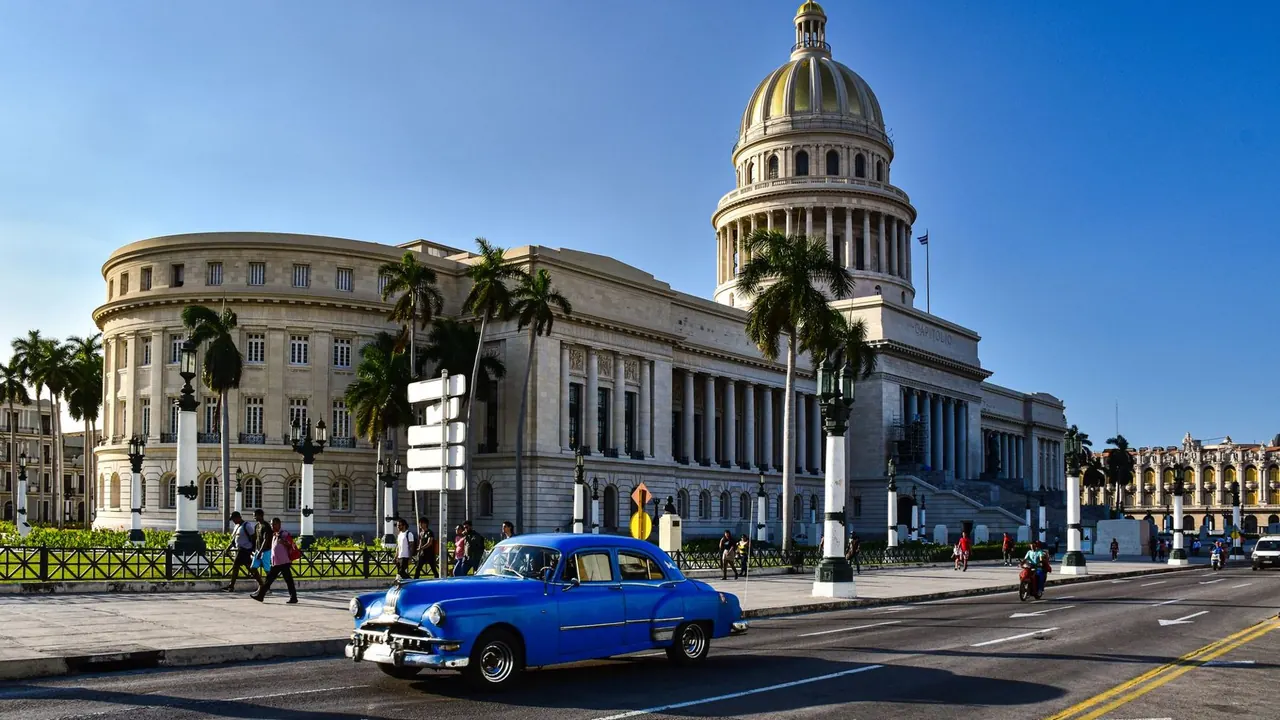
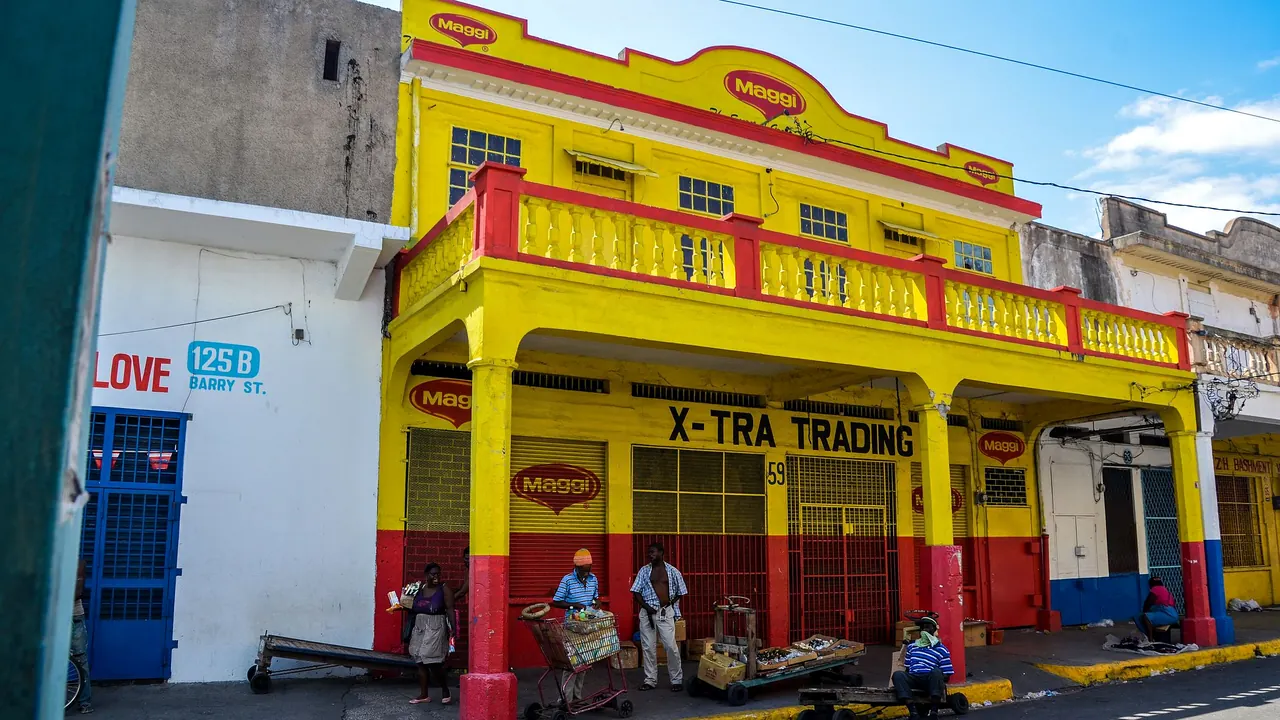
Photos: Havana by AXP Photography, Pexels License; Kingston by Ralf Steinberger, CC BY 2.0, cropped.
Havana or Kingston?
Our verdict in twelve categories, each scored against the same fixed benchmark cities, and the climate month by month, so you can choose for your trip.
Choose Havana for
- culture and sights
- beaches
- live music and the arts
Havana is the choice for a traveller who wants the city itself to be the reason for going. The colonial squares of Habana Vieja, the art deco streets of Centro and Vedado and live son and salsa from midday onwards fill several days on foot. Rooms in private homes keep the cost down, and the white sand of the Playas del Este is close enough for a day off. Just don't come for the cooking, because the cocktails are better than the meals.
Choose Kingston for
- nature and the outdoors
- food and drink
- wellness
Kingston rewards people who come for the land and the music's roots rather than for grand buildings. The Blue Mountains rise straight from the edge of town, with cloud forest, coffee terraces and a night climb to the island's highest summit. Roadside jerk, patties and curry goat make it much the better place to eat. It suits travellers who are happy to move by car and to go with a local guide to dancehall nights.
Scoreboard
Twelve categories on one fixed scale from 0 to 100. The shaded stretch is the gap between the two.
Your match
Pick a travel style or drag the sliders, and both match scores follow your weighting.
Too close to call, 1 point apart
Wins on culture and sights and beaches with your weighting.
Wins on nature and the outdoors and food and drink with your weighting.
What matters to you?
Category by category
What the scores mean for a trip.
Beaches & swimming
Neither city swims from its own waterfront, but Havana has the better beaches within reach. The Playas del Este are a long string of white-sand strands about half an hour east, with clear, warm water and lively local weekends. Facilities there are basic, but there is room to spread out.
Kingston's sand is smaller and harder to reach. Lime Cay is a pretty sandbar, but you need a boat to get there, and Hellshire is crowded and better known for its fried fish than its beach. In both places the beach is a day out, but Havana makes it the easier one.
Food & drink
Kingston is clearly the better place to eat, because its food lives on the street. Jerk comes off oil-drum grills at the roadside, ackee and saltfish and oxtail are served at lunch counters, and Coronation Market is piled with breadfruit and scotch bonnets. Blue Mountain coffee grows in the hills just above town.
Havana's best meals are in paladares, private restaurants in old mansions and on rooftops, but the range of dishes is narrow and supplies are uneven. Street food is scarce. The city's strength is in the glass: daiquiris, mojitos and aged rum in the old bars.
Culture & sights
Havana is far richer. Habana Vieja is a whole UNESCO-listed colonial town of squares, baroque churches and fortifications, and the Morro and La Cabaña fortresses face it across the harbour. Vedado adds art deco and mid-century buildings, and two strong museums cover Cuban art and the revolution.
Kingston's sights are fewer and more about modern Jamaica. Visitors come for Bob Marley's house on Hope Road, Trench Town and the National Gallery's Jamaican art, then Devon House and the remains of Port Royal. It is rewarding for anyone drawn by reggae, but it lacks Havana's architecture.
Nightlife
The two are about level for a night out, but the nights are very different. Havana's evenings centre on salsa clubs in Vedado and Miramar, rum bars in the old town and the long open-air gathering along the Malecón on warm nights. A visitor can join in easily, though getting between neighbourhoods takes a taxi.
Kingston's heart is dancehall. Sound systems are set up in neighbourhood lanes on weeknights and play until dawn. It is rawer and more original, but the best sessions are hard to find, and some are in districts that call for a local guide.
Nature & outdoors
Kingston wins easily, because its mountains begin where the city ends. The Blue Mountains climb to Blue Mountain Peak at 2,256m, with cloud forest, rivers, coffee terraces, the cooler trails at Holywell and birds found only in Jamaica. The roads are slow, but the hills are a day out from town.
Havana is flat. Its outdoors means walking the sea wall and watching the sunset, with some shade in the Almendares park. The Las Terrazas reserve is about an hour west, and Viñales is a long drive further.
Day trips
Kingston has a slightly better choice of outings. Spanish Town's Georgian square is half an hour away, Port Royal is an easy half day, and the highway reaches the north coast around Ocho Rios in about an hour and a half. Coffee estates in the hills add tastings.
Havana's nearby trips are smaller: Hemingway's Finca Vigía, the village of Cojímar and the port of Matanzas with its rumba tradition. Cuba's best towns, Trinidad and Cienfuegos, need overnight stays. Both cities depend on a car or a tour.
Good for families
Neither city is built for children, and they are about level. Havana offers the National Aquarium, rides in horse carts and classic cars, cannons at the fortresses and a beach day, but basic supplies can be hard to find and the pavements are broken. Kingston has Hope Zoo, ice cream at Devon House and a boat ride to Lime Cay, though families end up driving between hotel, malls and sights.
Getting around
Havana is the easier city to explore. Habana Vieja is compact and best seen on foot, and a walk along the Malecón links it to Centro and Vedado in under an hour. For longer distances there are classic-car taxis and shared almendrones.
Kingston is a sprawl with no rail, so its museums, downtown, the mountains and Port Royal are all a drive apart. Pavements are patchy and some districts are best not crossed on foot. Most visitors rely on taxis, ride-hailing or a hired driver for the day.
Shopping & style
Havana's best buys are cigars from the state shops, aged rum and, above all, paintings and prints bought straight from the artists' studios in Habana Vieja and Vedado. The craft market by the harbour adds guayabera shirts and woodwork. Beyond that, shop shelves can be sparse, and fashion and department stores are essentially absent.
What you take home from Kingston is mostly things to taste and hear: Blue Mountain coffee, hot sauces, jerk seasoning and reggae vinyl from the downtown record shops where the music was once pressed. Plain uptown malls along Constant Spring Road cover everyday needs. For anyone hoping to shop for style, though, the two cities are much alike.
Affordability
Havana is the cheaper stay if you travel the way most visitors do. Casas particulares are good value and often include a hearty breakfast, and music, snacks and shared taxis cost little. State hotels and imported goods are dear, and you need to carry cash.
Kingston costs more because its hotels are priced for business travellers and because getting around means paying for taxis or a driver. Local jerk stands and patty shops are cheap, but mountain tours and boats to the cays soon add to the bill.
Live music & performing arts
Havana has the fuller stage. Son, salsa, bolero and rumba play live in bars, courtyards and on street corners from midday, and the jazz clubs in Vedado are strong. For formal performance there are the Ballet Nacional de Cuba at the Gran Teatro and the National Symphony.
Kingston's appeal is its history as the birthplace of ska, reggae and dub. There are sound-system sessions in yards and in the hills, the studios around Orange Street, and the National Dance Theatre Company. Classical music is minor there, so music lovers in general will get more from Havana.
Wellness & relaxation
Kingston offers a little more for anyone who wants to unwind. There are simple spring-fed pools at the Rockfort Mineral Bath, old hot springs at Bath about ninety minutes east, and quiet retreats in the misty Blue Mountains.
Havana has no bathing tradition and few spas. Its version of rest is slow afternoons on a shaded balcony or in a colonial courtyard, ideally in a quiet guesthouse in Vedado or Miramar.
When should you go?
Pick your month. The climate figures are measured averages, not a forecast.
Havana in July
Kingston in July
Daytime high, °C
Rainfall in the month, mm
Where the figures come from
Havana has no rain gauge within 25 km of the centre, so its rainfall comes from a gridded climate dataset read at the city rather than from a gauge further away.
Temperature and rainfall are climate normals, averaged over the years shown. Havana: 1991-2020 normals, Casa Blanca, La Habana (3.5 km from centre). Kingston: 1991-2020 normals, Kingston / Norman Manley (4.4 km from centre).
Havana is at its most comfortable from December to April, when days are warm rather than fierce at around 28°C and rain is light, with March the driest month at 35mm. The sea is a little cooler then but still pleasant for swimming, and it is warmest in late summer. From May to October the city turns hot and wet. Highs reach 32°C, and June and September bring the heaviest downpours, which makes long walks through the old town tiring.
Kingston is hotter in every month and never drops much below 31°C, so wherever you go, walking is best done early or late in the day. Its dry season is sharper than Havana's. January to April is almost rainless and very sunny, the clear spell to aim for if you plan to hike the Blue Mountains. Rain arrives in May and returns more strongly in September and October, at about 155mm a month. The sea stays warm all year.
Which traveller are you?
On a culture and arts trip, Havana is the clear choice. Habana Vieja's baroque churches and arcaded squares, the harbour fortresses, the Bellas Artes collection and nightly music lead up to the Ballet Nacional at the Gran Teatro. Kingston's sights are covered in two or three days.
For an outdoors trip, choose Kingston. The Blue Mountains begin at the city's northern edge, with sunrise hikes to the highest peak, cloud forest, rivers and birds found only in Jamaica. Havana's outdoor life is mostly the Malecón, and real trails are an hour away.
On a food and nightlife trip, Kingston has the edge at the table: jerk smoked over pimento wood, patties and curry goat at lunch counters. Nights are a close call. Kingston has dancehall street sessions, while Havana has salsa clubs and some of the Caribbean's classic cocktail bars.
Before you go
| Measure | Havana | Kingston |
|---|---|---|
| Official language | Spanish | English, Jamaican Patois |
| Currency | Cuban Peso (CUP) | Jamaican Dollar (JMD) |
| Sockets | AB110 V, 60 Hz | AB116 V, 50 Hz |
| Driving side | Right | Left |
| Time zone | UTC-5, UTC-4 in summer | UTC-5 |
| Emergency number | Police 106, ambulance 104, fire 105 | Police 110/112/119/911, ambulance 110, fire 110 |
| Elevation | 59 m | 9 m |
| Main airport | José Martí International Airport (HAV)17 km from centre21 non-stop destinations | Norman Manley International Airport (KIN)4 km from centre17 non-stop destinations |
| Public holidays this year | 9 days | 10 days |
By the numbers
| Measure | Havana | Kingston |
|---|---|---|
| City population | 2,492,618 | 937,700 |
| People per km² | 3,423 | 42,623 |
| Museums within 10 km | 12 | 4 |
| UNESCO World Heritage sites within 50 km | 1 | 2 |
| Swim season, months above 21 °C | 12 months | 12 months |
Where else could you go?
Every comparison below shares a destination with this one, so you can follow Havana or Kingston somewhere new.