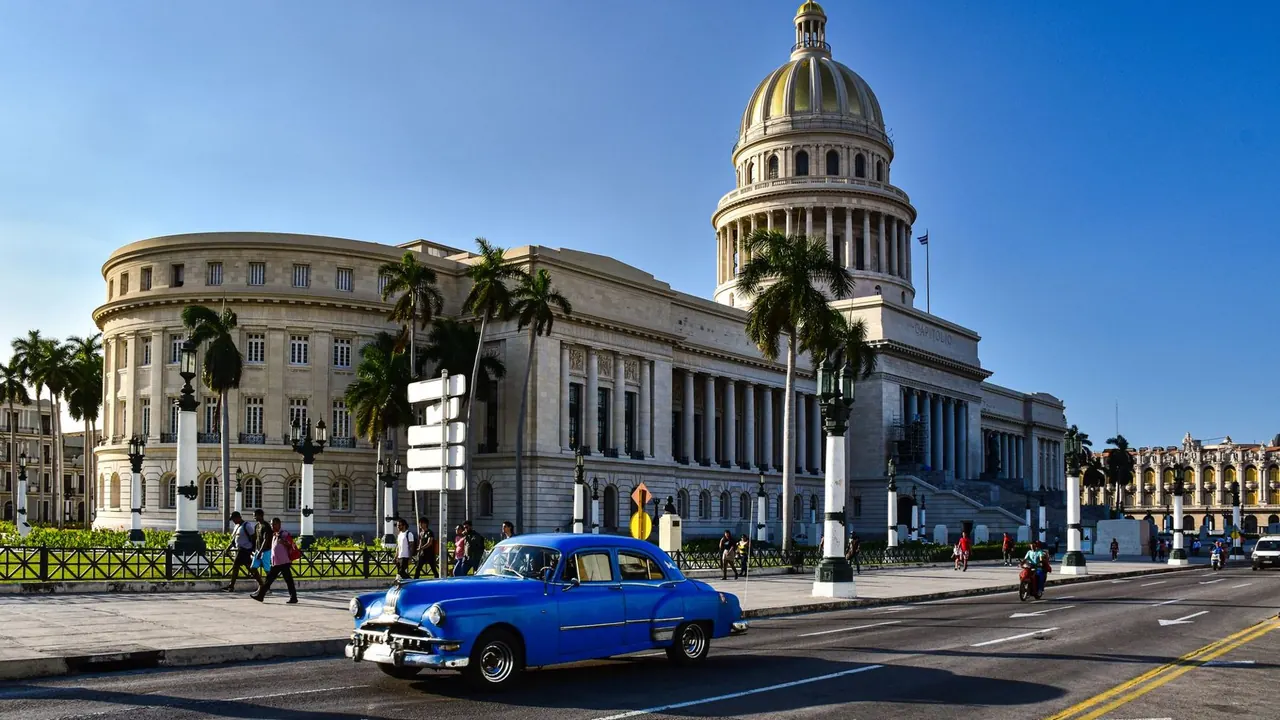
Photos: Havana by AXP Photography, Pexels License.
Havana or Marco Island?
Our verdict in twelve categories, each scored against the same fixed benchmark cities, and the climate month by month, so you can choose for your trip.
Choose Havana for
- culture and sights
- live music and the arts
- nightlife
Havana suits travellers who want a city to explore. Its colonial old town of squares and harbour fortresses, son and salsa played live from midday, the Ballet Nacional at the Gran Teatro and nights of serious dancing in Vedado give it far more to see and hear. It is also much cheaper for anyone who sleeps in private homes. The beaches of the Playas del Este make a good day off, but the sea is a break from the city, not the reason to go.
Choose Marco Island for
- nature and the outdoors
- wellness
- families
Choose Marco Island when the beach and the water are the whole idea. There is a long crescent of soft sand on a calm, shallow Gulf, mangrove channels to paddle, dolphins and manatees close by, and the Everglades within an hour. That makes it a gentle, easy place for young families and anyone who loves the outdoors. Expect to pay well, drive everywhere and find the island quiet after dinner, because it has little culture and not much going on at night.
Scoreboard
Twelve categories on one fixed scale from 0 to 100. The shaded stretch is the gap between the two.
Your match
Pick a travel style or drag the sliders, and both match scores follow your weighting.
Wins on culture and sights and live music and the arts with your weighting.
Wins on nature and the outdoors and wellness with your weighting.
What matters to you?
Category by category
What the scores mean for a trip.
Beaches & swimming
Havana's centre meets the sea with rock and the Malecón sea wall, so swimming means a taxi half an hour east to the Playas del Este. Strands such as Santa María del Mar and Guanabo have white sand and warm, clear water. Weekends there are local and noisy with music, and facilities are basic.
Marco Island is the better place for a beach vacation. Its whole western shore is a broad crescent of fine sand on a shallow, calm Gulf. Tigertail's tidal lagoon is good for wading, and Keewaydin Island's undeveloped shore is a short boat ride away. You step out of the hotel onto the sand instead of spending a day getting there.
Food & drink
Neither city is a place to travel for the food, and each falls short in its own way. In Havana the best of it is in the glass: daiquiris and mojitos in the old bars, aged rum and strong Cuban coffee. The best meals come from paladares in old mansions and on rooftops, but state-run kitchens are dull and menus depend on what the kitchen could get.
Marco Island keeps to Gulf seafood with a water view: grouper sandwiches, shrimp, stone crab claws in the cooler months, and fish platters by the docks in Goodland. The choice is narrow but the cooking is dependable, and Naples, half an hour away, is where you go for a more ambitious dinner.
Culture & sights
Havana is in a different league. Habana Vieja is a UNESCO-listed grid of colonial squares, baroque churches and arcaded mansions. The Morro and La Cabaña fortresses guard the harbour mouth, and Centro and Vedado add art deco streets, the Capitolio and an excellent Cuban collection at the Museo Nacional de Bellas Artes.
Marco Island is a resort community built from the 1960s on, with little to see beyond canals and condominiums. Its one real cultural stop is the historical museum, which tells the story of the Calusa people and the carved wooden figures found on the island in the 1890s.
Nightlife
Havana's nights are about dancing and the street. Old town bars pour rum until late, locals fill the salsa clubs of Vedado and Miramar, and on warm evenings the Malecón turns into a long open-air gathering. The scene is spread out, so expect taxis between neighbourhoods.
On Marco Island the evening is a sunset drink on a waterfront deck and a late dinner, and then the island goes quiet. There are no clubs, and the liveliest moments are the dockside bars of Goodland on winter weekend afternoons.
Nature & outdoors
Havana is a flat coastal city whose outdoor life mostly means walking the Malecón as waves break over it and the shade of the Almendares river park. For forest trails and river pools you need Las Terrazas, an hour west, and Viñales is three hours away.
Marco Island is far better for wildlife and water. It sits at the edge of the Ten Thousand Islands, so kayaking through mangroves, watching dolphins and manatees, birding at Rookery Bay and fishing for tarpon are all right there. Everglades National Park and Big Cypress are within an hour, though the country is flat swamp, not hills.
Day trips
Neither city has an outstanding list of outings, and the two lists differ in kind. Havana's are about Cuban history and towns: Hemingway's Finca Vigía, the fishing village of Cojímar, Matanzas with its rumba tradition and the Varadero strip. Viñales and Trinidad really need an overnight stay, and without good public transport you go with a driver or on a tour.
Marco Island's outings are easy drives you make yourself. Options include Naples and its pier, the old trading post at Chokoloskee, the Edison and Ford Winter Estates in Fort Myers and the shell beaches of Sanibel. Most of the best ones lead into nature, not into towns.
Good for families
Cubans are warmly fond of children, and the aquarium in Miramar, rides in classic cars and the cannons at the fortresses go down well. But Havana's broken pavements, heavy summer heat and patchy supplies of baby goods and medicines suit older children with an interest in music and history better than toddlers.
Marco Island is much easier with young children. The Gulf is shallow and calm, the Tigertail lagoon is good for wading, resorts have pools and children's programmes, and the island is quiet. Naples' zoo and children's museum fill a half day when the beach runs out.
Getting around
Havana is the easier of the two without a car. Habana Vieja is compact and made for walking, the Malecón takes you to Vedado in under an hour, and classic cars, shared almendrones and coco-taxis cover the rest, with the fare agreed first. Watch your footing on uneven, dimly lit streets.
On Marco Island a car is essential. Cycle paths make the small, flat island pleasant to ride around in cooler months, but the bus link to Naples is limited, and the Everglades, the airport and almost everything else assume you are driving.
Shopping & style
Neither is a shopping destination, but what you come home with differs. In Havana it is what Cuba makes: cigars, aged rum, coffee and, best of all, paintings and prints from the studios of Habana Vieja and Vedado, plus woodwork and guayaberas from the harbour craft market.
Marco Island's plazas sell resort wear, beach gear and shell décor. For serious shopping you drive to Naples, where Fifth Avenue South has upmarket boutiques and there are open-air malls with department stores, something Havana lacks entirely.
Affordability
Havana is much easier on the wallet if you travel the local way. Rooms in casas particulares come with a hearty breakfast, and shared taxis, snacks, museums and live music cost little. State hotels, the smarter paladares and anything imported are dear, though, and you need to carry cash.
Marco Island never feels like a budget destination. Resort rooms and condos peak from January to April, eating out is pricey everywhere and the hire car adds to the bill. Summer rates and weekly condos with kitchens help families and groups.
Live music & performing arts
Music is one of Havana's main reasons to visit. Son, bolero and rumba play to a high standard in bars and courtyards from midday, Vedado's jazz clubs host the island's best players, and the Gran Teatro is home to the Ballet Nacional de Cuba. Sunday rumba in the Callejón de Hamel and the Tropicana cabaret add a popular side.
Marco Island has a community theatre and a guitarist or band in resort bars during the winter season. For an orchestra or a touring show you drive to the Naples performing arts centre, and outside winter there is little on.
Wellness & relaxation
Marco Island is the better place to unwind. Its pace is slow, the big beachfront resorts have full spas and pools looking over the Gulf, and the plazas offer yoga and day spas.
Havana has few spas beyond some of the larger hotels, and its heat, noise and exhaust fumes work against rest. What it offers is a rocking chair in a colonial courtyard or a quiet guesthouse in leafy Miramar. Neither place has thermal baths or a bathing tradition.
When should you go?
Pick your month. The climate figures are measured averages, not a forecast.
Havana in July
Marco Island in July
Daytime high, °C
Rainfall in the month, mm
Where the figures come from
Marco Island has no rain gauge within 25 km of the centre, so its rainfall comes from a gridded climate dataset read at the destination rather than from a gauge further away.
Temperature and rainfall are climate normals, averaged over the years shown. Havana: 1991-2020 normals, Casa Blanca, La Habana (3.5 km from centre). Marco Island: 2012-2025 (rainfall 1991-2020) normals, Marco Island / Old Marco Junction (7.5 km from centre).
Havana is warm all year, with highs in the high twenties even in winter and a sea that rarely drops below 26°C, so a beach day at the Playas del Este works in any month. December to April is the best time for walking the old town, when it is drier and a little less hot. From June to October the heat is heavy and the rain builds, reaching 185mm in September.
Marco Island has the same rhythm of dry winters and wet summers, but its winter is cooler. Highs fall to 23°C in January and the Gulf to about 21°C, which some swimmers find bracing. Summer is hot and stormy, and June is the wettest month at 232mm. For beach days, May and November are the best balance, with warm water and lighter rain. December to April is the time for the mangroves and the Everglades.
Which traveller are you?
For a culture and arts trip, Havana is the clear choice. Its colonial squares, harbour fortresses and Cuban art collection fill the days, and evenings bring live son, jazz in Vedado or the Ballet Nacional. Marco Island has one local museum and a drive to Naples.
On an outdoors trip, Marco Island wins easily. You can paddle the mangroves of the Ten Thousand Islands, take a boat out to see dolphins, fish for snook and tarpon and ride an airboat in the Everglades. Havana's real landscapes start an hour or more beyond the city.
On a tight budget, Havana goes much further. A room in a casa particular with breakfast, shared taxis, cheap snacks and street-corner music that costs little keep spending low. On Marco Island the resorts, the restaurants and the hire car you can't do without are never cheap.
Before you go
| Measure | Havana | Marco Island |
|---|---|---|
| Official language | Spanish | - |
| Currency | Cuban Peso (CUP) | US Dollar (USD) |
| Sockets | AB110 V, 60 Hz | AB120 V, 60 Hz |
| Driving side | Right | Right |
| Time zone | UTC-5, UTC-4 in summer | UTC-5, UTC-4 in summer |
| Emergency number | Police 106, ambulance 104, fire 105 | 911 |
| Elevation | 59 m | 0 m |
| Main airport | José Martí International Airport (HAV)17 km from centre22 non-stop destinations | Southwest Florida International Airport (RSW)66 km from centre79 non-stop destinations |
| Public holidays this year | 9 days | 11 days |
By the numbers
| Measure | Havana | Marco Island |
|---|---|---|
| Population | 2,492,618 | 15,760 |
| People per km² | 3,423 | 267 |
| Museums within 10 km | 13 | 1 |
| UNESCO World Heritage sites within 50 km | 1 | 0 |
| Swim season, months above 21 °C | 12 months | 10 months |
Where else could you go?
Every comparison below shares a destination with this one, so you can follow Havana or Marco Island somewhere new.
- Naples, Floridavs Marco Island
- Sanibelvs Marco Island
- Fort Myersvs Marco Island
- Varaderovs Havana
- Miamivs Marco Island
- Key Westvs Marco Island