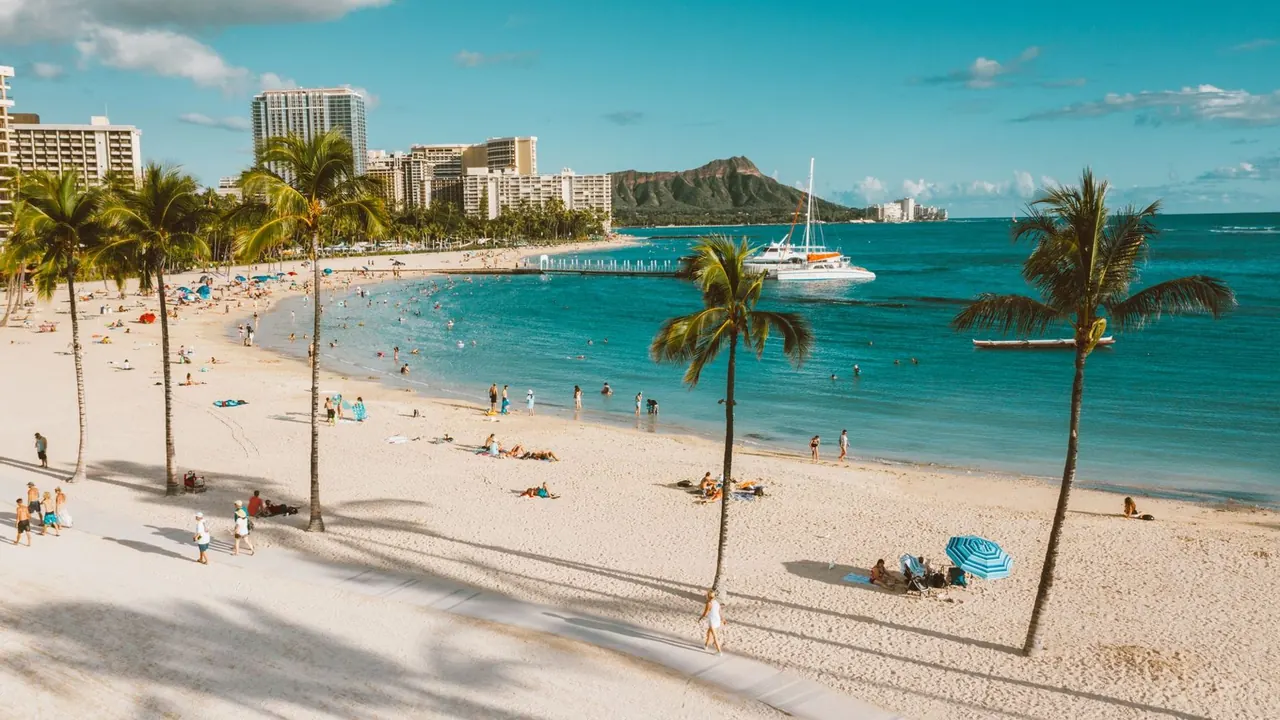
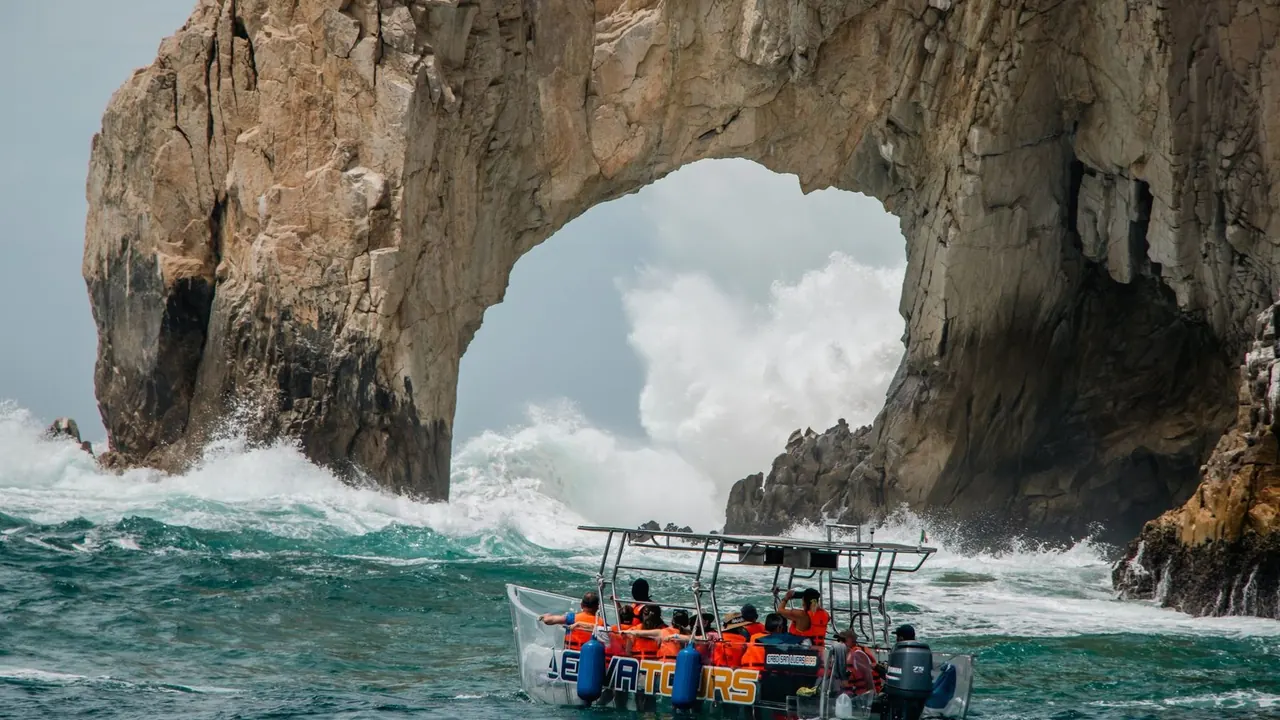
Photos: Honolulu by Jess Loiterton, Pexels License; Los Cabos by Jules Clark, Pexels License.
Honolulu or Los Cabos?
Our verdict in twelve categories, each scored against the same fixed benchmark cities, and the climate month by month, so you can choose for your trip.
Choose Honolulu for
- culture and sights
- live music and the arts
- families
Honolulu suits travellers who want more than a beach from their time away. The swimming is easier and more varied, green mountains and rainforest trails start just behind the hotels, and there is real history to see in a royal palace, a great museum of Polynesian culture and Pearl Harbor. It is also the stronger choice with children, and Waikiki is compact enough to enjoy without a car. The cost is the main drawback, along with the long flight for most visitors.
Choose Los Cabos for
- nightlife
- prices
- wellness
Los Cabos is a resort vacation with a party town attached. Come for sunshine in a dry desert winter, whale watching, deep-sea fishing and calm coves for snorkelling, and stay along the corridor or in San José del Cabo if you want peace, or near the Cabo San Lucas marina if you want late nights. There is little culture or entertainment beyond that, and you will need taxis or a hire car to get anywhere. It costs a little less than Honolulu, though it is not cheap.
Scoreboard
Twelve categories on one fixed scale from 0 to 100. The shaded stretch is the gap between the two.
Your match
Pick a travel style or drag the sliders, and both match scores follow your weighting.
Wins on culture and sights and live music and the arts with your weighting.
Wins on nightlife and prices with your weighting.
What matters to you?
Category by category
What the scores mean for a trip.
Beaches & swimming
Honolulu is the more dependable place to swim. Waikiki's reef-sheltered water is gentle enough for beginner surfers and canoe rides, and Ala Moana and Kaimana are calmer still. Within an easy drive you reach the white sand of Kailua and Lanikai and the reef bowl at Hanauma Bay. Only the North Shore in winter and a few exposed stretches need real caution.
In Los Cabos the beach you choose matters more. Medano Beach and the corridor coves such as Chileno Bay and Santa Maria Bay are calm and clear, but the Pacific side, including many beaches in front of the big resorts, is too rough to swim. Check which sea a hotel faces before you book.
Food & drink
Honolulu has more to eat and more variety. Its food comes from Hawaiian, Japanese, Korean, Filipino and Portuguese families, so a day might include poke from a fish counter, a plate lunch, ramen and a malasada. The best of it is in Kaimuki, Kapahulu and Chinatown rather than the resorts.
Los Cabos is narrower but good at what it does: fish tacos, ceviche and aguachile made with catch from the sportfishing boats, served with Baja wine or mezcal. Eat in San José del Cabo and at the farm restaurants in the hills, not around the marina.
Culture & sights
Here the gap is wide. Honolulu has the history of a Pacific kingdom and of the Second World War. Iolani Palace, the Bishop Museum's Polynesian collections and the USS Arizona Memorial at Pearl Harbor can fill two or three days, and the Honolulu Museum of Art adds strong Asian collections.
Los Cabos has San José del Cabo's small colonial plaza, its mission church and a gallery district with a weekly art walk in season. The arch at Land's End is a sight, but a natural one. Anyone with an interest in history will find more on a trip out to Todos Santos or La Paz.
Nightlife
Los Cabos is the place for a big night out. The streets behind the Cabo San Lucas marina fill with loud bars and dance clubs that stay open into the early hours, and the drinking starts on Medano Beach in the afternoon. It is lively rather than varied, and the corridor and San José are much quieter.
Honolulu's evenings are gentler and end earlier: mai tais at sunset in Waikiki, cocktail bars and dive bars around Chinatown and Nuuanu Avenue, and craft breweries in Kakaako. It suits couples looking for a good drink, not people who want to dance until dawn.
Nature & outdoors
Honolulu has the richer outdoors because it offers both mountains and sea. You can climb Diamond Head in the morning, walk into rainforest at Manoa Falls and look up at the fluted Koolau cliffs, then snorkel with green turtles or learn to paddleboard. Both places see humpback whales in winter.
Los Cabos is mostly about the open water. It has marlin fishing in the deep water off the cape, sea lions at Land's End and the living coral reef of Cabo Pulmo about two hours away. On land there is cactus desert and serious hiking in the Sierra de la Laguna, though summer heat makes it hard going.
Day trips
Neither offers much, and the trips differ in kind. From Honolulu you can drive the full loop of Oahu: Haleiwa's surf-town streets, the Byodo-In temple under the cliffs and the Polynesian Cultural Center. The other islands are a short flight away but are better visited for a few nights.
From Los Cabos the trips lead into Mexican history. Todos Santos has adobe streets and a mission, La Paz has its seafront and cathedral, and the old mining villages inland can be joined on a loop by car.
Good for families
Honolulu is far easier with children. The zoo and aquarium sit at the quiet end of Waikiki, the Ko Olina lagoons and Ala Moana suit small swimmers, and Sea Life Park, a water park and surf lessons keep older children busy. The long flight and the cost are the drawbacks.
In Los Cabos, family life revolves around the all-inclusive resort pool. Chileno Bay, glass-bottom boats and whale trips go down well, but there is no zoo or aquarium, and the Pacific surf needs a close eye.
Getting around
Getting around Honolulu is simpler. Waikiki is flat and walkable from end to end, and TheBus reaches Pearl Harbor, Chinatown and even the North Shore, so many visitors only hire a car for a day of touring.
Los Cabos is spread along a corridor of about 30km, with hotels set apart from both towns. Taxis, shuttles or a hire car are the norm, and the airport is a long way from Cabo San Lucas.
Shopping & style
Honolulu offers far more shopping. The luxury fashion houses on Kalakaua Avenue and the huge open-air Ala Moana Center attract serious shoppers. For local things, look for vintage aloha shirts, koa wood bowls and ukuleles, or browse the independent shops in Kaimuki and Kakaako.
Los Cabos has duty-free malls by the marina and stalls selling silver jewellery, blankets and tequila. San José del Cabo's galleries and Mexican folk art are the best of it.
Affordability
Neither is cheap, but Honolulu costs more. Almost everything is shipped in, so hotels, resort fees, restaurants and car hire are all expensive. Plate lunches, poke counters, the bus and free beaches and hikes help keep costs down.
Los Cabos is among the most expensive places in Mexico, with corridor resorts and marina restaurants priced like the United States. Your money goes further in San José del Cabo, at taco stands and on local buses.
Live music & performing arts
Honolulu has a performance tradition of its own: hula, slack-key guitar and falsetto singing. You can see them at free shows on Kuhio Beach and at festivals, with short seasons from the symphony and opera at the restored Hawaii Theatre and elsewhere downtown.
In Los Cabos, live music mostly means cover bands in the marina bars and mariachi at dinner. There is no theatre or concert season.
Wellness & relaxation
Los Cabos has a slight edge here because the corridor resorts compete on their spas. Many have seafront treatment rooms and offer the temazcal, a Mexican sweat lodge ceremony, and the stretch towards San José is quiet.
Honolulu answers with lomilomi massage and yoga on the sand at dawn. Waikiki is dense, though, so for real calm you need to stay at Kahala, Ko Olina or on the windward side.
When should you go?
Pick your month. The climate figures are measured averages, not a forecast.
Honolulu in July
Los Cabos in July
Daytime high, °C
Rainfall in the month, mm
Where the figures come from
Los Cabos has no weather station within reach, so its figures come from a gridded climate model rather than a measured record, and read a broad area rather than the city itself.
Temperature and rainfall are climate normals, averaged over the years shown. Honolulu: 1991-2020 normals, Honolulu International Airport (10.1 km from centre). Los Cabos: 2001-2020 normals, NASA POWER reanalysis grid, no weather station within 90 km.
Honolulu is warm in every month, and the sea never drops below about 24°C, so you can swim all year. Afternoons stay pleasantly warm through winter and peak at about 32°C in August, when walking around town at midday gets sticky. The seasons differ mainly in rain. April to September is dry, while November to March brings more frequent showers, though rarely enough to spoil a beach day.
Los Cabos has a sharper pattern. From November to early summer it barely rains, and winter days are a few degrees cooler than Honolulu's, which makes them ideal for walking and hiking. The sea is noticeably cooler then too, dipping to about 21°C in spring, which feels brisk for a long swim. The heat builds from July, and August and September bring most of the year's rain, peaking at about 99mm in September, just as the water reaches its warmest at around 29°C. October and November are the best compromise for a beach trip there. Honolulu is the safer choice in midsummer, and Los Cabos is better for dry, mild days in late winter and spring.
Which traveller are you?
On a family trip with children, Honolulu is the clear choice. It has reef-sheltered beaches, a zoo, an aquarium and Sea Life Park, Hanauma Bay is a gentle first snorkel, and Waikiki is easy to manage on foot. Los Cabos has calm coves but little else built for children.
For a culture and arts trip, choose Honolulu. Iolani Palace, the Bishop Museum and Pearl Harbor give you a few full days of history, and hula and slack-key guitar are easy to find. Los Cabos offers a mission church, an art walk and not much more.
On a relaxing and wellness trip, Los Cabos edges ahead. The quiet resort corridor and San José del Cabo have seafront spas with outdoor treatment rooms and the traditional temazcal sweat lodge. Honolulu has lomilomi massage, but busy Waikiki makes calm harder to find.
Before you go
| Measure | Honolulu | Los Cabos |
|---|---|---|
| Official language | - | Spanish, Nahuatl, Yucatec Maya |
| Currency | US Dollar (USD) | Mexican Peso (MXN) |
| Sockets | AB120 V, 60 Hz | AB127 V, 60 Hz |
| Driving side | Right | Right |
| Time zone | UTC-10 | UTC-7 |
| Emergency number | 911 | 911 |
| Elevation | 12 m | 11 m |
| Main airport | Daniel K. Inouye International Airport (HNL)7 km from centre56 non-stop destinations | Los Cabos International Airport (SJD)35 km from centre54 non-stop destinations |
| Public holidays this year | 13 days | 9 days |
By the numbers
| Measure | Honolulu | Los Cabos |
|---|---|---|
| City population | 350,964 | 202,694 |
| People per km² | 1,981 | - |
| Museums within 10 km | 12 | 1 |
| UNESCO World Heritage sites within 50 km | 0 | 0 |
| Swim season, months above 21 °C | 12 months | 12 months |
Where else could you go?
Every comparison below shares a destination with this one, so you can follow Honolulu or Los Cabos somewhere new.