Indonesia
Raja Ampat
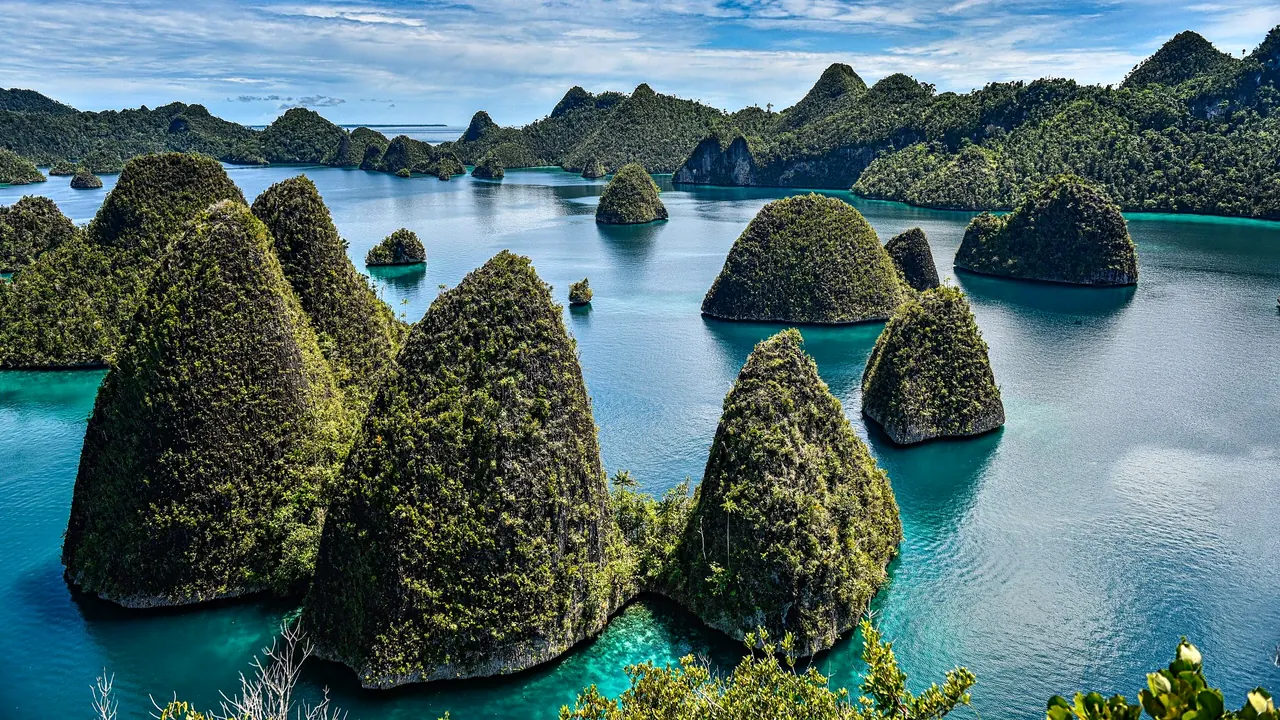
The karst islands of Wayag in turquoise water
- Nature & outdoors97
- Beaches82
- Affordability40
Photo: Rolandandika, CC BY-SA 4.0, cropped
Match
28
Every category weighted equally
- Beach & sun38
- Culture & arts18
- Food & nightlife18
- Family trip35
- Outdoors40
- Relax & unwind38
- Shopping & style19
- On a budget30
Raja Ampat in twelve categories
Our verdict on each, scored 0 to 100 against the same fixed benchmark cities, so a score means the same thing on every page.
Beaches & swimming. Scores 82 out of 100.
Food & drink. Scores 15 out of 100.
Culture & sights. Scores 15 out of 100.
Nightlife. Scores 2 out of 100.
Nature & outdoors. Scores 97 out of 100.
Day trips. Scores 12 out of 100.
Good for families. Scores 18 out of 100.
Getting around. Scores 12 out of 100.
Shopping & style. Scores 3 out of 100.
Affordability. Scores 40 out of 100.
Live music & performing arts. Scores 4 out of 100.
Wellness & relaxation. Scores 40 out of 100.
Raja Ampat category by category
Beaches & swimming
82The water is the point here: warm all year at around 28°C to 30°C, extremely clear, and often only a few steps from where you sleep. Homestays on Kri, Gam, Mansuar and Arborek sit right on narrow strips of white coral sand, and you can step off the beach into shallow reef. Elsewhere small sandbars and empty coves appear between the karst islands, reachable only by boat.
This is not a place for long beach walks or lazy days with beach bars. The beaches are short and simple, and in many places the shallows are full of coral, so you spend more time in the water than lying on the sand. Seas are calmest from about October to April. From June to September the southeast wind can make crossings and some shores rough, especially in the south around Misool.
Food & drink
15There is almost nothing you could call a food scene. Most visitors eat three set meals a day at their homestay or dive resort: rice, grilled or fried fish caught that morning, stir-fried greens, tempe, sambal and sometimes papeda, the sticky sago porridge eaten across Papua. It is simple, fresh and filling, but it barely changes from day to day. Waisai has a few small warungs, and that is about it. Bring snacks and some coffee if they matter to you. Alcohol is hard to find in many villages.
Culture & sights
15Raja Ampat has no museums and almost no historic architecture. Its culture is Papuan village life, which you see on stilt villages like Arborek and Sawinggrai, with their wooden churches and handicraft traditions, and in the welcome some villages give to visiting boats. The most remarkable heritage sites are the ochre rock paintings of hands and animals on the limestone cliffs around Misool, seen from a boat. They are worth a visit if you are in the south, but they are not a reason to come.
Nightlife
2There is no nightlife. Evenings are spent on the homestay deck or liveaboard after dinner, talking about the day's dives under a very dark sky, and most people are asleep early because the boats leave in the morning. Alcohol is scarce, and many villages discourage it.
Nature & outdoors
97This is one of the world's great marine environments and the main reason anyone makes the long journey. The reefs at the centre of the Coral Triangle hold more species of coral and reef fish than almost anywhere else. Dive sites such as Cape Kri, the Dampier Strait and Blue Magic draw schooling fish, reef sharks and wobbegongs, and manta rays gather at cleaning stations. Even snorkellers can see a lot from the homestay jetty.
Above the water, the mushroom-shaped karst islets of Wayag and Piaynemo rise from turquoise lagoons, and you can climb short, steep viewpoints over them. Around dawn in the forests of Waigeo and Gam, local guides take visitors to see red and Wilson's birds of paradise displaying. Kayaking between islands is excellent. For the south, Misool has its own lagoons and cliffs.
Day trips
12Day trips here are island-hopping by boat, and nearly all of them are for the scenery or the reefs rather than for places to visit. As outings to see people and places, the choice is short: the stilt villages of Arborek and Sawinggrai, with their handicrafts and jetties, a stop in the small administrative town of Waisai, or the rock paintings if you are based near Misool. Sorong, the mainland gateway, is a functional port city and not worth a special trip.
Good for families
18This is hard work with children. It takes a long trip to get here, with flights, a ferry and boat transfers. Homestays are basic wooden huts with shared bathrooms and mosquito nets, malaria is present in this part of Papua, and serious medical care is a long boat ride and a flight away. Nothing here is designed for children.
Older children who swim confidently can get a lot from it, though. Snorkelling off the jetty over calm, warm water among turtles and reef fish makes a memorable adventure for a family that is happy without a pool and screens. Young children and toddlers are better off somewhere else.
Getting around
12Reaching Raja Ampat is part of the effort. You fly to Sorong on mainland Papua, then take a ferry of about two hours to Waisai on Waigeo, and your homestay or resort sends a boat to collect you. From there, there are no roads that matter and no public transport between islands. Every outing is by chartered or shared speedboat, usually arranged through your accommodation.
The northern Dampier Strait islands are close to each other, but Wayag is several hours away by boat and Misool is a separate trip from Sorong altogether. Rough seas from about June to September can cancel crossings. Many divers avoid the logistics by joining a liveaboard, which moves the bed to the reefs.
Shopping & style
3On Arborek, women weave pandanus leaves into wide-brimmed hats, small bags and mats, often with a manta ray woven in, and they sell them on the village jetty or from their front steps when boats come in. Other villages sell a few wood carvings and noken, the knotted string bags carried all over Papua. These make good keepsakes, and buying them goes straight to the family that made them. Beyond that, Waisai's small stores sell basic supplies and nothing more. Shopping plays no real part in a trip here, so bring sunscreen, medicines and enough cash from Sorong or before.
Affordability
40Raja Ampat costs much more than most of Indonesia. A stay at a simple family homestay on Kri or Gam, with meals included, is modest, and if you snorkel from the jetty you can live cheaply. The cost lies in everything around it: the marine park entry permit, flights to Sorong, boat transfers, and especially the speedboat charters to Wayag or Piaynemo, which are expensive unless you split them with others. Diving costs more here than elsewhere in the country, and dive resorts and liveaboards are priced for an international market. This is a destination you pay for because of how remote it is.
Live music & performing arts
4If a boat arrives in the right village on the right day, you may be met with a Papuan welcome: dancers in woven skirts and feathers, the beat of tifa hand drums, and songs sung on the jetty. On Sunday mornings the singing from the wooden village churches carries across the water, and it is often the most moving music a visitor hears here. Both are part of local life, not shows put on for visitors. You cannot plan a trip around them, and there are no theatres, concerts or regular live-music venues anywhere in the islands.
Wellness & relaxation
40There are no thermal baths, no hammams and no local bathing tradition, and spa treatments are limited to the occasional massage at a handful of upmarket island resorts. What Raja Ampat has instead is profound quiet. There is no traffic, little or no phone signal on many islands, and the day is set by the sun and the tides. A hammock over the water and early nights make for real rest. Just don't expect pampering, and remember that the homestays are simple rather than luxurious.
Where to stay in Raja Ampat
For a first visit, base yourself on the small islands of the Dampier Strait, which lie close together and keep boat rides short. Kri and neighbouring Mansuar suit divers and keen snorkellers, with reef a few steps from the hut and sites like Cape Kri nearby. Gam is a little quieter and adds dawn walks in the forest to see birds of paradise displaying. Families with older children who swim well will find the calm jetty snorkelling on these islands the easiest start. Arborek is the choice for staying inside a Papuan stilt village, with weaving on the jetty and mantas in the surrounding waters, though the rooms are as simple as anywhere here.
Waisai, on Waigeo, is where the ferry from Sorong arrives. It has a few warungs and basic stores, but it works as a transit stop rather than a base. Wayag is several hours north by boat, so treat it as a long day out from the Dampier Strait.
Misool, in the far south, makes a good second visit. It is a separate trip from Sorong, with its own lagoons, cliffs and rock paintings, and is best visited between October and April, when the seas are calmer. Divers who would rather not move between bases can join a liveaboard, which takes the bed to the reefs.
When should you go?
Pick a month to see what it is like. The climate figures are measured averages, not a forecast.
Raja Ampat in July
Daytime high, °C
Rainfall in the month, mm
The whole year
Shaded against this destination’s own year: the deepest cell is its best month for that figure and the palest its weakest.
Where the figures come from
Raja Ampat's temperatures are measured 65 km from the centre, at Sorong / Jefman.
Raja Ampat has no rain gauge within 25 km of the centre, so its rainfall comes from a gridded climate dataset read at the destination rather than from a gauge further away.
Temperature and rainfall are climate normals, averaged over the years shown. Raja Ampat: 1996-2020 (rainfall 1991-2020) normals, Sorong / Jefman (65 km from centre).
Before you go
| Measure | Raja Ampat |
|---|---|
| Official language | Indonesian |
| Currency | Rupiah (IDR) |
| Sockets | CF50 Hz |
| Driving side | Left |
| Time zone | UTC+9 |
| Emergency number | 112 |
| Main airport | Domine Eduard Osok Airport (SOQ)10 non-stop destinations |
By the numbers
| Measure | Raja Ampat |
|---|---|
| Swim season, months above 21 °C | 12 months |
Compare Raja Ampat with
Every comparison with a written verdict behind it.