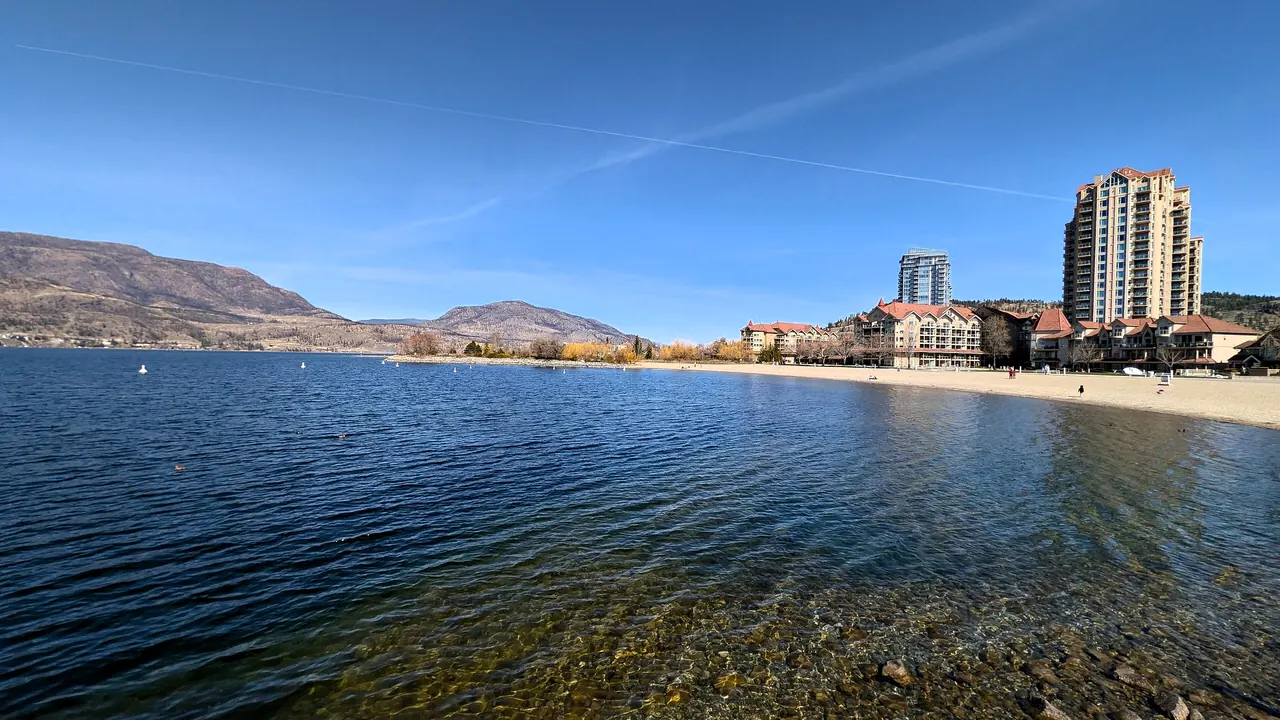
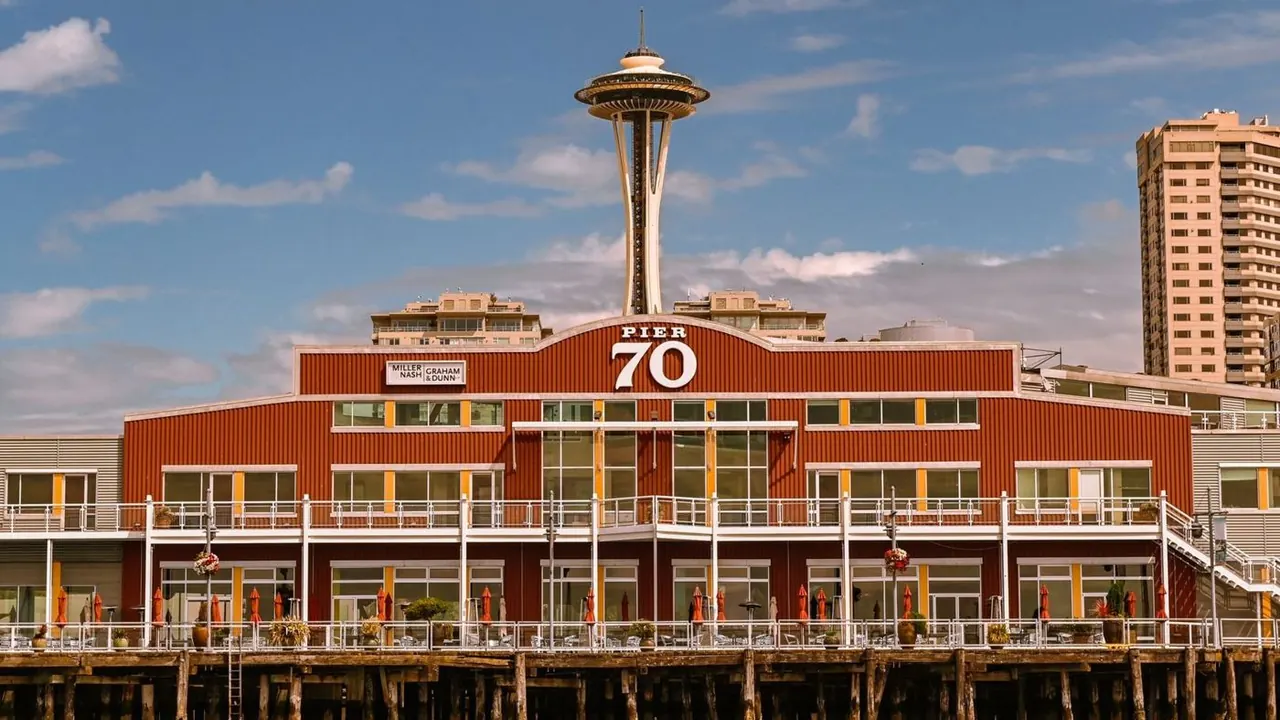
Photos: Kelowna by Joli Rumi, CC BY-SA 4.0, cropped; Seattle by Caio, Pexels License.
Kelowna or Seattle?
Our verdict in twelve categories, each scored against the same fixed benchmark cities, and the climate month by month, so you can choose for your trip.
Choose Kelowna for
- beaches
- prices
- wellness
Kelowna is the pick for a summer vacation spent outdoors. The days go on swimming from sandy beaches in a warm, clear lake, paddling or wakeboarding, cycling the Myra Canyon trestles and taking long lunches at wineries above the water. It suits couples and families who will hire a car and don't mind that the evenings end early, with little in the way of museums or a stage programme.
Choose Seattle for
- live music and the arts
- culture and sights
- getting around
Seattle is the better choice if you want a real city with wild country close by. It has more to see and to hear: opera, ballet, live bands, the Space Needle grounds and the Museum of Flight, along with seafood and Asian cooking that Kelowna can't match. Light rail and ferries mean you can manage without a car until you head for Mount Rainier or the Olympics. The trade-off is cold water and a long, wet winter.
Scoreboard
Twelve categories on one fixed scale from 0 to 100. The shaded stretch is the gap between the two.
Your match
Pick a travel style or drag the sliders, and both match scores follow your weighting.
Wins on beaches and prices with your weighting.
Wins on live music and the arts and culture and sights with your weighting.
What matters to you?
Category by category
What the scores mean for a trip.
Beaches & swimming
Kelowna is clearly the better place to swim. Okanagan Lake runs right along downtown, City Park and the beaches further south have sand, and in high summer the fresh water is warm enough for proper swims, paddleboarding and windsurfing.
Seattle has attractive sandy shores at Alki and Golden Gardens, but Puget Sound stays cold, so they are places for bonfires and sunsets rather than swimming. The lifeguarded beaches on Lake Washington and Green Lake fill that gap for a few weeks each summer.
Food & drink
Seattle has more depth to its food. Its table is built on cold-water seafood: oysters, Dungeness crab, wild salmon and geoduck, with Pike Place Market as the hub. Vietnamese, Chinese, Japanese and Korean kitchens in the International District and the suburbs add a range that Kelowna lacks, and serious coffee comes as standard.
Kelowna's strength is its setting. Winery terraces look over the lake, and summer farm stands sell cherries and peaches. Downtown has a short list of good restaurants, and beyond it the choice soon gives way to highway chains. Both make a lot of craft beer, and Seattle's bars stock wines from the same dry interior that Kelowna sits in.
Culture & sights
There is not much sightseeing in Kelowna. The heritage museum, a small art gallery and the log buildings of Father Pandosy Mission make up a single afternoon.
Seattle isn't a heritage city either, but it can fill two or three days. You have the Space Needle and Chihuly glass at Seattle Center, the Seattle Art Museum, the Burke's Northwest Coast collections, the vast Museum of Flight and the rebuilt brick blocks of Pioneer Square.
Nightlife
Kelowna's nightlife is mostly a summer patio scene along Bernard Avenue. Pubs and taprooms fill with students and lake-weekend groups, and out of season the town goes quiet early.
Seattle has a proper bar district on Capitol Hill, where Pike and Pine streets mix cocktail bars, dives and dance floors, and it is the centre of the city's LGBTQ+ life. Ballard and Fremont add relaxed local pubs. Even so, there are few clubs, and last call comes at 2am.
Nature & outdoors
Both places sit in big landscapes, but Seattle has a wider reach. The Cascades start under an hour away, and Mount Rainier's glaciers and meadows and the rainforest of the Olympic Peninsula are within a day. Ferry rides across the Sound sometimes bring orcas and seals into view.
Kelowna's outdoors is drier and closer to hand. It offers lake sports, the short climb up Knox Mountain, the Myra Canyon trestles and mountain biking in the pine hills, with Big White's powder for winter. Seattle loses its clear days to winter rain, and in some years Kelowna's late summer brings wildfire smoke.
Day trips
From Kelowna, every day trip heads deeper into the valley's vineyards, and every one starts with a car. The Naramata Bench above Penticton and the denser vineyards around Oliver and Osoyoos make a good wine loop, and the Nk'Mip desert centre adds an Indigenous side to the drive. After two or three outings, though, the small towns and the cellar doors start to feel much the same.
Seattle offers far more variety, and much of it needs no car. Bainbridge Island is half an hour away by ferry, and longer crossings reach Whidbey's farm villages and the Victorian streets of Port Townsend. Tacoma's glass museum and the museums around its old station are about an hour south. Wine lovers still get their tastings in Woodinville, about half an hour away, and can fit them into an afternoon without spending a whole day driving through a valley.
Good for families
Seattle has a slight edge for children because of its indoor options. Woodland Park Zoo, the aquarium, the Pacific Science Center and the Museum of Flight make the wet months manageable, and a ride on the monorail or a ferry counts as an outing in itself.
Kelowna is a summer playground. It has shallow, warm lake water, playgrounds along the shore, pick-your-own orchards and the flat Myra Canyon trail for young cyclists, plus a family ski resort in winter. On the other hand, it has no zoo or aquarium, and the attractions are spread out enough that you'll be driving between them.
Getting around
Seattle is far easier without a car. You can walk the centre from Pike Place to Pioneer Square, hills permitting, and Link light rail runs from the airport through downtown to Capitol Hill. One tap card covers buses, the monorail and the ferries. You only need to drive for the mountains.
In Kelowna, only downtown and the lakeside path to the beaches can be walked or cycled. Beyond them the town spreads along Highway 97, so wineries, Myra Canyon and Big White in practice mean hiring a car or booking a tour.
Shopping & style
Seattle has much more shopping. Downtown has department stores and big outdoor-gear shops, Pike Place has its makers' stalls, and the neighbourhoods are good for browsing: records and vintage clothes on Capitol Hill, the Sunday market in Fremont and design shops in Ballard.
Kelowna has a few boutiques on Bernard Avenue and one regional mall. What you're more likely to take home is wine from the cellar doors, cider and fruit preserves.
Affordability
Neither place is cheap, but Seattle costs more. Its hotel rooms stay expensive through summer and the cruise season, tax and tipping push up restaurant bills, and the main attractions charge high admission. Public transport is the obvious saving, as are meals at the Pike Place counters and teriyaki shops.
Kelowna's lakefront rooms charge peak rates in July and August, and car hire, tastings and boat rental add up quickly. Its beaches and trails are free, though, and outside summer and the ski weeks the town becomes noticeably cheaper.
Live music & performing arts
Seattle's stage calendar is far fuller. Opera and Pacific Northwest Ballet share McCaw Hall, the Symphony plays Benaroya Hall, and the 5th Avenue and the Paramount put on musicals. The city of Hendrix and grunge still has bands playing in Belltown, Capitol Hill and Ballard most nights.
In Kelowna, the evening entertainment is community theatre, the Okanagan Symphony, the odd touring act at the arena, and in summer free park concerts and music on winery patios.
Wellness & relaxation
The two are about even here, since neither has a bathing tradition, but they relax you in different ways. In Kelowna it comes from resort spas by the lake, quiet mornings on the water and long lunches on vineyard terraces, best outside the peak summer weeks.
Seattle has Korean-style bathhouses in the suburbs, with steam rooms and scrubs. Otherwise slowing down there means coffee houses, the Japanese Garden and a rainy afternoon with a book.
When should you go?
Pick your month. The climate figures are measured averages, not a forecast.
Kelowna in July
Seattle in July
Daytime high, °C
Rainfall in the month, mm
Temperature and rainfall are climate normals, averaged over the years shown. Kelowna: 1991-2020 normals, Kelowna Mws0 (8.4 km from centre). Seattle: 1991-2020 (sunshine 1981-2010) normals, Seattle-Tacoma Airport (17.3 km from centre).
Kelowna has a short, hot summer and a cold winter. July and August reach about 30°C. They are the only months when the lake is warm enough for proper swims, and walking around downtown at midday can be hard work. June and September are easier for hiking and touring the wineries. Rain is light all year. December and January barely rise above freezing, at about 1°C, and that is when Big White takes over from the lake.
Seattle is milder at both ends of the year and much wetter. From October to March the skies stay grey, and rainfall peaks at about 160mm in November. July and August make up for it: they are dry, with about 15mm of rain and long hours of sunshine, and warm without the Okanagan heat. Even then Puget Sound stays around 12°C, so a dip there is only a paddle. For either city, summer is the time to go.
Which traveller are you?
For a beach and sun trip, choose Kelowna. In July and August Okanagan Lake warms enough for long swims from sandy beaches such as Hot Sands and Rotary Beach, which are right by downtown. In Seattle the Sound is too cold to swim in, and the lake beaches have only a short season.
For a culture and arts trip, Seattle is much stronger. Seattle Opera, Pacific Northwest Ballet and the Symphony all play full seasons, and there are museums from the Burke to the Museum of Flight. Kelowna's small gallery and heritage museum fill a single afternoon.
On a food and nightlife trip, Seattle again comes out ahead. You can eat oysters and Dungeness crab, explore Pike Place and the International District, and spend the evening in the Capitol Hill bars. Kelowna's eating centres on winery terraces and its bars are seasonal, so the nights go quiet once dinner is over.
Before you go
| Measure | Kelowna | Seattle |
|---|---|---|
| Official language | French, English | - |
| Currency | Canadian Dollar (CAD) | US Dollar (USD) |
| Sockets | AB120 V, 60 Hz | AB120 V, 60 Hz |
| Driving side | Right | Right |
| Time zone | UTC-8, UTC-7 in summer | UTC-8, UTC-7 in summer |
| Emergency number | 911 | 911 |
| Elevation | 344 m | 40 m |
| Main airport | Kelowna International Airport (YLW)10 km from centre24 non-stop destinations | Seattle–Tacoma International Airport (SEA)18 km from centre136 non-stop destinations |
| Public holidays this year | 11 days | 11 days |
By the numbers
| Measure | Kelowna | Seattle |
|---|---|---|
| City population | 144,576 | 737,015 |
| People per km² | 683 | 1,996 |
| Museums within 10 km | 0 | 28 |
| UNESCO World Heritage sites within 50 km | 0 | 0 |
| Swim season, months above 21 °C | - | None |
Where else could you go?
Every comparison below shares a destination with this one, so you can follow Kelowna or Seattle somewhere new.
- Victoriavs Seattle
- Vancouvervs Seattle
- Portlandvs Seattle
- Whistlervs Kelowna
- Vancouvervs Kelowna
- Whistlervs Seattle