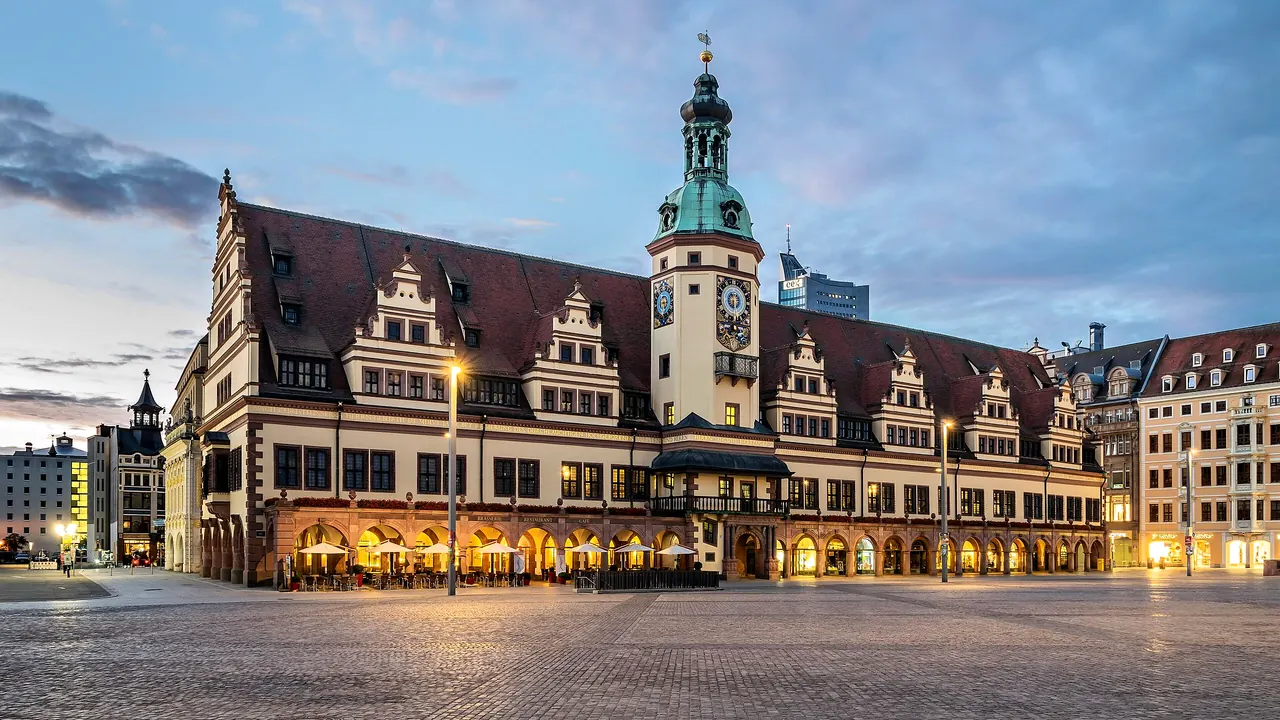
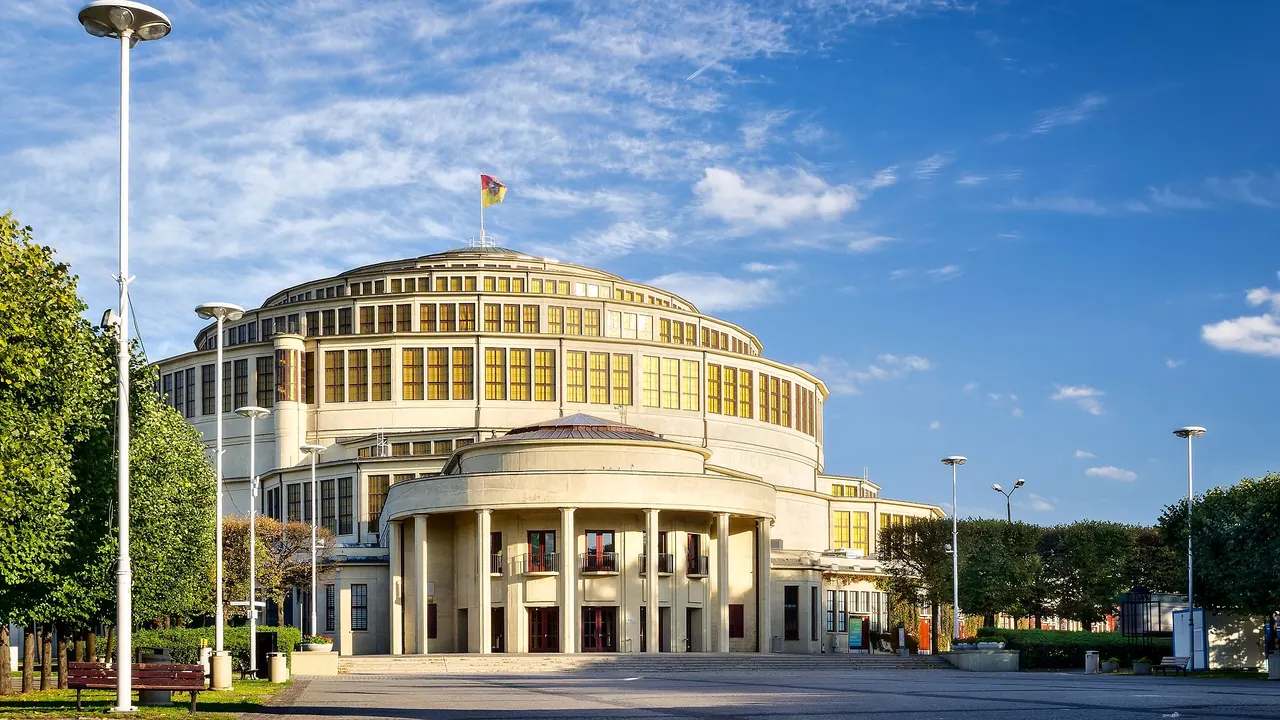
Photos: Leipzig by Krzysztof Golik, CC BY-SA 4.0, cropped; Wroclaw by Jar.ciurus, CC BY-SA 3.0 PL, cropped.
Leipzig or Wroclaw?
Our verdict in twelve categories, each scored against the same fixed benchmark cities, and the climate month by month, so you can choose for your trip.
Choose Leipzig for
- beaches
- day trips
- live music and the arts
Leipzig is the pick for music lovers and for travellers who want to see a whole region without a car. Bach's church, the Gewandhaus and a club scene that runs to dawn give it more to do after dark, and trains from its one central station reach Dresden, Weimar and Berlin in about an hour. On hot summer days the flooded mine lakes south of town add real swimming.
Choose Wroclaw for
- prices
- nature and the outdoors
- culture and sights
Wroclaw suits travellers who want a beautiful old centre at a lower cost. The Market Square and the cathedral island make a stronger first impression, beds and meals go further, and the castles and mountains of Lower Silesia are close by, best seen with a hire car.
Scoreboard
Twelve categories on one fixed scale from 0 to 100. The shaded stretch is the gap between the two.
Your match
Pick a travel style or drag the sliders, and both match scores follow your weighting.
Wins on beaches and day trips with your weighting.
Wins on prices and nature and the outdoors with your weighting.
What matters to you?
Category by category
What the scores mean for a trip.
Beaches & swimming
Neither city is a beach destination, but Leipzig actually lets you swim. The flooded lignite mines to the south have sandy shores and clear water, and you can reach them by tram or bike, so a hot July afternoon there is a real outing.
Wroclaw's sandy spots along the Oder are for deckchairs and a drink, not for getting in the water. Swimming means a pool or a drive out to a reservoir, and the Baltic is most of a day away.
Food & drink
Both cities serve filling regional cooking rather than food worth the journey on its own. Leipzig has Saxon roasts and dumplings, sour Gose beer and a coffee-house tradition going back three centuries, with its better casual kitchens on the Karli and in Plagwitz.
In Wroclaw the menu is pierogi, żurek in a bread bowl and pork knuckle. Its edge is the old milk bars and the brewpubs in historic cellars, and the lighter modern bistros sit in the streets just off the square rather than on it.
Culture & sights
Wroclaw has the stronger old town to wander. Its huge Market Square with the Gothic Town Hall, the gas-lit lanes of Ostrów Tumski, the gilded Aula Leopoldina and the UNESCO-listed Centennial Hall make the city itself the sight, and the bronze dwarfs add a playful layer.
Leipzig's appeal is more about stories than streetscape. Bach's Thomaskirche, the Nikolaikirche where the 1989 revolution began, the Stasi museum at the Runde Ecke and the trade-fair arcades reward visitors who come for history, and two or three days covers them.
Nightlife
Both are student cities that go out well beyond their size, but in different ways. Leipzig is about clubs: electronic nights in old factories and warehouses that run past dawn, with relaxed doors, and bar streets in the Karli and alternative Connewitz.
Wroclaw is about bars. People hop between doors in the courtyard passage off Ruska Street and in the cellars around the square, and in summer the drinking moves to the riverbanks. Both cities go quiet between terms.
Nature & outdoors
Wroclaw has more to offer outdoors, mainly because of what lies near it. Ślęża rises from the plain less than an hour away, and the Karkonosze and the Table Mountains make full hiking days, with skiing in winter. In town, the Oder islands, Szczytnicki Park and its Japanese Garden give plenty of green.
Leipzig is flat and watery instead. You can canoe through the Auwald floodplain forest from Plagwitz towards the centre, and the lake district offers sailing and a white-water course. For hills you need a two-hour train ride.
Day trips
Leipzig is one of the best bases in Germany for day trips. Dresden, Weimar, Erfurt, Halle, Wittenberg, Naumburg and even Berlin are all an easy train ride away, so you can see a different heritage town each day without a car.
Wroclaw's surroundings are rewarding but more rural. Książ Castle, the wooden Churches of Peace and the palaces of the Jelenia Góra valley are the highlights, and a car makes it much easier to combine several in one day.
Good for families
Both are easy with children, and both build a day around an outstanding zoo with a weatherproof showpiece: Gondwanaland's tropical hall in Leipzig, the Afrykarium's shark tunnel in Wroclaw. Beyond that they differ. Leipzig adds summer lake shores and the Belantis theme park, while Wroclaw has its dwarf hunt across a car-free centre, a water science centre and evening fountain shows.
Getting around
Leipzig is simpler to get around. Its old town takes about fifteen minutes to cross, trams reach every district a visitor needs, an S-Bahn line runs to the lakes, and regional trains leave from the same station, so you never need a car.
Wroclaw's centre is just as walkable, with many pedestrian streets, but the trams can be slow at rush hour and the network takes some learning. For the castles and mountain villages a car is often the better option.
Shopping & style
Neither city is a shopping destination, and Leipzig is only slightly ahead. Its covered trade-fair arcades are pleasant in any weather, and Plagwitz's vintage and record shops and the gallery weekends at the Spinnerei give it more individual character.
Wroclaw's best buys are things to take home: Bolesławiec stoneware, amber and produce from the riverside market hall, along with the 1930s Renoma building to look at.
Affordability
Wroclaw is clearly the cheaper trip. Rooms, lunches, beer and museum entry all cost far less than in Western Europe, and only the terraces on the square charge visitor prices.
Leipzig is cheap mainly for the bed. Eating out, drinks and taxis cost what they do elsewhere in Germany, and trade-fair weeks push room rates up sharply.
Live music & performing arts
Leipzig is in a different league for music. The Gewandhaus Orchestra and the opera face each other across Augustusplatz, the Thomanerchor sings Bach in the Thomaskirche, and the Bachfest and the Wave-Gotik-Treffen bring audiences from around the world.
Wroclaw's National Forum of Music and its opera house give it a solid season, and Wratislavia Cantans and Jazz on the Oder are worth timing a trip around. Its strong theatre tradition is mostly in Polish, though.
Wellness & relaxation
Neither city is one to choose for spas, and in town the two are much alike, with sauna venues, hotel spas and the real rest found in slow hours outdoors. Leipzig leans on the German sauna habit, including a few saunas by the southern lakes, and its calmest moments are long walks under the oaks of the Auwald. For a proper spa you drive to Bad Düben or Bad Lausick, two modest spa towns not far from the city.
Wroclaw unwinds on its river islands and in waterside cafés, and its big aquapark has saunas for a grey day, though the centre fills up on summer weekends. The real difference lies to the south. Szczawno-Zdrój is about an hour away, with Polanica and Kudowa further on, and these are old resorts built around drinking the mineral water and strolling through landscaped grounds. So a day of taking the cure has a longer history and more places to choose from here than around Leipzig.
When should you go?
Pick your month. The climate figures are measured averages, not a forecast.
Leipzig in July
Wroclaw in July
Daytime high, °C
Rainfall in the month, mm
Temperature and rainfall are climate normals, averaged over the years shown. Leipzig: 1991-2020 (sunshine 1961-1990, rainfall 1961-1990) normals, Leipzig-Holzhausen (5.7 km from centre). Wroclaw: 1991-2020 (rainfall 1961-1990) normals, Wroclaw Copernicus Airport (10.5 km from centre).
The two cities have almost the same temperatures through the year, so the difference comes down to rain and sunshine. May and September, with highs around 20°C, are the best months for long days on foot in either city. July and August reach about 25°C. That is comfortable for the streets and, in Leipzig, warm enough for an afternoon at the lakes, which is the only real swimming season. March, April, October and November are cool but fine for walking. December to February are properly cold, with highs around 4°C.
Leipzig's rain is spread fairly evenly through the year, and it gets less sun, especially in winter. Wroclaw is clearly sunnier from spring to autumn but wetter in summer, with about 80mm of rain in July. Its winters are drier and a little brighter than Leipzig's, but no warmer.
Which traveller are you?
On a trip on a tight budget, Wroclaw is the easy choice. Central rooms, milk-bar lunches, beer, trams and the zoo all cost noticeably less. In Leipzig only the bed is cheap, and meals and drinks are priced at German levels.
For an outdoors trip, Wroclaw gives you more within reach. Ślęża is a half-day hike less than an hour away, and the Sudetes offer ridge walks, sandstone mazes and winter skiing. Leipzig's floodplain forest and lakes are good for paddling and cycling, but there are no hills.
For classical music lovers, Leipzig is the place. You can hear the Gewandhaus Orchestra, the Thomanerchor singing Bach in his own church, and the Bachfest each June. Wroclaw's concert hall and early-music festival are fine, but they are not a reason to travel in the same way.
Before you go
| Measure | Leipzig | Wroclaw |
|---|---|---|
| Official language | German | Polish |
| Currency | Euro (EUR) | Zloty (PLN) |
| Sockets | CF230 V, 50 Hz | CE50 Hz |
| Driving side | Right | Right |
| Time zone | UTC+1, UTC+2 in summer | UTC+1, UTC+2 in summer |
| Emergency number | 112 | 112 |
| Elevation | 110 m | 111 m |
| Main airport | Leipzig/Halle Airport (LEJ)13 km from centre20 non-stop destinations | Copernicus Wrocław Airport (WRO)11 km from centre84 non-stop destinations |
| Public holidays this year | 11 days | 14 days |
By the numbers
| Measure | Leipzig | Wroclaw |
|---|---|---|
| City population | 615,932 | 673,531 |
| People per km² | 2,068 | 2,299 |
| Museums within 10 km | 40 | 42 |
| UNESCO World Heritage sites within 50 km | 1 | 2 |
Where else could you go?
Every comparison below shares a destination with this one, so you can follow Leipzig or Wroclaw somewhere new.