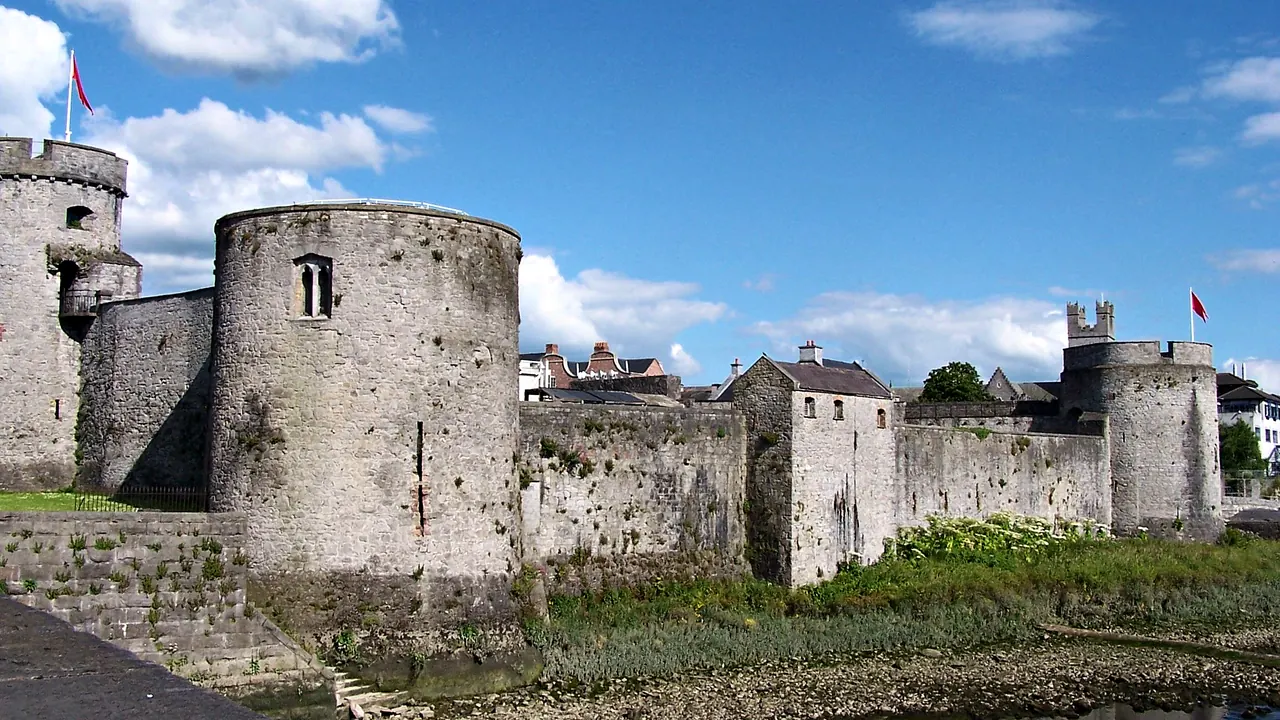
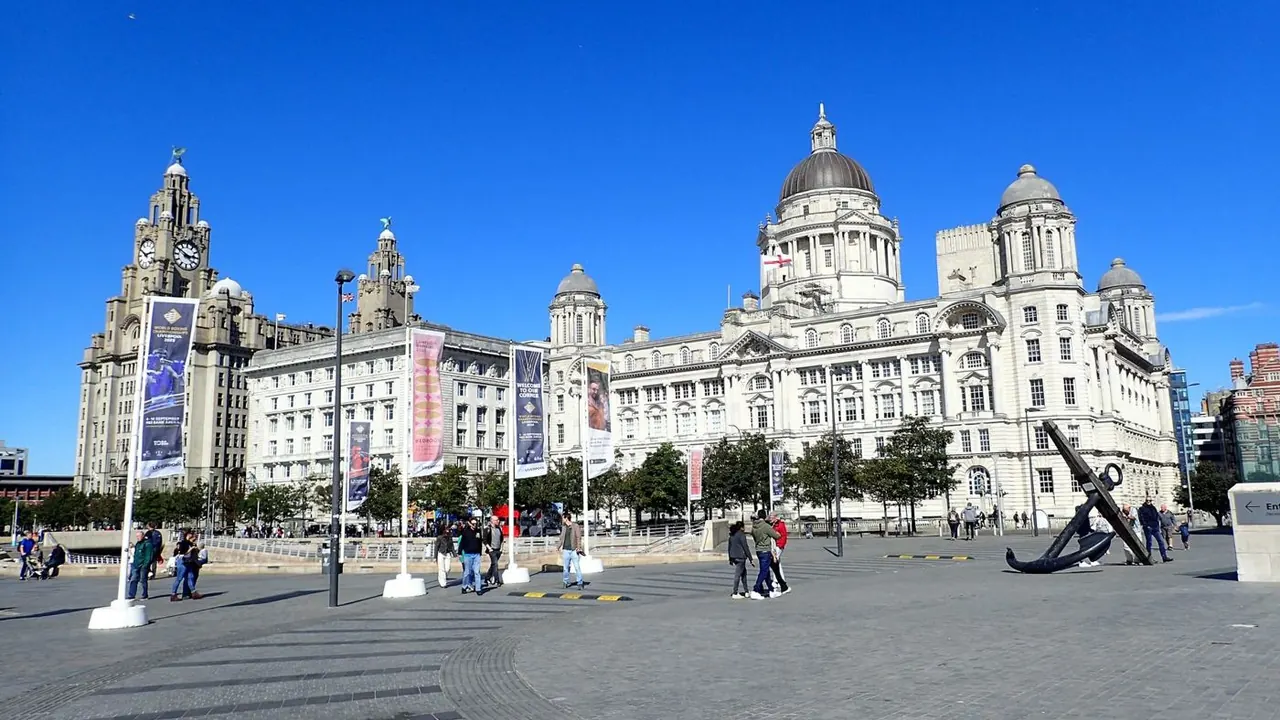
Photos: Limerick by ingawh, CC BY-SA 3.0, cropped; Liverpool by Marathon, CC BY-SA 2.0, cropped.
Limerick or Liverpool?
Our verdict in twelve categories, each scored against the same fixed benchmark cities, and the climate month by month, so you can choose for your trip.
Choose Limerick for
- nature and the outdoors
Limerick works best as a base, and less as a place to spend whole days in town. Its strengths lie outside the city: Lough Derg, the Galtees, the Burren and the Cliffs of Moher, with Bunratty, Adare and the Rock of Cashel close by. Bring a hire car and waterproofs, spend your days touring, and end the evenings at a traditional session in an old pub near the Shannon.
Choose Liverpool for
- culture and sights
- nightlife
- live music and the arts
If you want the city itself to fill your trip, Liverpool is the stronger choice. The waterfront museums, the Walker and the two cathedrals give two or three full days of sightseeing, much of it free, and the evenings are livelier and more varied, from Concert Square to the Baltic Triangle and the Philharmonic. Trains and your own feet cover almost all of it without a car.
Scoreboard
Twelve categories on one fixed scale from 0 to 100. The shaded stretch is the gap between the two.
Your match
Pick a travel style or drag the sliders, and both match scores follow your weighting.
Wins on nature and the outdoors with your weighting.
Wins on culture and sights and nightlife with your weighting.
What matters to you?
Category by category
What the scores mean for a trip.
Beaches & swimming
You can't really swim in either city, but Liverpool at least has sand close by. Merseyrail reaches the dunes at Formby and Crosby, where Gormley's iron figures stand, without a car, and New Brighton and West Kirby are just across the river. The sea stays cold and the tide goes out a long way, so these are beaches for walking.
Limerick has no shore of its own. The Atlantic beaches at Kilkee, Lahinch and Ballybunion are grander, with real surf, but each is an hour or more away by car and suits surfers in wetsuits more than anyone hoping to lie on the sand.
Food & drink
Limerick's food comes from its farmland: Munster beef and lamb, cheese, smoked fish and the city's own cured ham, all best seen at the Milk Market at the weekend. Apart from a few modern Irish restaurants and gastropubs, though, there is not much variety if you are staying several nights.
Liverpool has more choice and its own dish, scouse. Bold Street's independent cafés and small international kitchens, the Baltic Triangle's street-food halls and a long-standing Chinatown give you several evenings of options, and the Victorian gin palaces are worth a visit in their own right.
Culture & sights
Limerick's history is compact and medieval. King John's Castle and St Mary's Cathedral stand on King's Island, the Treaty Stone waits across Thomond Bridge, and the Hunt Museum's collection fills the old Custom House. It makes a satisfying day or two, but it is not a reason to travel on its own.
Liverpool has much more to see, and a bigger story, that of a great Atlantic port. The Three Graces, the Royal Albert Dock with its Maritime and International Slavery museums, the Walker Art Gallery and two very different 20th-century cathedrals fill two or three days, and most of the big collections are free.
Nightlife
In Limerick, a night out mostly means a pub with a snug and an open fire. Students fill them in term time, and so do Munster rugby match days, and a handful of clubs stay open late at weekends. It is a night for talk more than dancing.
Liverpool is a real party city. Bars and clubs fill Concert Square, Seel Street and Wood Street, along with stag and hen groups. The Baltic Triangle's warehouses lean towards electronic club nights, and Lark Lane has quieter local bars. Many nights go on well past 2am.
Nature & outdoors
Limerick is the better base for landscape, as long as you have a car. Lough Derg is under an hour north for sailing and kayaking, the Galtees and Ballyhoura have proper hills and mountain-bike trails, and the Burren and the Cliffs of Moher are some of Ireland's finest scenery.
Liverpool's outdoors is gentler and closer to hand: Sefton Park and its palm house, the long Mersey promenade, the pinewoods at Formby where red squirrels survive, and the Wirral Way out to the Dee estuary. For mountains, North Wales and the Lake District are each about two hours away.
Day trips
Both are good bases for day trips, and the difference is in the kind of outing. From Limerick it is castles, ancient sites and small towns: Bunratty and Adare are about twenty minutes away, then there are Lough Gur's stone circle and the Rock of Cashel, with Galway and Cork further out. Most of these mean driving yourself or joining a coach tour.
From Liverpool you mostly take the train, to cities and the seaside: Roman Chester in about 45 minutes, Manchester, the model village of Port Sunlight and Southport's pier. Conwy and Llandudno make a longer day by car.
Good for families
Next to Liverpool, Limerick has little built with children in mind, with no zoo, aquarium or theme park within reach. King John's Castle, with its siege displays and battlements, is the best outing in town, and the farm animals and old cottages of Bunratty Folk Park are a short drive away. Wet weather often decides how the day goes.
Liverpool keeps children busier, and often for free. The World Museum has dinosaurs, an aquarium room and a planetarium, the Museum of Liverpool has a play gallery, and the Mersey ferry is an easy treat. Chester Zoo and Knowsley Safari Park are both close enough for a day out, though the loud weekend nights in the centre are worth planning around.
Getting around
Both centres are small enough to walk. Limerick's flat core runs from the castle to the Georgian Quarter in under half an hour. Beyond the city buses and the trains to Dublin, Ennis and Galway, though, exploring the region really means hiring a car at Shannon Airport.
Liverpool is easier without a car. Merseyrail's underground loop and coastal lines run often to Crosby, Formby, Southport and the Wirral, and the ferry crosses the river. Only places like Sefton Park and Anfield need a bus or a taxi.
Shopping & style
Shopping in Limerick is practical: high-street chains on O'Connell Street, a few independent shops, and the Milk Market as the most characterful stop. For woollens and crafts, the shops of Clare and Kerry have more choice.
Liverpool has more to browse. Liverpool ONE brings the big chains and department stores together in open-air streets, Bold Street adds vintage clothes, records and independent boutiques, and the Baltic Triangle has small makers' studios. Most visitors take home Beatles or football souvenirs.
Affordability
Limerick is fairly priced by Irish standards, but Ireland is an expensive country. Meals, drinks and above all the hire car you need for the region add up quickly.
Your money goes further in Liverpool. Hotels cost less than in Britain's most visited cities, except on big match, race and concert weekends. The major museums and galleries are free, pubs serve good-value meals, and the compact centre means you spend little on transport.
Live music & performing arts
Limerick's best offering is traditional Irish music, with regular sessions in the pubs that draw on the university's strong music and dance programme. The Irish Chamber Orchestra plays at the University Concert Hall, and the Lime Tree and the Belltable stage drama and comedy. For opera or a big production, though, you would have to go to Dublin.
Liverpool's music scene is bigger and louder. Bands play most nights around Mathew Street, Seel Street and the Baltic Triangle, the Cavern's cellar draws Beatles pilgrims, and the Royal Liverpool Philharmonic plays a full season in its art deco hall on Hope Street. The Everyman, the Playhouse and the Empire cover home-grown theatre and touring musicals, and opera comes to the city on tour.
Wellness & relaxation
Neither city is built for rest, and in both, spa time mostly means a hotel spa. The difference is where you find calm. Around Limerick it means the country-house spas of Adare and Lough Derg, or the Atlantic coast's hot seaweed baths about an hour away. In Liverpool it comes from Sefton Park, a slow ferry crossing or an afternoon in the free galleries, away from the loud weekend nights in the centre.
When should you go?
Pick your month. The climate figures are measured averages, not a forecast.
Limerick in July
Liverpool in July
Daytime high, °C
Rainfall in the month, mm
Where the figures come from
Liverpool's temperatures are measured 47 km from the centre, at Manchester Airport.
Liverpool has no rain gauge within 25 km of the centre, so its rainfall comes from a gridded climate dataset read at the city rather than from a gauge further away.
Temperature and rainfall are climate normals, averaged over the years shown. Limerick: 1991-2020 normals, Shannon Airport (20.1 km from centre). Liverpool: 1991-2020 normals, Manchester Airport (47.4 km from centre).
Neither city has a beach summer. Both peak at about 20°C in July and August, which is pleasant for walking but never hot, and the Irish Sea off Liverpool only reaches about 17°C at its warmest. The bigger difference is rain. Limerick is wetter all year, and from October to January it often gets more than 100mm a month, while Liverpool stays noticeably drier through every season.
Limerick is at its best in late spring. May is its sunniest month and among its driest, before rain builds again through the summer, so May and June suit touring and hill walking. Liverpool's sunshine lasts longer, staying bright from May right through August, which makes high summer and early September its best season. Winter is cool and grey in both, a little milder in Limerick but much damper.
Which traveller are you?
On an outdoors trip, Limerick has the edge. Lough Derg is close for kayaking and sailing, the Galtees and Ballyhoura have real hill walking and bike trails, and the Burren and the Cliffs of Moher are within easy driving range. Liverpool's mountains are two hours away.
For a culture and arts trip, Liverpool has far more to fill the days: the Albert Dock museums, the Pre-Raphaelites at the Walker, two striking cathedrals and a full Philharmonic season. Limerick's castle, cathedral and Hunt Museum are rewarding, but they take a day or two at most.
On a food and nightlife trip, Liverpool is the livelier choice. Bold Street has small kitchens, the Baltic Triangle has street-food halls, and nights around Seel Street run late. Limerick pours a fine pint and makes good company, but has little range for either eating or going out.
Before you go
| Measure | Limerick | Liverpool |
|---|---|---|
| Official language | English, Irish | English |
| Currency | Euro (EUR) | Pound Sterling (GBP) |
| Sockets | G230 V, 50 Hz | G230 V, 50 Hz |
| Driving side | Left | Left |
| Time zone | UTC, UTC+1 in summer | UTC, UTC+1 in summer |
| Emergency number | 112 | 112 or 999 |
| Elevation | 10 m | 70 m |
| Main airport | Shannon Airport (SNN)21 km from centre39 non-stop destinations | Liverpool John Lennon Airport (LPL)12 km from centre75 non-stop destinations |
| Public holidays this year | 11 days | 8 days |
By the numbers
| Measure | Limerick | Liverpool |
|---|---|---|
| City population | 62,702 | 513,441 |
| People per km² | 3,015 | 4,592 |
| Museums within 10 km | 6 | 31 |
| UNESCO World Heritage sites within 50 km | 0 | 2 |
| Swim season, months above 21 °C | - | None |
Where else could you go?
Every comparison below shares a destination with this one, so you can follow Limerick or Liverpool somewhere new.