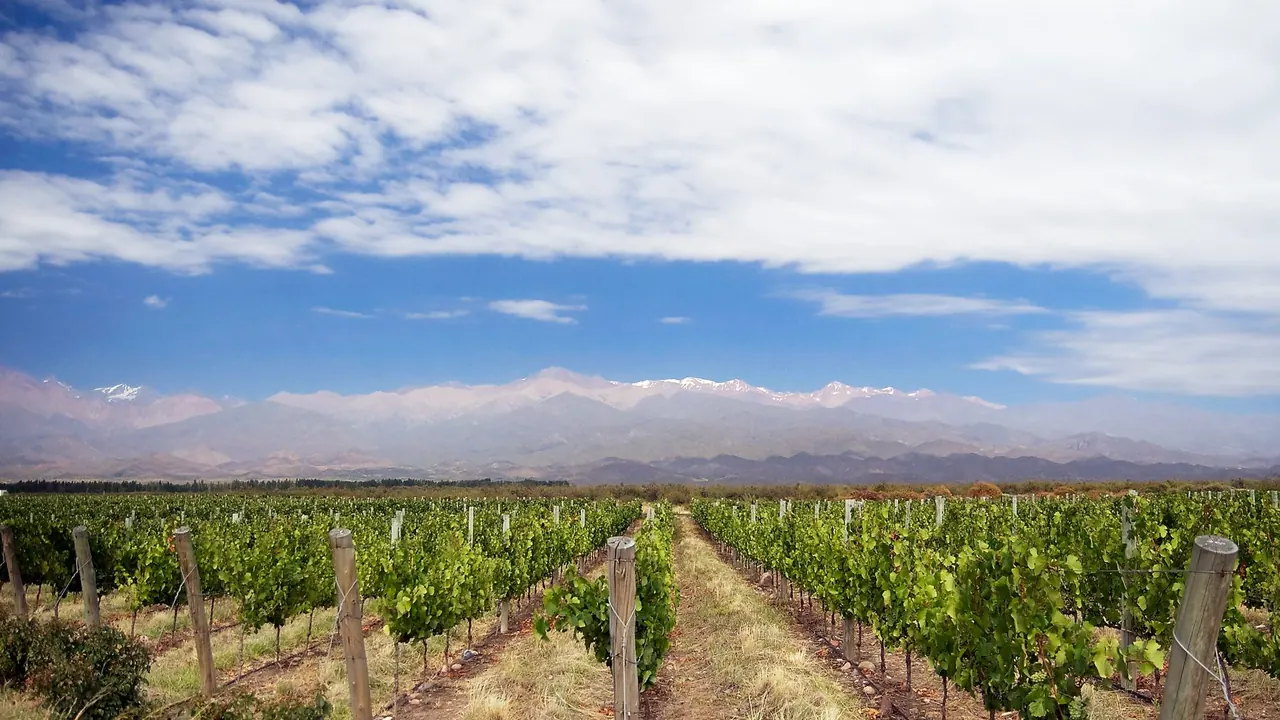
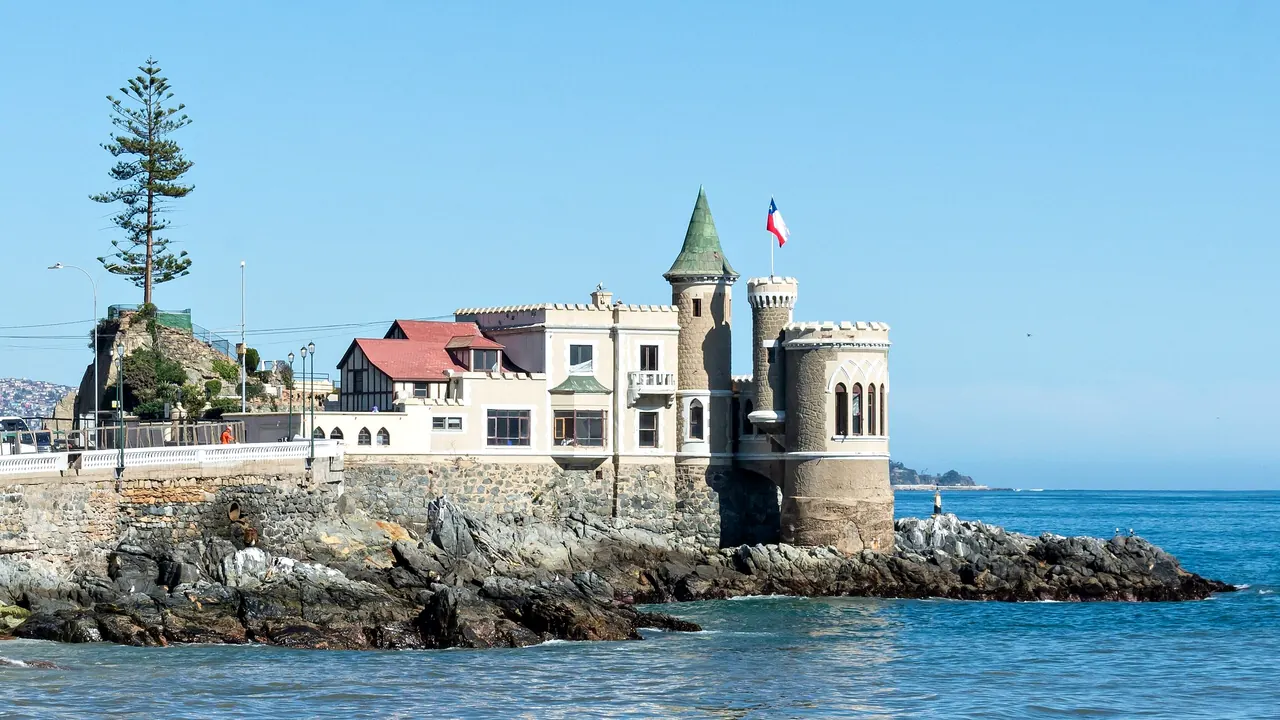
Photos: Mendoza by David, CC BY 2.0, cropped; Vina del Mar by Carlos yo, CC BY-SA 4.0, cropped.
Mendoza or Vina del Mar?
Our verdict in twelve categories, each scored against the same fixed benchmark cities, and the climate month by month, so you can choose for your trip.
Choose Mendoza for
- nature and the outdoors
- wellness
- food and drink
Mendoza is the pick for travellers who want wine and mountains. Long winery lunches in Luján de Cuyo and the Uco Valley, rafting and hiking in the Potrerillos valley, a day up to Aconcagua and an afternoon in the Cacheuta hot springs make it the better base for an active or indulgent trip. You need to be happy spending most of your days outside the city, and happy without a beach.
Choose Vina del Mar for
- beaches
- day trips
- nightlife
Viña del Mar suits people who want the Pacific and an easy summer resort. Its run of beaches from Caleta Abarca to Reñaca, summer nights that go on until dawn and Valparaíso fifteen minutes away on the metro give it more variety on the doorstep. It works best from December to February for sun, sand and a lively seafront, as long as you accept that the sea is for short dips rather than long swims.
Scoreboard
Twelve categories on one fixed scale from 0 to 100. The shaded stretch is the gap between the two.
Your match
Pick a travel style or drag the sliders, and both match scores follow your weighting.
Too close to call, 1 point apart
Wins on nature and the outdoors and wellness with your weighting.
Wins on beaches and day trips with your weighting.
What matters to you?
Category by category
What the scores mean for a trip.
Beaches & swimming
Mendoza has no beach to speak of. The coast is on the Chilean side of the Andes, so in summer you swim in a hotel or club pool, and the Potrerillos reservoir is a scenic drive rather than a swim.
Viña del Mar is a real seaside resort, with central beaches, the sheltered Las Salinas for children and the wide, sociable sand at Reñaca. The Humboldt Current keeps the water cold and the surf can be rough, so expect sunbathing and quick dips more than long swims. Even so, it is the only beach option of the two.
Food & drink
Mendoza eats better, and the reason is wine. Multi-course lunches paired with Malbec at bodegas with the Andes in view are a highlight of the trip, and the city adds parrillas and late terrace dinners along Arístides Villanueva.
Viña del Mar's strength is the Pacific: machas, locos and caldillo de congrio, plus the seafood and shellfish empanadas along the road to Concón, with Casablanca Sauvignon Blanc to drink. Away from the seafood, the restaurants in the centre are run-of-the-mill resort fare. In both cities the range narrows quickly once you step outside the local speciality.
Culture & sights
Neither city is a major sightseeing destination, and both are worth only a day or two. Mendoza's main sight is its plan: the tree-lined grid rebuilt after the 1861 earthquake, the tiled Plaza España, the foundational ruins and the Cerro de la Gloria monument.
Viña del Mar offers Belle Époque mansions and the Palacio Vergara in its park. Its best single collection is the Fonck Museum, with a real Easter Island moai on the lawn. Valparaíso next door supplies the deeper history Mendoza cannot reach.
Nightlife
Viña del Mar has more going on after dark, at least in January and February, when the clubs in Reñaca and along the coast keep going until dawn and the Art Deco casino adds a touch of old resort style. Out of season it goes quiet, and Valparaíso's bars take over.
Mendoza's nights are steadier but gentler. Students fill the bars on Arístides Villanueva past midnight, and Chacras de Coria has quiet wine bars. Big clubs are mostly a weekend affair on the outskirts, and many visitors turn in early before a winery or mountain day.
Nature & outdoors
Mendoza sits at the foot of the highest mountains in the Americas. Within an hour you can be rafting the Mendoza River or hiking in the Cordón del Plata, and a longer day reaches Puente del Inca and the foot of Aconcagua. Vineyard cycling and a small winter ski area add to that.
Viña's outdoors is gentler and coastal: sea lions and pelicans on the rocks towards Concón, the high sand dunes of the Concón sanctuary, wetsuit surfing and the palm-forest trails of La Campana. It is attractive country, but the high Andes are out of reach from the coast.
Day trips
Viña del Mar has more variety within easy reach. Valparaíso's hills and funiculars are a short metro ride away, and the Casablanca wine valley, Neruda's house at Isla Negra, the beach villages of Zapallar and even Santiago all make good days out.
From Mendoza, almost every outing goes to wine country: cycling between bodegas in Maipú, the big estates of Luján de Cuyo and the high vineyards of the Uco Valley. That is excellent if wine is the point of the trip, and thin if it is not.
Good for families
Viña del Mar is slightly easier with children, mainly because of the beaches. Las Salinas and Caleta Abarca are calm enough for paddling, and carriage rides and the moai at the Fonck Museum keep children interested, though there is no zoo or theme park.
Mendoza offers paddle boats in Parque San Martín, the hot pools at Cacheuta and gentle rafting at Potrerillos. Its main attraction, the winery circuit, means little to children, and the summer heat in the city can wear them out.
Getting around
Both cities have flat, walkable central grids. Viña del Mar is a little easier overall, because the Merval coastal metro reaches Valparaíso directly and frequent buses run to Santiago. Hire a car or book a tour for the wine valley and La Campana, and expect traffic on the summer coast road.
Mendoza's centre is a shaded pleasure to walk, and the Metrotranvía runs down to Maipú, where you can hire bikes for the wineries. Luján de Cuyo, the Uco Valley and the mountain road need a car, a driver or a tour, and much of the trip happens there. Watch for the open irrigation channels along the kerbs at night.
Shopping & style
Neither city is worth the trip for shopping. The difference is what you carry home: in Mendoza it is bottles from small wineries that rarely leave Argentina, plus olive oil and leather, with a weekend craft fair on Plaza Independencia.
Viña del Mar's souvenirs are lapis lazuli jewellery, copper and woollens from stalls near the beaches. Otherwise there are large malls and Avenida Valparaíso, and Valparaíso and Santiago are better for antiques and design.
Affordability
The two cost about the same, but the expense falls in different places. In Mendoza, everyday city life is moderate, while winery lunches, tasting fees and drivers add up fast, and prices for visitors move with Argentina's unstable currency.
In Viña del Mar, the cost depends on the calendar. Sea-view rooms are expensive in January, February and on long weekends and much cheaper the rest of the year. Seafood dinners cost about what you would pay in a Southern European resort.
Live music & performing arts
Each city has one big annual event and a modest programme the rest of the year. Mendoza's is the Vendimia grape-harvest festival in late summer, with a vast night-time show in the amphitheatre in Parque San Martín, and folk nights of cueca and Cuyo guitar song.
Viña's is the February International Song Festival in the Quinta Vergara, famous across the Spanish-speaking world for its Latin pop stars and tough audience. The rest of the year, the Teatro Municipal covers ballet and theatre, with Valparaíso and Santiago close by for more.
Wellness & relaxation
Mendoza is the better choice for real relaxation. The thermal pools at Cacheuta, about 40km up the river canyon, have drawn bathers for over a century, and lodges in Luján de Cuyo and the Uco Valley offer spa retreats among the vines. The city also slows right down in the afternoon heat.
Viña del Mar has no thermal springs, and the sea is too cold to stay in for long, so treatments mean a hotel spa. Its restfulness comes from long promenade walks and Pacific sunsets outside the summer crowds.
When should you go?
Pick your month. The climate figures are measured averages, not a forecast.
Mendoza in July
Vina del Mar in July
Daytime high, °C
Rainfall in the month, mm
Where the figures come from
Vina del Mar has no rain gauge within 25 km of the centre, so its rainfall comes from a gridded climate dataset read at the city rather than from a gauge further away.
Temperature and rainfall are climate normals, averaged over the years shown. Mendoza: 1991-2020 normals, Mendoza Aerodrome (8.5 km from centre). Vina del Mar: 2010-2025 (rainfall 1991-2020) normals, Viña Del Mar / Montemar (10.8 km from centre).
Mendoza has a dry desert climate with sun for most of the year. December to February is hot, around 33°C in January, so afternoons are tiring for walking and are better spent by a pool or up in the cooler mountains. Summer also brings most of the year's modest rain, mostly in short storms. The best months for walking the shaded city grid and cycling between vineyards are March to April and October to November, which are warm with long sunny days. Winter is cool, about 15°C in July, but stays bright and almost completely dry.
Viña del Mar is mild all year and never really hot. Summer highs are about 22°C, and the sea is coldest when the air is coolest, reaching only about 17°C at its warmest. December to March is almost rainless and is the only real beach season. The wet season runs from May to August and peaks at about 114mm in June, so winter on the coast is damp, while Mendoza stays dry. Spring and autumn are calm and mostly dry, which makes them good for long walks along the promenade and the shore towards Concón, though it is too cool for sunbathing.
Which traveller are you?
On a beach and sun trip, Viña del Mar is the clear choice. It has a whole coast of sand from Las Salinas to Reñaca and a summer built around it. Mendoza is hundreds of kilometres inland and offers hotel pools and a reservoir better for looking at than swimming in.
For an outdoors trip, Mendoza wins easily. It has rafting and kayaking on the Mendoza River, high-altitude hiking in the Cordón del Plata, paragliding off Cerro Arco and the Aconcagua park within a day. Viña's dunes, coastal walks and La Campana are pleasant but smaller in scale.
On a relaxing and wellness trip, Mendoza has more to offer. It has the thermal pools at Cacheuta, vineyard lodges with spas and a slow city that rests through the hot afternoon. Viña is restful out of season, but it has no bathing tradition beyond hotel spas.
Before you go
| Measure | Mendoza | Vina del Mar |
|---|---|---|
| Official language | Spanish | Spanish |
| Currency | Argentine Peso (ARS) | Chilean Peso (CLP) |
| Sockets | CI220 V, 50 Hz | CL220 V, 50 Hz |
| Driving side | Left | Right |
| Time zone | UTC-3 | UTC-4, UTC-3 in summer |
| Emergency number | 117 or 911 | Police 133/134, ambulance 131, fire 132 |
| Elevation | 769 m | 2 m |
| Main airport | Governor Francisco Gabrielli International Airport (MDZ)8 km from centre9 non-stop destinations | Comodoro Arturo Merino Benítez International Airport (SCL)82 km from centre67 non-stop destinations |
| Public holidays this year | 16 days | 16 days |
By the numbers
| Measure | Mendoza | Vina del Mar |
|---|---|---|
| City population | 127,160 | 332,875 |
| People per km² | 2,355 | 2,760 |
| Museums within 10 km | 1 | 17 |
| UNESCO World Heritage sites within 50 km | 0 | 1 |
| Swim season, months above 21 °C | - | None |
Where else could you go?
Every comparison below shares a destination with this one, so you can follow Mendoza or Vina del Mar somewhere new.
- Valparaisovs Vina del Mar
- Santiagovs Vina del Mar
- Santiagovs Mendoza
- Valparaisovs Mendoza
- Barilochevs Mendoza
- Saltavs Mendoza