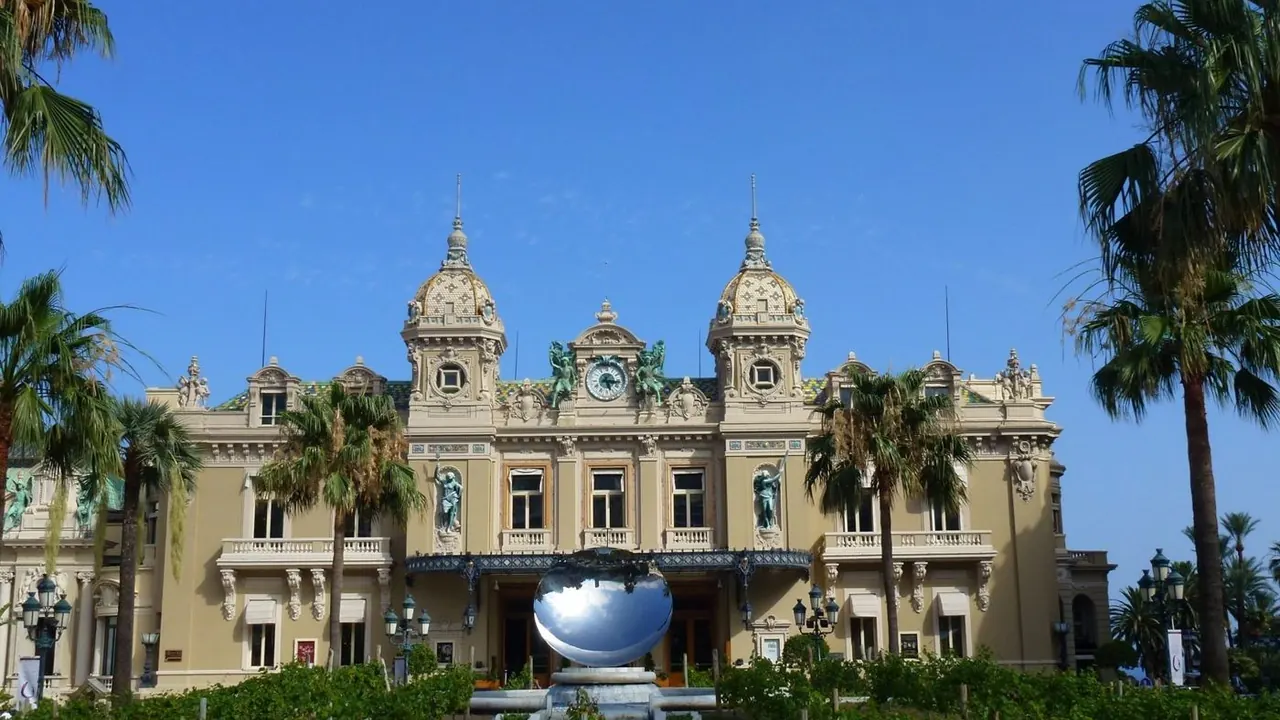
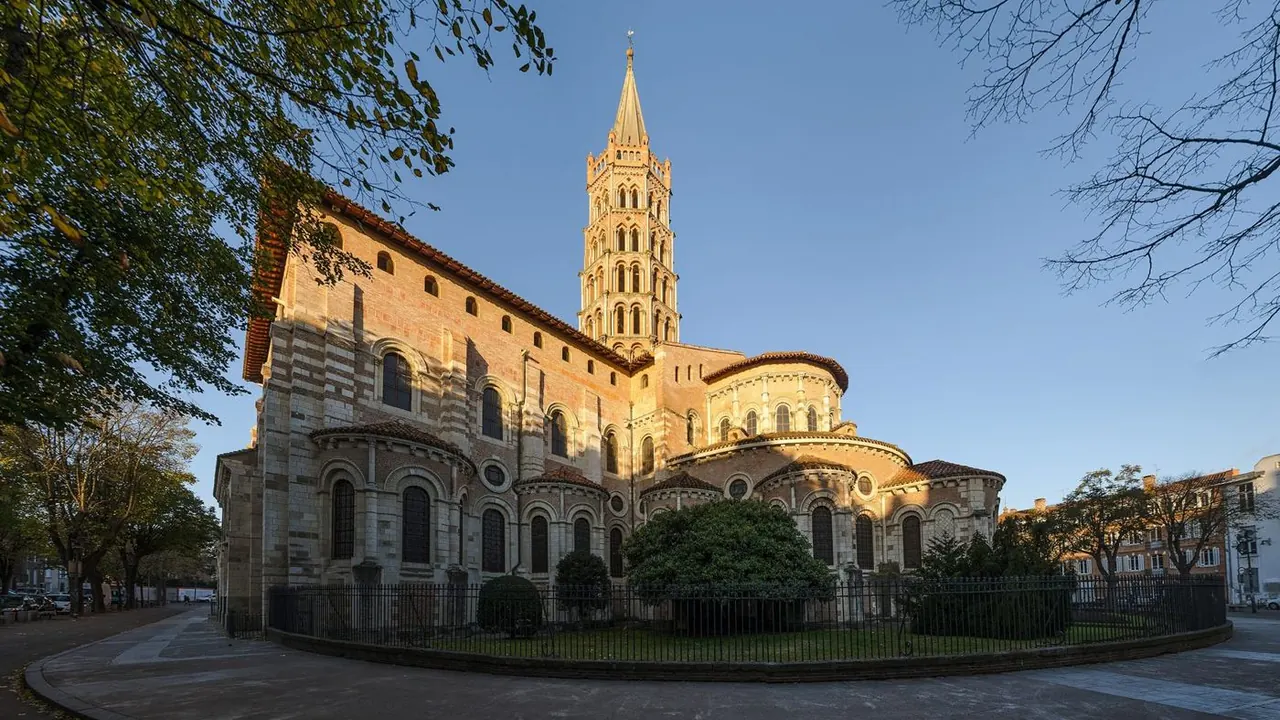
Photos: Monaco by otterboris, CC BY 3.0, cropped; Toulouse by ZbebVial, CC BY-SA 3.0, cropped.
Monaco or Toulouse?
Our verdict in twelve categories, each scored against the same fixed benchmark cities, and the climate month by month, so you can choose for your trip.
Choose Monaco for
- beaches
- wellness
- nature and the outdoors
Monaco is for a short, polished stay on the coast, with sea, scenery and a front-row seat on the Riviera. It is the better base for swimming in clear water, walking cliff paths and taking the train to Nice, Menton or Èze each day, and its spa and opera stage suit a traveller who likes things done formally. It only works if the budget can take it, because almost nothing in the principality comes cheap.
Choose Toulouse for
- prices
- food and drink
- culture and sights
Toulouse is the choice for a fuller, easier-going French city trip. The rose-brick centre has deeper sights, heartier and much more affordable food, and a student crowd that keeps the terraces busy at night. It has no sea, but Carcassonne, Albi and the Pyrenees are all within reach, and a stay of several days costs a fraction of what the Riviera asks.
Scoreboard
Twelve categories on one fixed scale from 0 to 100. The shaded stretch is the gap between the two.
Your match
Pick a travel style or drag the sliders, and both match scores follow your weighting.
Wins on beaches and wellness with your weighting.
Wins on prices and food and drink with your weighting.
What matters to you?
Category by category
What the scores mean for a trip.
Beaches & swimming
Here only Monaco is in the running. Larvotto is a short, groomed city beach with calm, clear water inside its breakwaters, and the coves at Cap d'Ail and the long beaches of Menton and Nice are a few minutes away by train or on foot. Much of the swimming happens off rocks and at beach clubs, but the sea is part of every summer day.
Toulouse is two hours from the nearest Mediterranean beach at Narbonne or Gruissan, too far to be part of a normal stay. The lakes at Sesquières and La Ramée, with supervised swimming in summer, are the local substitute.
Food & drink
Toulouse is the better place to eat on an ordinary day. Cassoulet, confit, magret and foie gras define the cooking, the Victor Hugo market serves it at its upstairs counters, and the set lunch and student quarters keep good meals affordable, with Fronton and Gaillac wines alongside.
Monaco's strength sits at the very top: starred hotel dining rooms cooking Riviera and Ligurian food, and harbour terraces where the view is half the point. Below that level the choice thins out, though barbagiuan and socca from the Condamine market give a taste of the local kitchen.
Culture & sights
Toulouse has more to see and more depth to it. Saint-Sernin is among Europe's largest Romanesque churches, the Jacobins has its palm-tree vault, and the Capitole, the Augustins and the woad merchants' mansions fill two full days, with aircraft museums and the space centre adding an unusual modern layer.
Monaco's sights are fewer but very well presented: the palace and its guard ceremony, the cathedral with Grace Kelly's tomb and the Oceanographic Museum on the Rock, then the Casino and the Belle Époque streets of Monte-Carlo. A day or two covers it, and the setting on the cliffs does much of the work.
Nightlife
Toulouse goes out more easily and more cheaply. Its large student population fills the bars around Place Saint-Pierre and the quays, while Carmes and the Daurade have wine bars for an older crowd. The one quiet spell is July and August, when the students leave.
Monaco's nights are a dressed-up affair of hotel bars, the Casino square and glossy seafront clubs, at their liveliest in summer and on Grand Prix weekend. The rest of the year it goes to bed early and has no casual bar scene to fall back on.
Nature & outdoors
Monaco has the more dramatic surroundings. Limestone mountains rise straight from the sea, with the view from Tête de Chien, the old mule path up to Èze and coastal walks around Cap Martin, and the clear water suits snorkelling, diving and paddleboarding.
The country around Toulouse is gentle farmland, best on a bike along the flat Canal du Midi towpaths. Its bigger draw is the Pyrenees, a drive of up to two hours for proper hiking, cycling climbs and winter skiing, so the outdoors here means a day out rather than a walk from the hotel.
Day trips
Monaco makes the easier and richer base. The coastal train links Villefranche, Nice and Menton in minutes, Èze and La Turbie are a short bus ride up the hill, and Antibes, Saint-Paul-de-Vence, Grasse and the Italian towns of Sanremo and Dolceacqua are all reachable without a car.
Toulouse has a smaller number of excellent single outings: walled Carcassonne and brick Albi, each about an hour by train, plus Moissac's cloister and Montauban. Places such as Cordes-sur-Ciel, Foix and Saint-Bertrand-de-Comminges really need a car.
Good for families
Both work for children for different reasons. Monaco offers the aquarium, Larvotto's gentle water and the palace guards in a small, safe town where lifts do the climbing, but it runs out of things to do fast and its restaurants are formal.
Toulouse has the bigger day-long attractions, with the Cité de l'espace's Ariane rocket and Mir module, the walk-through Concorde at the aircraft museum and the mechanical creatures of Montaudran. Its flat centre suits pushchairs, though the summer heat can be hard on small children.
Getting around
Monaco is the easier place to get around. The whole principality is about 3km end to end, so you walk almost everywhere, and free public lifts and escalators take the strain off the steep climbs between levels. The station in the hillside puts the rest of the coast a short train ride away, so you never need a car.
In Toulouse, the centre inside the ring of boulevards is flat and good for walking, and two automated metro lines, trams and a bike scheme cover the rest of the city. The catch is how much lies outside that centre. You need a bus to reach the space centre, the aircraft museum and the lakes, and the Pyrenees and most rural day trips are far simpler with a hire car.
Shopping & style
There is about as much to buy in each, but the kind of shopping could hardly be more different. Monaco's Carré d'Or is a compact cluster of fashion houses, jewellers and watchmakers built for luxury buyers and window-shopping, with little in between.
Toulouse is mainstream and practical: chains and a department store on Rue d'Alsace-Lorraine, independent boutiques and antiques around Saint-Étienne, and the Sunday market at Saint-Sernin. The best things to take home are violet sweets, Armagnac and jars of cassoulet.
Affordability
This is where the two differ most. Monaco is among the most expensive places in the world to visit, from hotel rooms to a café coffee, and the free sights are the gardens, the Rock and the harbour walk. Many visitors save by sleeping in Nice, Menton or Beausoleil.
Toulouse is no bargain, but it is a sensibly priced French city. Its hotels cost far less than on the Riviera, and the set lunch, cheap student bars and free museum days stretch a budget a long way.
Live music & performing arts
Both have opera, ballet and a well-known orchestra, so the difference is one of setting and range. Monaco's Salle Garnier, the gilded hall inside the Casino, and Les Ballets de Monte-Carlo give it real prestige, but the programme is seasonal and there is little to wander into on an ordinary night.
Toulouse matches it with the Théâtre du Capitole's own company and the Orchestre National du Capitole in the round Halle aux Grains. On top of that it has small theatres, jazz bars, the late-summer piano festival in the Jacobins and Rio Loco by the river.
Wellness & relaxation
Monaco is clearly the place for a pampering day. The large seawater thalassotherapy centre beside the Casino carries on the old sea-bathing tradition, the grand hotels have substantial spas, and quiet mornings in the Japanese Garden are genuinely restful.
Toulouse has hotel spas, a few hammams and summer pools, and its relaxation comes mostly from long lunches and slow rides along the canal. For real thermal bathing you would go to Luchon or Ax-les-Thermes in the Pyrenees, best as an overnight trip.
When should you go?
Pick your month. The climate figures are measured averages, not a forecast.
Monaco in July
Toulouse in July
Daytime high, °C
Rainfall in the month, mm
Temperature and rainfall are climate normals, averaged over the years shown. Monaco: 1991-2020 normals, Nice (19.9 km from centre). Toulouse: 1991-2020 normals, Toulouse / Blagnac (7 km from centre).
Monaco is at its best from May to the first days of September. Late spring is sunny and warm without being hot, and from June the sea is warm enough for swimming, reaching about 25°C in August. July and August are long and almost rainless, around 28°C by day, with the sea keeping the heat in check. The rain arrives in September and builds to a peak of about 138mm in November, so autumn is the wettest, greyest part of the year. Winter is mild enough for walking the Rock and the gardens, and sunnier than inland.
Toulouse has colder winters, near 10°C by day and often dull. Its summers are hotter, reaching about 29°C in July and August, which makes walking the brick centre at midday hard work. Rain is spread fairly evenly through the year, with late spring the dampest. That makes September the city's best month, warm and settled just when Monaco turns wet. May and June are pleasant too, though showers are more likely.
Which traveller are you?
On a beach and sun trip, Monaco wins easily. Larvotto's sheltered water, the coves of Cap d'Ail and the beaches of Menton and Nice along the line give real sea days, while Toulouse leaves you with leisure lakes and a hotel pool.
On a trip with a tight budget, Toulouse is the realistic choice. Set lunch menus, cheap student bars and low-cost transport keep daily spending sensible, whereas Monaco is priced for the very wealthy and most budget visitors sleep across the French border.
For a food and nightlife trip, Toulouse gives more for each evening. Cassoulet, duck and the Victor Hugo market lead into crowded terraces at Place Saint-Pierre, while Monaco's dining and clubs are formal, costly and quiet outside summer.
Before you go
| Measure | Monaco | Toulouse |
|---|---|---|
| Official language | French | French |
| Currency | Euro (EUR) | Euro (EUR) |
| Sockets | CEF230 V, 50 Hz | CE230 V, 50 Hz |
| Driving side | Right | Right |
| Time zone | UTC+1, UTC+2 in summer | UTC+1, UTC+2 in summer |
| Emergency number | 112 | 112 |
| Elevation | 68 m | 115 m |
| Main airport | Nice-Côte d'Azur Airport (NCE)18 km from centre130 non-stop destinations | Toulouse-Blagnac Airport (TLS)7 km from centre84 non-stop destinations |
| Public holidays this year | 12 days | 11 days |
By the numbers
| Measure | Monaco | Toulouse |
|---|---|---|
| City population | 38,857 | 514,819 |
| People per km² | 18,503 | 4,352 |
| Museums within 10 km | 14 | 24 |
| UNESCO World Heritage sites within 50 km | 2 | 2 |
| Swim season, months above 21 °C | 4 months | - |
Where else could you go?
Every comparison below shares a destination with this one, so you can follow Monaco or Toulouse somewhere new.