San Juan del Sur
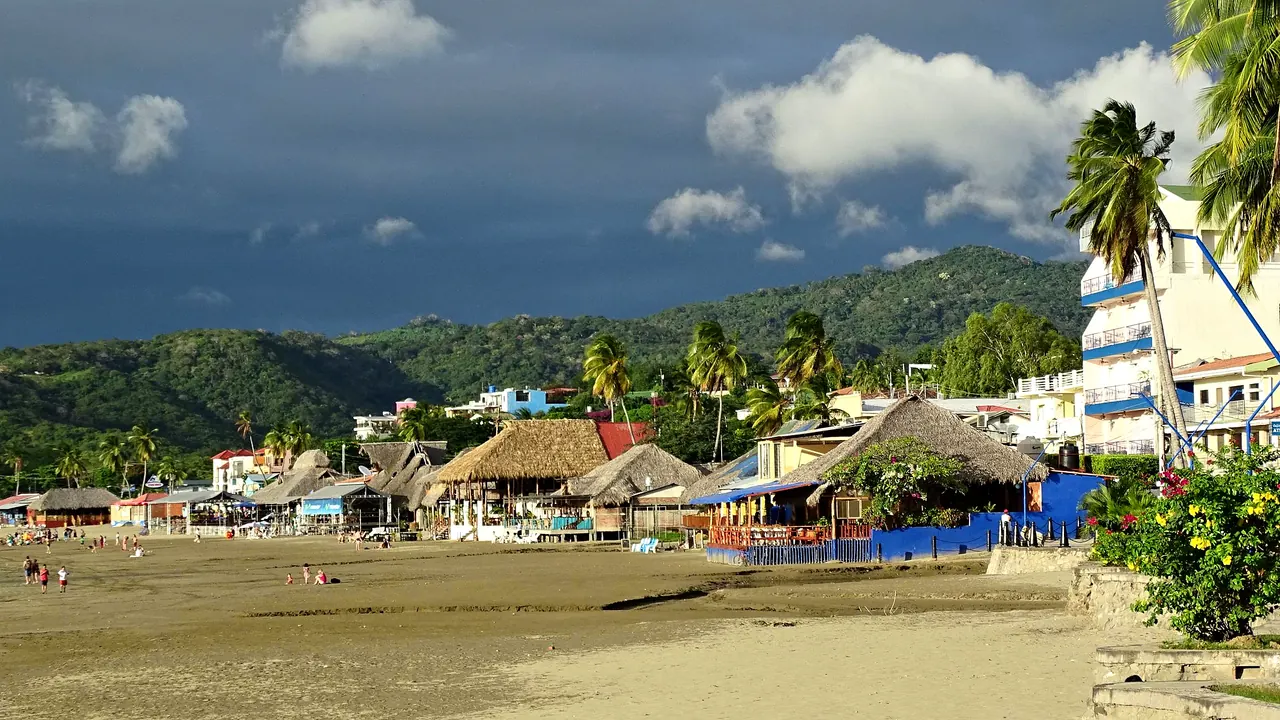
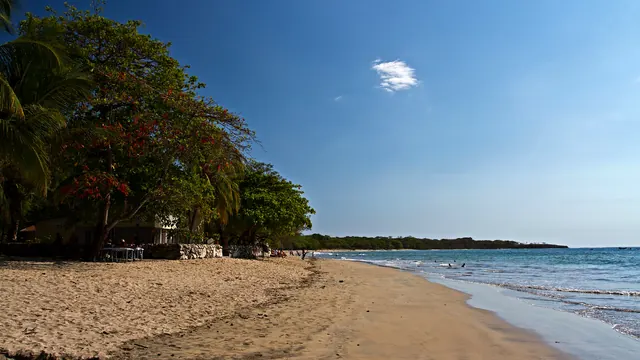
The beach at San Juan del Sur with thatched restaurants, palms and green hills
- Beaches77
- Affordability76
- Nature & outdoors68
Photo: Adam Jones from Kelowna, BC, Canada, CC BY-SA 2.0, cropped
Match
41
Every category weighted equally
- Beach & sun50
- Culture & arts33
- Food & nightlife36
- Family trip46
- Outdoors49
- Relax & unwind47
- Shopping & style33
- On a budget45
San Juan del Sur in twelve categories
Our verdict on each, scored 0 to 100 against the same fixed benchmark cities, so a score means the same thing on every page.
Beaches & swimming. Scores 77 out of 100.
Food & drink. Scores 33 out of 100.
Culture & sights. Scores 10 out of 100.
Nightlife. Scores 45 out of 100.
Nature & outdoors. Scores 68 out of 100.
Day trips. Scores 48 out of 100.
Good for families. Scores 33 out of 100.
Getting around. Scores 36 out of 100.
Shopping & style. Scores 12 out of 100.
Affordability. Scores 76 out of 100.
Live music & performing arts. Scores 9 out of 100.
Wellness & relaxation. Scores 48 out of 100.
San Juan del Sur category by category
Beaches & swimming
77Beaches are the reason people come. The town sits on a sheltered horseshoe bay with calm water for an easy swim, though fishing boats moor there and the sea in front of town is not always clean. The better beaches are spread along the coast to the north and south, reached by shuttle, taxi or four-wheel drive on dirt tracks. To the north, Marsella and Majagual are quiet, sandy bays good for swimming, while Maderas is a surf beach with steady waves. To the south, Remanso, Yankee and Hermosa are wide, open beaches with more surf.
The Pacific is warm for most of the year, usually around 27°C. From about December to April, though, offshore winds bring up cooler water and blow hard across the bays. The surf beaches can have strong rip currents, so for a gentle swim, choose the sheltered coves. Facilities are basic: a few beach bars and shade, and little else.
Food & drink
33Eating here is simple and tied to the sea. Open-sided restaurants along the beachfront serve whole fried snapper, shrimp and ceviche with views of the bay. Small local eateries and market stalls a few streets back serve Nicaraguan staples: gallo pinto, grilled meat, plantains, fresh cheese and big fruit juices. Because so many surfers and expats pass through, the town also has smoothie bowls, wood-fired pizza, burgers and decent coffee from the northern highlands.
The choice is broad for a town of this size, but there is not much depth. Few places stand out, and quality varies. Flor de Caña rum and the national lagers are what most people drink.
Culture & sights
10There is little to see in the town itself. The small grid of streets has some old wooden houses with verandas and a modest parish church facing a little park. The one landmark is the huge Christ of Mercy statue on the northern headland, which people visit for the view over the bay rather than for its history. For colonial architecture, churches and museums, visitors head inland.
Nightlife
45Among backpackers, San Juan del Sur is known as a party town, and the nights are livelier than its size suggests. Bars along the beachfront and the streets just behind fill up with surfers and travellers. A few places turn into dance floors late, and some nights have reggaeton and electronic music. The most famous outing is a weekly hostel pool-party crawl held on Sundays. It draws hundreds of young travellers and sets the tone of the place.
The scene is narrow: young, loud and mostly foreign, with little for anyone looking for a quiet cocktail bar or a mixed local crowd. Outside the busy dry season, many evenings are calm, and the town is quiet well before dawn.
Nature & outdoors
68This is a coast for surfing. Waves break year-round on the beaches north and south of town, and offshore winds help shape the waves for much of the dry season. Beginners do well on the gentler breaks, while more experienced surfers head to the reef and beach breaks further out. The other ways to spend time on the water are sailing and sunset boat trips along the cliffs, sport fishing, and snorkelling or kayaking in the calmer coves.
On land there are dry tropical forest and headland trails, with howler monkeys in the trees above the northern beaches. About forty minutes south, La Flor Wildlife Refuge is a nesting beach where olive ridley turtles come ashore in large numbers in the second half of the year, and visitors can watch at night. The landscape is green in the rainy season and brown and dusty by the end of the dry season.
Day trips
48The best day trip is Granada, the colonial city on Lake Nicaragua, about two hours by car or shuttle. It has coloured houses, old churches and boat trips among the lake's islets. Closer, the market town of Rivas is about forty minutes away, and from San Jorge just beyond it a ferry crosses to Ometepe, an island formed by two volcanoes with small farming villages. The island takes a full and tiring day, so most people stay overnight. Masaya, with its craft market and the nearby hill villages, is about the same distance as Granada. Apart from these, the nearby towns are small and working towns, and a few visitors cross into Costa Rica.
Good for families
33Families with older children who like the water can have an easy beach stay here. The town bay is calm enough for paddling, surf schools teach children, and turtle-watching nights and boat trips make good outings. Nicaraguan culture is warm towards children, and the town is small enough to feel manageable.
On the other hand, there are no attractions made for children, many open beaches have strong rip currents, and medical care beyond basic clinics means a drive to Rivas or further. The tracks to the beaches are rough and dusty. On weekends the party crowd sets the tone of the beachfront.
Getting around
36The town is small, and you can walk it in a few minutes from the beachfront to the market. The beaches are not walkable, though. They are reached by private shuttles that run from town, by taxi, or by rented four-wheel drives, quad bikes and scooters on dirt roads. These turn to mud in the rainy season and are dusty in the dry season. Local buses link the town to Rivas and the highway, but they do not serve the beaches. Many visitors who stay on the outer coast end up spending a lot of time arranging rides.
Shopping & style
12Shopping is limited to surf shops for boards, wax and rash guards, a few beachwear and boutique clothing shops, and stalls selling hammocks, pottery and souvenirs. The local market is for groceries. If you want Nicaraguan crafts, it is better to save it for Masaya or Granada.
Affordability
76Nicaragua is one of the cheaper countries to travel in, and San Juan del Sur is a budget-friendly beach base, though it is the most touristy and expensive place in the country. Local eateries, market food, local beer and buses cost very little, and there are many hostel beds. Prices rise fast at boutique hotels and surf lodges on the outer beaches, at restaurants aimed at foreigners, and with the daily shuttles or rented vehicles needed to reach the beaches. Surf lessons and boat trips add up over a long stay. Prices are highest in the dry season and over Christmas and Easter.
Live music & performing arts
9There is no formal stage here. Some bars and beach restaurants have local bands, acoustic sets or DJs, and town festivals bring processions, music and folk dancing. Beyond that, there is little to attend. For theatre, concerts or traditional dance, visitors have to go to Granada or Managua.
Wellness & relaxation
48There is no tradition of bathing or spas here. The restful side of the area is found in the jungle hills above the northern beaches, where retreats combine yoga classes, surf lessons and healthy meals in open-air shalas with views of the ocean. Massage is easy to find and cheap, both in town and at the lodges, and the day follows the light: an early surf, a long hammock afternoon and an early night.
In town it is different. On weekends the music is loud and the party crowd stays up late, so anyone coming to rest should stay out on the coast rather than in the centre.
When should you go?
Pick a month to see what it is like. The climate figures are measured averages, not a forecast.
San Juan del Sur in July
Daytime high, °C
Rainfall in the month, mm
The whole year
Shaded against this destination’s own year: the deepest cell is its best month for that figure and the palest its weakest.
Where the figures come from
San Juan del Sur's temperatures are measured 86 km from the centre, at Liberia.
San Juan del Sur has no rain gauge within 25 km of the centre, so its rainfall comes from a gridded climate dataset read at the destination rather than from a gauge further away.
Temperature and rainfall are climate normals, averaged over the years shown. San Juan del Sur: 1991-2020 normals, Liberia (85.6 km from centre).
Before you go
| Measure | San Juan del Sur |
|---|---|
| Official language | Spanish |
| Currency | Cordoba Oro (NIO) |
| Sockets | AB120 V, 60 Hz |
| Driving side | Right |
| Time zone | UTC-6 |
| Emergency number | Police 118, ambulance 128, fire 115/120 |
| Elevation | 9 m |
| Main airport | Augusto C. Sandino (Managua) International Airport (MGA)104 km from centre11 non-stop destinations |
| Public holidays this year | 18 days |
By the numbers
| Measure | San Juan del Sur |
|---|---|
| Population | 16,123 |
| People per km² | 39 |
| Museums within 10 km | 0 |
| UNESCO World Heritage sites within 50 km | 0 |
| Swim season, months above 21 °C | 12 months |
Compare San Juan del Sur with
Every comparison with a written verdict behind it.
 Granada, Nicaragua
 La Fortuna
 Leon, Nicaragua
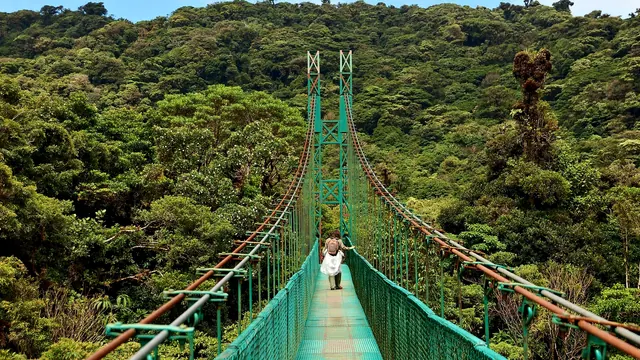 Monteverde
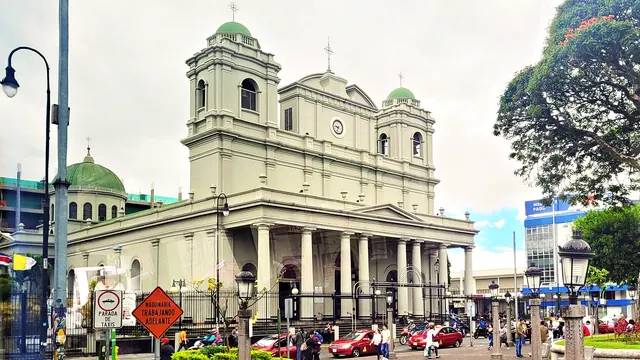 San Jose, Costa Rica
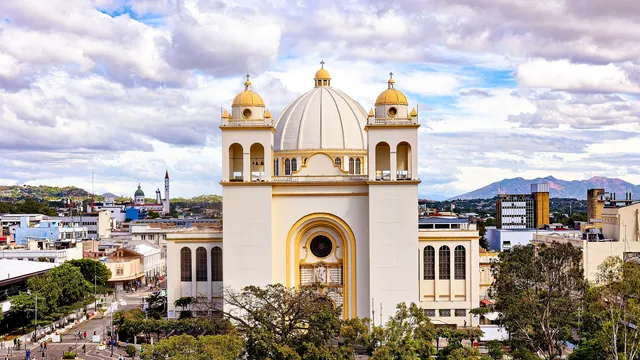 San Salvador
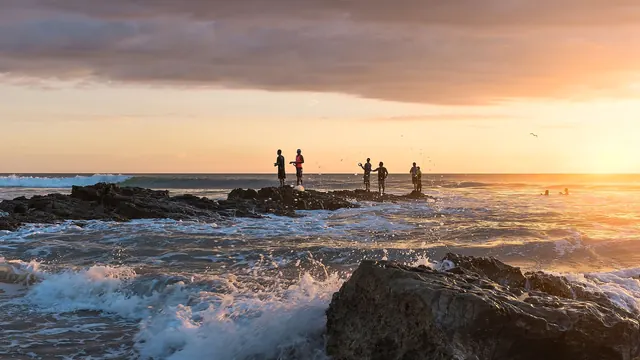 Santa Teresa, Costa Rica
 Tamarindo