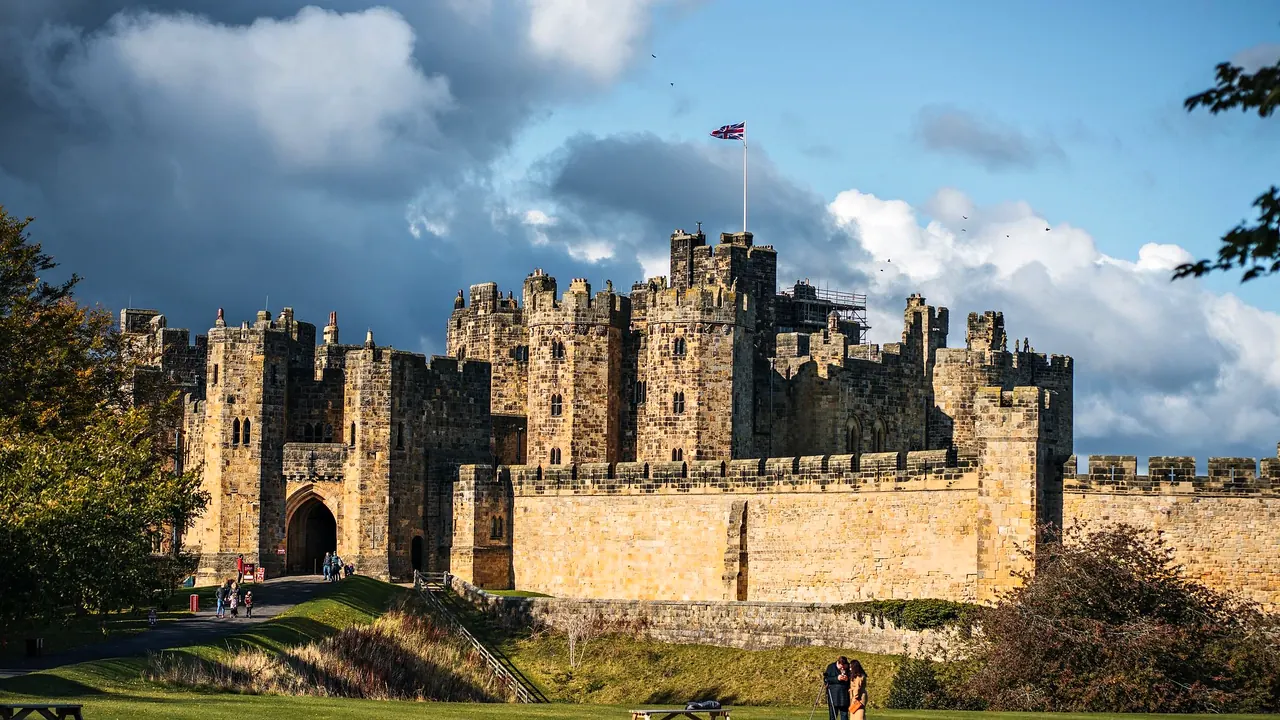
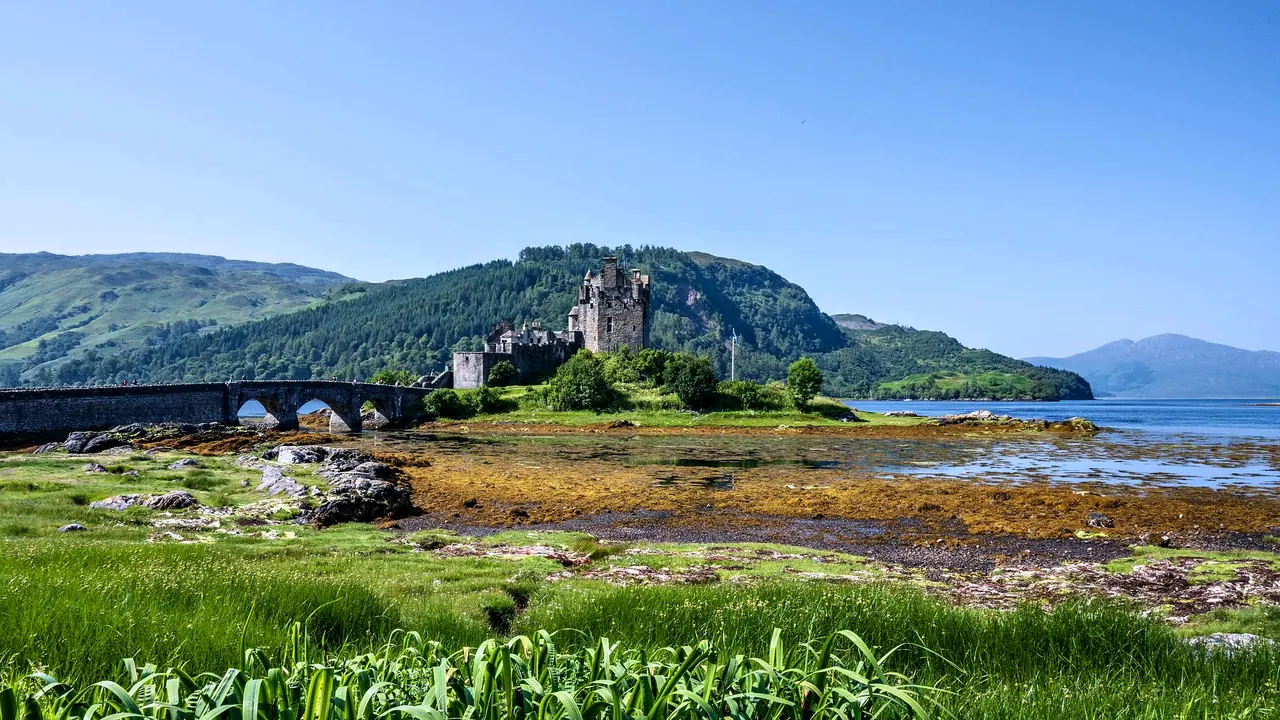
Photos: Northumberland by Clément Proust, Pexels License; Scottish Highlands by Evelin Magnus, Pexels License.
Northumberland or Scottish Highlands?
Our verdict in twelve categories, each scored against the same fixed benchmark cities, and the climate month by month, so you can choose for your trip.
Choose Northumberland for
- culture and sights
- getting around
- day trips
Northumberland suits travellers who want plenty of history within short drives. Castles stand along the coast, the finest stretch of Hadrian's Wall runs across the south, and Edinburgh, Durham and Newcastle are easy days out. It's also cheaper, better for families, and the railway and the A1 make it simpler to get around. Choose it for a varied week where the sights are close together.
Choose Scottish Highlands for
- nature and the outdoors
- wellness
- food and drink
The Scottish Highlands are the trip for people who travel for the land itself. Glencoe, the Cuillin, the Cairngorms, eagles, dolphins and whale-watching put it a long way ahead for outdoor days. West coast seafood and distillery whisky make the eating better too, and a cottage at the end of a single-track road is about as remote as Britain gets. In return you get long, slow drives, higher prices in season and fewer historic sites.
Scoreboard
Twelve categories on one fixed scale from 0 to 100. The shaded stretch is the gap between the two.
Your match
Pick a travel style or drag the sliders, and both match scores follow your weighting.
Wins on culture and sights and getting around with your weighting.
Wins on nature and the outdoors and wellness with your weighting.
What matters to you?
Category by category
What the scores mean for a trip.
Beaches & swimming
Both coasts have superb sand and a sea too cold for real swimming, so the difference is the type of beach. Northumberland's beaches are long, open strands under castles: Bamburgh, Embleton Bay below Dunstanburgh and the seven miles of Druridge Bay. Most are a short drive off the A1 and close to a village.
The Highland beaches are pale shell-sand bays with turquoise water at Morar, Arisaig and Achmelvich. Sandwood Bay needs a long walk, and these beaches feel more remote and look more striking.
Food & drink
The Highlands eat better, mainly because of the west coast. Langoustines, scallops and oysters are served on the quays at Oban, Ullapool and Portree, a few dining rooms on Skye and in Wester Ross are worth a detour, and distillery tastings add a second reason to travel.
Northumberland's specialities are smaller and homelier: Craster kippers, crab sandwiches in Seahouses and Lindisfarne oysters, mostly eaten in village pubs and coaching inns. In both places, kitchens in small villages close early. Northumberland has the advantage that Newcastle is close by when you want more choice.
Culture & sights
Northumberland is far ahead for sightseeing. Bamburgh, Alnwick, Warkworth and Lindisfarne line a short stretch of coast, Berwick keeps its Elizabethan walls, and Hadrian's Wall, with Vindolanda's writing tablets, is the best Roman frontier in Britain.
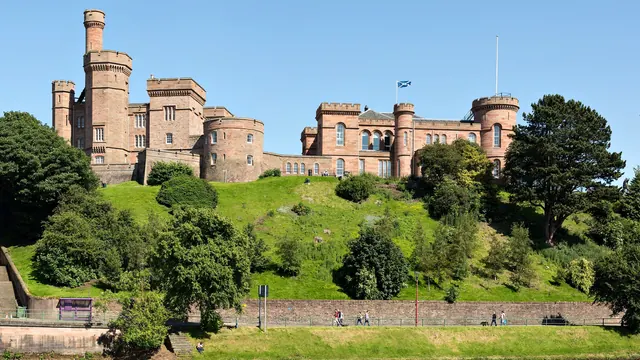
The Highlands tell a more scattered and sadder story: Culloden, the Glencoe memorial, ruined Urquhart above Loch Ness and the empty townships of the Clearances. Eilean Donan is unforgettable, but there are hours of driving between sites, and Inverness has no historic centre to fill a day.
Nightlife
Neither is a place for a big night out, but the Highlands have a little more going on in the evenings. Inverness has pubs and a few late bars along the river, and walkers and climbers fill the pubs of Fort William, Aviemore and Portree.
In Northumberland, an evening means an inn fire in Alnwick or Hexham, and things are quiet by eleven. The real alternative is the train into Newcastle, which has much more nightlife than anywhere in the Highlands.
Nature & outdoors
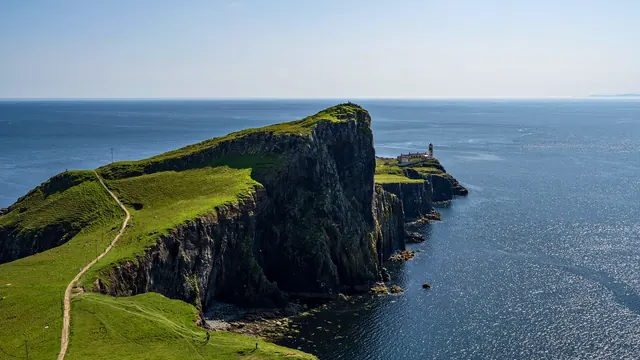
This is where the Highlands lead most clearly. The mountains are on another scale, from Ben Nevis and the Cuillin ridge to the arctic-feeling Cairngorm plateau. Add sea kayaking among the islands, golden and sea eagles, dolphins at Chanonry Point and some winter skiing.
Northumberland's outdoors is gentler but very good in its own way. Puffins and grey seals on the Farne Islands, the coast path past dunes and castles, the rounded Cheviots and Kielder's dark skies make easy, uncrowded days. You also avoid the Highlands' summer midges.
Day trips
Northumberland has the edge because two capitals of their regions are close by. Edinburgh is under an hour by train from Berwick, and Newcastle, Durham Cathedral, Beamish and the abbeys of the Scottish Borders are all easy days out.
Highland day trips are better for scenery than for towns. The ferry to Mull and Iona is a fine day, and so is the steam train over the Glenfinnan Viaduct to Mallaig, but slow roads mean long days in the car.
Good for families
Northumberland is the easier choice with children. Alnwick Castle has broomstick training, the garden next door has its treehouse, there are boats out to the seals and puffins, and crossing the Holy Island causeway is an adventure. Everything is a short drive from a self-catering cottage.
The Highlands can be wonderful for outdoorsy families, especially around Aviemore with the wildlife park and the Cairngorm reindeer. Elsewhere, though, the long winding drives and summer midges are hard work. Both are short of indoor options on wet days.
Getting around
Northumberland is much easier to get around. The east coast main line stops at Morpeth, Alnmouth and Berwick, the Tyne Valley line reaches Hadrian's Wall, and the roads are quiet with short distances between places. The one thing to plan around is the tide on the Holy Island causeway.
In the Highlands, a car is a necessity. Much of the west and north is single-track road with passing places, slowed further by camper vans and sheep. The scenic railways don't reach the trailheads, and summer island ferries need booking.
Shopping & style
Neither is a shopping destination, though the Highlands have a little more to buy that is made locally: tweed and knitwear, whisky from the distillery, and pottery and jewellery from craft studios on Skye. Inverness also has its Victorian covered market.
Northumberland's best shopping is in the high streets and weekly markets of Hexham and Alnwick, plus the huge second-hand bookshop in Alnwick's old station. For anything bigger, people go to Newcastle.
Affordability
Northumberland is the cheaper of the two, especially if you stay inland around Hexham and the Tyne Valley rather than near Bamburgh. Pub meals are fair value, and the beaches and much of Hadrian's Wall cost nothing.
In the Highlands, rooms are scarce from May to September on Skye, around Glencoe and along the northern coast, so they cost more and sell out early. Fuel and remote shops add to the bill. Hostels, bothies and campsites help, and spring and autumn are cheaper.
Live music & performing arts
Both are folk country rather than concert country, and the traditions differ. Northumberland has the sweet-toned smallpipes in pub sessions. The Highlands have fiddle and accordion nights, ceilidhs where visitors learn the reels, Gaelic song in the west and summer Highland games with pipe bands.
For theatre, Inverness has the Highlands' main stage. Northumberland's arts centres in Hexham and Berwick are small, but the large venues of Newcastle and Gateshead are not far away.
Wellness & relaxation
Neither has any bathing culture, and spa treatments are limited to a few country-house hotels in both. The Highlands are the better place for real stillness: a cottage at the end of a long glen, long summer evenings, and loch and sea dips with a loyal following.
Northumberland's quiet is gentler. Villages sleep early and a cottage stay follows the tides, so it's restful, but civilisation is never far away.
When should you go?
Pick your month. The climate figures are measured averages, not a forecast.
Northumberland in July
Scottish Highlands in July
Daytime high, °C
Rainfall in the month, mm
Where the figures come from
Northumberland has no rain gauge within 25 km of the centre, so its rainfall comes from a gridded climate dataset read at the destination rather than from a gauge further away.
Scottish Highlands has no rain gauge within 25 km of the centre, so its rainfall comes from a gridded climate dataset read at the destination rather than from a gauge further away.
Scottish Highlands's sunshine is measured 44 km from the centre, at Kinloss.
Temperature and rainfall are climate normals, averaged over the years shown. Northumberland: 1991-2020 normals, Boulmer (7 km from centre). Scottish Highlands: 2005-2020 (sunshine 1991-2020, rainfall 1991-2020) normals, Inverness / Dalcross (12.1 km from centre).
Neither destination has a summer warm enough for a beach trip in the southern sense. Daytime highs top out at around 18°C in July and August in both, and the sea is about 15°C at best, so the sands are for walking. The main difference is the rain. On the Northumberland coast it is spread fairly evenly through the year, with spring the driest season and August and late autumn the wettest. Where most Highland visitors stay, winters are much wetter, with around 100mm a month from October to January.
In the Highlands, spring is clearly the better season. April is the driest month, and May is the sunniest of the year at about 185 hours, which makes May, June and September the best months for the hills. Northumberland is at its best from late spring to September, and its milder, drier winter days still work for castles and coastal walks. A Highland winter is dark and wet and suits skiers more than sightseers.
Which traveller are you?
On a culture and arts trip, Northumberland packs far more history into each hour at the wheel. Medieval castles, Roman forts and early Christian sites are close enough together to fill every day of a week. In the Highlands, history comes as single stops with long drives between them.
For an outdoors trip, choose the Scottish Highlands if you want a challenge: proper summits, exposed ridges, paddling between islands and real wilderness at the end of the road. Northumberland's walking is gentler and better suited to easy coastal and hill days.
On a family trip with children, Northumberland is less work. Outings are short hops from one cottage, so afternoons go on castles, boats and beaches rather than sitting in the back seat. The Highlands suit older, outdoorsy children who can cope with long drives and changeable weather.
Before you go
| Measure | Northumberland | Scottish Highlands |
|---|---|---|
| Official language | English | English |
| Currency | Pound Sterling (GBP) | Pound Sterling (GBP) |
| Sockets | G230 V, 50 Hz | G230 V, 50 Hz |
| Driving side | Left | Left |
| Time zone | UTC, UTC+1 in summer | UTC, UTC+1 in summer |
| Emergency number | 112 or 999 | 112 or 999 |
| Main airport | Newcastle International Airport (NCL)80 non-stop destinations | Inverness Airport (INV)15 non-stop destinations |
| Public holidays this year | 8 days | 10 days |
By the numbers
| Measure | Northumberland | Scottish Highlands |
|---|---|---|
| Population | 323,820 | - |
| People per km² | 65 | - |
| Swim season, months above 21 °C | None | None |
Where else could you go?
Every comparison below shares a destination with this one, so you can follow Northumberland or Scottish Highlands somewhere new.
- Edinburghvs Northumberland
- Lake Districtvs Northumberland
- Yorkshire Dalesvs Northumberland
- Orkneyvs Scottish Highlands
- Peak Districtvs Northumberland
- Snowdoniavs Northumberland