Panama
Bocas del Toro
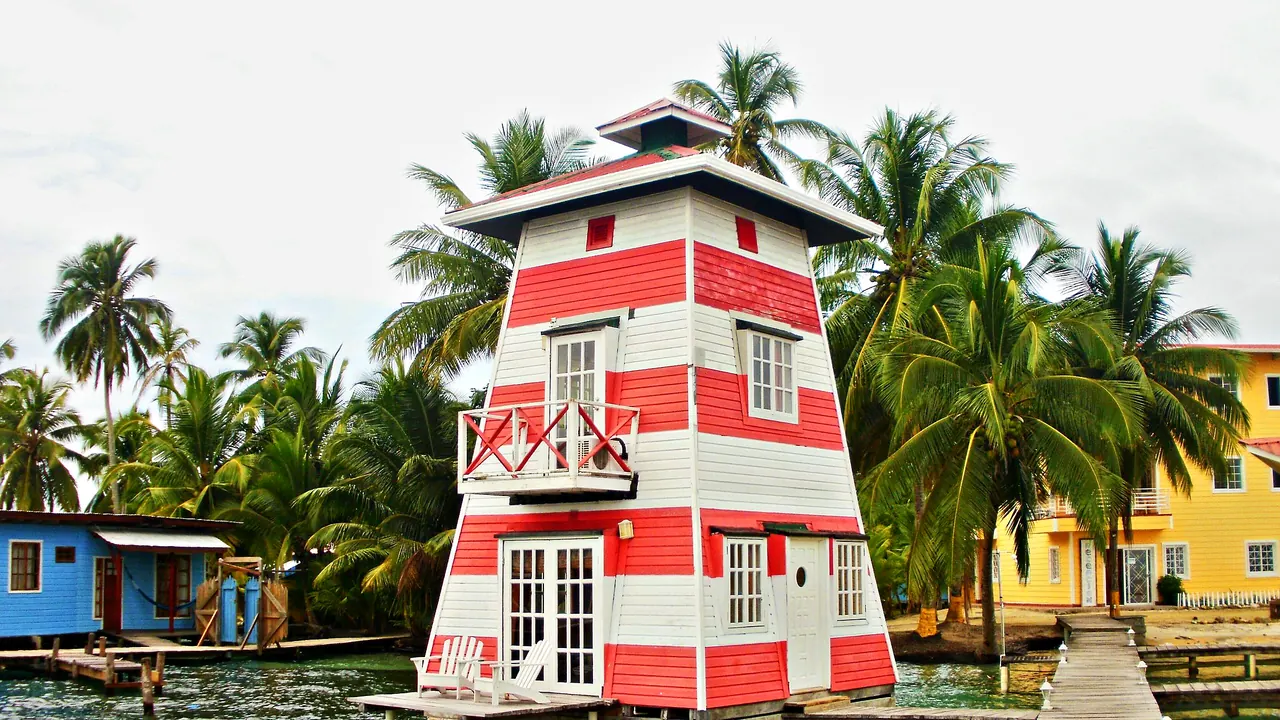
A former lighthouse on stilts over the water off Isla Carenero
- Nature & outdoors72
- Beaches68
- Affordability63
Match
40
Every category weighted equally
- Beach & sun47
- Culture & arts33
- Food & nightlife37
- Family trip44
- Outdoors45
- Relax & unwind44
- Shopping & style34
- On a budget43
Bocas del Toro in twelve categories
Our verdict on each, scored 0 to 100 against the same fixed benchmark cities, so a score means the same thing on every page.
Beaches & swimming. Scores 68 out of 100.
Food & drink. Scores 38 out of 100.
Culture & sights. Scores 20 out of 100.
Nightlife. Scores 55 out of 100.
Nature & outdoors. Scores 72 out of 100.
Day trips. Scores 22 out of 100.
Good for families. Scores 38 out of 100.
Getting around. Scores 40 out of 100.
Shopping & style. Scores 10 out of 100.
Affordability. Scores 63 out of 100.
Live music & performing arts. Scores 10 out of 100.
Wellness & relaxation. Scores 45 out of 100.
Bocas del Toro category by category
Beaches & swimming
68The sea is warm all year, around 28°C, but the beaches are spread across the archipelago, and the main town on Isla Colón has none of its own. Most beach days start with a water taxi. Cayos Zapatilla, two uninhabited islets inside the marine park, have the clearest water and whitest sand. Red Frog Beach and Polo Beach on Bastimentos are wilder, with jungle behind them. On Isla Colón, Starfish Beach has calm, shallow water and sea stars on the sandy bottom, while Bluff Beach is long and beautiful but usually too rough for swimming.
The north-facing beaches often have strong waves and currents, so check conditions before you go in. Sandflies can be bad at dusk, and rain comes in most months. September and October tend to be the calmest and clearest.
Food & drink
38Most of the eating happens in Bocas Town, along the main street and on decks over the water. The local Afro-Caribbean cooking is the part worth seeking out: fish and lobster in coconut sauce, rice and beans cooked in coconut milk, patacones and Johnny cake. The expat and backpacker crowd supports a fair range of pizza, sushi, Thai, brunch and fresh juice places, though quality varies. Cacao farms on the mainland and on the islands offer chocolate tastings. Away from town the choice drops to lodge kitchens and a few simple seafood shacks, and a lot of the produce comes in by boat.
Culture & sights
20Nobody comes here for the sights. Bocas Town has painted wooden houses on stilts and verandas, a reminder of its days as a banana port under the United Fruit Company, when West Indian workers made the islands English-speaking and Creole. Old Bank on Bastimentos keeps more of that Afro-Caribbean character, and Ngäbe villages along the lagoon show indigenous life. Beyond that there are a few small heritage exhibits and not much else.
Nightlife
55Bocas Town is one of the classic party stops on the Central American backpacker route. The scene is small but runs every night. You get bars on piers over the water, reggae and electronic music, ladies' and theme nights moving from venue to venue, and water taxis carrying people out to bars on the nearby islands and back. Boat parties hopping between islands and beaches fill the weekends. It is young, casual and loud, mostly hostel guests and surfers, and it goes on until late. Stay outside town, on Bastimentos, Carenero or a lodge on the lagoon, and the nights are dark and quiet.
Nature & outdoors
72This is a low tropical archipelago of rainforest islands, mangrove channels and reefs, and the water is the way into all of it. Isla Bastimentos National Marine Park protects jungle, turtle-nesting beaches and coral cays. On the islands you can see red poison dart frogs, sloths and howler monkeys, and bottlenose dolphins feed in a sheltered bay off Isla Cristóbal. Snorkelling over the reefs and mangrove roots is easy from a boat, though the coral is healthier in some places than others.
In winter, roughly December to March, swells bring good reef breaks off Isla Colón, Carenero and Bastimentos, some of them for experienced surfers only. Kayaking through the mangroves, night trips to see bioluminescence and jungle walks on Bastimentos fill out the rest. There are no mountains, and heavy rain is part of most months.
Day trips
22Outings here are mostly boat trips to beaches and reefs rather than to other towns. The places to visit are small: the village of Old Bank on Bastimentos, Carenero across the channel, Ngäbe communities on the lagoon and cacao farms on the mainland. The Costa Rican Caribbean towns of Puerto Viejo and Cahuita lie over the land border at Sixaola, but with a boat, a road and a border crossing each way, most people go there as the next stop on their trip rather than for a day.
Good for families
38Older children who like animals and boats can have a great time: sloths in the trees, dolphins in the bay, sea stars in the shallows and snorkelling straight off a boat. Starfish Beach and the sheltered side of Carenero have calm water for younger ones. Nothing here is built for children, though. Getting anywhere means a small open boat, and when the weather turns those crossings can get rough. Medical care on the islands is basic, and the party crowd sets the tone in Bocas Town. Families tend to do better at a quiet lodge on the lagoon than in town.
Getting around
40Water taxis are the local transport, and they work well. Small motor launches leave from the docks in Bocas Town all day for Carenero, Bastimentos, Red Frog and the lodges around the lagoon, and the short hops take only minutes. The town itself is a few flat streets you can walk, and bicycles or shared minibuses follow the one road across Isla Colón to Bluff Beach and Boca del Drago. The boats are open and the crossings can get rough and wet in bad weather. Reaching the islands takes either a small-plane flight from Panama City or a long road trip to Almirante and then a boat.
Shopping & style
10Shopping is minimal. Bocas Town has a few souvenir and surf shops and some stalls selling Ngäbe chácara bags, beadwork and colourful dresses, plus local chocolate. Pack everything you need, especially sun cream and medicines.
Affordability
63Prices depend on how you travel. Backpackers do well: dormitories, simple guesthouses, local plates of rice, beans and fish, and water taxis all cost little. The eco-lodges, overwater bungalows and surf camps on the outer islands charge much more, and imported food, drink and most groceries come in by boat and are priced to match. Boat tours to the marine park and the cays are the biggest regular expense for most visitors.
Live music & performing arts
10There is no formal performing arts scene. Live music means reggae, calypso or acoustic sets in the bars of Bocas Town on some nights, and Afro-Caribbean drumming and dance at local celebrations. Anyone looking for concerts or theatre will be disappointed.
Wellness & relaxation
45There is no bathing or spa tradition here, so the restfulness comes from the setting. Jungle lodges and overwater cabins on Bastimentos, Isla Solarte and the quiet edges of the lagoon offer yoga decks, massages and days with nothing to do but read and listen to the rain. Several places run yoga and retreat programmes. Bocas Town is the opposite, noisy and late, so anyone who wants to unwind should stay out on the islands and come into town only when they need to.
Where to stay in Bocas del Toro
Bocas Town on Isla Colón is the practical base for a first visit, and the obvious one if nightlife matters. Most of the places to eat, the hostels and the docks are here. Every water taxi leaves from town, so beach days and boat trips into the marine park are easy to arrange. The downside is noise: the bars on the piers stay open late every night, and the town has no beach of its own.
Isla Carenero is a few minutes across the channel. It is close enough to come over for dinner but quiet after dark, with calm water on its sheltered side for younger children and reef breaks nearby for surfers in winter. Bastimentos feels wilder. Staying in Old Bank puts you among its Afro-Caribbean village life, while the jungle side near Red Frog Beach is close to the walking trails and the national marine park.
For a quiet stay, choose a lodge or overwater cabin on Isla Solarte or around the edges of the lagoon. This suits families, couples and anyone who wants yoga and long, slow days, though you eat in the lodge kitchen and every outing means a boat ride. Since the crossings are short, most visitors keep one base for the whole trip, and nobody needs a car.
When should you go?
Pick a month to see what it is like. The climate figures are measured averages, not a forecast.
Bocas del Toro in July
Daytime high, °C
Rainfall in the month, mm
The whole year
Shaded against this destination’s own year: the deepest cell is its best month for that figure and the palest its weakest.
Where the figures come from
Bocas del Toro has no weather station within reach, so its figures come from a gridded climate model rather than a measured record, and read a broad area rather than one spot.
Temperature and rainfall are climate normals, averaged over the years shown. Bocas del Toro: 1991-2020 normals, TerraClimate 4 km grid at the town, no weather station within 90 km.
Before you go
| Measure | Bocas del Toro |
|---|---|
| Official language | Spanish |
| Currency | Balboa (PAB) |
| Sockets | AB110 V, 60 Hz |
| Driving side | Right |
| Time zone | UTC-5 |
| Emergency number | 911 |
| Main airport | Bocas del Toro "Isla Colón" International Airport (BOC)3 non-stop destinations |
| Public holidays this year | 14 days |
By the numbers
| Measure | Bocas del Toro |
|---|---|
| Swim season, months above 21 °C | 12 months |
Compare Bocas del Toro with
Every comparison with a written verdict behind it.