Pointe-Noire
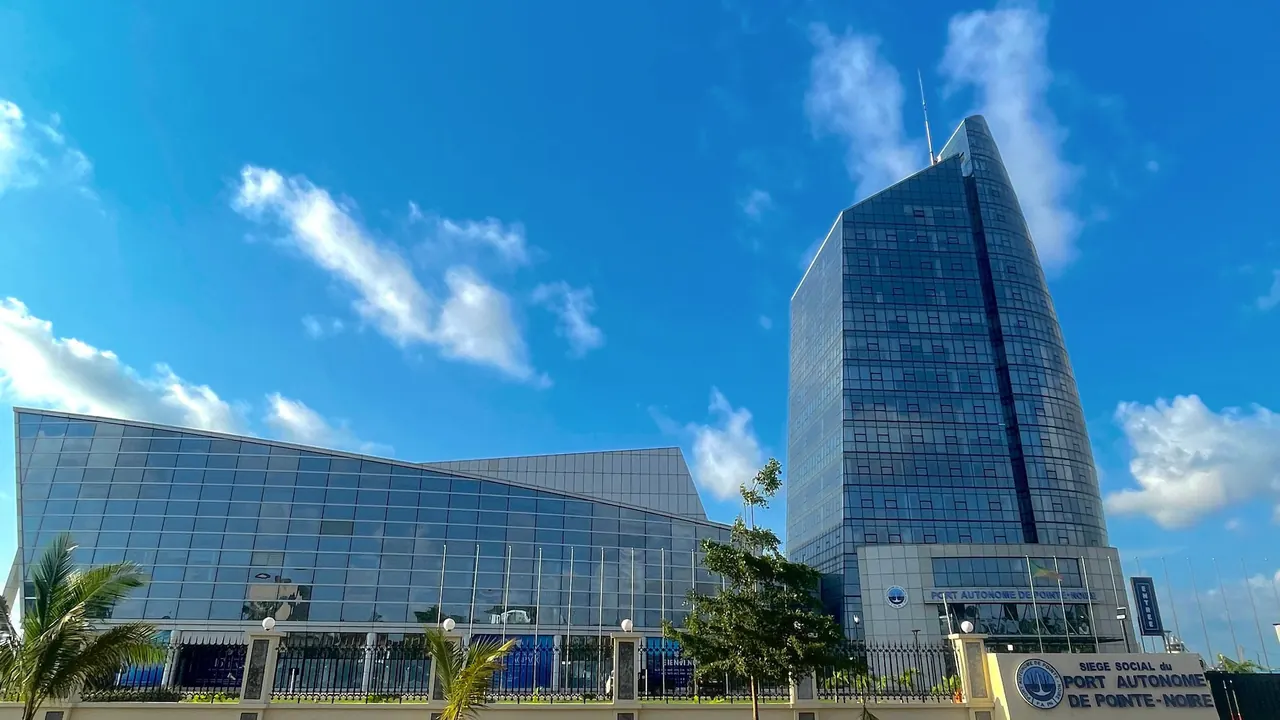
The glass tower of the Port Autonome de Pointe-Noire headquarters under a blue sky
- Nature & outdoors55
- Beaches50
- Nightlife42
Photo: Madaraizen20, CC0
Match
30
Every category weighted equally
- Beach & sun33
- Culture & arts27
- Food & nightlife31
- Family trip30
- Outdoors31
- Relax & unwind31
- Shopping & style29
- On a budget30
Pointe-Noire in twelve categories
Our verdict on each, scored 0 to 100 against the same fixed benchmark cities, so a score means the same thing on every page.
Beaches & swimming. Scores 50 out of 100.
Food & drink. Scores 40 out of 100.
Culture & sights. Scores 20 out of 100.
Nightlife. Scores 42 out of 100.
Nature & outdoors. Scores 55 out of 100.
Day trips. Scores 12 out of 100.
Good for families. Scores 20 out of 100.
Getting around. Scores 25 out of 100.
Shopping & style. Scores 25 out of 100.
Affordability. Scores 30 out of 100.
Live music & performing arts. Scores 25 out of 100.
Wellness & relaxation. Scores 15 out of 100.
Pointe-Noire category by category
Beaches & swimming
50Pointe-Noire sits on a long, straight Atlantic shore, and at weekends much of the city ends up on the sand. Near the centre the Côte Mondaine has beach bars and shaded seating, while the Côte Sauvage to the north-west has open stretches of sand battered by heavy surf. Further up the coast, Pointe Indienne and the sheltered curve of Loango Bay are quieter and better for a calm swim.
The water is warm, often around 27°C from November to April, and cooler and greyer in the dry season from June to September. Swimming needs care: rip currents are strong on the open coast, there are few lifeguards, and the water close to the port and oil installations is not where you want to swim. It is a good place for a beach afternoon, not a beach destination.
Food & drink
40Eating here centres on the sea and the cassava field. Grilled fish and prawns served with chikwangue (fermented cassava bread) or fried plantain are the everyday treat, along with saka-saka (pounded cassava leaves cooked with palm oil and fish), maboké (fish steamed in leaves) and spicy pili-pili sauces. The most enjoyable meals are often at simple open-air grills along the beaches or in neighbourhood maquis-style eateries, with a cold local lager.
The oil economy supports a layer of French, Lebanese and Italian restaurants for expatriates, competent but costly, since so much is imported. Markets show the local larder well. There is no coffee or wine culture to speak of, and the range is narrow beyond these two poles.
Culture & sights
20Pointe-Noire grew up in the twentieth century as the terminus of the Congo-Ocean railway, and its sights reflect that short history. The colonial railway station from the 1930s is the city's best-known building, and the centre keeps some period villas, administrative buildings and the cathedral among wide, palm-lined avenues. The rest is a working port and a sprawl of busy neighbourhoods.
There is no major museum in the city itself, and a visitor will cover the sights in a morning. The deeper history of the Loango kingdom and the Atlantic slave trade lies just up the coast, not in the city centre.
Nightlife
42Going out in Pointe-Noire means open-air bars and beer gardens where Congolese rumba and ndombolo play loud and dancing starts without much encouragement. Friday and Saturday nights run late, with clubs filling after midnight and the beach bars of the Côte Mondaine busy into the small hours. A separate circuit of hotel bars and lounges serves the oil-industry crowd.
It is a lively scene in its own terms, but small, and a visitor will do best going with locals who know which places are good. Getting home by taxi is the norm, as walking the streets after dark is not advisable.
Nature & outdoors
55The landscapes around the city are unusual. The Diosso gorges, about 25km north, are a deep amphitheatre of red and ochre sand cliffs cut into the coastal plateau and fringed with forest. The coast beyond is a chain of lagoons, mangroves and savannah, and from roughly July to September humpback whales pass offshore, while sea turtles nest on remoter beaches in the wet season. Surfers find good waves along the open coast.
The chimpanzee sanctuary at Tchimpounga lies within reach, and the Conkouati-Douli National Park, with forest elephants, gorillas and lagoon wildlife, is a long and rough drive north, better as an overnight trip. Organised hiking and cycling are rare, and most outings need a driver and a guide.
Day trips
12The one cultural outing is north along the coast to Loango, the old capital of the Loango kingdom and a major slave-trading port, where a memorial marks the departure point of the slave route. The Ma-Loango museum, in the former royal palace at Diosso, tells the kingdom's story and can be combined with it in half a day. Beyond that, other Congolese towns are many hours away on difficult roads, and the Angolan enclave of Cabinda to the south means a border crossing. Most excursions from Pointe-Noire are into landscape rather than to places.
Good for families
20Congolese culture is warm towards children, and a beach day or a visit to the chimpanzee sanctuary will hold their attention. Otherwise there is very little made for them: no zoos, aquariums, theme parks or children's museums, and few safe playgrounds. The heat and humidity are tiring, the open-coast surf is too rough for young swimmers, and malaria prevention and limited medical care need serious planning. Families who come are usually accompanying a parent posted here, and base themselves around a hotel pool.
Getting around
25There is no metro, tram or formal bus network a visitor would use. Shared minibuses serve residents, while visitors rely on the blue-and-white taxis, which are plentiful and cover the city quickly when traffic allows. The centre around the railway station is walkable in short stretches, but the heat, broken pavements and distances between the centre, the beaches and the outer districts make walking hard going. Trips beyond the city, to Diosso or along the coast, need a hired car with a driver.
Shopping & style
25The best shopping is in the markets. The Grand Marché is a vast, crowded maze of produce, household goods and bolts of brightly printed wax fabric, which local tailors will make into clothes in a few days. A crafts market sells carvings, masks, malachite and woven goods, much of it from across Central Africa. Beyond that there are supermarkets and a few boutiques for the expatriate community, and nothing that adds up to a fashion or design scene.
Affordability
30Pointe-Noire is an expensive place to visit. As an oil-industry hub it has a hotel market built around company expense accounts, with few good mid-range rooms, and restaurants serving imported ingredients charge accordingly. Visas, flights and hired drivers add more. The cheap side of the city is local: grilled fish at a beach stall, a bottle of local lager and short taxi rides cost little, so a visitor who eats where residents eat can soften the bill, but accommodation keeps the overall cost high.
Live music & performing arts
25The live music worth seeking out is Congolese rumba and its faster descendants, played by local bands in open-air bars and at weekend dances, with guitars and singers that can carry on for hours. Traditional drumming and dance appear at festivals and family celebrations. Formal performing arts are limited to occasional concerts, plays and screenings at the city's cultural centres. There is no opera, orchestra or regular theatre season.
Wellness & relaxation
15Pointe-Noire is a working port and oil city with no bathing or spa tradition. Relaxation means a hotel pool, a massage at one of the larger hotels, or a slow afternoon in the shade at a beach bar. The pace of local life is easygoing, but heat, traffic and noise in the centre make it a poor choice for a restorative vacation.
When should you go?
Pick a month to see what it is like. The climate figures are measured averages, not a forecast.
Pointe-Noire in July
Daytime high, °C
Rainfall in the month, mm
The whole year
Shaded against this destination’s own year: the deepest cell is its best month for that figure and the palest its weakest.
Temperature and rainfall are climate normals, averaged over the years shown. Pointe-Noire: 1991-2020 normals, Pointe-Noire (6.1 km from centre).
Before you go
| Measure | Pointe-Noire |
|---|---|
| Official language | French |
| Currency | CFA Franc BEAC (XAF) |
| Sockets | CE230 V, 50 Hz |
| Driving side | Right |
| Time zone | UTC+1 |
| Emergency number | Police 117, fire 118 |
| Elevation | 14 m |
| Main airport | Antonio Agostinho-Neto International Airport (PNR)5 km from centre13 non-stop destinations |
| Public holidays this year | 11 days |
By the numbers
| Measure | Pointe-Noire |
|---|---|
| Population | 1,420,612 |
| People per km² | 666 |
| Museums within 10 km | 1 |
| UNESCO World Heritage sites within 50 km | 0 |
| Swim season, months above 21 °C | 12 months |
Compare Pointe-Noire with
Every comparison with a written verdict behind it.