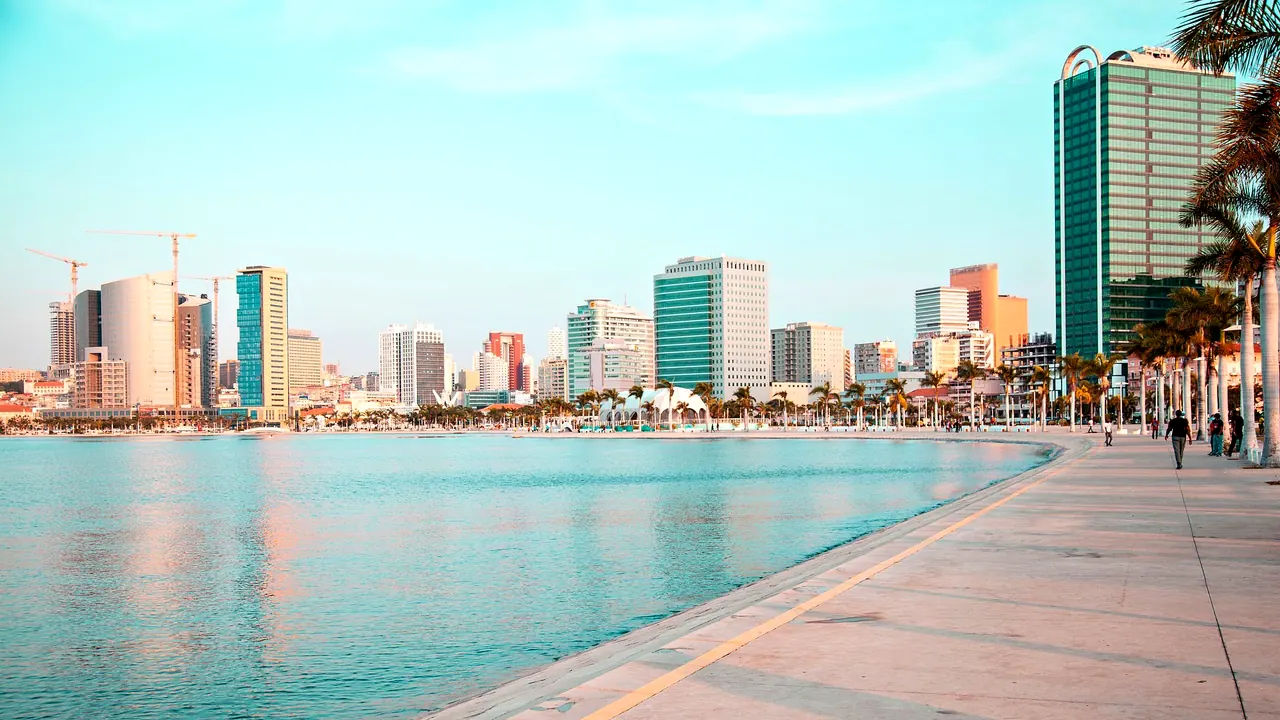
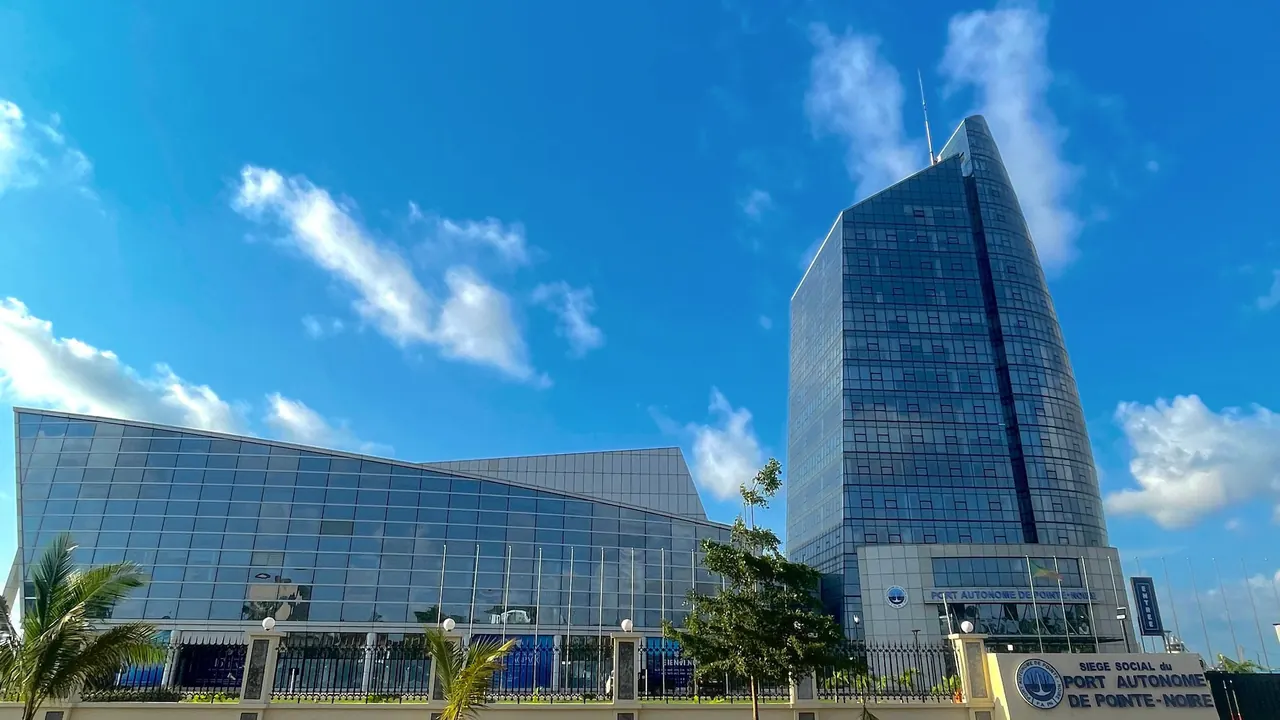
Photos: Luanda by Dm Photography DM, Pexels License; Pointe-Noire by Madaraizen20, CC0.
Luanda or Pointe-Noire?
Our verdict in twelve categories, each scored against the same fixed benchmark cities, and the climate month by month, so you can choose for your trip.
Choose Luanda for
- culture and sights
- beaches
- nightlife
Luanda suits a traveller who wants the fuller city of the two. It has a real colonial past to see, with the Fortaleza de São Miguel, the churches of the Baixa and the slavery museum on the coast. It has a stronger beach in the calm bay water of Mussulo, and a dance scene built on semba, kizomba and kuduro. It is expensive, but a little less punishing on the budget than its neighbour up the coast.
Choose Pointe-Noire for
- getting around
- nature and the outdoors
- wellness
Pointe-Noire is the better pick when the landscape around the city matters more than the city itself. The Diosso gorges, the lagoons and mangroves, the chimpanzee sanctuary at Tchimpounga and whales passing offshore give it the edge outdoors. Its taxis also make the city easier to get around than Luanda's traffic allows, though the sights in town fill only a morning.
Scoreboard
Twelve categories on one fixed scale from 0 to 100. The shaded stretch is the gap between the two.
Your match
Pick a travel style or drag the sliders, and both match scores follow your weighting.
Wins on culture and sights and beaches with your weighting.
Wins on getting around and nature and the outdoors with your weighting.
What matters to you?
Category by category
What the scores mean for a trip.
Beaches & swimming
Luanda has the better swimming because it has Mussulo. That sandy peninsula across the lagoon offers palms and calm bay water a short boat ride from town, while the Ilha handles the sociable side with beach bars and weekend crowds. The water by the city itself is best avoided.
Pointe-Noire's long straight shore is pleasant for an afternoon on the Côte Mondaine, but most of the open coast is surf and rip currents with few lifeguards. A calm swim means heading up to Pointe Indienne or Loango Bay.
Food & drink
The two are close, and each is at its best with grilled fish and prawns eaten by the water. The difference is in what surrounds them. Luanda's cooking carries a strong Portuguese thread, with bacalhau, custard tarts and proper coffee next to muamba de galinha and funge.
Pointe-Noire leans on cassava, with chikwangue, saka-saka and leaf-steamed maboké, and its expatriate tables are French, Lebanese and Italian. It has no coffee culture to match Luanda's.
Culture & sights
Luanda has four centuries of history to show and Pointe-Noire has one. The Fortaleza de São Miguel with its azulejo panels, the Baixa's colonial churches, the Anthropology Museum and the sobering slavery museum make a day or two of real sightseeing.
Pointe-Noire was built in the twentieth century around the railway, so its highlights are the 1930s station, some period villas and the cathedral, and they take a morning. Its weightier history of the Loango kingdom lies outside the city.
Nightlife
Both cities go out to dance, but Luanda's scene is bigger and has a stronger identity as the home of kizomba and kuduro. Nights on the Ilha and in the smarter districts run until dawn, though venues are spread out and you need a driver to get between them.
Pointe-Noire's version is looser and smaller. It means beer gardens playing rumba and ndombolo, beach bars on the Côte Mondaine and clubs that fill after midnight. In both cities, going with locals is the way in.
Nature & outdoors
Pointe-Noire has the richer surroundings, and they are closer. The Diosso gorges are about 25km away, the coast breaks into lagoons and mangroves, whales pass in the dry season, turtles nest in the wet season and Tchimpounga's chimpanzees are within reach. Conkouati-Douli, with its gorillas and forest elephants, rewards an overnight stay.
Luanda's highlights lie further out along the coast road. They are the eroded cliffs of the Miradouro da Lua, tarpon fishing where the Kwanza meets the sea, and game drives in Kissama, where animal numbers are modest. The traffic leaving the city turns each of them into a full day.
Day trips
Neither city has towns within easy reach, so outings from both are mostly into landscape. Pointe-Noire has the one heritage half-day of the pair: Loango's slave-route memorial, combined with the Ma-Loango museum in the old royal palace at Diosso.
From Luanda, the historic ports of Benguela and Lobito mean a flight and a night away.
Good for families
Neither works well with children. Both need malaria precautions, long drives and a hotel pool as a base. What differs is the one good day out. In Luanda it is the calm water at Mussulo, which young swimmers can manage. In Pointe-Noire it is the chimpanzee sanctuary, because the surf on the open coast is too rough for children.
Getting around
Pointe-Noire is easier to get around. Its blue-and-white taxis are plentiful and cross the city quickly when the roads are clear, and the distances are smaller.
In Luanda you depend on a car with a driver or ride-hailing, and a short crossing can take an hour at peak times. Its candongueiro minibuses are hard for a newcomer to use. The Marginal and the Baixa are pleasant to walk by day, but that is about all.
Shopping & style
Both are market cities with no shopping street to browse. Luanda's Benfica craft market is the place for Chokwe masks and Pensador figures, and its big malls in the south cover everyday needs.
Pointe-Noire's Grand Marché sells wax-print cloth that local tailors will make into clothes within days. Its crafts market adds malachite and carvings from across Central Africa.
Affordability
Both cities are costly because hotels are built around oil-company budgets. Luanda works out a little less painful, though a car and driver add to every day there.
In Pointe-Noire, visas and flights push the bill up further, and accommodation keeps it high even if you eat at beach grills.
Live music & performing arts
Popular music is the main draw in both cities, and Luanda has more of it to offer. Its semba bands play to dancing crowds of older Luandans on weekend nights, and the city also has kizomba, kuduro and its carnival parades.
Pointe-Noire answers with Congolese rumba from bands that play for hours, plus traditional drumming at festivals. Neither city has opera or an orchestra.
Wellness & relaxation
Neither is a place to unwind, and in both a hotel pool or spa is the only real option. Luanda's escape is a weekend at the quiet resorts across the lagoon on Mussulo. Pointe-Noire's local pace is easier, so a slow afternoon at a shaded beach bar is the closest thing to rest there.
When should you go?
Pick your month. The climate figures are measured averages, not a forecast.
Luanda in July
Pointe-Noire in July
Daytime high, °C
Rainfall in the month, mm
Temperature and rainfall are climate normals, averaged over the years shown. Luanda: 1963-2025, 15 years observed (rainfall 1971-2000) normals, Luanda (3.9 km from centre). Pointe-Noire: 1991-2020 normals, Pointe-Noire (6.1 km from centre).
The two cities share almost the same temperatures but have very different rain. Both run hot from December to May, with highs around 31°C, and both cool off and turn grey in the June to September dry season. In those months the sea drops to about 20°C off Luanda and a little warmer off Pointe-Noire. The warm-water months for swimming are January to April on both coasts, when the sea is close to 28°C.
Luanda is the drier city by a long way. Its only real rain comes in March and April, and the rest of the year is close to dry, so the streets can be walked in any month, with the cool cacimbo months the most comfortable. Pointe-Noire has a long wet season from October to April, with November the worst at around 240mm. Its dry season is also its dullest, because sunshine falls sharply by September. May and early June are a reasonable balance there.
Which traveller are you?
On a beach and sun trip, Luanda is the better base. Mussulo's calm bay water across the lagoon makes for easy swimming and the Ilha gives a long seafood lunch by the sea. Pointe-Noire's open coast has rip currents and few lifeguards.
For a culture and arts trip, Luanda has much more to see. The 17th-century fortress, the Baixa's colonial churches, the Palácio de Ferro and the slavery museum fill a day or two, and live semba bands play at weekends. Pointe-Noire's sights take a morning.
On an outdoors trip, Pointe-Noire comes out ahead. The red cliffs of the Diosso gorges are close to town, the coast is all lagoons and mangroves, humpbacks pass offshore in the dry season and the chimpanzee sanctuary is within reach.
Before you go
| Measure | Luanda | Pointe-Noire |
|---|---|---|
| Official language | Portuguese | French |
| Currency | Kwanza (AOA) | CFA Franc BEAC (XAF) |
| Sockets | C220 V, 50 Hz | CE230 V, 50 Hz |
| Driving side | Right | Right |
| Time zone | UTC+1 | UTC+1 |
| Emergency number | Police 113, ambulance 116, fire 115 | Police 117, fire 118 |
| Elevation | 6 m | 14 m |
| Main airport | Quatro de Fevereiro International Airport (LAD)5 km from centre | Antonio Agostinho-Neto International Airport (PNR)5 km from centre13 non-stop destinations |
| Public holidays this year | 14 days | 11 days |
By the numbers
| Measure | Luanda | Pointe-Noire |
|---|---|---|
| Population | 2,487,444 | 1,420,612 |
| People per km² | 22,013 | 666 |
| Museums within 10 km | 4 | 1 |
| UNESCO World Heritage sites within 50 km | 0 | 0 |
| Swim season, months above 21 °C | 11 months | 12 months |
Where else could you go?
Every comparison below shares a destination with this one, so you can follow Luanda or Pointe-Noire somewhere new.
- Brazzavillevs Pointe-Noire
- Benguelavs Luanda
- Librevillevs Pointe-Noire
- Windhoekvs Luanda
- Accravs Luanda
- Nairobivs Luanda