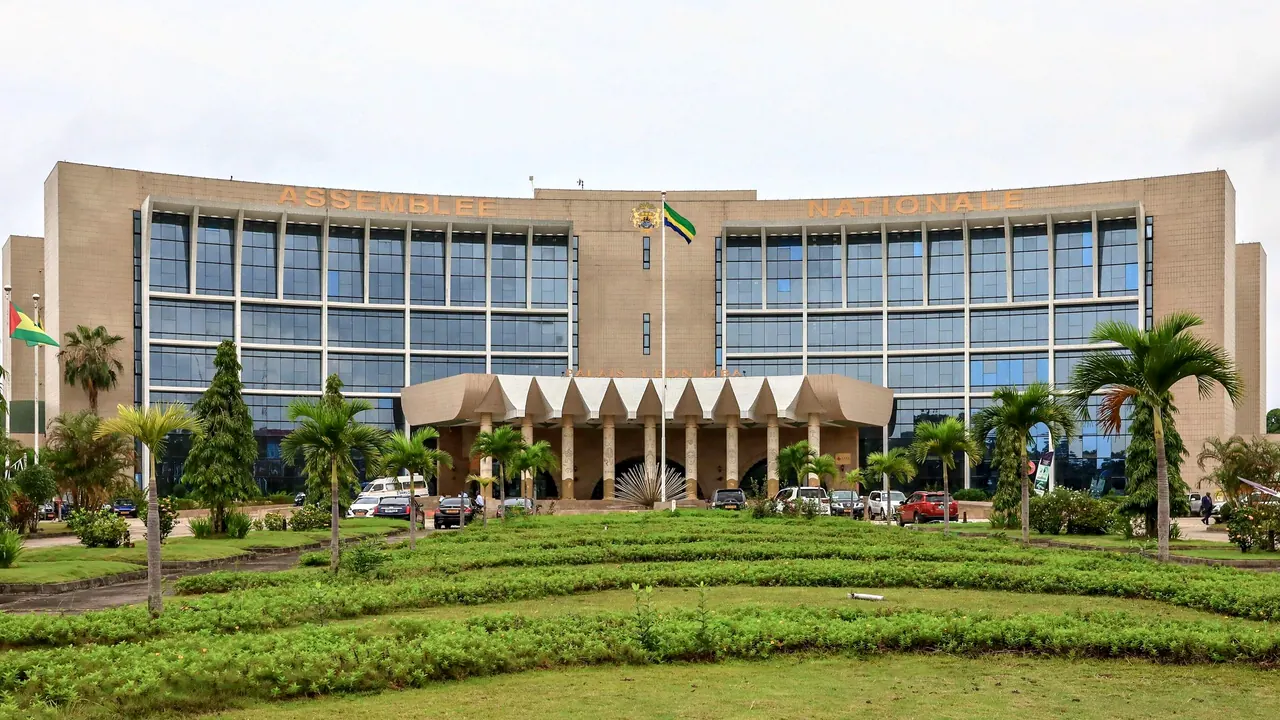
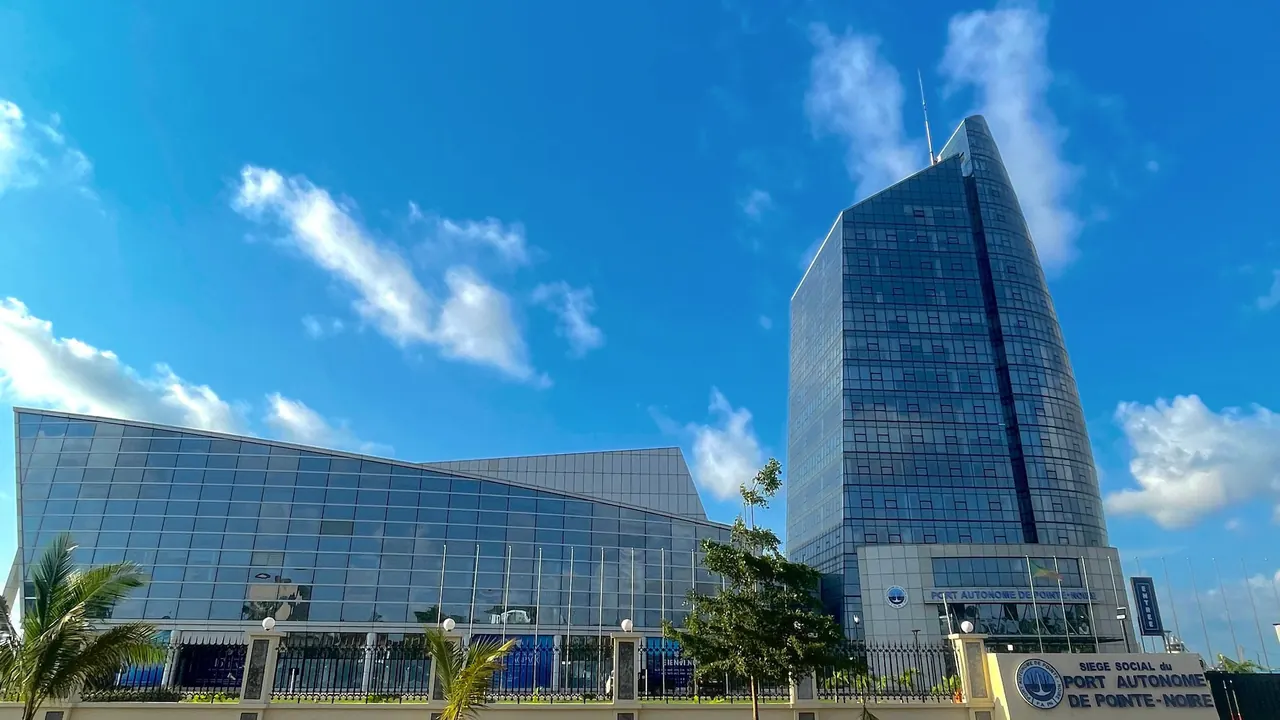
Photos: Libreville by Titlutin, CC BY 4.0, cropped; Pointe-Noire by Madaraizen20, CC0.
Libreville or Pointe-Noire?
Our verdict in twelve categories, each scored against the same fixed benchmark cities, and the climate month by month, so you can choose for your trip.
Choose Libreville for
- beaches
- nature and the outdoors
- wellness
Libreville is the better pick if the sea and the wild coast are the point of the trip. Pointe Denis gives it a proper weekend beach across the estuary, and two national parks sit right on its doorstep: Pongara for nesting turtles and Akanda for mangrove birdlife, both reached by boat. It suits travellers who will pay for boat transfers and guides to get out onto the water.
Choose Pointe-Noire for
- prices
- live music and the arts
- day trips
Pointe-Noire suits travellers who care more about the bill and the music. Rooms and meals still cost a lot, but it is noticeably easier on the wallet, and an evening of Congolese rumba played live in an open-air bar is far easier to find here. The Diosso gorges and the Loango slave-route memorial give it a half-day outing that mixes landscape with history, which Libreville lacks.
Scoreboard
Twelve categories on one fixed scale from 0 to 100. The shaded stretch is the gap between the two.
Your match
Pick a travel style or drag the sliders, and both match scores follow your weighting.
Too close to call, 1 point apart
Wins on beaches and nature and the outdoors with your weighting.
Wins on prices and live music and the arts with your weighting.
What matters to you?
Category by category
What the scores mean for a trip.
Beaches & swimming
Libreville has the better beaches, though the best of them is not in the city. Pointe Denis, across the Komo estuary, is a long pale strip where residents spend their weekends, and Cap Estérias to the north adds rocky coves and calmer pools. The town shore along the Bord de Mer is fine for a stroll, but the water near the centre is not always clean.
Pointe-Noire's beaches are closer to town. You get the beach bars of the Côte Mondaine and the open sand of the Côte Sauvage, with quieter swimming at Pointe Indienne and Loango Bay. The surf and rip currents on the open coast are serious, there are few lifeguards, and the sea turns noticeably cool in the dry season, so it works better for an afternoon on the sand than for a beach vacation.
Food & drink
The two cities eat in much the same way, based on cassava, plantain and fish, with an expensive French and Lebanese layer on top. The difference is in the dishes. Libreville's signatures come from the forest: poulet nyembwe in palm-nut sauce, and the smoky odika sauce made from wild mango kernels. Pointe-Noire leans on the sea, with grilled prawns and fish served with chikwangue, maboké steamed in leaves, and saka-saka.
Both are at their best at open-air maquis and seafront grills. Mont-Bouët market in Libreville and the Grand Marché in Pointe-Noire show you the local larder.
Culture & sights
Neither city will fill more than a morning of sightseeing, but what you get differs. Libreville has the stronger single collection: the Fang, Punu and Kota masks and reliquary figures at the National Museum of Arts and Traditions, plus the carved wooden columns of Église Saint-Michel in Nkembo.
Pointe-Noire has no major museum. Its interest is the railway town itself: the 1930s station at the end of the Congo-Ocean line and the colonial villas along palm-lined avenues. Its deeper history lies up the coast at Loango.
Nightlife
The scenes are about the same size and run just as late, but they feel different. Libreville's nights are packed into Quartier Louis, where bars, lounges and clubs sit side by side and the playlist mixes rumba with Afrobeats, coupé-décalé and French hits.
Pointe-Noire is more spread out and more outdoors. Its nights happen in beer gardens and the beach bars of the Côte Mondaine, with rumba and ndombolo loud enough that dancing starts on its own. In both cities you take a taxi home.
Nature & outdoors
The two are close, and each offers a different kind of outing. Libreville sits between two national parks. Pongara has turtle-nesting beaches and coastal forest, Akanda has mangrove mudflats full of wading birds, and the Raponda Walker arboretum puts real rainforest at the city's edge. Almost all of it is reached by boat.
Pointe-Noire's highlight is a landscape: the red and ochre cliffs of the Diosso gorges, with lagoons and savannah beyond. It adds surfing waves and the Tchimpounga chimpanzee sanctuary. Whales pass both coasts in the same months.
Day trips
Neither city is a base for touring, and outings from both head into landscape rather than to other towns. Pointe-Noire at least has a half day of history close by, with the slave-route memorial at Loango and the Ma-Loango museum in the old royal palace at Diosso.
From Libreville, the nearest place of real interest is Lambaréné and the Albert Schweitzer hospital on the Ogooué river, and that is an overnight trip rather than a day out.
Good for families
Both are hard going with children. There are no zoos or theme parks, malaria is present, and the heat is tiring, so either way the hotel pool becomes the base. The treats differ: in Libreville it is boat trips to see turtles or whales and calm weekends at Pointe Denis, while in Pointe-Noire it is the chimpanzee sanctuary. Pointe-Noire's open-coast surf is too rough for young swimmers.
Getting around
In both cities you get around by taxi, because there is no public transport a visitor would realistically use. Libreville relies on shared taxis paid by the stretch along a coast many kilometres long, and its beaches and parks across the estuary also need a boat.
Pointe-Noire's blue-and-white taxis are plentiful and quick when traffic allows. Anything beyond the city, such as Diosso, needs a hired car with a driver.
Shopping & style
Both are craft-and-market towns with no fashion scene, and they are worth shopping in for different things. In Libreville the best buys are Fang-style masks and soapstone figures from Mbigou, and it pays to ask where anything sold as old came from.
Pointe-Noire's Grand Marché is the better browse, chiefly for its bolts of wax-print fabric, which tailors will turn into clothes within days. Its crafts market adds malachite and carvings from across Central Africa.
Affordability
Both cities are expensive, but Libreville is the harder on the budget. Its oil economy and imported goods push hotels and restaurants well above most of Africa, mid-range rooms are scarce, and boat transfers and guided park trips add up quickly.
Pointe-Noire's hotel prices are also set by company expense accounts, but its cheap side goes further. If you eat at the beach grills, drink local lager and take short taxi rides, the overall cost comes down noticeably.
Live music & performing arts
Pointe-Noire is the better place for live music. Local bands play Congolese rumba in open-air bars and at weekend dances, sometimes for hours, and its cultural centres put on occasional plays and concerts.
Libreville has less. You hear bar bands playing Congolese and Gabonese styles, and the French cultural institute hosts some theatre and concerts. Its most remarkable tradition, the music of Bwiti ceremonies, belongs to religious life and is rarely seen by visitors.
Wellness & relaxation
Each city has its own way to unwind. In Libreville it means leaving town for a weekend at a simple lodge across the estuary, well away from the noise of the centre. In Pointe-Noire the escape is closer at hand: a slow afternoon in the shade of a beach bar.
Apart from that, wellness in both comes down to the pools and massage rooms of the larger hotels, because neither has a bathing or spa tradition. The constant heat and humidity tire most visitors more than they restore them. Pointe-Noire's traffic and noisy centre make it the harder of the two for a restful stay.
When should you go?
Pick your month. The climate figures are measured averages, not a forecast.
Libreville in July
Pointe-Noire in July
Daytime high, °C
Rainfall in the month, mm
Temperature and rainfall are climate normals, averaged over the years shown. Libreville: 1991-2020 normals, Libreville (5.4 km from centre). Pointe-Noire: 1991-2020 normals, Pointe-Noire (6.1 km from centre).
Both cities are hot all year, with highs of around 26°C to 31°C, so the heat never really eases, and the calendar is all about rain. Libreville is far wetter. Its only truly dry spell is June to August, and its rains peak hard in October and November, at around 506mm in November alone. The sea stays warm all year, close to 29°C from January to April, though those months are also wet and humid. The dry months are a little cooler and greyer, with less sun.
Pointe-Noire has a longer and drier dry season, from May to September, with almost no rain from June to August, and its wet months are much gentler than Libreville's. The catch for swimmers is the sea, which drops to about 22°C in July and August, against roughly 26°C off Libreville. September and October are Pointe-Noire's dullest months for sunshine. For walking the streets, June to August is the easiest stretch in both cities. For warm water, aim for November to April and expect showers.
Which traveller are you?
On a beach and sun trip, Libreville is the better choice. Pointe Denis is a long strip of pale sand a short boat ride away, Cap Estérias has calmer rock pools, and the sea is warmer than at Pointe-Noire for most of the year.
For a trip on a tight budget, Pointe-Noire is the easier of two expensive cities. Its accommodation still costs a lot, but beach grills, local lager and short taxi rides take the edge off. Libreville's prices hold firm even if you eat where residents eat.
On an outdoors trip, Libreville has the edge. Pongara's turtle beaches and Akanda's mangrove channels are both a boat ride from the city. Pointe-Noire's Diosso gorges are striking, but its big wildlife park, Conkouati-Douli, needs a long, rough drive.
Before you go
| Measure | Libreville | Pointe-Noire |
|---|---|---|
| Official language | French | French |
| Currency | CFA Franc BEAC (XAF) | CFA Franc BEAC (XAF) |
| Sockets | C220 V, 50 Hz | CE230 V, 50 Hz |
| Driving side | Right | Right |
| Time zone | UTC+1 | UTC+1 |
| Emergency number | Police 1722, ambulance 1300, fire 18 | Police 117, fire 118 |
| Elevation | 13 m | 14 m |
| Main airport | Libreville Leon M'ba International Airport (LBV)6 km from centre24 non-stop destinations | Antonio Agostinho-Neto International Airport (PNR)5 km from centre13 non-stop destinations |
| Public holidays this year | 11 days | 11 days |
By the numbers
| Measure | Libreville | Pointe-Noire |
|---|---|---|
| Population | 899,000 | 1,420,612 |
| People per km² | 4,757 | 666 |
| Museums within 10 km | 1 | 1 |
| UNESCO World Heritage sites within 50 km | 0 | 0 |
| Swim season, months above 21 °C | 12 months | 12 months |
Where else could you go?
Every comparison below shares a destination with this one, so you can follow Libreville or Pointe-Noire somewhere new.
- São Tomévs Libreville
- Brazzavillevs Pointe-Noire
- Luandavs Pointe-Noire
- Brazzavillevs Libreville
- Accravs Libreville
- Dakarvs Libreville