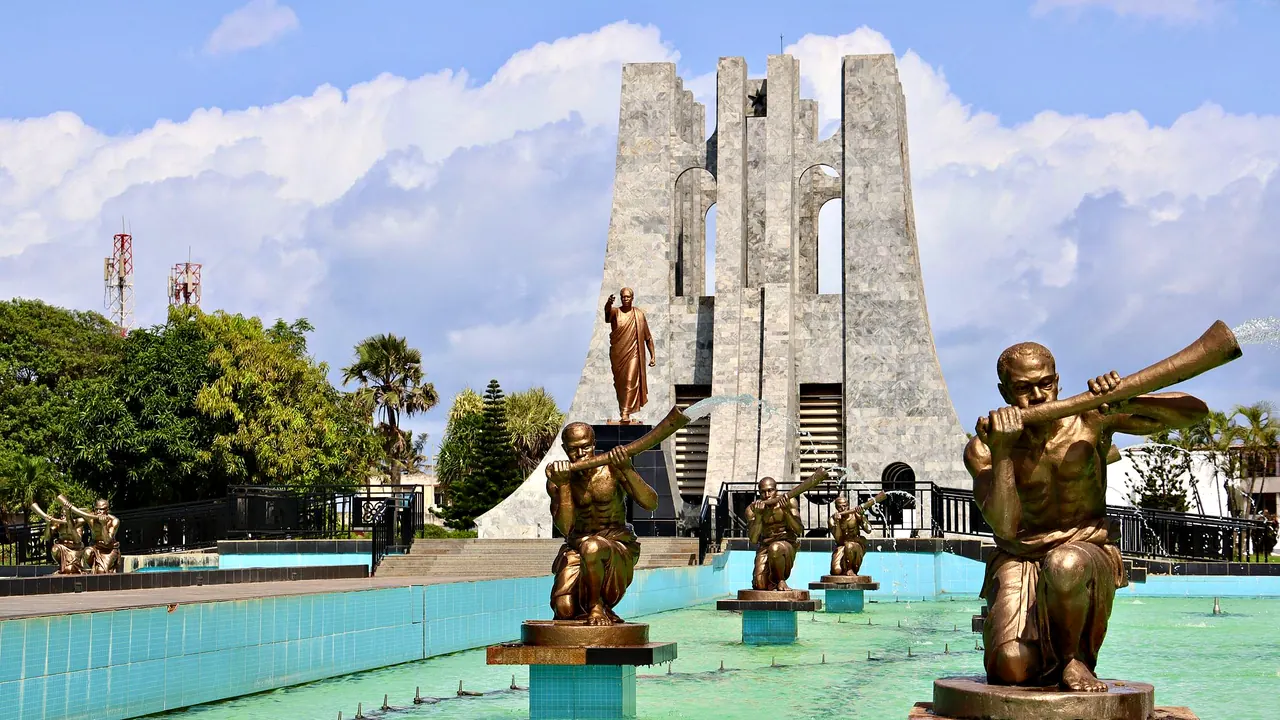
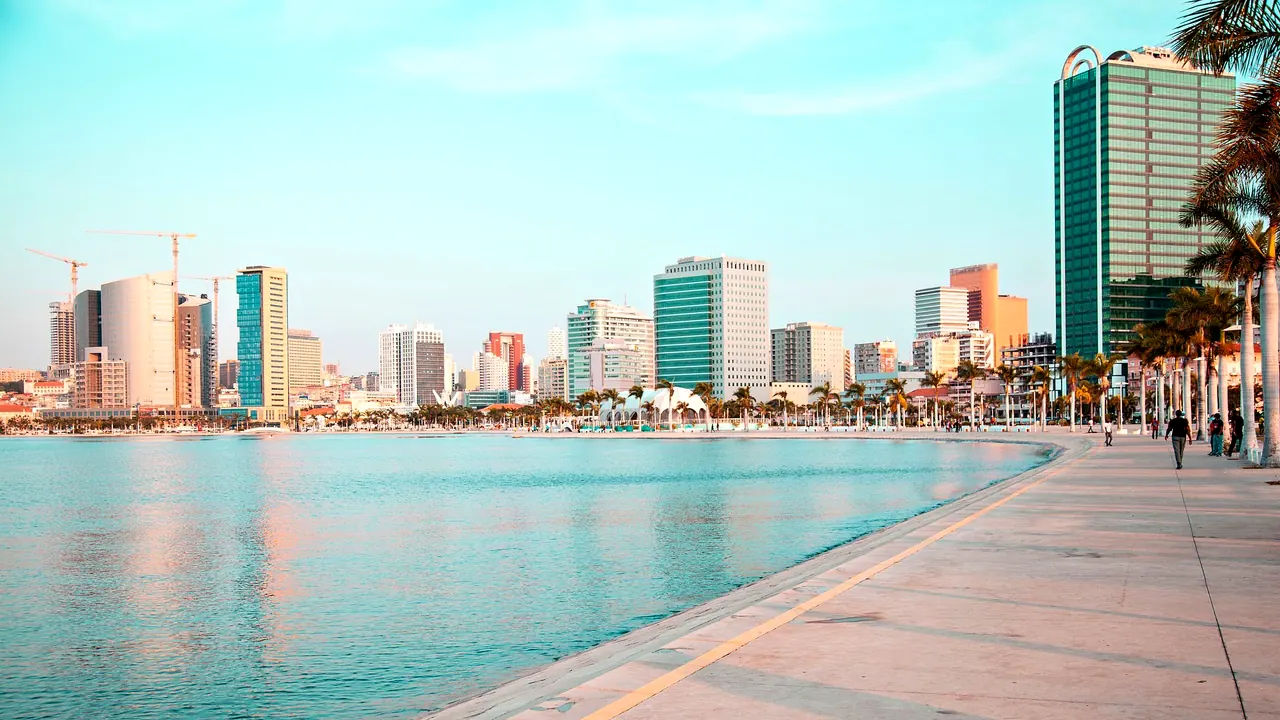
Photos: Accra by Ana Kenk, Pexels License; Luanda by Dm Photography DM, Pexels License.
Accra or Luanda?
Our verdict in twelve categories, each scored against the same fixed benchmark cities, and the climate month by month, so you can choose for your trip.
Choose Accra for
- day trips
- shopping
- prices
Accra suits the traveller who wants a city to get stuck into. The food is easier to find and better, the nights out are livelier, the cloth markets and tailors make for real shopping, and the outings into the hills and along the coast give a longer stay some range. It also costs less once you are on the ground, as long as you eat and travel the way locals do.
Choose Luanda for
- beaches
- nature and the outdoors
Luanda is the better pick when the coast is the point. The Ilha's weekend beach bars and the calm bay water at Mussulo beat anything near Accra for an easy swim, and the red cliffs, river mangroves and savannah to the south give it the stronger landscapes. Expect to pay more and to spend a lot of time in a car, and go with local contacts if you can.
Scoreboard
Twelve categories on one fixed scale from 0 to 100. The shaded stretch is the gap between the two.
Your match
Pick a travel style or drag the sliders, and both match scores follow your weighting.
Wins on day trips and shopping with your weighting.
Wins on beaches and nature and the outdoors with your weighting.
What matters to you?
Category by category
What the scores mean for a trip.
Beaches & swimming
Both cities face the open Atlantic, but Luanda has the easier beaches. The Ilha sandbar is a ready-made beach day right by the city, lined with restaurants and bars, and Mussulo across the lagoon offers sheltered bay water for a proper swim. The catch is the cool cacimbo months, when the water turns chilly.
Accra's sea is warm for more of the year, but heavy swells and rip currents make the city shore a place for drumming and horse rides at Labadi rather than swimming, and litter spoils much of it. The good sand is out of town, at the Bojo sandbar or the reggae beach village of Kokrobite.
Food & drink
Accra is the better place to eat on your own. Chop bars and street vendors in Osu, Jamestown and around Makola serve banku, fufu, red-red and jollof, and kelewele under the lanterns is an easy evening ritual. Lebanese cooking adds a second strand.
Luanda's cooking is just as distinctive, with muamba de galinha, calulu and funge plus a Portuguese streak of bacalhau and custard tarts. For a visitor, though, the highlight is mostly grilled seafood on the Ilha, and local food is harder to track down without someone who knows the city.
Culture & sights
Neither city takes more than a couple of days to see, but they tell different chapters of history. Accra's sights are about independence: the Nkrumah mausoleum, the huge parade ground at the Black Star Gate and the Du Bois Centre, plus a living art side in the Teshie coffin workshops and Jamestown's galleries.
Luanda leans further back, to four centuries of Portuguese rule and the slave trade, with the Fortaleza de São Miguel and its azulejos, the sobering slavery museum in a coastal chapel and the colonial churches of the Baixa. It has the more substantial old monuments, Accra the more present-day creative scene.
Nightlife
Accra is the easier and livelier night out. Evenings run from grilled meat and cold beer at roadside spots to lounge bars in Osu and Labone and on to Afrobeats and amapiano clubs, and December turns the city into a month-long party as the diaspora comes home.
Luanda has the famous dance pedigree, as the home of kizomba and kuduro, and the dancing on the Ilha runs until dawn. But venues are scattered and aimed largely at a moneyed crowd, every move needs a car, and an outsider without local friends will find it harder to join in.
Nature & outdoors
Luanda has the more striking scenery within reach. The eroded red cliffs of the Miradouro da Lua, the mangroves where the Kwanza reaches the sea, game drives among baobabs in Kissama and the surf at Cabo Ledo give real variety, though traffic makes each a full day.
Accra's countryside is gentler: cooler ridge walks and colonial gardens at Aburi, baboons and caves in the Shai Hills, boat trips on the Volta at Akosombo. Pleasant, but with less drama, and there is no wildlife park to match Kissama.
Day trips
Accra has more places to go. Aburi's woodcarvers, the Krobo bead-making villages, the dam town of Akosombo, Ada Foah and the old coastal forts make easy outings, and the slave castles of Cape Coast and Elmina, though best as an overnight trip, are within reach by road.
From Luanda, the outings are almost all beaches and landscape, not towns. Angola's historic places, such as Benguela, Lobito and Mbanza Kongo, need a flight or a very long drive.
Good for families
Neither city is easy with young children, and both need malaria precautions. Accra gives families a little more to do: shaded trails in Achimota Forest, the Aburi gardens, baboons at Shai Hills and air-conditioned play areas in the malls.
Luanda comes down almost entirely to the water. A seafood lunch on the Ilha among Angolan families, or a day at Mussulo, where the calm bay is better for children than Accra's surf, works well. Most of the rest is time in traffic.
Getting around
In both cities a visitor lives by ride-hailing or a car with a driver, and the minibuses, trotros in Accra and candongueiros in Luanda, are hard for a newcomer to use. Accra is slightly kinder: parts of Osu and Jamestown can be walked, and taxis are easy to find.
Luanda's traffic is worse, short crossings can take an hour, and the old town, the Ilha and the southern districts sit far apart. You can walk the Marginal and the Baixa by day, but not at night.
Shopping & style
Buying wax-print cloth at Makola Market and having a tailor make it up within a few days is the habit worth borrowing in Accra, and it gives the city the clear edge here. The market is a hot, crowded maze of fabric and beads, the Arts Centre gathers kente, drums and carvings for hard bargaining, and a handful of Ghanaian designers in Osu and Labone show the contemporary side.
In Luanda the shopping is really a single trip: the Benfica craft market on the southern edge of the city, with Chokwe masks, Pensador figures and paintings, plus bright panos cloth from the markets. After that it is malls and international chains, with no street to browse.
Affordability
Accra goes noticeably easier on the wallet. Eating at chop bars and getting around by ride-hailing keeps daily costs low, though good hotels with reliable power are expensive for West Africa and prices climb in December.
Luanda is costly almost everywhere a visitor ends up. Hotels are priced for oil and business travel, mid-range rooms are scarce, and the car and driver you need adds to every day, so the cheap local food and markets rarely make up the difference.
Live music & performing arts
Accra has more to go and see. Highlife bands still play bar and garden nights, Afrobeats stars fill arenas in the December season, the ship-shaped National Theatre stages dance and the national symphony, and the Chale Wote festival fills Jamestown with performance.
Luanda's live culture is almost all popular music: semba bands playing to dancing crowds of older Luandans at weekends. That is genuinely its own, but beyond carnival and a few Portuguese-language theatre groups there is little formal programme.
Wellness & relaxation
Neither city is somewhere to unwind, and in both a spa day means a big hotel's pool and treatment rooms. Accra has slightly more ways out: the beach lodges of Kokrobite or the cooler air of the Aburi hills.
In Luanda, the escape is the Mussulo resorts across the lagoon, which do the job but are the only real choice.
When should you go?
Pick your month. The climate figures are measured averages, not a forecast.
Accra in July
Luanda in July
Daytime high, °C
Rainfall in the month, mm
Temperature and rainfall are climate normals, averaged over the years shown. Accra: 1991-2020 normals, Accra (5.9 km from centre). Luanda: 1963-2025, 15 years observed (rainfall 1971-2000) normals, Luanda (3.9 km from centre).
Accra is hot all year, with daytime highs around 33°C from January to April and only slightly cooler in July and August. The main rains come in May and June, peaking near 167mm, and a shorter wet spell returns in October. December to February is the driest stretch and October to December the sunniest. The sea stays warm enough for swimming through most of the year and cools only from July to September.
Luanda keeps a different calendar. Its rain falls mostly in March and April, and from May to October almost none falls at all. The cool cacimbo months of June to September bring highs near 25°C, the most comfortable time for walking the Marginal and the Baixa, but the sea drops to about 20°C, too cool for most swimmers. For beach days, January to April is the time, with the sea near 28°C, though these are also the hottest and stickiest months. Both cities work in January and February, when Accra is at its driest and Luanda's water is at its warmest.
Which traveller are you?
On a beach and sun trip, Luanda is the better base. The Ilha gives you whole days of sand, grilled fish and beach bars, and a boat ride across the lagoon to Mussulo brings calm water, which Accra's rough Atlantic surf rarely does.
For a food and nightlife trip, choose Accra. Chop bars, kelewele stalls and waakye at breakfast are easy to find, and evenings move from roadside grills to Osu rooftops and Afrobeats clubs without needing local friends to open doors.
On a trip with a tight budget, Accra stretches your money further. Street food, local beer and ride-hailing cost little there, while Luanda's hotels are priced for oil business and the car and driver you need adds cost every day.
Before you go
| Measure | Accra | Luanda |
|---|---|---|
| Official language | English | Portuguese |
| Currency | Ghana Cedi (GHS) | Kwanza (AOA) |
| Sockets | G230 V, 50 Hz | C220 V, 50 Hz |
| Driving side | Right | Right |
| Time zone | UTC | UTC+1 |
| Emergency number | 999 | Police 113, ambulance 116, fire 115 |
| Elevation | 61 m | 6 m |
| Main airport | Kotoka International Airport (ACC)6 km from centre36 non-stop destinations | Quatro de Fevereiro International Airport (LAD)5 km from centre |
| Public holidays this year | 11 days | 14 days |
By the numbers
| Measure | Accra | Luanda |
|---|---|---|
| Population | 1,782,150 | 2,487,444 |
| People per km² | 10,301 | 22,013 |
| Museums within 10 km | 3 | 4 |
| UNESCO World Heritage sites within 50 km | 1 | 0 |
| Swim season, months above 21 °C | 12 months | 11 months |
Where else could you go?
Every comparison below shares a destination with this one, so you can follow Accra or Luanda somewhere new.
- Benguelavs Luanda
- Pointe-Noirevs Luanda
- Librevillevs Accra
- Windhoekvs Luanda
- Brazzavillevs Accra
- Dakarvs Accra