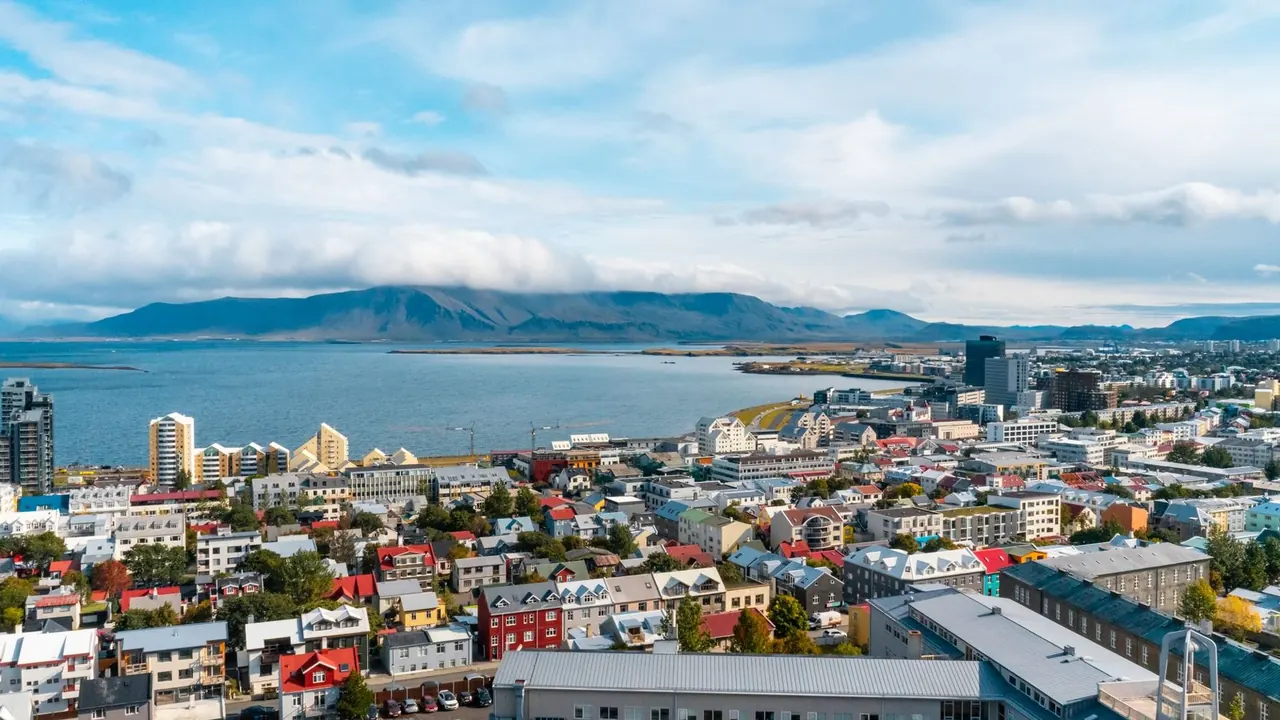
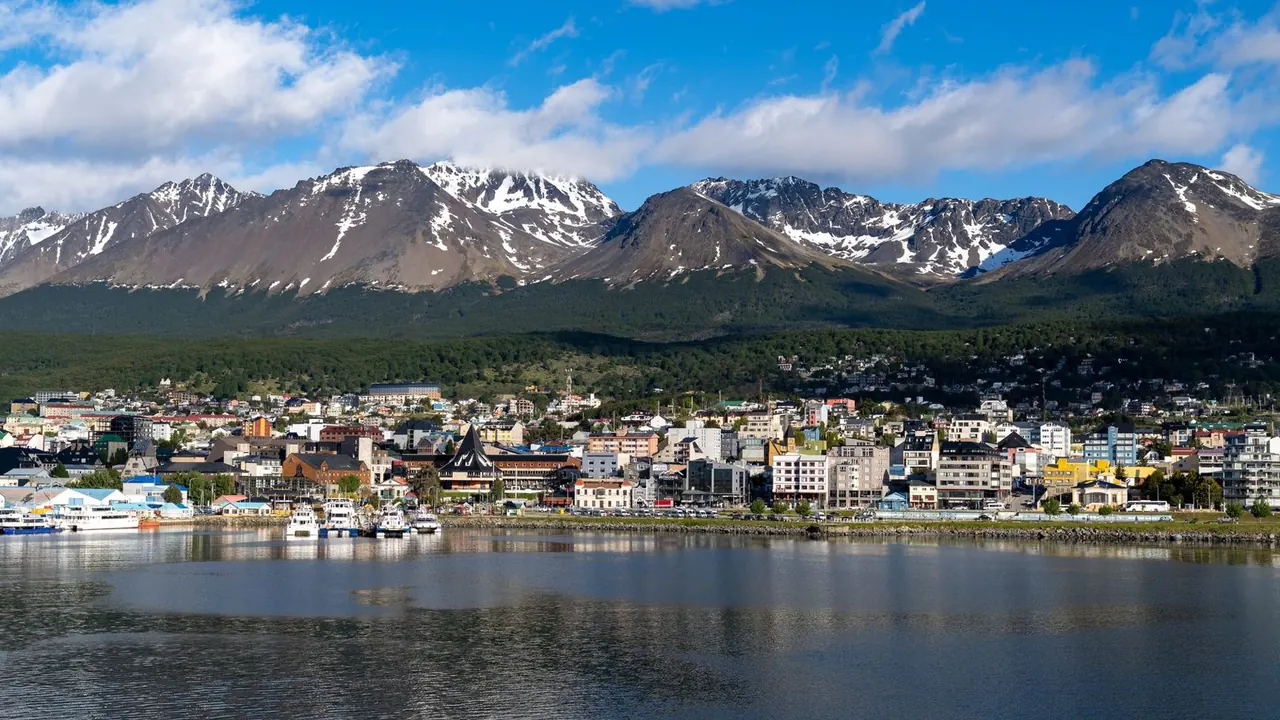
Photos: Reykjavik by Atlantic Ambience, Pexels License; Ushuaia by Jan Tang, Pexels License.
Reykjavik or Ushuaia?
Our verdict in twelve categories, each scored against the same fixed benchmark cities, and the climate month by month, so you can choose for your trip.
Choose Reykjavik for
- wellness
- live music and the arts
- nightlife
Reykjavik suits travellers who want wild landscape with a proper city to come back to. Waterfalls, geysers and lava fields lie within a couple of hours, and in the evening there are geothermal pools in every neighbourhood, concerts at Harpa and a weekend bar crawl. It also works better with children. The catch is cost, which is steep at every turn.
Choose Ushuaia for
- prices
Choose Ushuaia for the end of the world on simpler terms. Beech forest, glaciers and the Beagle Channel's sea lions and penguins start at the edge of town, and in winter the same valleys turn into ski and sledding country. Prices are high for Argentina but far gentler than Iceland's. It is a place for hikers, wildlife watchers and people bound for Antarctica, who are content with quiet evenings over king crab and a local beer.
Scoreboard
Twelve categories on one fixed scale from 0 to 100. The shaded stretch is the gap between the two.
Your match
Pick a travel style or drag the sliders, and both match scores follow your weighting.
Wins on wellness and live music and the arts with your weighting.
Wins on prices with your weighting.
What matters to you?
Category by category
What the scores mean for a trip.
Beaches & swimming
Neither city is a beach destination, but Reykjavik at least gives you a way to enjoy the shore. At Nauthólsvík, a small golden-sand cove, geothermal water warms a shallow lagoon, so you can dip into the sea and then thaw out in a hot tub. The heated outdoor pools take care of real swimming.
Ushuaia has nothing like that. The Beagle Channel stays bitterly cold all summer, the shore is rock, shingle and kelp, and the water is best seen from a boat deck.
Food & drink
Both kitchens rest on a cold sea and good lamb, and neither has much range. Reykjavik cooks cod, Arctic char and langoustine in a pared-back New Nordic style. For everyday eating there are skyr, greenhouse vegetables and harbour-side lamb hot dogs, with a fair spread of cafés, bakeries and craft-beer bars around Laugavegur.
Ushuaia's big meal is more of a feast: king crab, toothfish and whole lamb roasted on iron crosses over an open fire, eaten late in the Argentine way. Its menus repeat each other more. On the other hand, dinner there is long and unhurried, while in Reykjavik the prices push many visitors to cook for themselves.
Culture & sights
Reykjavik's sights are Nordic and largely modern, while Ushuaia's come from a harsher frontier past. In Reykjavik you climb the basalt-like tower of Hallgrímskirkja, pass the glass front of Harpa, see a Viking-age longhouse preserved under the old centre and stroll among the painted iron houses around Tjörnin.
Ushuaia's story centres on the old penal colony, whose radial cell blocks now house the Maritime Museum, with smaller museums on the Yámana people and frontier life. Either list is done in a day or two before the trip turns outward.
Nightlife
Reykjavik has a real night out, though only at weekends. On Friday and Saturday the runtur moves between small bars along Laugavegur and its side streets that turn into dance floors after midnight, and in midsummer you walk home in daylight.
In Ushuaia an evening means a late dinner and then a craft beer in a brewpub, with a casino as the main alternative. Boats and treks leave early, so few visitors stay out, and there is no club scene.
Nature & outdoors
People come to both for the landscape, and both deliver it, in different ways. Reykjavik's surroundings are volcanic and spread out: the rift at Þingvellir, the Strokkur geyser, Gullfoss and the south-coast waterfalls, glacier walks at Sólheimajökull and the steaming lava fields of Reykjanes. Most of it is an hour or two away by road.
Ushuaia's wilderness begins at the back door. There is beech forest and peat bog in Tierra del Fuego National Park, there are hikes from town to the Martial Glacier and Laguna Esmeralda, and sea lions and penguins live along the channel. Iceland has the geology, while Ushuaia has the wildlife and trails close at hand.
Day trips
Neither has many towns nearby, but Reykjavik's drives come with more history. Þingvellir, where the Viking-age parliament met from 930, the old bishopric at Skálholt, the saga country around Borgarnes and Reykholt and the merchant houses of Eyrarbakki all give a day real stopping points.
From Ushuaia, the outings are Estancia Harberton, the island's oldest ranch, a lakeside halt at Tolhuin and a boat crossing to Puerto Williams in Chile. Beyond those there is very little.
Good for families
Reykjavik is the easier city with children. The heated pools, with slides and warm shallow water even in snow, become a daily treat. Laugardalur adds farm animals and fairground rides, and Perlan's ice cave suits older children.
Ushuaia has the wildlife boats and the small steam train into the national park, both good for children. Otherwise little there is made for them, and the wind and cold make long outdoor days hard on young ones. Reykjavik's real drawback is the cost of feeding a family.
Getting around
Both centres are small enough to walk, and both need a car, a tour or a shuttle to reach the landscape outside. Reykjavik has the edge in town. Its yellow buses reach the pools and Perlan, a coach runs to Keflavík airport, and driving yourself round the Golden Circle and the south coast is common.
In Ushuaia the waterfront grid is easy to walk, but steep streets climb behind it, and the local buses are little use to visitors. Trailheads and the ski area mean taxis or shuttles, though boat trips at least leave from the central pier.
Shopping & style
Shopping fills an afternoon in either place, so the difference lies in what is worth taking home. Reykjavik has more character, with hand-knitted lopapeysa sweaters, lava-stone and fish-leather design, local records and a weekend flea market in the harbour warehouse, all at high prices.
Ushuaia's main street mostly sells penguin souvenirs, chocolate and outdoor gear. The island's special tax regime makes some goods cheaper than elsewhere in Argentina.
Affordability
Ushuaia is the cheaper of the two by a wide margin. It is pricey for Argentina, and excursions, park entry and taxis to trailheads add up. Still, casual meals and hostels stay reasonable, and rooms ease outside the peak summer months.
Reykjavik is expensive at every turn. Even simple guesthouses cost more than rooms in most European capitals, a plain meal is priced like a smart dinner elsewhere, and drink, tours and car hire all cost a lot. Cheap pools, bakeries and self-catering help only so far.
Live music & performing arts
Reykjavik has a real programme to plan around. The Iceland Symphony Orchestra plays at Harpa, which also stages opera, and the theatres run full seasons, mostly in Icelandic. Alternative and electronic bands play small venues most weekends, Iceland Airwaves fills them in late autumn, and the Reykjavik Arts Festival comes in spring.
Ushuaia has a cultural centre with occasional concerts and the odd pub band, and nothing regular beyond that.
Wellness & relaxation
This is where the two cities differ most. Reykjavik is built around hot water. Every district has its outdoor pool with hot tubs, a cold plunge and often a steam room, Vesturbæjarlaug is where the west end meets, and natural springs lie along the Golden Circle.
Ushuaia has no bathing tradition. Rest there means a hotel spa in the forest above town, or simply a long walk followed by an afternoon at a window watching the weather move over the mountains.
When should you go?
Pick your month. The climate figures are measured averages, not a forecast.
Reykjavik in July
Ushuaia in July
Daytime high, °C
Rainfall in the month, mm
Temperature and rainfall are climate normals, averaged over the years shown. Reykjavik: 1991-2020 normals, Reykjavik (2.3 km from centre). Ushuaia: 1991-2020 normals, Ushuaia Aerodrome (1 km from centre).
Reykjavik is at its best from May to August, when the days are long and bright. May to July are the driest stretch of the year, and July highs reach about 15°C. That is fine for walking but never beach weather, and the sea peaks at about 11°C. Rain picks up again from August, and by December the city gets 97mm and barely any sun. Dark, wet, cold afternoons keep walks around town short.
Ushuaia runs on the opposite calendar. December to February is its summer, with highs around 14°C and the most sunshine, and that is when to hike and take boats on the channel. Rain is light and spread evenly through the year, so no month is a washout. In June and July, though, highs sit at about 4°C, too cold for lingering in the streets but right for snow. The two cities have their summers six months apart, so the month you can travel may settle the choice.
Which traveller are you?
On a relaxing and wellness trip, Reykjavik is far ahead. Soaking in geothermal hot tubs is a daily local habit, in sleet or snow, and the Blue Lagoon sits on the airport road. Ushuaia offers only hotel spas and quiet views.
On a tight budget, Ushuaia is the realistic choice. Tours and rooms cost more there than elsewhere in Argentina, but casual meals and hostels stay reasonable. Reykjavik charges heavily for beds, meals, drink and car hire, and cheap pools and supermarkets only soften that.
For skiers, Ushuaia has something Reykjavik does not. In the southern winter there is downhill skiing at Cerro Castor, near town, with cross-country trails and dog-sledding in the valleys. Reykjavik's winter offers ice caves, snowmobiling and the northern lights, but no ski trip.
Before you go
| Measure | Reykjavik | Ushuaia |
|---|---|---|
| Official language | Icelandic | Spanish |
| Currency | Iceland Krona (ISK) | Argentine Peso (ARS) |
| Sockets | CF230 V, 50 Hz | CI220 V, 50 Hz |
| Driving side | Right | Left |
| Time zone | UTC | UTC-3 |
| Emergency number | 112 | 117 or 911 |
| Elevation | 8 m | 23 m |
| Main airport | Keflavik International Airport (KEF)37 km from centre88 non-stop destinations | Ushuaia - Malvinas Argentinas International Airport (USH)4 km from centre9 non-stop destinations |
| Public holidays this year | 16 days | 16 days |
By the numbers
| Measure | Reykjavik | Ushuaia |
|---|---|---|
| City population | 138,772 | 82,615 |
| People per km² | 569 | 3,592 |
| Museums within 10 km | 23 | 5 |
| UNESCO World Heritage sites within 50 km | 1 | 0 |
| Swim season, months above 21 °C | None | - |
Where else could you go?
Every comparison below shares a destination with this one, so you can follow Reykjavik or Ushuaia somewhere new.