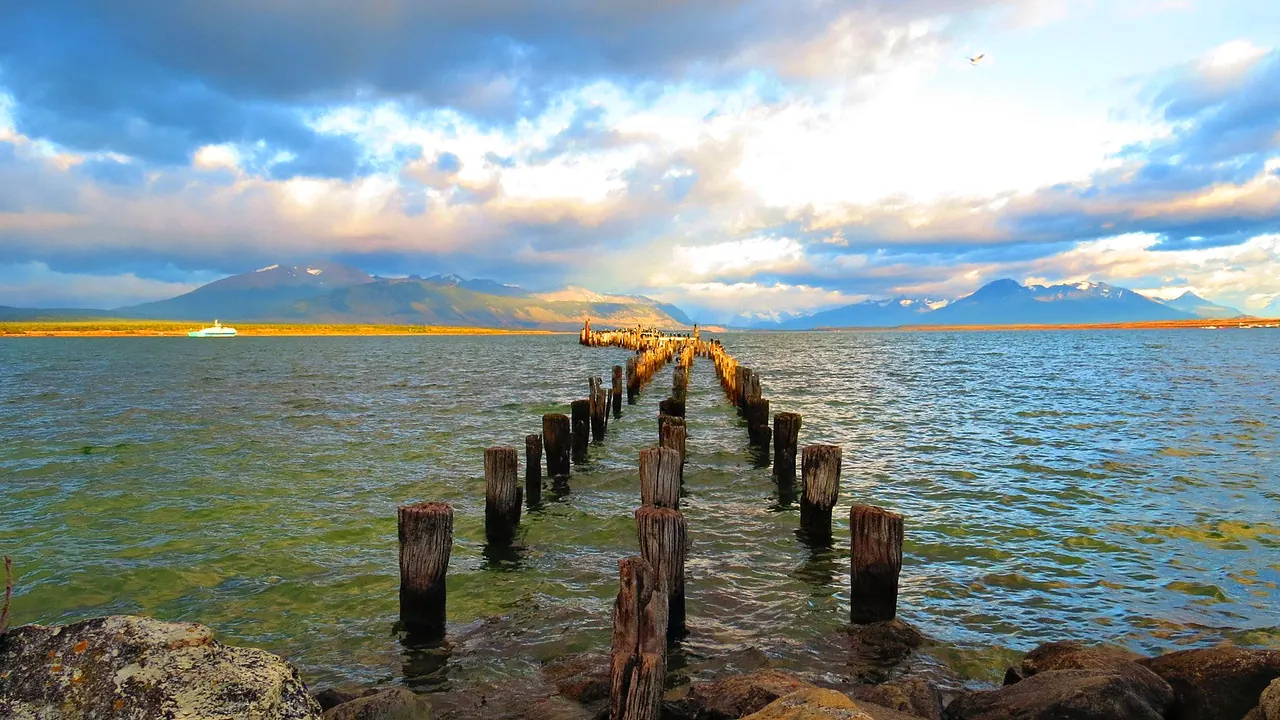
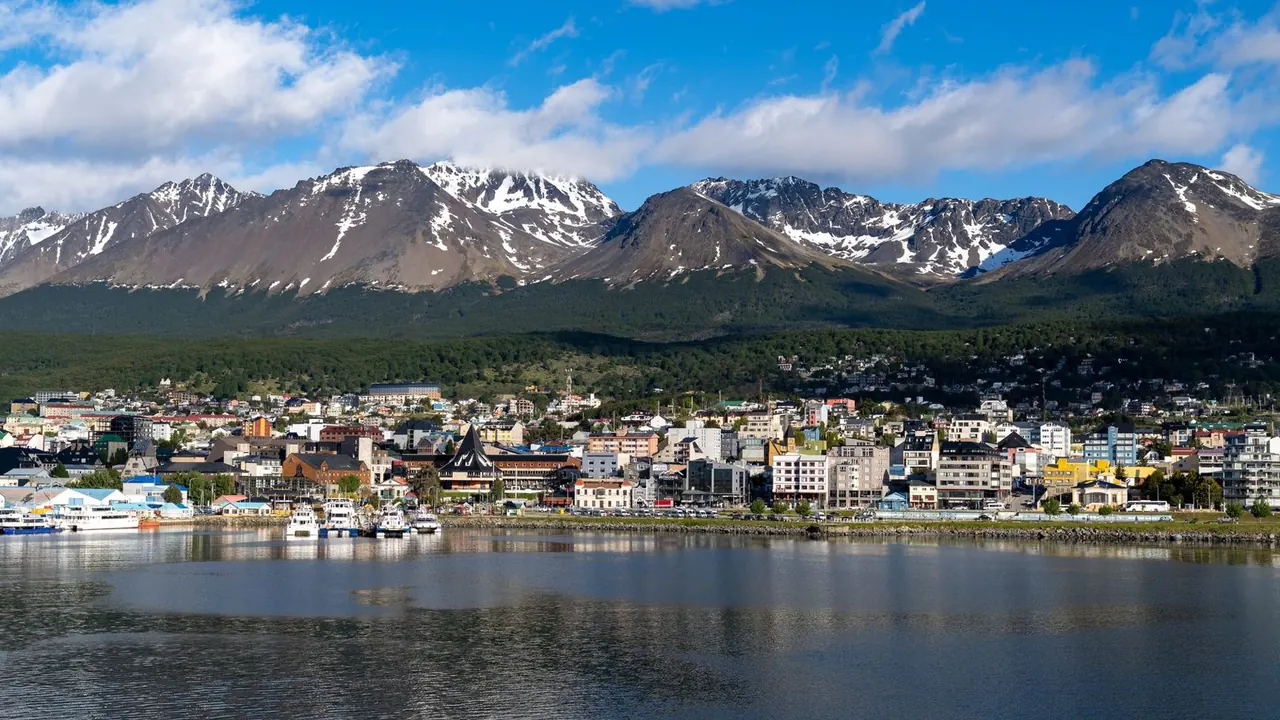
Photos: Puerto Natales by Rosario Nieto Chadwick, CC BY 3.0, cropped; Ushuaia by Jan Tang, Pexels License.
Puerto Natales or Ushuaia?
Our verdict in twelve categories, each scored against the same fixed benchmark cities, and the climate month by month, so you can choose for your trip.
Choose Puerto Natales for
- nature and the outdoors
Puerto Natales suits the trekker who has one goal: Torres del Paine. The town is a quiet, practical base of gear shops, hearty dinners and early nights, and its point is the morning bus to the granite towers, the W or O circuit and the glacier boats up the fjords. If you are planning several days on the trail and care little about what the town offers in the evening, this is the better choice.
Choose Ushuaia for
- prices
- food and drink
- culture and sights
Ushuaia works better for a rounded stay at the end of the world. The mountains and the Beagle Channel start at the edge of town, so you can walk to a glacier one day, watch sea lions from a boat the next, and spend an evening over king crab after a morning in the old prison museum. Getting around is easier, costs are somewhat lower, families have more to do, and in winter there is skiing, so it suits a wider range of travellers and seasons.
Scoreboard
Twelve categories on one fixed scale from 0 to 100. The shaded stretch is the gap between the two.
Your match
Pick a travel style or drag the sliders, and both match scores follow your weighting.
Wins on nature and the outdoors with your weighting.
Wins on prices and food and drink with your weighting.
What matters to you?
Category by category
What the scores mean for a trip.
Beaches & swimming
Both sit on cold southern water and neither is a place to swim. The difference is in what you do by the shore instead. In Puerto Natales the gravel waterfront of Última Esperanza Sound is for walks in the wind, and a hotel pool is the only dip on offer. In Ushuaia the rocky, kelp-strewn edge of the Beagle Channel is best seen from a boat deck, and anyone who goes in is doing a polar plunge.
Food & drink
Ushuaia eats a little better. Centolla is its signature, served in several ways, alongside toothfish, channel mussels and lamb on the iron cross, and its centre has more seafood restaurants and parrillas, with long Argentine dinners to linger over.
Puerto Natales shares the lamb and king crab but has a shorter list of restaurants, mostly aimed at trekkers. Its own strengths are local craft beer and Chilean wine, and many places cut back or close in winter.
Culture & sights
Ushuaia has the one sight worth planning around: the early twentieth-century prison, now the Maritime Museum, with its radial cell blocks and displays on Antarctic exploration. Smaller museums on the Yámana and the frontier fill out a day.
Puerto Natales offers less: brightly painted timber and corrugated-iron streets, a small municipal museum and the Bories cold-storage plant just outside town. An afternoon covers it.
Nightlife
Neither town has clubs, but Ushuaia stays up later. Argentine dining hours push the evening on, and there are brewpubs, a casino and the odd late bar. Puerto Natales winds down well before midnight, with a craft beer and trail stories in a few pubs in summer, and very little at all in winter.
Nature & outdoors
Both are outstanding, and the difference lies in scale and reach. Puerto Natales is the base for Torres del Paine, about two hours away, with granite towers, the Cuernos, glaciers off the Southern Ice Field and pumas on the steppe, plus boats from the pier to the Balmaceda and Serrano glaciers. It rewards multi-day treks, but the season is October to April.
Ushuaia's wild country begins behind the houses: beech forest and peat bogs in Tierra del Fuego National Park, hikes to the Martial Glacier and Laguna Esmeralda, and sea lion and penguin colonies along the channel. It also works in winter, with skiing at Cerro Castor and dog-sledding, and is the port for Antarctic voyages.
Day trips
In both places the excursions are into landscape, and neither has much in the way of other towns nearby. Ushuaia has slightly more human interest within reach: Estancia Harberton with its marine mammal museum, lakeside Tolhuin on the way to Lago Fagnano, and a boat across to Puerto Williams. From Puerto Natales the choice is the Bories plant and the Milodón Cave, with Punta Arenas and El Calafate too far for a comfortable day out.
Good for families
Ushuaia gives children more. Sea lions and penguins from a boat, the little steam train along the old convict railway and snow to play in during winter are easy wins, and the park is close by.
Puerto Natales has the life-size giant sloth at the Milodón Cave and guanacos and flamingos on the road to the park, but its main draw means long drives and tough trails in a draining wind. It suits active families with older children, not toddlers.
Getting around
Both centres are compact grids you can cross on foot, though Ushuaia's streets climb steeply and can be icy in winter. The gap is in reaching the outdoors. From Ushuaia the national park, glacier trailhead and ski area are short trips by shuttle, taxi or tour, and boats leave from the town pier.
From Puerto Natales the park is a long coach ride, seeing more than one corner in a day needs a tour or a hire car on windy gravel roads, and buses grow sparse outside the season.
Shopping & style
Ushuaia has a little more to browse along its main street, with chocolate, wool, penguin souvenirs and outdoor shops, and Tierra del Fuego's tax regime makes some goods cheaper than elsewhere in Argentina. Puerto Natales is more strictly practical: gear and supermarkets for the trail, plus some sheep's wool knitwear, sheepskin and lapis lazuli jewellery.
Affordability
Neither is cheap for its country, but Ushuaia is the easier on the wallet. Casual meals and hostels stay reasonable there, and visiting in spring or autumn brings room costs down.
Puerto Natales costs more day to day because nearly everything is trucked or flown in, rooms are scarce in summer, and the Torres del Paine extras of park entry, transfers, guided tours and refugio nights mount up fast. Self-catering and booking early are the main savings.
Live music & performing arts
Ushuaia at least has a cultural centre with occasional concerts and local productions, plus some live music in pubs. In Puerto Natales there is nothing regular at all, only a guitarist or folk band now and then and traditional dance at local festivals. Neither is a place to plan evenings around a performance.
Wellness & relaxation
Both offer rest rather than a spa culture, and the setting does most of the work. In Puerto Natales the comfort is a sauna or hot tub at an upscale lodge on the sound after a day on the trail. In Ushuaia it is a hotel spa in the forest above town with views over the channel, and a quiet afternoon at the window once the cruise passengers have left.
When should you go?
Pick your month. The climate figures are measured averages, not a forecast.
Puerto Natales in July
Ushuaia in July
Daytime high, °C
Rainfall in the month, mm
Where the figures come from
Puerto Natales has no weather station within reach, so its figures come from a gridded climate model rather than a measured record, and read a broad area rather than the city itself.
Temperature and rainfall are climate normals, averaged over the years shown. Puerto Natales: 1991-2020 normals, TerraClimate 4 km grid at the town, no weather station within 90 km. Ushuaia: 1991-2020 normals, Ushuaia Aerodrome (1 km from centre).
Neither town is ever warm enough for a beach, so the question is when walking and trekking are most comfortable. Both are at their best from December to March. Puerto Natales is the milder and drier of the two, with summer highs around 17°C and rarely much rain in any month, though the wind is the real test. Ushuaia peaks a little cooler at about 14°C, sees steadier rain through the year, and gets its longest sunny spells from October to January.
From May to August both turn cold, with Ushuaia dropping to around 4°C at midday. That is a dead season for Puerto Natales, where park access shrinks and buses thin out, but in Ushuaia the snow brings skiing and dog-sledding, so a winter trip only makes sense there. Spring and autumn are cool but workable in both, and a little drier in Puerto Natales.
Which traveller are you?
On an outdoors trip built around several days on the trail, choose Puerto Natales. The whole town exists to send trekkers into Torres del Paine, and nothing near Ushuaia matches its scale. Ushuaia suits shorter walks and outings by boat.
On a family trip with children, Puerto Natales only works if they are older and already enjoy long, windy days outdoors. Ushuaia is the easier choice for younger ones, with short outings and wildlife that needs no long walk.
For a trip on a tight budget, Puerto Natales makes money hard to stretch, because the trek most people come for is expensive in itself. Ushuaia goes further, and some of its best walks begin on foot from town.
Before you go
| Measure | Puerto Natales | Ushuaia |
|---|---|---|
| Official language | Spanish | Spanish |
| Currency | Chilean Peso (CLP) | Argentine Peso (ARS) |
| Sockets | CL220 V, 50 Hz | CI220 V, 50 Hz |
| Driving side | Right | Left |
| Time zone | UTC-3 | UTC-3 |
| Emergency number | Police 133/134, ambulance 131, fire 132 | 117 or 911 |
| Elevation | 3 m | 23 m |
| Main airport | President Carlos Ibáñez International Airport (PUQ)181 km from centre7 non-stop destinations | Ushuaia - Malvinas Argentinas International Airport (USH)4 km from centre6 non-stop destinations |
| Public holidays this year | 16 days | 16 days |
By the numbers
| Measure | Puerto Natales | Ushuaia |
|---|---|---|
| City population | 21,477 | 82,615 |
| People per km² | - | 3,592 |
| Museums within 10 km | 0 | 5 |
| UNESCO World Heritage sites within 50 km | 0 | 0 |
Where else could you go?
Every comparison below shares a destination with this one, so you can follow Puerto Natales or Ushuaia somewhere new.
- El Calafatevs Puerto Natales
- El Calafatevs Ushuaia
- Barilochevs Puerto Natales
- Barilochevs Ushuaia
- Santiagovs Puerto Natales
- Buenos Airesvs Ushuaia