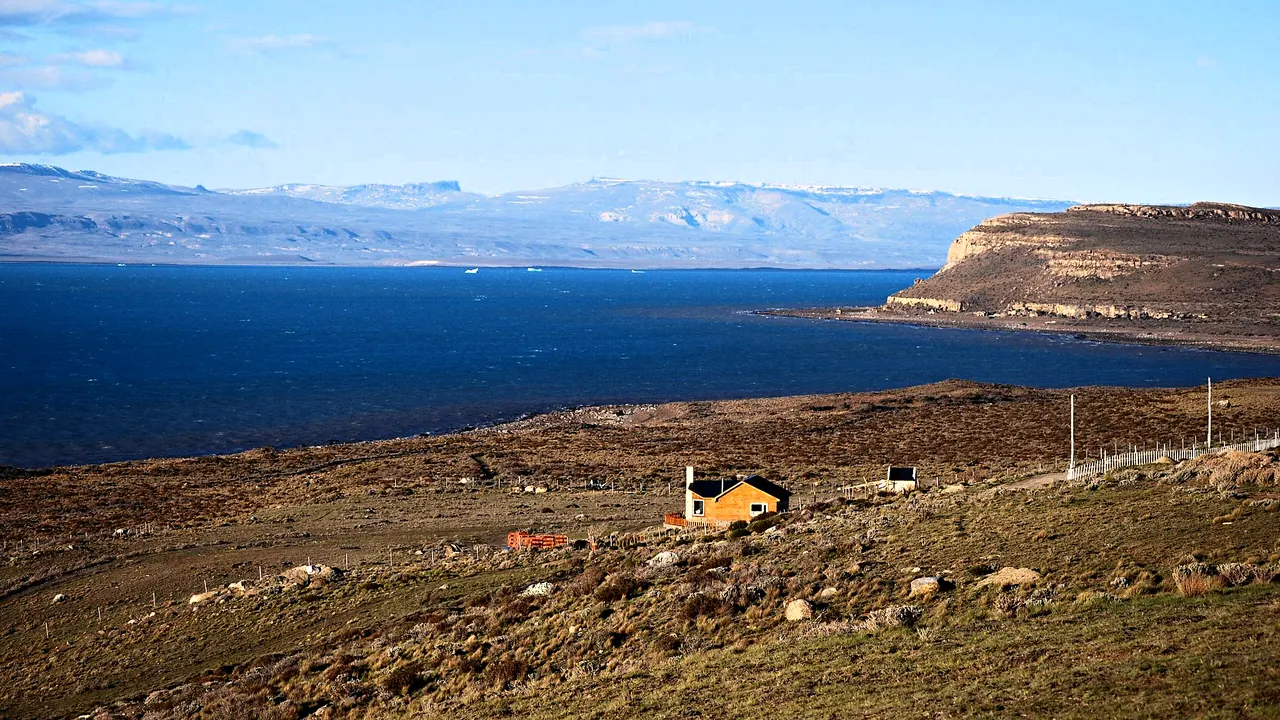
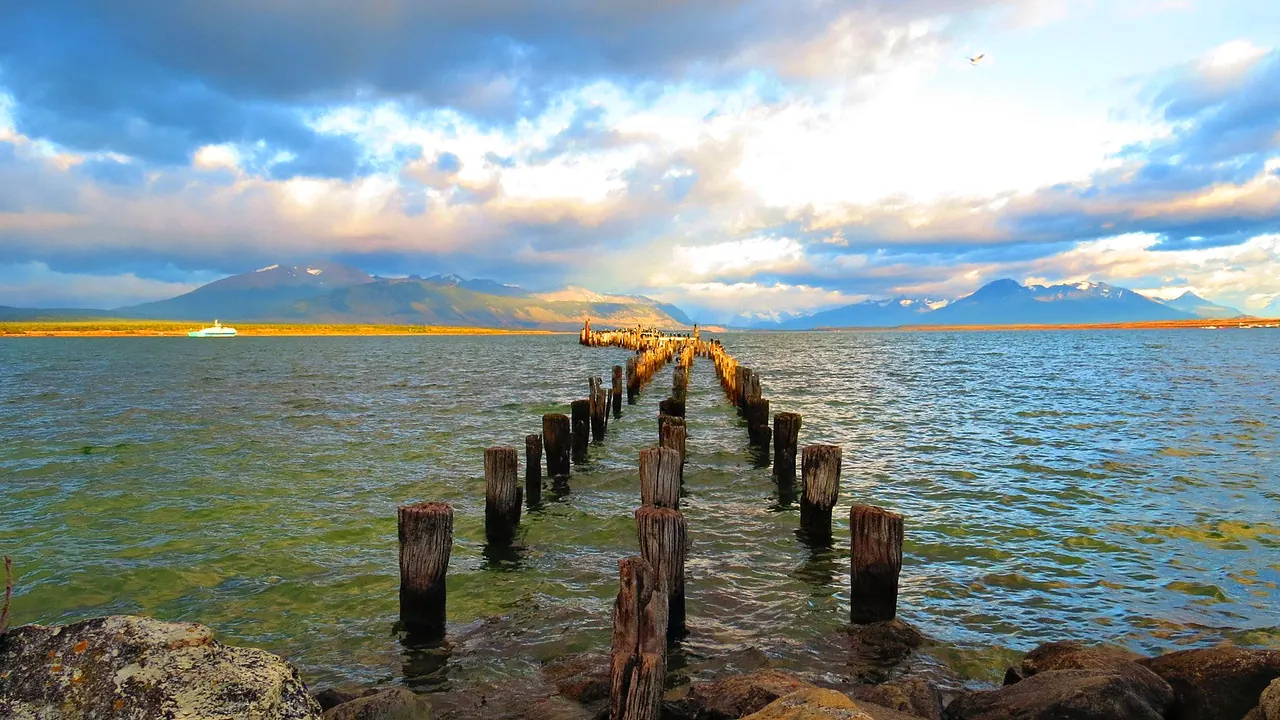
Photos: El Calafate by Pavel Špindler, CC BY 3.0, cropped; Puerto Natales by Rosario Nieto Chadwick, CC BY 3.0, cropped.
El Calafate or Puerto Natales?
Our verdict in twelve categories, each scored against the same fixed benchmark cities, and the climate month by month, so you can choose for your trip.
Choose El Calafate for
- prices
- families
- wellness
El Calafate is the better choice if the ice itself is the reason for going. Perito Moreno can be seen from solid walkways, walked on in crampons or approached by boat, so it works for a wide range of fitness levels and ages. The town is a little kinder to families and to budgets, and its drier, sunnier summer suits travellers who want big sights without many days on foot.
Choose Puerto Natales for
- nature and the outdoors
- nightlife
Puerto Natales belongs to walkers. It is the base for Torres del Paine, where the W and O treks, granite towers and puma country on the steppe reward people who want to spend days on the trail and return to a pint of local beer and a hot tub. Expect to pay more and to be rained on more often, in exchange for some of the finest mountain hiking in South America.
Scoreboard
Twelve categories on one fixed scale from 0 to 100. The shaded stretch is the gap between the two.
Your match
Pick a travel style or drag the sliders, and both match scores follow your weighting.
Wins on prices and families with your weighting.
Wins on nature and the outdoors and nightlife with your weighting.
What matters to you?
Category by category
What the scores mean for a trip.
Beaches & swimming
Neither town is a place to swim, and the difference is only in the kind of cold water. El Calafate looks out on glacier-fed Lago Argentino, while Puerto Natales faces the Última Esperanza Sound, a fjord with a gravel and rock shoreline. Either way, the waterfront is for a windy walk, and a hotel pool is the only realistic swim.
Food & drink
Both towns cook the same signature dish, Patagonian lamb roasted on iron crosses over an open fire, so the difference lies in what surrounds it. El Calafate leans towards Argentine grills along its main avenue, with Malbec on the table and calafate berry in desserts and liqueurs, and an estancia lunch in the countryside is often the highlight.
Puerto Natales puts more cold-water seafood from the southern channels on the menu, pours its own craft beers alongside Chilean wine, and has a handful of trekker-focused places with more ambition than its size suggests. Many of them cut back or close in winter.
Culture & sights
Sightseeing in both towns takes an afternoon. El Calafate's offer is mostly about understanding the ice, with the Glaciarium as its centrepiece, plus Tehuelche rock paintings at the Walichu caves. Puerto Natales has more character in its streets, with colourful timber and corrugated-iron houses, and in the old Bories cold-storage plant, a national monument to the wool and mutton trade.
Nightlife
Both are early-to-bed towns, where dinner is the evening's main event. El Calafate adds a small casino and a few pubs on the main avenue that stay open late in high summer. Puerto Natales feels a little more sociable, with trekkers fresh off the trail comparing routes over the town's own craft beer, though neither has a club.
Nature & outdoors
These are two of Patagonia's great gateways, and the choice comes down to ice or mountains. From El Calafate, the draw is Perito Moreno, a wall of blue ice you can watch from walkways, cross in crampons or approach by boat, with longer lake cruises to the Upsala and Spegazzini glaciers. The wide, dry steppe and Laguna Nimez's waterbirds complete the picture, but serious trekking means the long trip to Fitz Roy.
Puerto Natales has a slight edge for those who want to walk. Torres del Paine's granite towers, the Cuernos, turquoise lakes and puma country lie about two hours away, with the W and O treks, iceberg kayaking and day hikes. Boats from the town pier also reach the Balmaceda and Serrano glaciers, so ice is part of the trip here too.
Day trips
The best half-day out of El Calafate is a working sheep estancia, some of them reached by boat across Lago Argentino, where shearing sheds and pioneer houses come with a lamb lunch. Puerto Natales has the Milodón Cave, where the remains of a giant ground sloth were found, a short drive into the hills.
The next places worth seeing are too far for a return trip in a day. El Chalten is about three hours from El Calafate, and Punta Arenas about three hours from Puerto Natales. The journey between the two towns takes longer still once you add the border crossing. Plan each of these as a stay of its own rather than an outing.
Good for families
El Calafate is noticeably easier with children. The Perito Moreno walkways bring the falling ice close without a demanding hike, and the Glaciarium, Laguna Nimez and an estancia with horses and sheep give gentler days in between. Long bus rides, raw wind and age limits on glacier treks still argue for a short stay.
Puerto Natales asks more of young legs. The life-size sloth at the Milodón Cave and guanacos and rheas along the park road are good fun, but the main attraction means long drives and tough trails, so it suits active families with older children.
Getting around
Both have a small centre you can cross on foot in minutes, and in both the real sights are a long road journey away on gravel. El Calafate's main trip is simpler, as scheduled buses and tours run to one glacier, with boats from a port along the lake. Torres del Paine is larger and more fragmented, with coaches to the entrances and a catamaran and shuttles inside, so a hire car or tour matters more in Puerto Natales, especially when off-season buses thin out.
Shopping & style
El Calafate's main avenue is the better place to browse. It mixes outdoor clothing with sheepskin, leather, mate gourds, regional chocolate and calafate berry jams, and there is a small crafts market of Patagonian handiwork. In Puerto Natales, shopping is mostly about getting ready for the trail, with gear shops and supermarkets. A few craft shops there sell wool knitwear and lapis lazuli jewellery, a stone strongly associated with Chile. In both towns you will find souvenirs and spare fleeces, but nothing worth planning a trip around.
Affordability
Neither is cheap, but El Calafate is the easier of the two on the wallet. Its main cost is the excursions, from park entry to glacier treks and cruises, while parrilla meals and simple guesthouses stay reasonable and hostels are easy to find.
Puerto Natales costs more across the board. Groceries and restaurant meals carry the price of being trucked to the end of Chile, summer rooms are scarce, and Torres del Paine adds transfers, guided tours and refugio or campsite nights. Self-catering and booking well ahead make the biggest difference.
Live music & performing arts
There is nothing in either town to plan an evening around. At most you might hear a folk guitarist over an estancia dinner near El Calafate, or catch traditional Chilean dance if a local festival coincides with your stay in Puerto Natales.
Wellness & relaxation
El Calafate is slightly better for unwinding. Its lodges offer pools, saunas and lake views, and a glacier day spent on walkways leaves energy for a slow evening under wide skies, though early starts still take some of the ease away.
In Puerto Natales, relaxation is a reward for effort, such as a hot tub or sauna at an upscale lodge on the sound after a long day on the trail. The calm of the fjord at dusk is real, but the town is built around exertion rather than rest.
When should you go?
Pick your month. The climate figures are measured averages, not a forecast.
El Calafate in July
Puerto Natales in July
Daytime high, °C
Rainfall in the month, mm
Where the figures come from
Puerto Natales has no weather station within reach, so its figures come from a gridded climate model rather than a measured record, and read a broad area rather than the city itself.
Temperature and rainfall are climate normals, averaged over the years shown. El Calafate: 1991-2020 (sunshine 1981-2010, rainfall 1981-2010) normals, El Calafate Aero / Charles Fuhr (16.9 km from centre). Puerto Natales: 1991-2020 normals, TerraClimate 4 km grid at the town, no weather station within 90 km.
The season for both towns runs from about November to March, and neither ever gets warm enough for a beach day. El Calafate is the warmer and brighter of the two, with highs around 19°C in January and long, sunny days, and it stays very dry through late spring and midsummer. Puerto Natales peaks a couple of degrees lower and is wetter in almost every month, with its heaviest rain in March at around 47mm. Only in August does El Calafate get slightly more rain than Puerto Natales.
Autumn cools both towns quickly. By May, highs have dropped to around 10°C or below. That is fine for a brisk walk, but the days are short. June and July are the depths of winter, with highs of only 5 to 6°C and many excursions cut back. Outside high summer, the dry, sunny weeks of October and November favour El Calafate. In Puerto Natales, April is a fair choice, as the rain eases after its March peak and the real cold has not yet set in.
Which traveller are you?
On a family trip with young children, El Calafate is the easier choice. The glacier walkways let small children watch ice fall without a hard hike, and the Glaciarium, flamingos at Laguna Nimez and an estancia with horses fill the gaps between outings.
For a trip on a tight budget, El Calafate also works out kinder. Excursions still add up, but parrillas and simple guesthouses are manageable, whereas Puerto Natales charges more for food and rooms and adds park transfers and refugio nights.
On an outdoors trip built around hiking, Puerto Natales comes out ahead. Torres del Paine offers multi-day routes, kayaking among icebergs and wildlife on the steppe, while El Calafate's strength is glacier ice and its best trekking lies hours away at El Chalten.
Before you go
| Measure | El Calafate | Puerto Natales |
|---|---|---|
| Official language | Spanish | Spanish |
| Currency | Argentine Peso (ARS) | Chilean Peso (CLP) |
| Sockets | CI220 V, 50 Hz | CL220 V, 50 Hz |
| Driving side | Left | Right |
| Time zone | UTC-3 | UTC-3 |
| Emergency number | 117 or 911 | Police 133/134, ambulance 131, fire 132 |
| Elevation | 199 m | 3 m |
| Main airport | El Calafate - Commander Armando Tola International Airport (FTE)16 km from centre9 non-stop destinations | President Carlos Ibáñez International Airport (PUQ)181 km from centre7 non-stop destinations |
| Public holidays this year | 16 days | 16 days |
By the numbers
| Measure | El Calafate | Puerto Natales |
|---|---|---|
| City population | 22,844 | 21,477 |
| People per km² | 998 | - |
| Museums within 10 km | 1 | 0 |
| UNESCO World Heritage sites within 50 km | 0 | 0 |
Where else could you go?
Every comparison below shares a destination with this one, so you can follow El Calafate or Puerto Natales somewhere new.
- Ushuaiavs Puerto Natales
- Ushuaiavs El Calafate
- Barilochevs El Calafate
- Barilochevs Puerto Natales
- Mendozavs El Calafate
- Santiagovs Puerto Natales