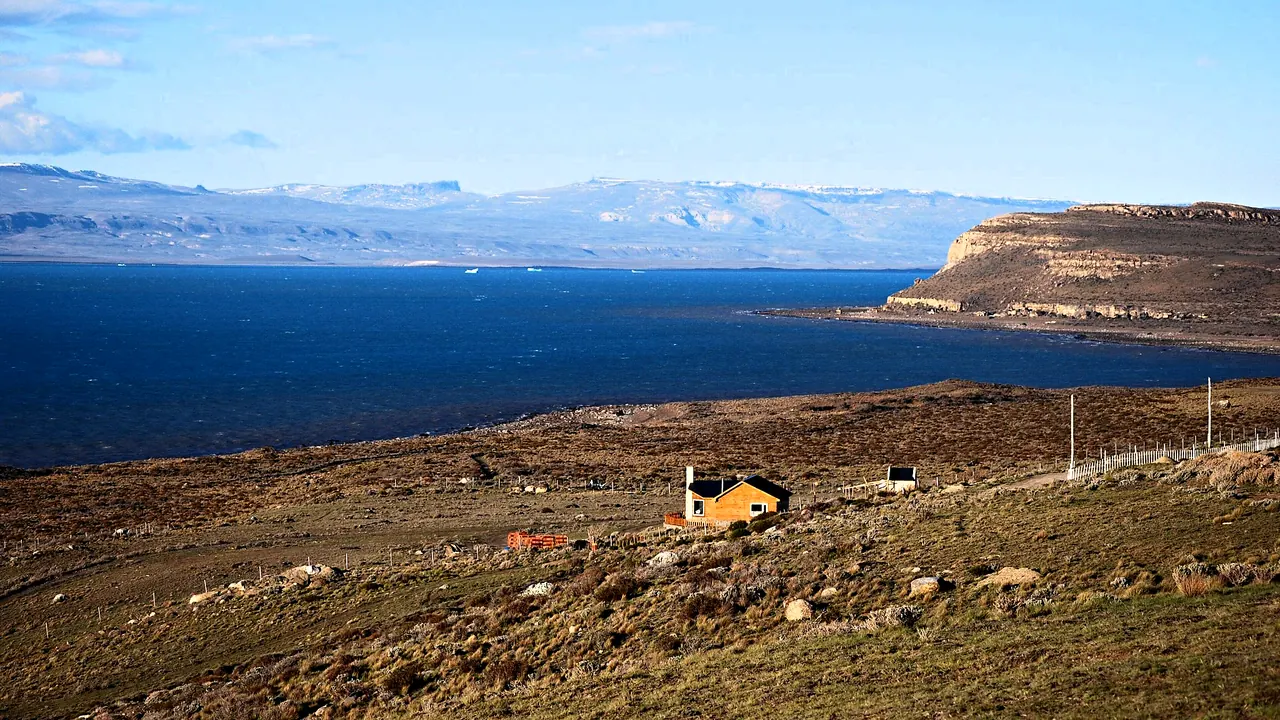
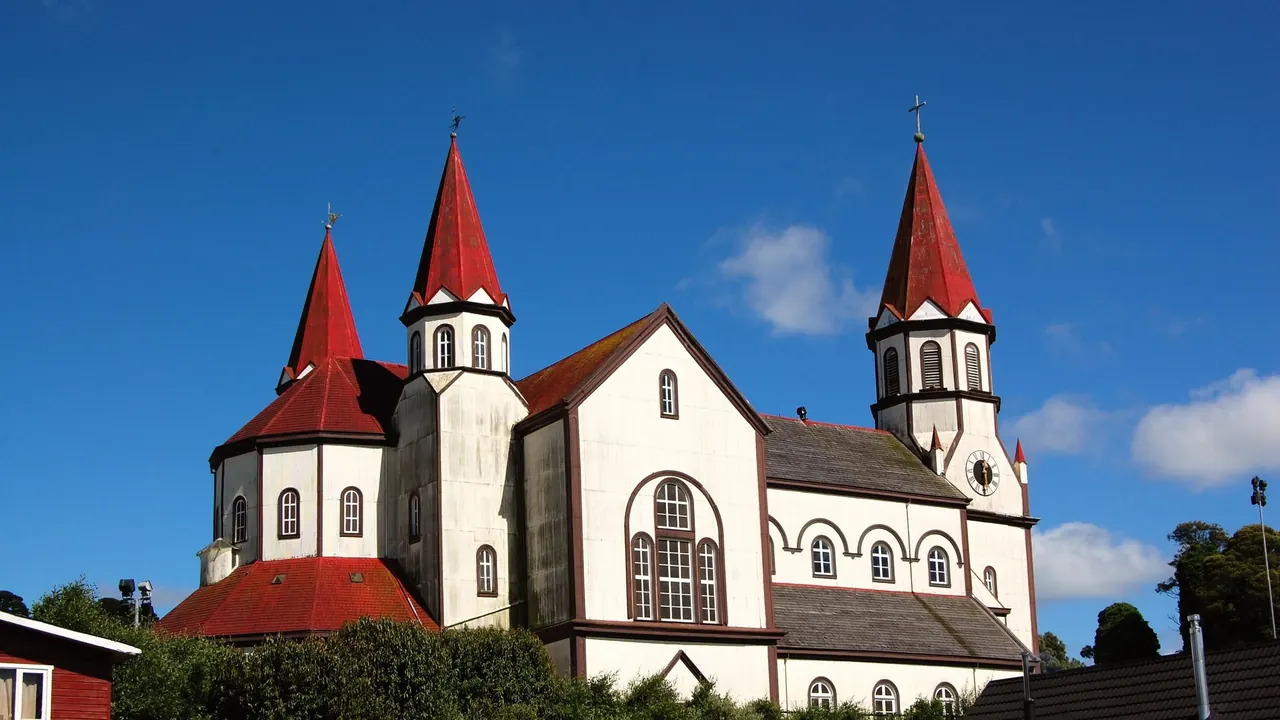
Photos: El Calafate by Pavel Špindler, CC BY 3.0, cropped; Puerto Varas by Guillermo Villegas B., CC BY-SA 3.0, cropped.
El Calafate or Puerto Varas?
Our verdict in twelve categories, each scored against the same fixed benchmark cities, and the climate month by month, so you can choose for your trip.
Choose El Calafate for
- nature and the outdoors
El Calafate is for travellers whose trip is about one thing: the Patagonian ice. Perito Moreno, the lake cruises to other glaciers and the dry, sunny summers make a focused stay of a few days worthwhile, especially as one stop on a longer journey through Argentine Patagonia. Expect early starts, simple evenings and little to do in town once the day's excursion is over.
Choose Puerto Varas for
- day trips
- beaches
- live music and the arts
Choose Puerto Varas if you want a base with more variety around it. Its volcano and lake scenery is as grand as El Calafate's ice, and around it you have rafting, rainforest hot springs, concerts at Frutillar and the island churches of Chiloé. That makes it the better choice for a longer, mixed stay, as long as you can put up with a good deal of rain.
Scoreboard
Twelve categories on one fixed scale from 0 to 100. The shaded stretch is the gap between the two.
Your match
Pick a travel style or drag the sliders, and both match scores follow your weighting.
Wins on nature and the outdoors with your weighting.
Wins on day trips and beaches with your weighting.
What matters to you?
Category by category
What the scores mean for a trip.
Beaches & swimming
Neither is a beach destination, but Puerto Varas at least lets you swim. On warm summer afternoons its town beach and the black-sand shores at Frutillar and Ensenada fill with families, and the lake water is clean, if cool.
El Calafate has nothing like this. Lago Argentino is fed by glaciers and stays too cold for swimming, and the wind makes the shore an unpleasant place to sit, so a hotel pool is the only place to swim.
Food & drink
Both towns roast lamb over open fire, but in El Calafate that is nearly the whole story. Its grill houses turn out lamb and beef for diners back from the glacier, and lake trout and southern king crab are the main alternatives. The local berry adds a sweet note in jams and ice cream. If grilled meat is not what you want, a few days here start to feel repetitive.
Puerto Varas gives you far more variety. The German settlers' baking survives in afternoon kuchen made with raspberries and murta, and the southern coast supplies smoked salmon, mussels and curanto, a Chiloé dish cooked over hot stones. Its restaurants by the lake range from pubs to ambitious Patagonian cooking, though many of them close or scale back outside summer. For the freshest shellfish, the market stalls at Angelmó in Puerto Montt are a short drive away.
Culture & sights
The real difference here is historic fabric, and only one of the two towns has any. El Calafate is a young town that grew up to serve the national park. Its sights are the Glaciarium, a small museum on Tehuelche life and pioneer sheep farming, and the rock paintings in the Walichu caves, which give useful background to the ice but are not reasons to come.
Puerto Varas owes its character to the German families who settled the lake in the nineteenth century. Their shingled timber houses with steep roofs, and the wooden Sagrado Corazón church modelled on one in the Black Forest, make a pleasant morning's walk. Frutillar, further along the shore, tells the fuller story of the colonisation.
Nightlife
Evenings in both are built around a long dinner and a local beer, and both towns have a small casino. Puerto Varas has a little more going on: a few lakefront bars stay busy late in January and February, and Puerto Montt is twenty minutes away if you want more. In El Calafate, early glacier departures mean the town is usually quiet soon after dinner.
Nature & outdoors
Both are landscape destinations above all, and what differs is the kind of landscape. El Calafate is about ice: the 70-metre blue wall of Perito Moreno, crampon treks on its surface and cruises to Upsala and Spegazzini, set in dry, windswept steppe with the Andes on the horizon. Its season is short, and the best trekking is three hours away near Mount Fitz Roy.
Puerto Varas is volcanic and green. You have Osorno's snow cone above Lake Llanquihue, the turquoise falls of the Petrohué, Lago Todos los Santos and the rainforest of Cochamó and Alerce Andino. There is more to do, from rafting and canyoning to skiing in winter, but rain and cloud can hide the views for days.
Day trips
Day trips are where Puerto Varas pulls far ahead. Frutillar, with its open-air settler museum and its concert hall over the lake, is half an hour away, and Puerto Octay and the harbour at Puerto Montt are close too. A short ferry crossing brings the old Spanish fort at Ancud on Chiloé within about two hours, and the island's wooden churches are worth staying the night for.
From El Calafate, nearly every outing goes to scenery rather than to another town. The sheep estancias are the exception, some reached by boat across Lago Argentino, with old shearing sheds and a lamb lunch. El Chalten is better treated as a stay of its own.
Good for families
Both are small, calm and safe, and neither has attractions built for children, so the outdoors has to keep them busy. El Calafate's best card is the glacier walkways, where falling ice holds even young children's attention, along with horses and sheep at an estancia. The drawbacks are long bus rides, a raw wind and minimum ages for the ice treks.
Puerto Varas offers a wider spread of easy outings: lake beaches on warm days, boat trips on Todos los Santos and short trails to the Petrohué falls, in a town full of Chilean families in summer. Rain is the main risk, so a car and fine weather help.
Getting around
Both centres are easy to walk: El Calafate along one long avenue, Puerto Varas across a few streets, some of them steep. The difference is what lies outside town. Minibuses run from Puerto Varas to Puerto Montt, Frutillar, Ensenada and Petrohué, and the airport is close, so you can see a fair amount without a car.
El Calafate has no local transport network. The glacier is over an hour away by bus or tour, the boats leave from a port further along the lake, and a hire car means gravel roads in strong wind.
Shopping & style
Shopping is a small affair in both, mostly outdoor gear and local crafts. El Calafate's main avenue sells sheepskin, leather, mate gourds and calafate berry jam. Puerto Varas has knitwear, wood carvings and smoked produce, and the larger Angelmó craft market in Puerto Montt offers Chiloé wool and woven goods.
Affordability
Neither is cheap, and for much the same reasons: both are remote, have short seasons and live from tourism, and summer is the most expensive time. In El Calafate the excursions take most of the money, between park entry, glacier treks, cruises and the transport to reach them.
In Puerto Varas the expense lies in the lakefront hotels and guided rafting or volcano trips. It does offer more ways to save, such as local buses, set lunches, staying in Puerto Montt, or coming in spring or autumn.
Live music & performing arts
For anyone who wants live music, the gap is real. Puerto Varas itself has little beyond the odd pub gig, but half an hour away Frutillar's Teatro del Lago, built out over the water, puts on classical concerts, opera and dance through the year, and the Semanas Musicales de Frutillar fill the summer.
El Calafate has nothing comparable. At most you get a guitarist or folk singer at a restaurant or estancia dinner.
Wellness & relaxation
Puerto Varas is the better place to slow down. Lakeside walks and long afternoons over kuchen set an easy pace, and several hotels have spas. The open-air thermal pools in the rainforest around Ralún and the Cochamó estuary are about an hour's drive away, with the older resort at Puyehue further on.
El Calafate has no bathing tradition, only a few lodges with pools and saunas. Its calm comes from the wide skies and quiet evenings, though early starts and long excursions keep most stays busy.
When should you go?
Pick your month. The climate figures are measured averages, not a forecast.
El Calafate in July
Puerto Varas in July
Daytime high, °C
Rainfall in the month, mm
Temperature and rainfall are climate normals, averaged over the years shown. El Calafate: 1991-2020 (sunshine 1981-2010, rainfall 1981-2010) normals, El Calafate Aero / Charles Fuhr (16.9 km from centre). Puerto Varas: 1991-2020 normals, Puerto Montt (13.8 km from centre).
Summer, roughly December to March, is the season for both, with daytime highs around 19°C in January and February and long, sunny days. Neither ever gets warm enough for a beach vacation, and the water at Puerto Varas stays cool even at its warmest. El Calafate is dry all year, rarely seeing more than 30mm of rain in a month, but winter is harsh. Highs drop to about 5°C in June and July and many trips are cut back, so spring to early autumn is the time to go.
Puerto Varas has milder winters, holding around 11°C, but it is far wetter. Rain builds from April to more than 200mm in June, sunshine falls away and the volcano can stay hidden in cloud. Its best spell is January to March. Outside those months, waterproofs matter more there than in dry El Calafate.
Which traveller are you?
For a culture and arts trip, Puerto Varas is the clear choice. Its German timber houses fill a morning, Frutillar's lakeside concert hall and summer music festival are half an hour away, and Chiloé's UNESCO-listed churches are worth a night away. El Calafate offers little beyond the Glaciarium.
On a relaxing and wellness trip, Puerto Varas suits better again. The pace by the lake is gentle, several hotels have spas, and open-air hot springs in the rainforest are within an hour's drive. El Calafate's early starts and long bus rides rarely leave time to unwind.
Travellers who want to walk on a glacier should pick El Calafate. Crampon treks across Perito Moreno, boat trips beneath its ice wall and cruises to the Upsala and Spegazzini glaciers are things Puerto Varas cannot offer, for all its volcanoes and rivers.
Before you go
| Measure | El Calafate | Puerto Varas |
|---|---|---|
| Official language | Spanish | Spanish |
| Currency | Argentine Peso (ARS) | Chilean Peso (CLP) |
| Sockets | CI220 V, 50 Hz | CL220 V, 50 Hz |
| Driving side | Left | Right |
| Time zone | UTC-3 | UTC-4, UTC-3 in summer |
| Emergency number | 117 or 911 | Police 133/134, ambulance 131, fire 132 |
| Elevation | 199 m | 56 m |
| Main airport | El Calafate - Commander Armando Tola International Airport (FTE)16 km from centre10 non-stop destinations | El Tepual International Airport (PMC)17 km from centre5 non-stop destinations |
| Public holidays this year | 16 days | 16 days |
By the numbers
| Measure | El Calafate | Puerto Varas |
|---|---|---|
| Population | 22,844 | 26,172 |
| People per km² | 998 | 4,026 |
| Museums within 10 km | 1 | 2 |
| UNESCO World Heritage sites within 50 km | 0 | 0 |
| Swim season, months above 21 °C | - | None |
Where else could you go?
Every comparison below shares a destination with this one, so you can follow El Calafate or Puerto Varas somewhere new.
- Torres del Painevs El Calafate
- Barilochevs Puerto Varas
- Puerto Natalesvs El Calafate
- Ushuaiavs El Calafate
- Santiagovs Puerto Varas
- Valparaisovs Puerto Varas