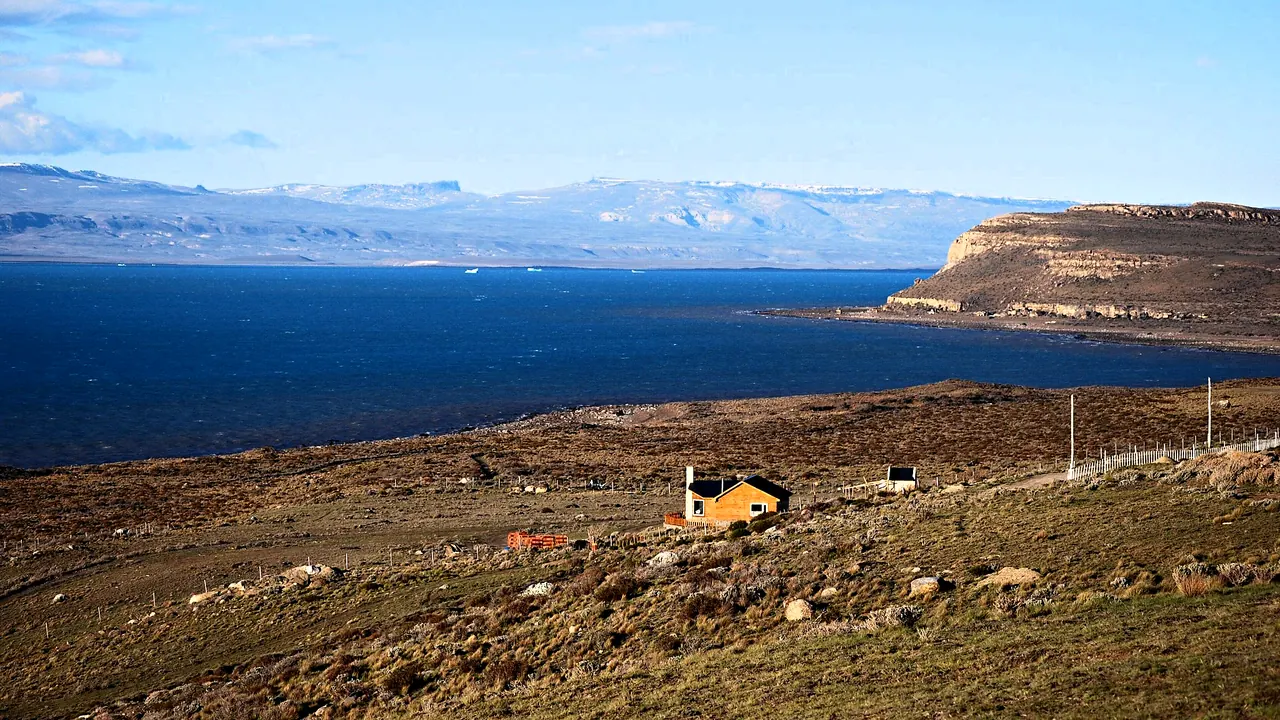
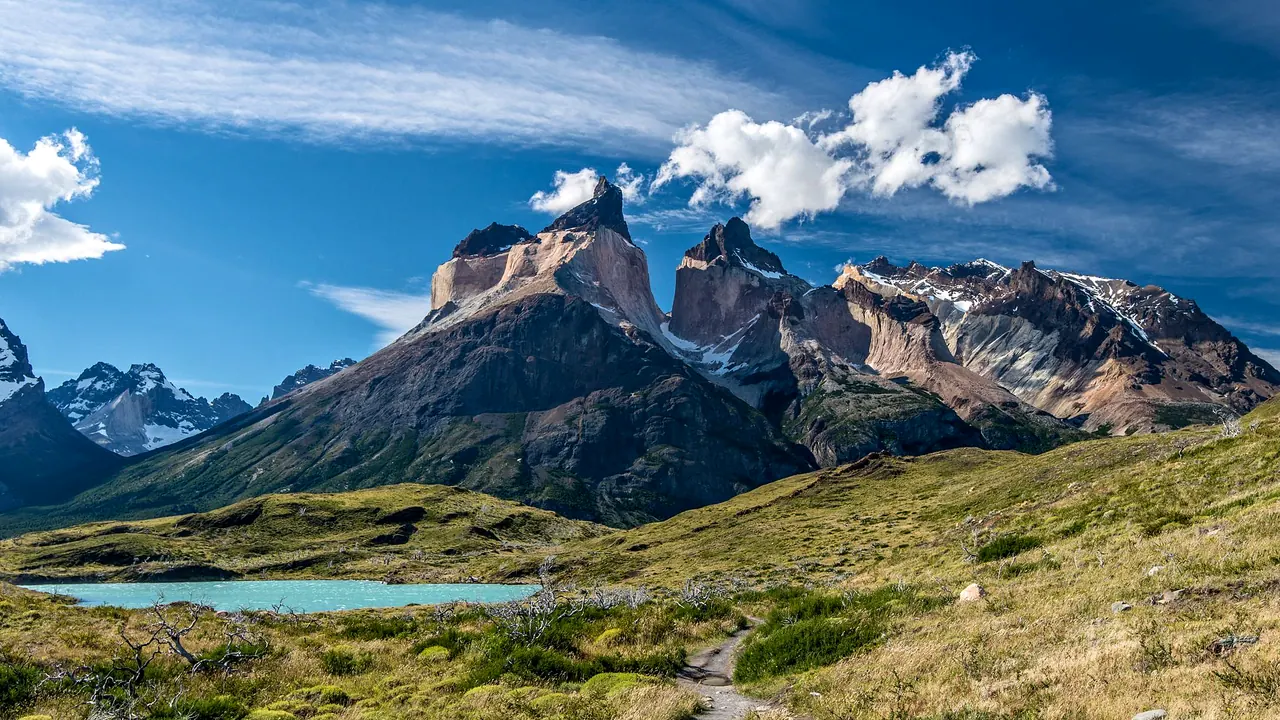
Photos: El Calafate by Pavel Špindler, CC BY 3.0, cropped; Torres del Paine by Holger J. Bub, Pexels License.
El Calafate or Torres del Paine?
Our verdict in twelve categories, each scored against the same fixed benchmark cities, and the climate month by month, so you can choose for your trip.
Choose El Calafate for
- prices
- families
- getting around
El Calafate suits travellers who want the ice without the hardship. It is a small, walkable town with hotels, parrillas and shops on one avenue, and from there you go out by bus or boat to Perito Moreno and the lake glaciers and come back each evening. It costs less, it is easier with children, and a few nights cover the main sights, so it fits well into a wider tour of Argentina.
Choose Torres del Paine for
- nature and the outdoors
- wellness
Torres del Paine is for people who want to be out in the mountains for days. The granite towers, the W and O treks, Grey Glacier and some of the best puma tracking anywhere give it the stronger landscape of the two. You pay for it in money and effort: long gravel transfers, refugios to book well ahead and lodge prices among the highest on the continent. In return, a lodge with a hot tub facing the massif is a better place to unwind after a long day than anything in El Calafate.
Scoreboard
Twelve categories on one fixed scale from 0 to 100. The shaded stretch is the gap between the two.
Your match
Pick a travel style or drag the sliders, and both match scores follow your weighting.
Wins on prices and families with your weighting.
Wins on nature and the outdoors and wellness with your weighting.
What matters to you?
Category by category
What the scores mean for a trip.
Beaches & swimming
Swimming is not on offer in either place, and the reasons are much the same: glacier-fed lakes and a wind that spoils any lakeshore. The water just sits in different places. In El Calafate, Lago Argentino is at the edge of town and a hotel pool is the only real swim. In Torres del Paine the cold lakes lie inside the park, and the fjord at Puerto Natales is a working waterfront rather than a shore to sit on.
Food & drink
The two kitchens are close relatives: lamb roasted on an iron cross, king crab, lake trout and calafate berries turn up on both sides of the border. El Calafate has more choice, with parrillas along the main avenue, berry ice cream and Malbec, and an estancia lunch is often the best meal of the stay.
In Torres del Paine, where you sleep decides what you eat. The lodges serve careful set menus, the refugios serve filling dinners to walkers and campers cook their own, while Puerto Natales adds a short street of restaurants and brewpubs.
Culture & sights
Both are landscape destinations with little built heritage, and the few sights are different in subject. El Calafate's Glaciarium is the best place on either side of the border to understand the ice before you see it, and the Walichu caves add Tehuelche rock paintings. Around Puerto Natales the story is older and odder: the Milodon Cave with its extinct giant sloth, and the Puerto Bories freezing works from the sheep-ranching era.
Nightlife
Evenings are short in both places. El Calafate gives you a little more to do after dinner, with pubs on the main avenue, a small casino and a few bars open past midnight in high summer. In Torres del Paine the evening is a beer with other trekkers in a Puerto Natales brewpub or a drink at the lodge bar, often while it is still light outside.
Nature & outdoors
El Calafate is built around one great sight. At Perito Moreno you can watch the ice wall calve from the walkways, walk on the glacier in crampons or cruise Lago Argentino to the Upsala and Spegazzini glaciers. Laguna Nimez, with its flamingos and black-necked swans, sits close to town.
Torres del Paine offers more country to explore and more time in it. The Towers and the Cuernos rise above turquoise lakes, Grey Glacier calves into its own lake, and the W and O treks take days rather than hours. Add daily guanacos, rheas and condors and a real chance of pumas in the eastern sector, and it gives a much fuller outdoors trip than El Calafate, whose best trekking means a long trip north to El Chalten.
Day trips
Neither is a good base for visiting other towns, and each lists the other as a separate leg of the journey rather than a day out. From El Calafate the best outing is a working estancia, some reached by boat across the lake. From Torres del Paine the one town nearby is Puerto Natales, about two hours away, and Punta Arenas and the Strait of Magellan make more sense as a stop on the way in or out.
Good for families
For children under about eight, El Calafate is much the easier choice. You stay in a small, quiet town and come back to the same room every night. The viewing platforms at Perito Moreno let a small child watch ice crash into the lake from solid ground, and half-days at the Glaciarium, the lagoon on the edge of town or a ranch with horses keep the pace gentle. The cost is time in the vehicle: more than an hour each way to the glacier, and the ice treks are closed to younger children.
Torres del Paine suits children from about ten who are happy on their feet. For them, short walks to waterfalls and viewpoints, guanaco herds along the road and the boat up to the glacier make a real expedition, with a lodge as a comfortable base. With toddlers it is another matter: hours on unpaved roads, weather that can turn cold within minutes and almost nothing between the lodges made with small children in mind.
Getting around
El Calafate is the simpler of the two. The town fits along one walkable avenue, and scheduled buses and tours cover the run of over an hour to the glacier, so you can manage without a car.
Torres del Paine takes more planning. You fly into Puerto Natales or Punta Arenas, drive or bus about two hours to the park entrances, and then rely on infrequent buses, gravel roads and the boat across Lake Pehoé. Once trekkers are on the trail they need only their legs, but only if refugio or campsite places were booked well ahead.
Shopping & style
El Calafate has a proper shopping street, if a short one. Its main avenue has sheepskin, knitwear, leather, mate gourds and regional chocolate, plus a small crafts market and calafate berry jams to take home. Puerto Natales is mostly about getting ready for a trek: gear to buy or rent, gas canisters and supermarket food, with a few shops selling wool and crafts. Inside the park there is little beyond lodge souvenirs.
Affordability
Neither is cheap, but El Calafate costs noticeably less. Summer rooms are pricey, and park entry, glacier treks and cruises add up fast, but parrilla meals, simple guesthouses and hostels keep the basics manageable.
Torres del Paine is a trip to plan your budget around. Foreign visitors pay a hefty park fee, refugios cost a lot for what you get, and the all-inclusive lodges are among the priciest stays in South America. You can keep costs down by sleeping in Puerto Natales hostels, taking the bus and using the simpler campsites.
Live music & performing arts
Neither place has any arts programme to plan around. The most either offers is folk music with your meal: a guitarist at an El Calafate restaurant or estancia dinner, or a gaucho-style evening on the Chilean side and the odd singer in a Puerto Natales bar.
Wellness & relaxation
Torres del Paine is the better place to unwind, as long as you stay at one of its upmarket lodges. Several have spas, saunas and outdoor hot tubs looking out at the Paine massif, and a massage after a day on the trail is a real reward. Trekkers in refugios and tents get a hot shower and little more.
El Calafate has a handful of hotels with pools, saunas and lake views, and the town is quiet in the evenings. But early starts and long bus rides to the ice make it a busier stay than a lodge in the park.
When should you go?
Pick your month. The climate figures are measured averages, not a forecast.
El Calafate in July
Torres del Paine in July
Daytime high, °C
Rainfall in the month, mm
Where the figures come from
Torres del Paine has no weather station within reach, so its figures come from a gridded climate model rather than a measured record, and read a broad area rather than one spot.
Temperature and rainfall are climate normals, averaged over the years shown. El Calafate: 1991-2020 (sunshine 1981-2010, rainfall 1981-2010) normals, El Calafate Aero / Charles Fuhr (16.9 km from centre). Torres del Paine: 1991-2020 normals, TerraClimate 4 km grid at the town, no weather station within 90 km.
Neither place ever gets warm enough for the beach, and both are at their best from about November to March, when days are long and walking is comfortable. El Calafate is the warmer and much the drier of the two, with highs around 19°C in January and February and very little rain all year, almost none in November at 6mm. November to January are also its sunniest months. Winter brings highs near 5°C, and many excursions are cut back.
In the park area where most visitors stay, Torres del Paine runs a couple of degrees cooler, with summer highs around 17°C, and is noticeably wetter in every month. The worst comes in March, at about 84mm, which sits inside the trekking season, so pack waterproofs whenever you go. The main season runs from October to April, but autumn and winter are when puma trackers come to the eastern sector.
Which traveller are you?
On an outdoors trip, the choice is days in the mountains or day trips to the ice. Torres del Paine lets you trek for most of a week with wildlife along the way. El Calafate gives you single big outings and a town bed each night.
On a family trip with young children, El Calafate is the safer bet. You have one base in town and outings you can cut short. Torres del Paine starts to pay off once children can manage a real trail and shrug off bad weather.
For a trip on a tight budget, El Calafate gives you more control. A modest room in town and one well-chosen glacier outing still make a full trip. In Torres del Paine nearly every night and transfer costs more, so saving money means roughing it.
Before you go
| Measure | El Calafate | Torres del Paine |
|---|---|---|
| Official language | Spanish | Spanish |
| Currency | Argentine Peso (ARS) | Chilean Peso (CLP) |
| Sockets | CI220 V, 50 Hz | CL220 V, 50 Hz |
| Driving side | Left | Right |
| Time zone | UTC-3 | UTC-3 |
| Emergency number | 117 or 911 | Police 133/134, ambulance 131, fire 132 |
| Elevation | 199 m | - |
| Main airport | El Calafate - Commander Armando Tola International Airport (FTE)16 km from centre10 non-stop destinations | President Carlos Ibáñez International Airport (PUQ)7 non-stop destinations |
| Public holidays this year | 16 days | 16 days |
By the numbers
| Measure | El Calafate | Torres del Paine |
|---|---|---|
| Population | 22,844 | - |
| People per km² | 998 | - |
| Museums within 10 km | 1 | - |
| UNESCO World Heritage sites within 50 km | 0 | - |
Where else could you go?
Every comparison below shares a destination with this one, so you can follow El Calafate or Torres del Paine somewhere new.
- Puerto Natalesvs El Calafate
- Ushuaiavs Torres del Paine
- Ushuaiavs El Calafate
- Puerto Varasvs El Calafate
- Barilochevs El Calafate
- Mendozavs El Calafate