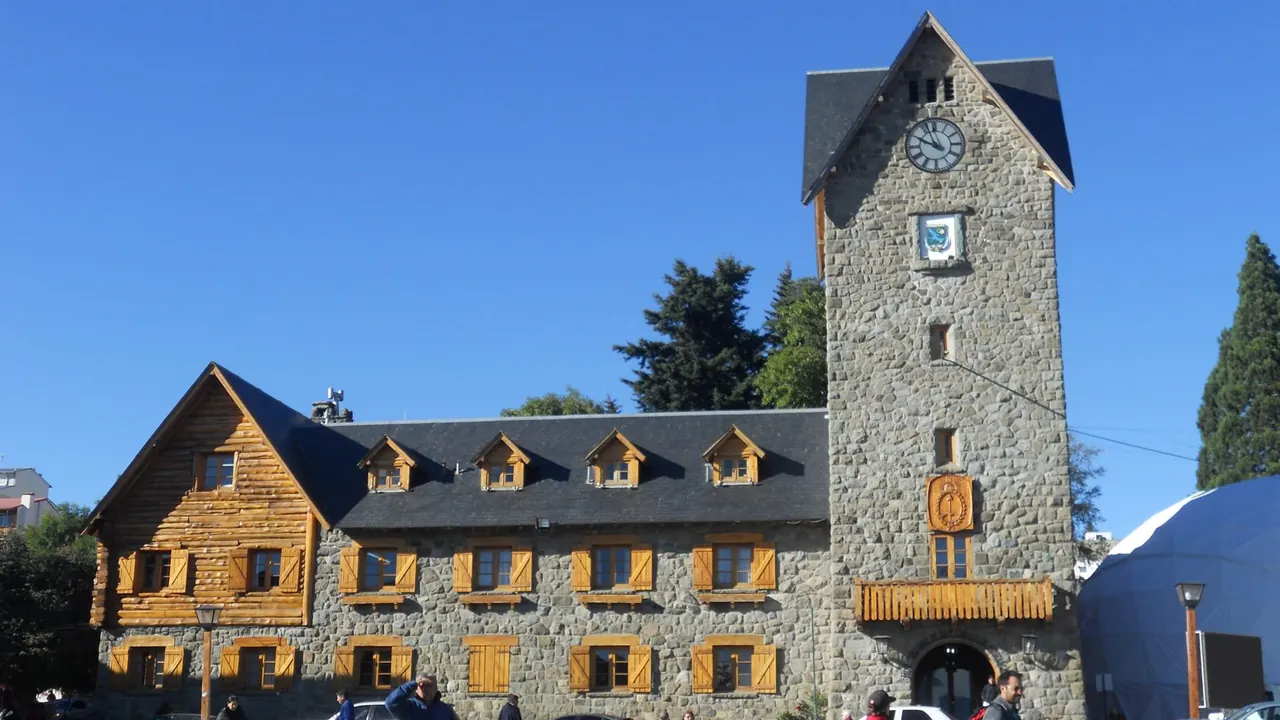
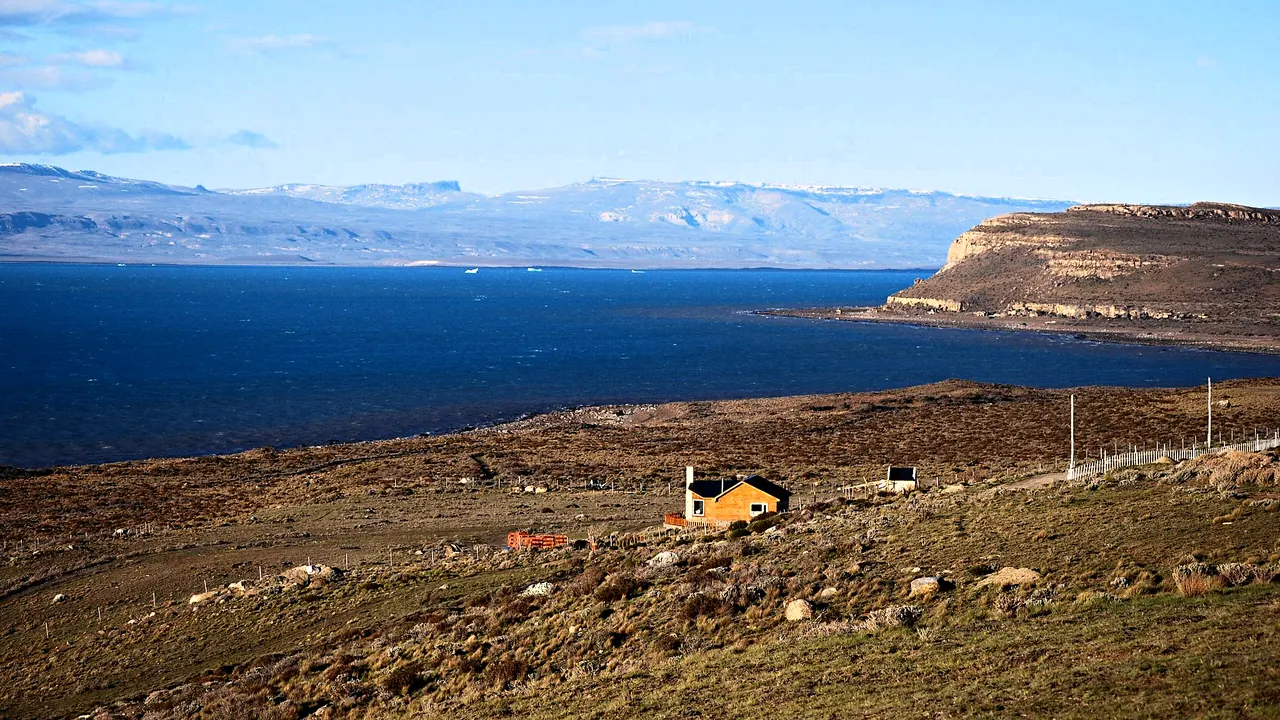
Photos: Bariloche by Maclemo, CC BY-SA 3.0, cropped; El Calafate by Pavel Špindler, CC BY 3.0, cropped.
Bariloche or El Calafate?
Our verdict in twelve categories, each scored against the same fixed benchmark cities, and the climate month by month, so you can choose for your trip.
Choose Bariloche for
- day trips
- nightlife
- beaches
Bariloche suits the traveller who wants a full mountain vacation rather than a single sight. It offers forest trails between refuges, skiing at Cerro Catedral in winter, lake beaches and cycling in summer, and a town with chocolate shops, brewpubs and enough restaurants to fill a week. It also works far better for families and for anyone who likes a little evening life after a day outdoors.
Choose El Calafate for
El Calafate does not lead in any category we score.
El Calafate is for the traveller who has come to see ice. The Perito Moreno glacier and the cruises to Upsala and Spegazzini are the whole point, and the town is a quiet, practical base for them, with little to hold you once you've seen them. Choose it for a short, focused stay, ideally as one stop on a longer trip through Patagonia rather than as the place you settle into.
Scoreboard
Twelve categories on one fixed scale from 0 to 100. The shaded stretch is the gap between the two.
Your match
Pick a travel style or drag the sliders, and both match scores follow your weighting.
Wins on day trips and nightlife with your weighting.
Has no clear advantage with the weighting you have chosen.
What matters to you?
Category by category
What the scores mean for a trip.
Beaches & swimming
Neither town is a beach destination, but Bariloche at least gives you a shore worth using. Playa Bonita, Villa Tacul and the edges of Lago Gutiérrez and Lago Moreno are good for a summer afternoon in the sun, with a short, cold dip in the shallower lakes.
El Calafate has nothing similar. Lago Argentino is icy, and the wind rarely lets you settle on its banks, so a hotel pool is the only real swim.
Food & drink
Both towns roast Patagonian lamb on iron crosses over an open fire, but Bariloche goes further. It adds lake trout, wild boar, venison, smoked meats and fondue, and its Central European chocolate tradition fills Calle Mitre. Its brewpubs along the road to Cerro Catedral make for an easy afternoon.
El Calafate's tables narrow quickly beyond grilled meat, with king crab and the calafate berry as its local touches. Its best meal is usually a lunch out at an estancia rather than anything in town.
Culture & sights
Bariloche has a modest but real townscape: the stone-and-timber Centro Cívico by Bustillo and de Estrada, the Museo de la Patagonia on Mapuche and settler history, the cathedral above the lake and the chapel at Llao Llao. It fills a morning.
El Calafate is a young service town with less to show. The Glaciarium is the main draw and works best as preparation for the ice itself. A small museum and the rock paintings of the Walichu caves add an hour or two.
Nightlife
Bariloche has the livelier evenings, though not the kind its reputation suggests. Its big central clubs belong to teenage school-leavers on graduation trips. For adults, the evening means late dinners, brewpubs and a few bars around Calle Mitre and the lakefront.
El Calafate offers a beer or a glass of wine on the main avenue and a small casino. With most visitors leaving early the next morning for the glacier, the town is quiet well before midnight.
Nature & outdoors
Both are exceptional, but they offer very different landscapes. Bariloche gives you more to do over a longer stay. It has forests of coihue and lenga and a chain of lakes, refuge-to-refuge trails above Cerro Catedral, cable cars up Campanario and Otto, kayaking and fly fishing, and South America's biggest ski area in winter.
El Calafate is about one overwhelming spectacle: the calving face of Perito Moreno and the glaciers of Lago Argentino, set in dry, wind-scoured steppe. Its serious trekking around Fitz Roy is a long way north, and its season is shorter.
Day trips
Bariloche has real places within a day. These include the wooden lakeside village of Villa La Angostura, the curanto and weekend fair at Colonia Suiza, and El Bolsón's craft market and hop farms in a warmer valley to the south.
From El Calafate, the one outing beyond the park is a sheep estancia, sometimes reached by boat, with shearing sheds and a lamb lunch. El Chalten is about three hours away and deserves nights of its own.
Good for families
Bariloche keeps children busy in either season. It has gentle ski slopes and sledging in winter, lake paddling, easy forest walks and the boat to Isla Victoria in summer, plus chocolate shops and the St Bernards in the Centro Cívico.
El Calafate has one superb outing for children: the falling ice at Perito Moreno, seen from safe walkways. After that, the long rides, cold wind and age limits on glacier treks make a short stay the wiser plan.
Getting around
Bariloche's difficulty is its length, with lodgings and trailheads strung out over some 25km of Avenida Bustillo. City buses do reach Llao Llao and Cerro Catedral, so you can manage much of a stay without a car.
El Calafate is the reverse: one walkable avenue, and then no local network at all. Every trip to the glacier or the boat port means a tour, a scheduled coach or a hire car on gravel roads in strong wind.
Shopping & style
Bariloche has the better street for it. Calle Mitre has chocolatiers, Patagonian wool, leather and smoked trout, and the crafts at the Centro Cívico fair and the Colonia Suiza market add woodwork and Mapuche-style textiles.
El Calafate's avenue is mainly for a forgotten fleece, with sheepskin, mate gourds and calafate jam as gifts.
Affordability
Both are among Argentina's more expensive stops, and neither is cheap. The costs fall differently, though. In Bariloche they peak in the July winter break and January, and ski passes are the big extra. Free hiking, city buses, cabins in the side valleys and the cheaper months of spring and autumn give you room to cut back.
In El Calafate the weight falls on the excursions themselves: park entry, glacier treks and lake cruises. Since those are the reason to go, there is less room to save.
Live music & performing arts
Bariloche has an unexpected classical connection. The Camerata Bariloche chamber orchestra carries the town's name, and the yearly Semana Musical Llao Llao brings chamber concerts to the lakeside hotel. A small municipal theatre fills some other evenings.
El Calafate has nothing to plan around beyond a folk guitarist at an estancia dinner.
Wellness & relaxation
Neither town has thermal springs or a bathing tradition. Bariloche does have the grand Llao Llao and other lakeside lodges with pools, saunas and treatments, and a base in the wooded valleys gives you slow days of lake views and fires.
El Calafate is quiet enough, with a handful of lodge spas. But its early starts and long bus rides to the ice keep a stay busy rather than restful.
When should you go?
Pick your month. The climate figures are measured averages, not a forecast.
Bariloche in July
El Calafate in July
Daytime high, °C
Rainfall in the month, mm
Temperature and rainfall are climate normals, averaged over the years shown. Bariloche: 1991-2020 normals, Bariloche Aerodrome (11.2 km from centre). El Calafate: 1991-2020 (sunshine 1981-2010, rainfall 1981-2010) normals, El Calafate Aero / Charles Fuhr (16.9 km from centre).
Bariloche is at its best from December to March, when days reach about 23°C, the long dry spell brings plenty of sunshine and the lake shores are pleasant for sitting out. From May to August the rain sets in heavily, peaking around 172mm in June. That same weather brings the snow, so July and August belong to skiers. Spring and autumn are mild and quieter for walking.
El Calafate is cooler and much drier all year, with summer highs around 19°C and little rain in any month. The catch is the cold and the wind. Winter highs fall to about 5°C, there is less sunshine and excursions are cut back, so the sensible window runs from spring to early autumn. Bariloche has two good seasons, one for summer and one for snow. El Calafate has really only one.
Which traveller are you?
On a family trip with children, Bariloche is the easier choice. Ski schools and sledging on Cerro Otto in winter, boat trips to Isla Victoria and chocolate workshops in summer give children variety. El Calafate's long drives and raw wind wear them out faster.
For a food and nightlife trip, Bariloche is clearly ahead. Its menus range over lake trout, venison and fondue, and lakeside breweries and bars along Calle Mitre fill the evenings. El Calafate has little beyond lamb parrillas, and the town goes quiet soon after dinner.
For travellers who want to stand in front of a great glacier, El Calafate is the place. The walkways facing Perito Moreno's wall of ice, crampon treks on its surface and lake cruises to further glaciers have no equivalent within reach of Bariloche.
Before you go
| Measure | Bariloche | El Calafate |
|---|---|---|
| Official language | Spanish | Spanish |
| Currency | Argentine Peso (ARS) | Argentine Peso (ARS) |
| Sockets | CI220 V, 50 Hz | CI220 V, 50 Hz |
| Driving side | Left | Left |
| Time zone | UTC-3 | UTC-3 |
| Emergency number | 117 or 911 | 117 or 911 |
| Elevation | 794 m | 199 m |
| Main airport | Teniente Luis Candelaria International Airport (BRC)12 km from centre17 non-stop destinations | El Calafate - Commander Armando Tola International Airport (FTE)16 km from centre9 non-stop destinations |
| Public holidays this year | 16 days | 16 days |
By the numbers
| Measure | Bariloche | El Calafate |
|---|---|---|
| City population | 136,381 | 22,844 |
| People per km² | 619 | 998 |
| Museums within 10 km | 3 | 1 |
| UNESCO World Heritage sites within 50 km | 0 | 0 |
Where else could you go?
Every comparison below shares a destination with this one, so you can follow Bariloche or El Calafate somewhere new.
- Puerto Natalesvs El Calafate
- Ushuaiavs El Calafate
- Santiagovs Bariloche
- Mendozavs Bariloche
- Puerto Natalesvs Bariloche
- Buenos Airesvs Bariloche