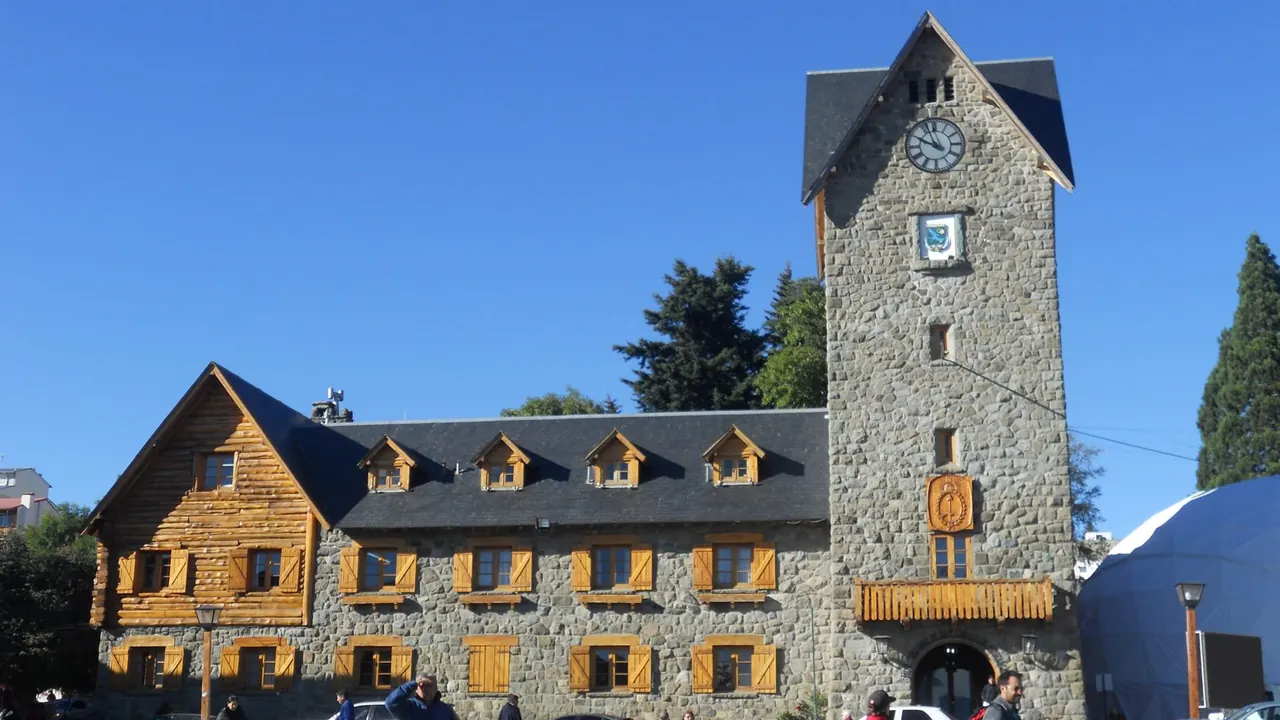
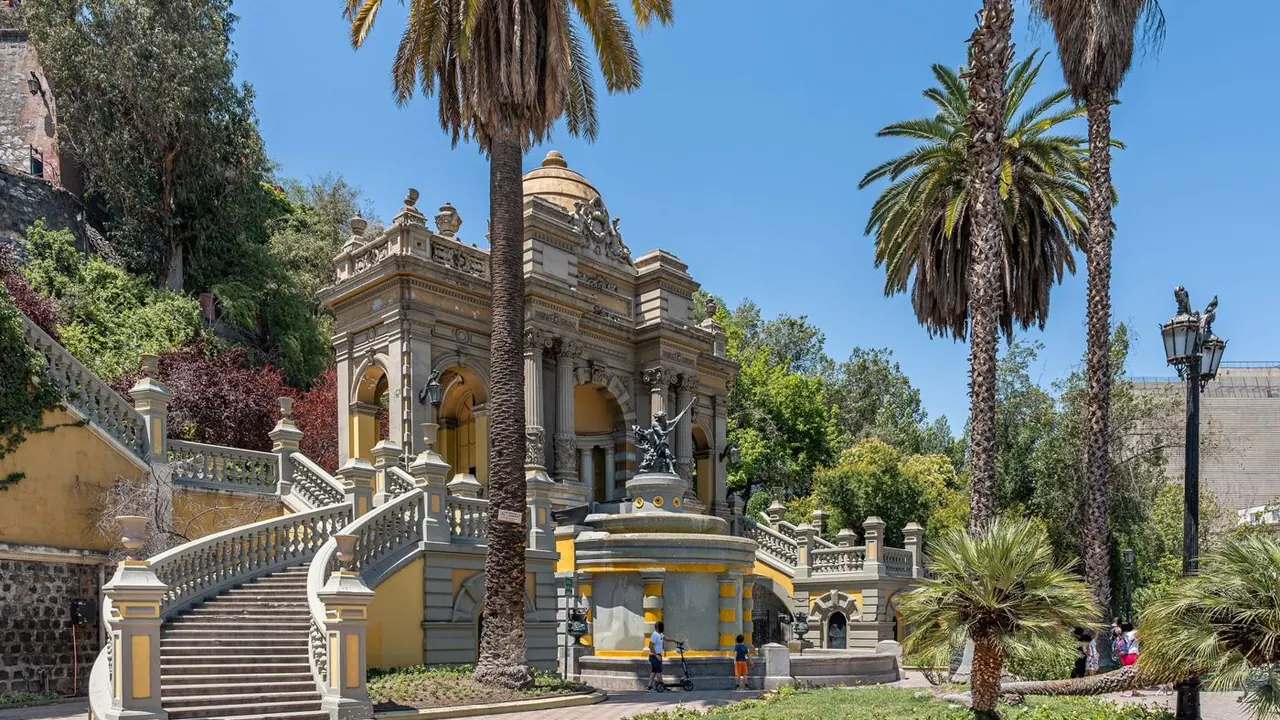
Photos: Bariloche by Maclemo, CC BY-SA 3.0, cropped; Santiago by Rjcastillo, CC BY-SA 4.0, cropped.
Bariloche or Santiago?
Our verdict in twelve categories, each scored against the same fixed benchmark cities, and the climate month by month, so you can choose for your trip.
Choose Bariloche for
- beaches
- nature and the outdoors
- wellness
Bariloche is the choice when the landscape is the point of the trip. It sits inside a national park on a glacial lake, with trails to mountain refuges, Cerro Catedral's ski slopes and boat trips on the doorstep, and evenings run to long dinners, trout and a beer by the fire. Hikers, skiers and anyone who wants to wake up to lake views will be happier here. Just don't expect much from the town itself, its nightlife or its stage.
Choose Santiago for
- day trips
- live music and the arts
- nightlife
Santiago suits travellers who want a capital with the Andes in sight. It has much better food and wine, real museums, late nights in Bellavista and a metro that makes the city easy to use. It also has the better day trips, to Valparaíso and the wine valleys, and you can still ski or raft for a day. It costs less overall too, though the mountains are a drive away rather than out of the window.
Scoreboard
Twelve categories on one fixed scale from 0 to 100. The shaded stretch is the gap between the two.
Your match
Pick a travel style or drag the sliders, and both match scores follow your weighting.
Wins on beaches and nature and the outdoors with your weighting.
Wins on day trips and live music and the arts with your weighting.
What matters to you?
Category by category
What the scores mean for a trip.
Beaches & swimming
Neither city is a beach destination, but Bariloche at least has a shore at hand. Playa Bonita, Villa Tacul and the edges of Lago Gutiérrez and Lago Moreno make fine summer picnic spots under the peaks, even if the glacial water allows only a quick, bracing dip.
Santiago has no water of its own beyond hotel pools and the public pools in the Parque Metropolitano. The coast around Viña del Mar is a full day out, and the Humboldt Current keeps that sea cold too.
Food & drink
Santiago eats much better. Its strengths are Pacific seafood at the Mercado Central and around La Vega, cheap weekday lunch menus, and a wine list drawn from the valleys around the city. Lastarria, Barrio Italia and Bellavista have the more ambitious modern kitchens.
Bariloche cooks a narrower mountain menu: lamb roasted on the cross, lake trout, venison and fondue, with chocolate on Calle Mitre and craft beer in lake-view brewery gardens. It is satisfying after a day outdoors, but the centre leans on tourist menus.
Culture & sights
Santiago has far more to see. The Museo Chileno de Arte Precolombino is a first-rate collection, the Museum of Memory and Human Rights and La Moneda deal with the 1973 coup and the dictatorship that followed, and the area around the Plaza de Armas fills a couple of days.
Bariloche's culture amounts to Bustillo's stone-and-timber Centro Cívico, the Museo de la Patagonia and the Llao Llao chapel, which is a morning at most and an architectural footnote to the scenery.
Nightlife
For a proper night out, Santiago wins easily. Bellavista has crowded terraces and the main LGBTQ+ clubs, Lastarria and Barrio Italia have wine and cocktail bars, and weekends run late in the South American way.
Bariloche's big clubs mostly belong to Argentine school-leavers on graduation trips, which most adults will want to avoid. For grown-up visitors the evening means a late dinner and a brewpub on Calle Mitre or the lakefront.
Nature & outdoors
Both cities have the Andes, but Bariloche lives inside them. The town lies within Nahuel Huapi National Park, so lakes, coihue and lenga forest, the trails to the Frey and Jakob refuges and the slopes of Cerro Catedral are all close at hand. You can kayak, fish for trout or cycle the Circuito Chico without a long transfer, and the hanging glaciers of Cerro Tronador make a longer day out.
Santiago's mountains are dramatic and usable, with rafting and the El Morado glacier trail in the Cajón del Maipo, ski areas at Farellones and Valle Nevado, and real hikes on Cerro San Cristóbal. To reach most of them, though, you first have to cross a big city, and winter smog can hide the peaks for days.
Day trips
Santiago has the stronger list of places to go. The UNESCO-listed hills and funiculars of Valparaíso, with Viña del Mar beside it, make a classic day, and the Maipo and Casablanca wine valleys and the pottery village of Pomaire are close.
Bariloche's outings are mostly into scenery. Of its towns, Villa La Angostura's wooden lakeside streets and the weekend fair at Colonia Suiza are the best, and there is no heritage site or wine region within a day's return.
Good for families
Both welcome children, and families eat late together in either country, but the kind of fun differs. Bariloche is an outdoor playground, with ski schools at Cerro Catedral, sledging on Cerro Otto, lake paddling, boat trips to Isla Victoria and the St Bernards in the Centro Cívico, but there is little to do when it rains.
Santiago offers built attractions instead: the zoo and cable car on Cerro San Cristóbal, the hands-on Museo Interactivo Mirador and the amusement park in Parque O'Higgins. Against that, you have to cope with the heat and the distances.
Getting around
Santiago is much easier without a car. Line 1 of the metro runs from the Centro through Providencia to Las Condes, the central districts are pleasant on foot, and ride-hailing fills the gaps.
Bariloche's centre is walkable but steep, and the town stretches some 25km along Avenida Bustillo. Buses reach Llao Llao and Cerro Catedral, but for the Circuito Chico or Tronador you will usually rent a car or join a tour, and in winter that means driving on snow.
Shopping & style
Santiago gives a shopper much more range. It has the malls of Costanera and Parque Arauco, luxury labels on Alonso de Córdova, independent design and vintage in Barrio Italia, and lapis lazuli and copper at Pueblito Los Dominicos.
Bariloche keeps to Calle Mitre, and its shopping is chocolate, Patagonian knitwear, smoked trout and outdoor gear, plus the craft stalls near the Centro Cívico.
Affordability
Santiago is the cheaper stay. Set lunches, market food, local wine, the metro and free or low-cost museums keep daily spending down, although hotels in Providencia and Las Condes cost more.
Bariloche charges resort rates as Argentina's main mountain town, and they peak in the July school break and in January. Ski passes and excursions add up, so self-catering cabins, city buses, free trails and travel in spring or autumn make the real difference.
Live music & performing arts
Santiago has a real performing-arts calendar. The 19th-century Teatro Municipal has opera, ballet and a philharmonic orchestra, the GAM puts on contemporary work, and the Santiago a Mil festival fills the city in January. Live folk and rock is easy to find in Bellavista.
Bariloche's claim is a classical one, through the Camerata Bariloche and the Semana Musical Llao Llao. On most nights, though, there is little to attend.
Wellness & relaxation
Neither is a spa destination, and they offer rest in different ways. In Bariloche it comes from lodge spas such as the Llao Llao and from staying out along the lake, where days slow down to views, fires and long dinners.
Santiago's city is busy and car-heavy, but it has proper thermal water nearby, with terraced pools at Termas de Colina and simple hot springs up the Cajón del Maipo, which Bariloche lacks.
When should you go?
Pick your month. The climate figures are measured averages, not a forecast.
Bariloche in July
Santiago in July
Daytime high, °C
Rainfall in the month, mm
Temperature and rainfall are climate normals, averaged over the years shown. Bariloche: 1991-2020 normals, Bariloche Aerodrome (11.2 km from centre). Santiago: 1991-2020 normals, Santiago Q. Normal (3.1 km from centre).
Bariloche has two seasons that make two different trips. From December to February days reach about 23°C, rain is scarce and the sunshine is long, which makes this the time for hiking, cycling and sitting on the lake shores. From May to August it turns cold and wet, with June the wettest month at 172mm. That rain falls as snow on the peaks, so these months suit skiing far better than walking around town.
Santiago is warmer and drier all year. Summer is almost rainless and hot, around 28°C in January, which makes midday sightseeing tiring. Spring and autumn, with highs in the low twenties, are the most comfortable months for the streets. Winter is mild by comparison, about 14°C in July, with modest rain, and it is also ski season in the nearby Andes.
Which traveller are you?
On an outdoors trip, Bariloche is the clear pick. You can reach Nahuel Huapi National Park's trails, refuges, lakes and Cerro Catedral straight from your lodging. Santiago's mountains are close and impressive, but they mean crossing a sprawling city and often hiring a car.
For a food and nightlife trip, choose Santiago. Seafood at the Mercado Central, wines from the surrounding valleys, and pisco sours in Lastarria before a late night in Bellavista add up to far more than Bariloche's brewpubs, chocolate and roast lamb.
For a short city break, Santiago works better. The metro links the Centro, Lastarria and Providencia, and two or three days cover the main museums and a day in Valparaíso. Bariloche's town sights fill a morning, and the rest of it is spread along the lake.
Before you go
| Measure | Bariloche | Santiago |
|---|---|---|
| Official language | Spanish | Spanish |
| Currency | Argentine Peso (ARS) | Chilean Peso (CLP) |
| Sockets | CI220 V, 50 Hz | CL220 V, 50 Hz |
| Driving side | Left | Right |
| Time zone | UTC-3 | UTC-4, UTC-3 in summer |
| Emergency number | 117 or 911 | Police 133/134, ambulance 131, fire 132 |
| Elevation | 794 m | 575 m |
| Main airport | Teniente Luis Candelaria International Airport (BRC)12 km from centre17 non-stop destinations | Comodoro Arturo Merino Benítez International Airport (SCL)14 km from centre67 non-stop destinations |
| Public holidays this year | 16 days | 16 days |
By the numbers
| Measure | Bariloche | Santiago |
|---|---|---|
| City population | 136,381 | 6,257,516 |
| People per km² | 619 | 7,468 |
| Museums within 10 km | 3 | 54 |
| UNESCO World Heritage sites within 50 km | 0 | 0 |
Where else could you go?
Every comparison below shares a destination with this one, so you can follow Bariloche or Santiago somewhere new.