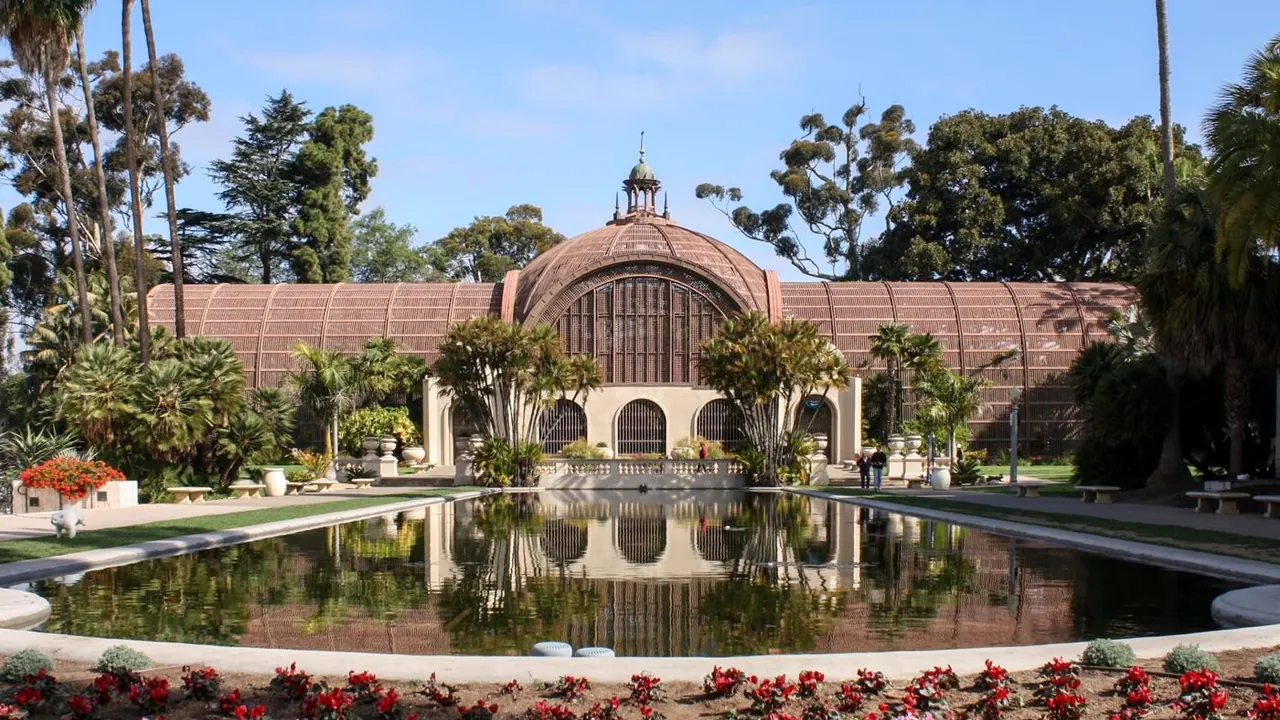
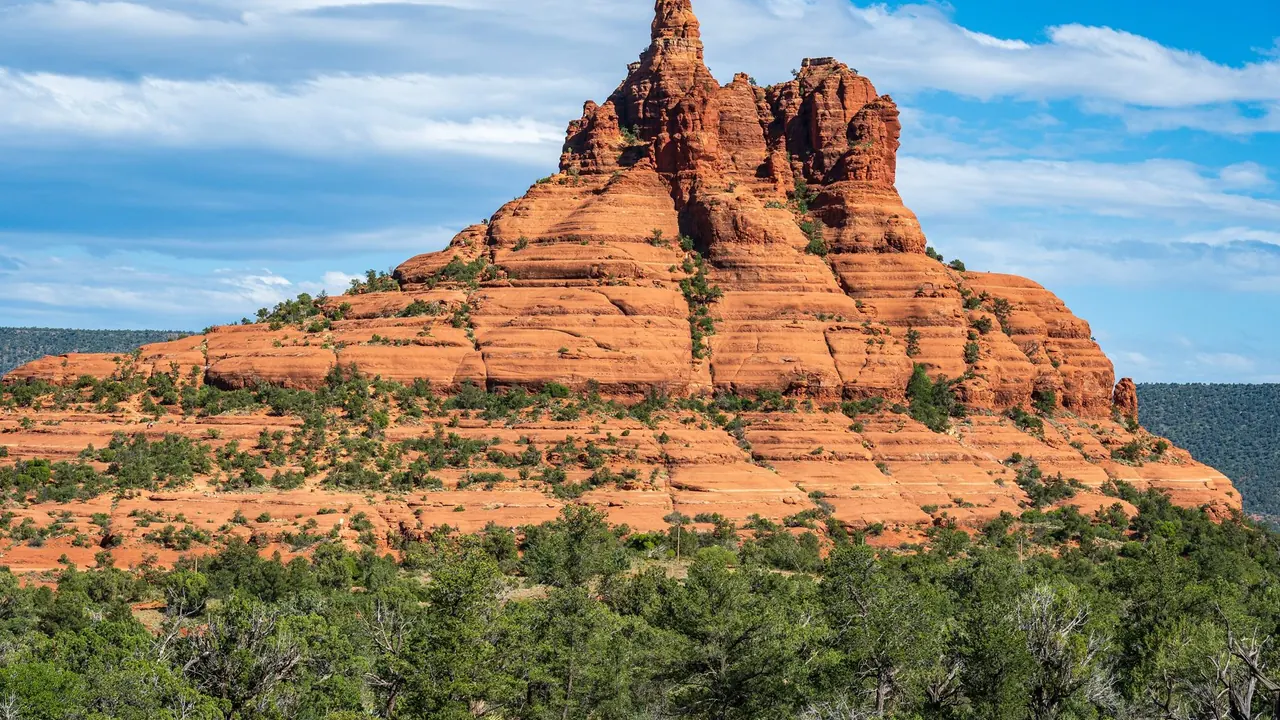
Photos: San Diego by Bernard Gagnon, CC BY-SA 3.0, cropped; Sedona by dconvertini, CC BY-SA 2.0, cropped.
San Diego or Sedona?
Our verdict in twelve categories, each scored against the same fixed benchmark cities, and the climate month by month, so you can choose for your trip.
Choose San Diego for
- beaches
- families
- live music and the arts
San Diego is the better pick for a varied trip by the sea. It has beaches from Coronado to La Jolla, a zoo and theme parks that make it one of the easiest family destinations anywhere, taco shops and brewery taprooms, and theatre and nightlife that Sedona simply does not have. It suits travellers who want plenty to do in a mild climate and who will accept a hire car and high costs.
Choose Sedona for
- wellness
- nature and the outdoors
Choose Sedona if the landscape itself is the point. Its red rock buttes, canyon trails and slickrock riding outclass anything around San Diego, and its retreat culture of spas, yoga and sunrise walks makes it the stronger place to slow right down. Evenings are quiet and the town is small, so it suits a few focused days of hiking and resting rather than a long stay full of city outings.
Scoreboard
Twelve categories on one fixed scale from 0 to 100. The shaded stretch is the gap between the two.
Your match
Pick a travel style or drag the sliders, and both match scores follow your weighting.
Wins on beaches and families with your weighting.
Wins on wellness and nature and the outdoors with your weighting.
What matters to you?
Category by category
What the scores mean for a trip.
Beaches & swimming
San Diego has a real coastline of some 110km. It runs from the wide sand at Coronado and the boardwalk shared by Mission Beach and Pacific Beach to the gentle surf at La Jolla Shores and the cliff-backed beaches of North County. The water stays cool, so plenty of people surf in wetsuits, but this is a true beach destination.
Sedona sits far inland in high desert and offers only creek swimming. Slide Rock's sandstone chute and the pools at Grasshopper Point and Red Rock Crossing are fun on a hot afternoon after a hike. They are small, cold and crowded, though, and no substitute for a day on the sand.
Food & drink
San Diego offers much more variety. Baja fish tacos, taco shops open late, the Korean, Japanese and Vietnamese kitchens along Convoy Street and the craft breweries of North Park and Miramar give it range at every budget.
Sedona's dining centres on resort terraces with red rock views, Southwestern menus and plenty for vegetarians, with Verde Valley tasting rooms just down the road. The draw is a handful of good kitchens and a long view, and once you have tried those there is no street food or market to explore.
Culture & sights
Neither is a major cultural destination, but San Diego gives you far more to see indoors. The museums of Balboa Park fill a day, and the USS Midway, the adobes of Old Town and the first of California's missions add history.
Sedona's sights are the Chapel of the Holy Cross, a small heritage museum and its galleries, along with the Sinagua cliff dwellings and petroglyphs at Palatki, Honanki and V Bar V. They are memorable but few, and fit easily around the hiking.
Nightlife
San Diego gives you a choice of evenings. There are rooftop bars and clubs in the Gaslamp Quarter, a young beach-bar strip in Pacific Beach, and cocktail bars and taprooms in North Park and Hillcrest, which is also the centre of the city's gay nightlife.
Sedona has a few brewpubs, wine bars and resort lounges, and most visitors are in bed early for dawn hikes. Its best night out is stargazing under a very dark sky.
Nature & outdoors
Both are outdoor places, but Sedona's landscape is in another league. Red sandstone buttes rise straight out of town, trails lead to Cathedral Rock, Bell Rock and Devil's Bridge, mountain bikers come for the slickrock, and Oak Creek Canyon climbs into pine forest.
San Diego's outdoors is mostly about the ocean's edge: the Torrey Pines bluffs, sea lions and sea caves at La Jolla Cove, tide pools at Cabrillo, surf breaks and grey whales passing in winter. The Laguna mountains and the Anza-Borrego desert add variety inland, but nothing there is as concentrated as Sedona's red rock.
Day trips
The two are fairly evenly matched here and differ mostly in character. From San Diego the border is the novelty, with Tijuana by trolley and the Valle de Guadalupe vineyards further south. Temecula wine country, the apple-pie town of Julian and the beach towns up the coast by train add more options.
Sedona's outings are smaller and older: the hillside mining town of Jerome, the cliff dwelling of Montezuma Castle and the pueblo of Tuzigoot, the Verde Canyon Railroad and Flagstaff. Both need a car for most trips. Sedona's are richer in ancient sites, and San Diego's are more varied.
Good for families
San Diego is among the easiest family destinations anywhere. It has the zoo with its skyfari ride, the Safari Park, SeaWorld, Legoland and the Birch Aquarium, all in a climate that rarely spoils a plan. The parks are spread out, so expect one big attraction a day.
Sedona suits older children who like the outdoors, with Slide Rock, short trails at Bell Rock and jeep tours over the slickrock. It has no zoo or theme park, many hotels are aimed at couples, and summer heat on exposed trails needs care. That is why families often treat it as one stop on a Grand Canyon trip.
Getting around
Both mean driving, but San Diego gives you more help without a car. Downtown, Little Italy and the waterfront are walkable, the trolley runs to Old Town and the border, and coastal trains reach the North County beach towns. La Jolla and the big parks are still far apart.
In Sedona only Uptown is walkable. Trailheads, the chapel and the Verde Valley towns all need a car, a shuttle serves only some trailheads, and trail parking fills early. Most visitors also have a drive of about two hours from the airport in Phoenix.
Shopping & style
San Diego has the broader shopping, from luxury brands at open-air Fashion Valley and a large outlet centre by the border to boutiques and vintage shops in Little Italy and North Park. Even so, it has no great shopping street.
Sedona's offer is narrower but more distinctive. It has the courtyard galleries of Tlaquepaque, Western art and Native American jewellery, pottery and rugs, and its crystal and metaphysical shops. For clothes it has next to nothing.
Affordability
Neither is cheap, but San Diego gives you more ways to save. Taco shops, taprooms, free beaches and the gardens of Balboa Park help offset high hotel rates and theme-park admissions.
Sedona's resorts and boutique lodges are expensive in spring and autumn, and jeep tours, balloon flights and spa treatments add up quickly. The trails cost little beyond a parking pass, and travellers on a budget often sleep in Cottonwood or Flagstaff and drive in.
Live music & performing arts
San Diego has a real theatre scene. The Old Globe in Balboa Park, with its open-air Shakespeare stage, and the La Jolla Playhouse have both sent shows to Broadway, and the symphony plays a summer season beside the bay.
Sedona has chamber concerts, local theatre and its long-running film festival in late winter, but no concert hall or regular season. An evening performance there is a lucky find rather than something to plan a trip around.
Wellness & relaxation
This is Sedona's other great strength. Destination resort spas sit against the canyons, yoga, meditation and breathwork sessions are everywhere, and sunrise walks to the vortexes are part of the local routine, all in clear air with dark, quiet nights.
San Diego relaxes in a lighter way, with resort spas in La Jolla, Coronado and Carlsbad and the long-standing yoga culture of Encinitas, though downtown and Pacific Beach are far from calm. Neither city has thermal baths.
When should you go?
Pick your month. The climate figures are measured averages, not a forecast.
San Diego in July
Sedona in July
Daytime high, °C
Rainfall in the month, mm
Where the figures come from
Sedona's station stands 153 m above the city centre, so the centre is likely a little warmer than the figures say.
Sedona has no rain gauge within 25 km of the centre, so its rainfall comes from a gridded climate dataset read at the city rather than from a gauge further away.
Temperature and rainfall are climate normals, averaged over the years shown. San Diego: 1991-2020 normals, San Diego International Airport (2.8 km from centre). Sedona: 2009-2025 (rainfall 1991-2020) normals, Sedona / West Sedona (1.3 km from centre).
San Diego barely changes through the year. Days run from mild in winter to about 25°C in August and September, what little rain there is falls between December and March, and from May to September it is almost completely dry. The sea limits swimming more than the air does: it only reaches about 21°C in late summer and drops to 15°C in winter, and early summer mornings are often grey with June Gloom.
Sedona swings much harder. Spring and autumn, roughly March to May and October to November, are the best months for the trails. From June to August highs reach about 34°C, so hiking means early starts, and July and August are among the wettest months of the year. Winter is crisp at around 12°C in January, with steady rain and the odd dusting of snow. San Diego works in any month, while Sedona is mainly a spring or autumn destination.
Which traveller are you?
On a family trip with children, San Diego is far easier. Its big animal parks and theme parks fill whole days, the mild climate keeps plans intact and restaurants welcome noisy tables. Sedona has a creek slide and jeep rides, then runs out of things made for children.
For an outdoors trip, Sedona is the stronger base. Hiking and mountain biking start on red rock at the edge of town, and the Grand Canyon is close enough for a day out. San Diego is better if you mainly want surfing, kayaking and the sea.
On a relaxing and wellness trip, Sedona is the place to go. The whole town is built around retreats, treatments and slow mornings, and the evenings are silent. San Diego can be restful in its beach towns, but its busier districts never really are.
Before you go
| Measure | San Diego | Sedona |
|---|---|---|
| Currency | US Dollar (USD) | US Dollar (USD) |
| Sockets | AB120 V, 60 Hz | AB120 V, 60 Hz |
| Driving side | Right | Right |
| Time zone | UTC-8, UTC-7 in summer | UTC-7 |
| Emergency number | 911 | 911 |
| Elevation | 129 m | 1,319 m |
| Main airport | San Diego International Airport (SAN)3 km from centre87 non-stop destinations | Phoenix Sky Harbor International Airport (PHX)160 km from centre148 non-stop destinations |
| Public holidays this year | 13 days | 12 days |
By the numbers
| Measure | San Diego | Sedona |
|---|---|---|
| City population | 1,386,932 | 9,684 |
| People per km² | 1,438 | 195 |
| Museums within 10 km | 26 | 0 |
| UNESCO World Heritage sites within 50 km | 0 | 0 |
| Swim season, months above 21 °C | 1 month | - |
Where else could you go?
Every comparison below shares a destination with this one, so you can follow San Diego or Sedona somewhere new.