Photos: Aarhus by Mozzihh, CC BY-SA 4.0, cropped; Hamburg by Wolfgang Weiser, Pexels License.
Aarhus or Hamburg?
Our verdict in twelve categories, each scored against the same fixed benchmark cities, and the climate month by month, so you can choose for your trip.
Choose Aarhus for
- beaches
- nature and the outdoors
- food and drink
Aarhus suits a slower, smaller trip. Its three museums are first-rate, the beech woods and bay beaches are a short bike ride away, and evenings are calm. Families with young children will feel at home here, and so will anyone who likes Nordic design, saunas by the sea and a summer swim. You will pay Danish prices and find the city quiet midweek.
Choose Hamburg for
- nightlife
- live music and the arts
- shopping
Hamburg is the bigger and livelier choice. It is far stronger for evenings out, from the Elbphilharmonie and the State Opera to the late bars of St Pauli. It also has better shopping and a longer list of day trips by train, and day-to-day costs are lower. Choose it for a city break with a full calendar, where the harbour sets the scene rather than a beach.
Scoreboard
Twelve categories on one fixed scale from 0 to 100. The shaded stretch is the gap between the two.
Your match
Pick a travel style or drag the sliders, and both match scores follow your weighting.
Wins on beaches and nature and the outdoors with your weighting.
Wins on nightlife and live music and the arts with your weighting.
What matters to you?
Category by category
What the scores mean for a trip.
Beaches & swimming
Swimming is easier in Aarhus. Bellevue, Den Permanente and Moesgaard Strand are all within cycling distance of the centre, with fine sand and calm, shallow water, and there is a sea bath in the harbour too. The catch is the cold Kattegat, which limits the swimming season to a few weeks in summer.
Hamburg's sand along the Elbe at Oevelgoenne is for watching ships, not for swimming, because of the currents and the wash from passing ships. A proper swim means an hour's trip to the Baltic at Travemuende, where the water is hardly any warmer, or a lake on the city edge on a hot afternoon.
Food & drink
The two cities eat about equally well, but in different ways. Aarhus is at its best at the top end, with New Nordic tasting menus built on Jutland produce and fish from the bay, and rye sandwiches and cardamom pastries for everyday eating. It has few mid-range places and no real cheap end.
Hamburg is best at port food: fish rolls on the piers, Labskaus, eel soup and the early Sunday fish market in Altona. Portuguese and Turkish cooking near the harbour adds variety. Both are expensive, but Hamburg has more choice for a casual meal.
Culture & sights
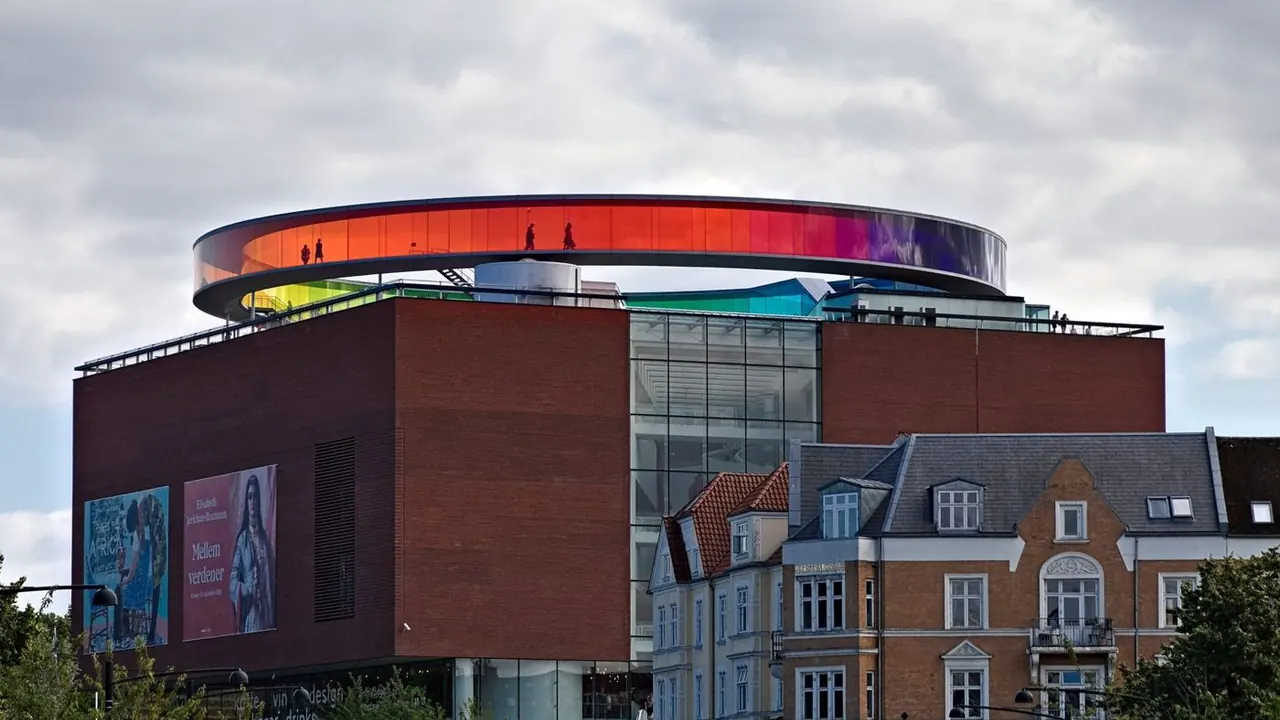
Here the cities are evenly matched but very different. Aarhus has three outstanding museums: ARoS with its rainbow walkway, the open-air Den Gamle By and Moesgaard with the Grauballe bog body. Around them is a small old core of Latin Quarter lanes and the long Gothic cathedral.
In Hamburg, the city itself is the main sight. There are the brick warehouses of the UNESCO-listed Speicherstadt, the ship-shaped Chilehaus, the Rathaus and the ruined spire of St Nikolai, and the Kunsthalle's Caspar David Friedrich paintings make a good indoor afternoon. Aarhus rewards museum-goers, while Hamburg rewards those who like to explore on foot.
Nightlife
Hamburg is the place for a night out. The Reeperbahn in St Pauli is famous across Germany, and bars have no fixed closing time. Each district has its own crowd, from the pavement bars of the Schanzenviertel to the smarter places by the Alster.
Aarhus fills up on Fridays and Saturdays, when students crowd the riverside bars on Åboulevarden and the cellar bars of the Latin Quarter. The scene is small, though, and midweek is quiet. It suits a drink after dinner rather than a weekend planned around going out.
Nature & outdoors
Both cities sit in gentle, flat country, but Aarhus has the woods and Hamburg has the water. In Aarhus the beech forest runs right down to the bay, with tame deer to feed in Marselisborg, and the heathery hills of Mols Bjerge and the Silkeborg lakes are within an hour.
In Hamburg, being outdoors means paddling or sailing on the Alster, walking the Elbe path to the wooded slopes of Blankenese and cycling through the orchards of the Altes Land in spring blossom. Lueneburg Heath is an hour to the south.
Day trips
Hamburg is the better base for day trips. Luebeck, Lueneburg, Bremen, Schwerin and Wismar are historic brick or half-timbered towns within about an hour by train. Luebeck, with its Holstentor gate and merchant houses, is worth a day on its own.
From Aarhus the trips are pleasant rather than outstanding. You can see the Tollund Man at Silkeborg, the runestones at Jelling, the cobbled old town of Ebeltoft and the Lego House in Billund. Odense and Ribe are a longer journey.
Good for families
Both cities are easy with children, but the big attractions are in different places. Hamburg has them in town: the model railway at Miniatur Wunderland, Tierpark Hagenbeck with its tropical aquarium, and the harbour ferries and old Elbe tunnel. Most of these work on a rainy day.
Aarhus itself offers gentler things: Den Gamle By's old shops, the small Tivoli Friheden, deer to feed by hand and shallow bay beaches in summer. Its big days out, Legoland and the country's largest amusement park, need a car or a long bus ride.
Getting around
Aarhus is a city you cross by bike. The centre is small and flat, with the station, ARoS, Den Gamle By and the harbour front a short walk apart, and wide separated lanes take you everywhere else. Buses run out to Moesgaard and the southern woods, and the light rail follows the coast towards Djursland.
Hamburg covers far more ground, so trains do the work there. The U-Bahn and S-Bahn reach every district, the harbour ferries double as a way to see the port from the water, and the airport has its own station. Wind and rain make cycling less pleasant, but in neither city will you miss a car.
Shopping & style
Hamburg is well ahead for shopping. It covers every level from luxury to the high street to street markets, and Aarhus covers only a narrow band in the middle. In Aarhus most shopping happens on the single pedestrian street between the station and the river, which is lined mostly with Scandinavian chains. The city is at its best for Danish design, with small independent shops selling vintage, homeware, textiles and clean-lined clothing. There is almost no luxury and no market to browse.
Hamburg simply has more. The Alsterhaus on the Jungfernstieg sets the upmarket tone, Moenckebergstrasse and Spitalerstrasse cover the chains, and Ottensen and the Schanzenviertel are good for a slower look round smaller local shops. The long covered Isemarkt under the elevated railway is the kind of market browse Aarhus cannot offer. Maritime goods and tea or coffee from the old trading houses make more distinctive things to take home than anything on Aarhus's main street.
Affordability
Neither city is cheap, but Aarhus is harder on the wallet. Meals, beer, coffee, taxis and museum entry all cost high Nordic prices. Bakeries, street-food halls, supermarket picnics and a bike are the ways to save.
Hamburg is expensive for Germany but easier day to day. One day ticket covers trains, buses and ferries, fish rolls and the casual places in Altona keep meals reasonable, and the Elbphilharmonie plaza and the Speicherstadt are free.
Live music & performing arts
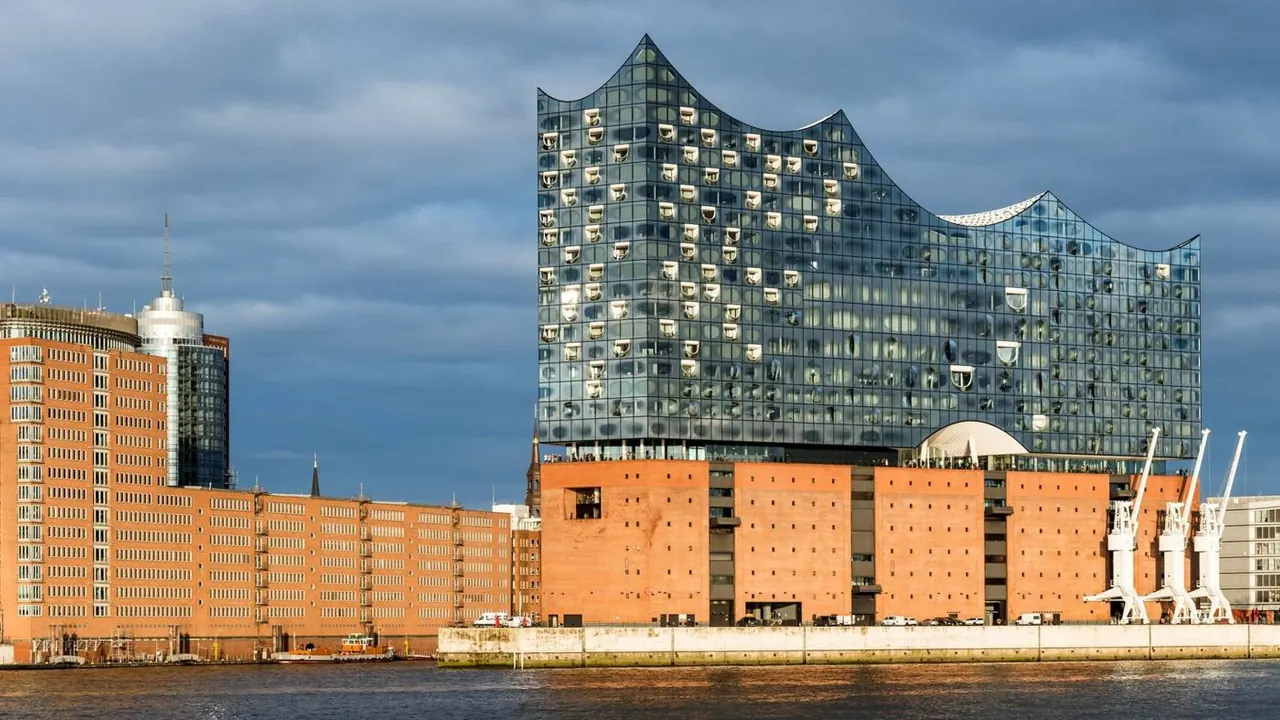
Performing arts are Hamburg's biggest advantage. The Elbphilharmonie and the Laeiszhalle give it two major concert halls, and the State Opera and the Hamburg Ballet are known worldwide. For lighter evenings there are long-running musicals and the St Pauli rock clubs where the Beatles started out.
Aarhus has a solid programme centred on Musikhuset, home to its symphony orchestra and the Danish National Opera, plus indie and jazz venues in the old railway yards. Its summer jazz festival and the late-summer Festuge arts week are when it is busiest. At other times there is less to choose from.
Wellness & relaxation
Aarhus bathes outdoors and Hamburg bathes indoors. In Aarhus the custom is Nordic: a round in a wood-fired sauna by the harbour or at Den Permanente, then a cold plunge into the bay, and visitors can join in all year.
Hamburg follows the German habit of long winter afternoons in warm bath complexes, from the art nouveau Holthusenbad in Eppendorf to larger sauna landscapes. For slower hours there are boat rides on the Alster and the Japanese garden in Planten un Blomen. Neither has thermal springs, and beyond the saunas both rely on hotel spas.
When should you go?
Pick your month. The climate figures are measured averages, not a forecast.
Aarhus in July
Hamburg in July
Daytime high, °C
Rainfall in the month, mm
Where the figures come from
Aarhus's temperatures are measured 30 km from the centre, at Tirstrup.
Aarhus has no rain gauge within 25 km of the centre, so its rainfall comes from a gridded climate dataset read at the city rather than from a gauge further away.
Temperature and rainfall are climate normals, averaged over the years shown. Aarhus: 1991-2020 normals, Tirstrup (29.8 km from centre). Hamburg: 1991-2020 normals, Hamburg Airport (9.3 km from centre).
Both cities have short, mild summers and grey, dark winters, so the best time to go is late May to early September. Aarhus is at its warmest in July and August, at around 22°C. This is also the only time the bay is warm enough to swim in, at about 18°C. Spring is the driest part of its year, so April and May are good for walking and cycling, even though it is too early for the beach.
Hamburg is a degree or so warmer through the summer, reaching 23°C, and May to July are its sunniest months, with around 220 hours. It is the wetter city, though, and summer rain reaches 82mm in July, so pack for showers. From November to February both cities stay in single figures. That season is better spent in museums, concert halls and saunas than out on the streets.
Which traveller are you?
On a food and nightlife trip, Hamburg is the clear choice. The Reeperbahn, the Schanzenviertel and the harbour keep going until dawn, and fish rolls on the piers fill the gaps. Aarhus has a friendly student scene, but most visitors have seen it in two nights.
On a shopping trip, Hamburg also has far more to offer: luxury labels on Neuer Wall, covered arcades for wet days and independent shops in the Karolinenviertel. Aarhus is worth a morning for Danish ceramics and lighting in the Latin Quarter, but not much longer.
For a beach and sun trip, neither city is ideal, but Aarhus is the better choice. Its sandy bay beaches at Bellevue and Den Permanente are a short bike ride from the centre. In Hamburg the Elbe is unsafe for swimming, and proper sea bathing is an hour away.
Before you go
| Measure | Aarhus | Hamburg |
|---|---|---|
| Official language | Danish | German |
| Currency | Danish Krone (DKK) | Euro (EUR) |
| Sockets | CEFK230 V, 50 Hz | CF230 V, 50 Hz |
| Driving side | Right | Right |
| Time zone | UTC+1, UTC+2 in summer | UTC+1, UTC+2 in summer |
| Emergency number | 112 | 112 |
| Elevation | 6 m | 6 m |
| Main airport | Aarhus Airport (AAR)30 km from centre15 non-stop destinations | Hamburg Helmut Schmidt Airport (HAM)9 km from centre120 non-stop destinations |
| Public holidays this year | 14 days | 10 days |
By the numbers
| Measure | Aarhus | Hamburg |
|---|---|---|
| City population | 290,598 | 1,869,473 |
| People per km² | 3,193 | 2,476 |
| Museums within 10 km | 17 | 77 |
| UNESCO World Heritage sites within 50 km | 0 | 1 |
| Swim season, months above 21 °C | None | - |
Where else could you go?
Every comparison below shares a destination with this one, so you can follow Aarhus or Hamburg somewhere new.