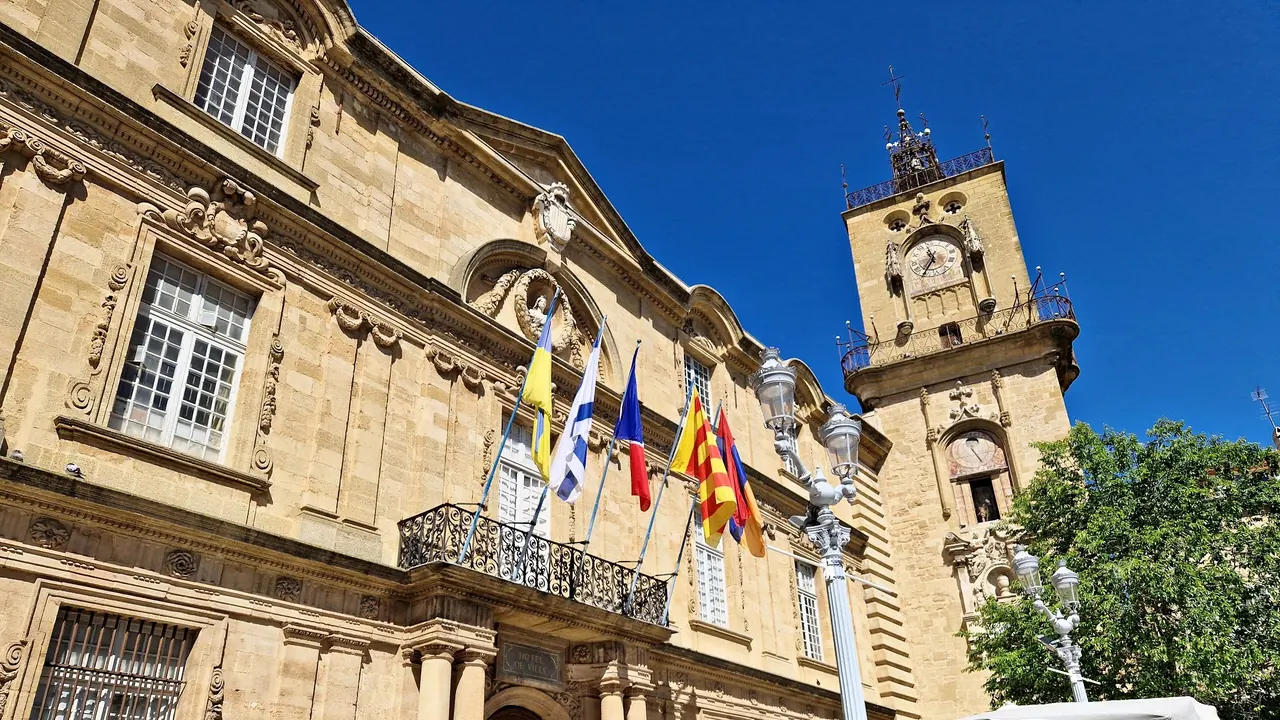
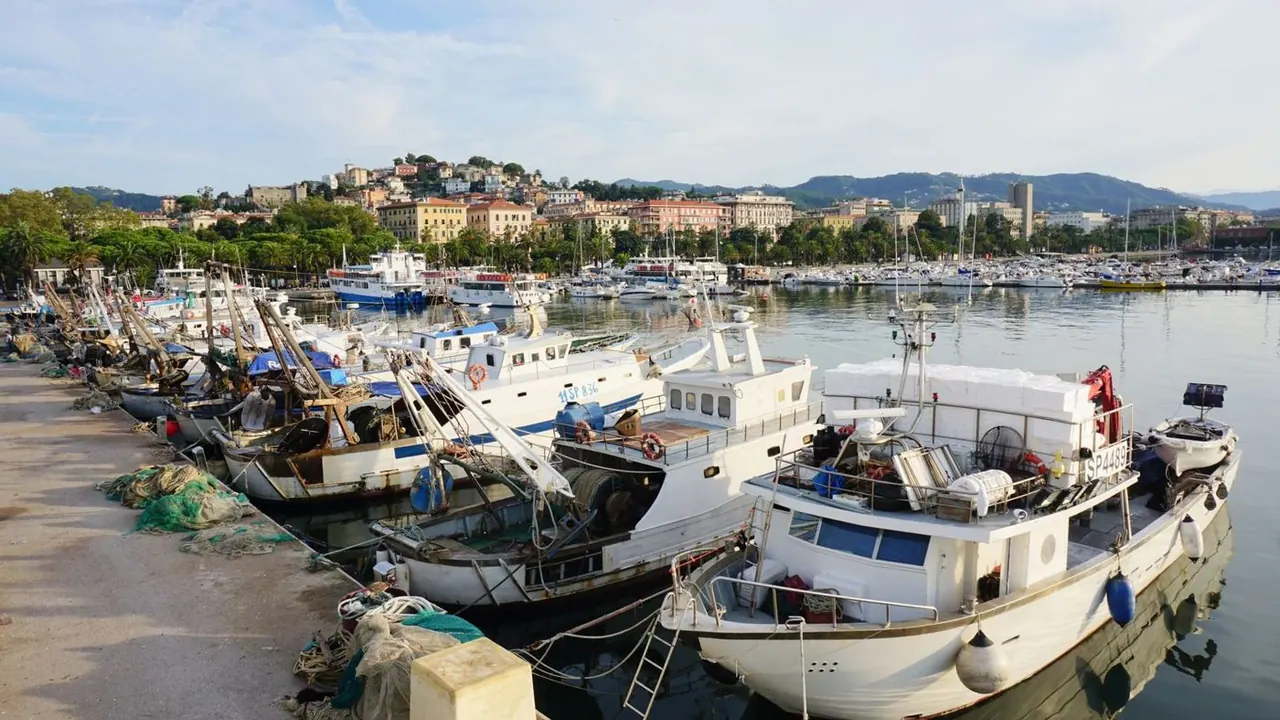
Photos: Aix-en-Provence by Hanay, CC BY-SA 4.0, cropped; La Spezia by Irina Balashova, Pexels License.
Aix-en-Provence or La Spezia?
Our verdict in twelve categories, each scored against the same fixed benchmark cities, and the climate month by month, so you can choose for your trip.
Choose Aix-en-Provence for
- live music and the arts
- culture and sights
- shopping
Aix-en-Provence suits travellers who want a handsome town to settle into: fountain squares, the Mazarin mansions, Cezanne's studio and the July opera festival, with long market lunches setting the pace. It is the stronger pick for culture, music and dance, browsing the shops and a slow, terrace-and-spa kind of rest. It pays off most if you have a car for the Luberon villages and the Calanques.
Choose La Spezia for
- beaches
- prices
- getting around
La Spezia is the practical choice for a coastal vacation built around the Cinque Terre. The town itself is a working naval port with few sights. But trains, buses and ferries put the villages, Portovenere and the gulf beaches close by, and the sea is warmer and nearer. The stay is also easier on the budget. Pick it for swimming and walking the cliff paths, all without a car.
Scoreboard
Twelve categories on one fixed scale from 0 to 100. The shaded stretch is the gap between the two.
Your match
Pick a travel style or drag the sliders, and both match scores follow your weighting.
Wins on live music and the arts and culture and sights with your weighting.
Wins on beaches and prices with your weighting.
What matters to you?
Category by category
What the scores mean for a trip.
Beaches & swimming
Neither is a beach town, but La Spezia puts the sea much closer. From Aix, every swim means a drive of up to an hour to Marseille's small beaches, the Cote Bleue or Cassis, or a bus and train without a car. That is why so many visitors settle for the hotel pool.
From La Spezia, a short bus, boat or train ride reaches the sand at Lerici and San Terenzo, the clear rocky water off Palmaria and Portovenere, or Monterosso's long beach. Expect paid bathing establishments, and free stretches that fill early in August.
Food & drink
Both kitchens are regional and market-based, with little beyond local cooking. Aix is for long Provencal lunches on a terrace: daube and tians with Coteaux d'Aix rosé, then calissons from the old confiseries. La Spezia eats more casually and more from the sea, with farinata from wood ovens, stuffed gulf mussels, pesto on trofie and Cinque Terre whites.
Aix has the more polished bistros, while La Spezia keeps prices and quality steadier from day to day.
Culture & sights
Aix is far better for days of looking around. The town itself is the sight: the plane-tree Cours Mirabeau, the honey-stone mansions of the Mazarin quarter, built for the old parliamentary nobility, and the Cathedrale Saint-Sauveur with its layers of Romanesque, Gothic and baroque work. Add the Cezanne sites at Les Lauves, the Jas de Bouffan and Bibemus, with the Musee Granet to round it off.
La Spezia's centre is a 19th-century naval grid of arcades and Liberty facades, with no medieval core. The Museo Amedeo Lia's early Italian paintings and the Lunigiana stele at the Castello San Giorgio deserve a visit. Still, the history worth travelling for lies out along the coast.
Nightlife
Neither suits serious going out, but Aix has more of an evening. Its students keep the bars around Place des Cardeurs busy on warm nights, and there are a few small clubs. It goes quiet in the university breaks, though, and club nights mean Marseille.
La Spezia's evening is aperitivo on Via del Prione or the seafront, moving to the waterfront bars of Lerici and San Terenzo in summer. After that, most people turn in early before a morning on the trails.
Nature & outdoors
Aix's outdoors is inland limestone country, while La Spezia's is sea cliff, and each is superb in its own way. From Aix you climb Sainte-Victoire, walk and kayak the white Calanques, and cycle among the vineyards of the Luberon and Alpilles. A car helps, and the massifs can close on high fire-risk days in summer.
La Spezia's terraced Cinque Terre paths are reached by train, with the loop round Palmaria, the pinewoods of Montemarcello and diving in the gulf close by. The marble peaks of the Apuan Alps inland offer harder hiking. In both places spring and autumn are the seasons to go.
Day trips
What differs is the kind of day out, since each is a first-rate base. From Aix the reach is wide and varied: Marseille in half an hour, Avignon by TGV, Roman Arles, Nimes and the Pont du Gard. Then there are Luberon hill villages such as Gordes and Roussillon, which really need a car.
From La Spezia the highlights sit closer together, and nearly all are reached by train or boat. You have the five Cinque Terre villages, Portovenere, Lerici and walled Sarzana, with Pisa, Lucca and Portofino as longer outings.
Good for families
Both are safe, easy places with children, and neither has much built for them. Aix offers pedestrian squares, fountains and markets, and families usually base themselves at a villa pool and drive to the zoo at La Barben or the coast. La Spezia has flat seafront gardens, boat trips round Portovenere and shallow beaches at San Terenzo and Lerici. Its steep villages and crowded summer trains suit older children better than toddlers.
Getting around
Both centres are walkable, but La Spezia works better for a stay without a car. The station is an easy walk from the centre, and regional trains run straight through the Cinque Terre and on to Pisa and Genoa. Buses and seasonal ferries cover the gulf, and the only real strain is crowded summer platforms.
Aix is a pleasure on foot within its small old town. But the TGV station is a shuttle ride out on the plateau, and the Provencal villages have little public transport. So most visitors exploring the region hire a car and then struggle to park in the centre.
Shopping & style
Aix is the better place to shop. The lanes around Rue d'Italie and Rue Fabrot hold French fashion boutiques, delicatessens and homeware, and on market days the squares fill with fabric, bric-a-brac and flower stalls. Good things to take home include santons, olive wood, Marseille soap and printed fabrics.
La Spezia's Via del Prione and Corso Cavour are everyday streets of clothing chains and shoe shops. The best buys are edible: pesto, olive oil, Sciacchetrà and anchovies.
Affordability
La Spezia is the easier place on a budget. Rooms in town cost well below the Cinque Terre villages, and farinata, focaccia and simple trattorias keep everyday meals fair. Cheap trains mean no car to pay for, though trail passes, boat trips and bathing establishments add up.
Aix has few hotels in the centre, many of them boutique or country-house places, and the July festival pushes rates up. The car you need for the countryside is another cost, so back-street lunch menus and market picnics matter more here.
Live music & performing arts
Here Aix is in another league. Its July opera festival, staged partly in the courtyard of the Archbishop's Palace, is one of the major events of the opera world. All year, the Grand Theatre de Provence, Ballet Preljocaj at the Pavillon Noir and the Theatre du Jeu de Paume keep a real programme going.
La Spezia has the Teatro Civico's season and a summer jazz festival with open-air concerts around the gulf. For opera, you travel to Genoa or Pisa.
Wellness & relaxation
Aix has a real spa heritage to draw on. The Romans founded it for its warm springs, some fountains still run warm, and the Thermes Sextius offers thermal pools on the site of the ancient baths. Slow market mornings and plane-tree afternoons add to the calm outside July.
La Spezia has no bathing tradition of its own, only hotel spas and the small thermal baths at Equi Terme, an hour inland. You find its rest in quieter places: Palmaria, a long lunch in Tellaro and the seafront out of season.
When should you go?
Pick your month. The climate figures are measured averages, not a forecast.
Aix-en-Provence in July
La Spezia in July
Daytime high, °C
Rainfall in the month, mm
Where the figures come from
La Spezia's temperatures are measured 65 km from the centre, at Pisa / S. Giusto.
La Spezia has no rain gauge within 25 km of the centre, so its rainfall comes from a gridded climate dataset read at the city rather than from a gauge further away.
Temperature and rainfall are climate normals, averaged over the years shown. Aix-en-Provence: 1991-2020 normals, Marseille / Marignane (19.2 km from centre). La Spezia: 1991-2020 normals, Pisa / S. Giusto (64.8 km from centre).
The two towns follow much the same temperature curve, with July and August highs around 30°C and mild winters. That makes May, June, September and early October the comfortable months for walking. Aix is the drier of the two in most months and the sunnier in every month, with almost rainless summers. September is equally wet in both, but after that Aix's autumn rain never matches La Spezia's, where November brings about 151mm. Inland Aix feels the midsummer heat more when you are walking round the sights, so late spring is its best season.
For swimming, La Spezia has the warmer sea, around 25°C in August against about 22°C on the coast near Aix. Near La Spezia the water is pleasant from June to the end of September. On the coast near Aix it is still cool in June and only really comfortable from July into September. La Spezia's wet season runs from October to December, so spring and early autumn suit its trails best, while Aix stays mild and sunny well into October.
Which traveller are you?
For a culture and arts trip, Aix-en-Provence is the clear choice. The Mazarin mansions, Cezanne's studio and the Musee Granet fill two or three unhurried days. The July opera festival and Ballet Preljocaj give your evenings a programme La Spezia cannot match.
On a beach and sun trip, choose La Spezia. You can be swimming off the sheltered sand at Lerici, in the clear water round Palmaria or on Monterosso's long beach on any morning you like. From Aix, the coast is a planned excursion, and a car makes it much easier.
For a relaxing and wellness trip, Aix is the better fit. The Thermes Sextius has thermal pools where the Roman baths stood, warm fountains run through the town, and long market lunches set an easy pace. La Spezia's calm depends on avoiding the Cinque Terre crowds.
Before you go
| Measure | Aix-en-Provence | La Spezia |
|---|---|---|
| Official language | French | Italian |
| Currency | Euro (EUR) | Euro (EUR) |
| Sockets | CE230 V, 50 Hz | CFL230 V, 50 Hz |
| Driving side | Right | Right |
| Time zone | UTC+1, UTC+2 in summer | UTC+1, UTC+2 in summer |
| Emergency number | 112 | 112 |
| Elevation | 73 m | 3 m |
| Main airport | Marseille Provence Airport (MRS)21 km from centre126 non-stop destinations | Pisa International Airport (PSA)65 km from centre82 non-stop destinations |
| Public holidays this year | 11 days | 13 days |
By the numbers
| Measure | Aix-en-Provence | La Spezia |
|---|---|---|
| City population | 149,695 | 92,119 |
| People per km² | 804 | 1,792 |
| Museums within 10 km | 8 | 12 |
| UNESCO World Heritage sites within 50 km | 1 | 2 |
| Swim season, months above 21 °C | 2 months | 4 months |
Where else could you go?
Every comparison below shares a destination with this one, so you can follow Aix-en-Provence or La Spezia somewhere new.
- Marseillevs Aix-en-Provence
- Portofinovs La Spezia
- Luccavs La Spezia
- Pisavs La Spezia
- Avignonvs Aix-en-Provence
- Genoavs La Spezia